

Low storage, hard surfaces, and mismatched finishes can make a space feel busier than it is. In small apartments, wooden home decor often gets lost against pale walls or competes with plastics, so the natural material ends up adding to the chaos instead of calming it. Jute baskets, rattan chairs, and wooden trays can clash if they fight for attention or sit without purpose.
The difference comes from creating a clear order, choosing which natural materials to pair, when to stop, and what to let stand out. Today you’ll see how to layer wood, rattan, jute, and linen in a way that feels calm, not cluttered. This works especially well in a narrow hallway when storage and warmth are needed because wood adds texture without overwhelming the light.
The short version: Wooden home decor works best as the anchor for other natural materials, keeping a room calm by focusing attention and limiting color shifts. Building from one wooden piece first, then layering jute and linen in small accents, makes everyday rooms more relaxed and grounded.
Key takeaways
- Wooden home decor should act as the visual anchor for mixed-material spaces.
- Pairing similar wood tones keeps rooms from feeling busy or unplanned.
- Using a single carved bowl or tray is an easy way to ground side tables or shelves.
- Mirrors with wood frames can warm up unused wall space and reflect softer light.
- Mixing natural materials like wood, bamboo, and rattan works best in rooms where strong colors are limited.

Why does wood still work in a minimal home?
Wooden home decor grounds a space, making it feel less busy even when other textures are added. Anchoring each area with wood first gives a room calm order and a place for the eye to rest.
Open-plan living rooms with hard floors and pale walls can feel cold or bare. Add a low mango wood coffee table, and even with just a jute rug and linen throw, the room starts to feel lived in. Wood draws the light and adds a softness plastic and metals lack.
Unlike glass or metal, which can bounce light harshly, a matte wood surface catches just enough light to give depth but not glare. That’s why many decorators recommend wood as the base for natural material home decor schemes, there’s practical calm from the start.
Wooden trays, stools, and side tables work in nearly any room. One good example is a pale ash bench in an entryway: it draws the eye without taking over, giving shoes and bags a clear spot. It helps the whole area feel cared for, not forgotten.
Where this works best
Wooden home decor makes the biggest difference in rooms where surfaces are hard or the palette is pale and limited. A single wooden piece can change how a space feels and functions, especially where storage matters.
Living rooms, bedrooms, and small entryways each have their own storage headaches, scattered mail, tossed jackets, toy clutter, shoes piled near the door. Wood works here because a bench, box, or tray keeps loose things contained without looking like a plastic bin.
In a child’s room with soft carpet and pastel walls, a lidded wooden trunk offers hidden storage without adding weight. For a rental kitchen with limited counter space, a slim mango wood shelf or mango wood furniture piece stands out and feels permanent, even if the rest can’t be changed.
Avoid bringing heavy, dark wood pieces into small rooms with low light or already-dark floors. Instead of warming things up, too much contrast can make the room feel boxed in. Pale pine or ash is better for these spaces.
How do you mix wooden decor with rattan and jute?
Mixing wooden decor with jute and rattan works best by giving wood the main role and using the other textures as light accents. If every material is equal, the look falls apart and feels busy.
A simple living room shelves setup: start with a smooth wooden tray on the bottom shelf to gather keys, then add a woven basket for soft storage on a higher shelf. The strongest finish anchors the scene, with the softer, lighter pieces as quiet background details.
Compared to dark lacquered woods, natural finishes, such as those found in most handmade wooden decor, blend better with jute and rattan. Painted woods break the flow and call too much attention.
In nurseries or playrooms, rattan toy baskets look scattered unless they sit near a fixed wooden anchor, like a low shelf or wide bench. Jute rugs work well under wooden dining tables because they echo the texture without competing for eye space.
Choosing wood tones that do not fight each other
Limiting wood tones to two per space keeps the look calm, one dominant, one supporting, both in the same warm or cool family. Wood colors that fight each other make a room appear disjointed.
Most living rooms do better if the largest wood, say, a coffee table, is echoed by a smaller shelf or bowl in a similar tone. A pale pine bookshelf with a darker teak root bowl adds interest without clashing, as long as the undertones match.
Mango wood and sheesham both carry a warm feeling and blend with linens or clay. On the other hand, mixing grey-washed pine with golden oak can make a sideboard or shelf look patched together instead of planned.
In an open-plan kitchen and dining combo, too many contrast woods pull the zones apart. Instead, pairing pale wooden stools with a pale wavy pine wood wall mirror can keep the palette cohesive. Every piece feels intentionally placed, not just accumulated.

Wooden bowls and trays: the easiest anchor piece
A single wooden bowl or tray instantly anchors a busy counter or open shelf, collecting loose items and making everyday scenes look put together. This works in nearly any room of the home.
Wooden bowls made from monkey pod, teak root, or mango are sold in many sizes, and according to Paraphernalia UK, teak root bowls are made as decorative accents as much as for serving. Leaving one out on a sideboard or nightstand turns weights, remotes, or jewelry into an intentional part of the display.
Compared to baskets or fabric bins, a wood tray feels finished and stands up better to daily touch. Fingerprints wipe away easily, and unlike ceramics, there’s little risk of breakage.
Woven home decor such as trays or baskets look best when paired with a denser wood object. In an entryway, a carved bowl on the console tames keys and receipts, while a smaller rattan basket underneath softens the look and adds lightness.
Styling and placement
Styling wooden home decor is about creating clear visual order by spacing pieces and limiting busy details. Placement matters: leave space around each object for the grain and shape to breathe.
Start by letting your biggest wooden piece, usually a table, mirror, or trunk, claim the center or most-used spot. On side tables, pair a single wood tray with a glass or clay lamp for soft contrast. Stacking too many small objects makes a room look busier instead of calm.
Most designers recommend that about two-thirds of open shelf space stays clear. A bare shelf reads colder than one with a single woven basket or bowl, but packed shelves can feel heavy and distracting.
In bedrooms, mid-toned wooden bedframes pair well with pale jute rugs and one textile accent in solid color. Avoid overlapping natural materials unless each one touches a different surface, for example, jute underfoot, wood under lamp or plant, linen at the window.
Quick calm checklist:
- Limit to one or two wood tones per room.
- Leave breathing room, avoid crowding trays or baskets side by side.
- Use one wooden piece as a focus, then add softer materials on a separate plane or level.
- Repeat one neutral or earthy color across wood and textiles.
- Keep shelf or table surfaces at least halfway clear.
How to care for wooden home decor so it ages well
Caring for wooden home decor is mostly about gentle dusting, avoiding long sun exposure, and protecting from standing water. Treated simply, most wooden pieces last for decades and gain character as they age.
Everyday cleaning is plain: just a dry cloth for dust, and an occasional rub with unscented mineral oil for unfinished pieces. Crumbs and grit can scratch soft pine or untreated wood, sweep out bowls and trays regularly before they start to dull.
Sun fades some woods, especially pale finishes, while leaving water rings can mark both dark and light pieces. Unlike plastic or glass, real wood develops minor scratches and darkens unevenly over time, but this patina is prized by many. If a bowl or box grows very dry or rough, especially in heated winters, a tiny bit of oil or wax will revive the grain’s look and feel.
Bamboo and rattan need even less, just spray lightly and wipe down, keeping them away from direct heat sources. Simple care keeps the textures gentle on the eyes and warm to the touch in daily use.
What tends to hold up with wooden home decor and natural material mixing
Reviewing hundreds of rooms, two patterns show up again and again. First, natural wood finishes perform better than painted or lacquered ones for calm, layered looks. Second, trunk boxes and carved trays made from slower-grown woods, like sheesham or teak root, age beautifully and hide fingerprints, which reviewers and designers consistently mention as a reason they work for busy homes.
Matte-finished trays and bowls also get recommended near bright windows because they don’t catch harsh glare the way glass or polished metal do. Layering different textures is best anchored by one solid wooden piece that does not change seasonally or with trends.
, Mara, Loom & Glow
Common questions
Why does wood still work in a minimal home?
Wooden home decor grounds a space, making it feel less busy even when other textures are added. Anchoring each area with wood first gives a room calm order and a place for the eye to rest.
How do you mix wooden decor with rattan and jute?
Mixing wooden decor with jute and rattan works best by giving wood the main role and using the other textures as light accents. If every material is equal, the look falls apart and feels busy.
Where does wooden home decor make the biggest difference?
Wooden home decor makes the biggest difference in rooms where surfaces are hard or the palette is pale and limited. A single wooden piece can change how a space feels and functions, especially where storage matters.
Explore more calm combinations inside our Shop The Look .
Shop the Look
Mango wood pieces that blend warm tone and sculptural form into lived-in styling.
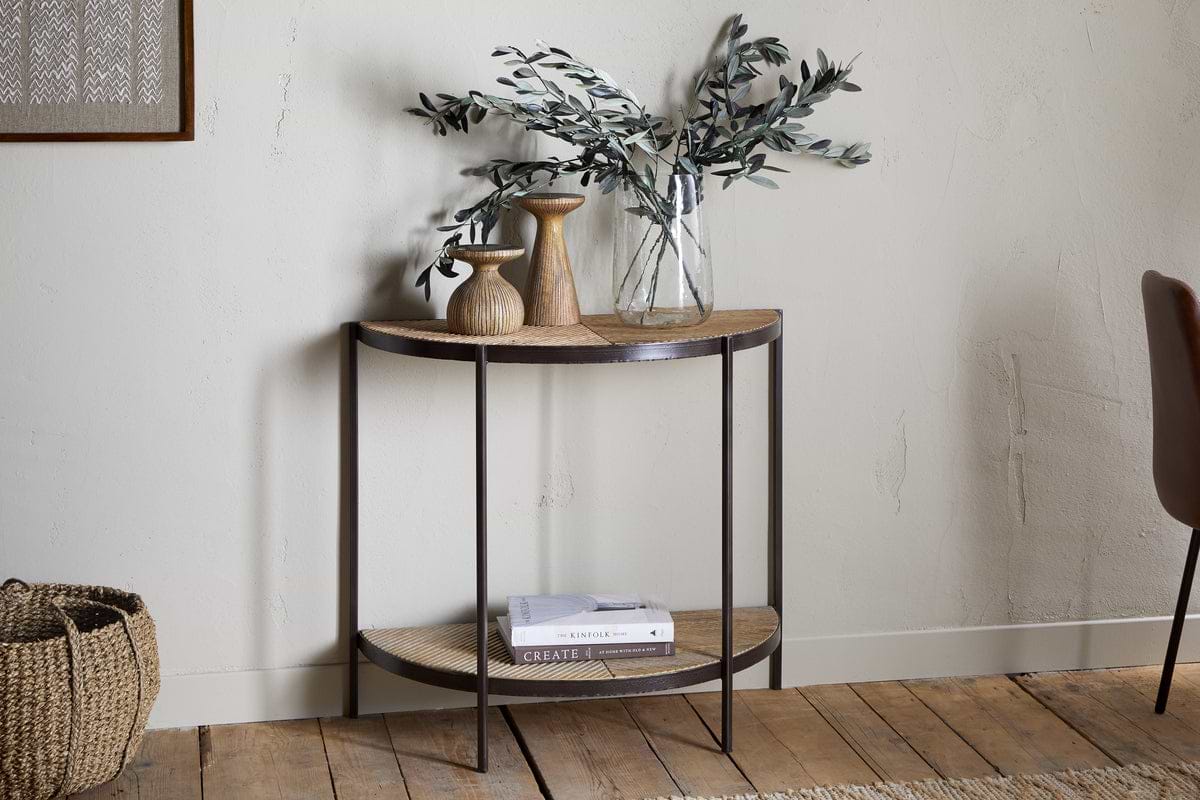
Aasha Console Table
Half-moon silhouette in mango wood; anchors entryways and narrow walls.
View at Nkuku →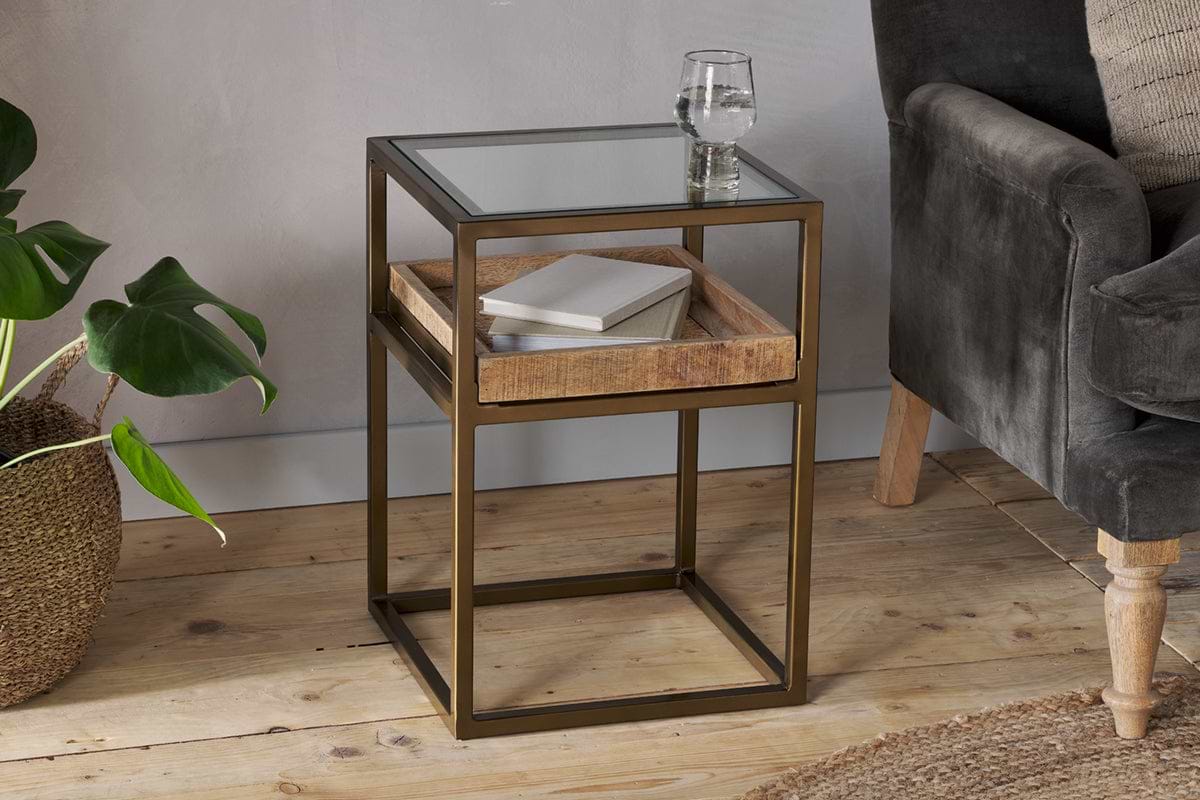
Luzon Side Table
Iron and mango wood with display shelf, small footprint, double function.
View at Nkuku →
Some links above are affiliate links. If you buy through them we may earn a small commission at no extra cost to you. We only suggest pieces we think fit a calm, lived-in home.
Free guide
The Calm Leaf
12 quiet ways to bring dried botanicals, stems, and natural textures into calm spaces.