

Most studio flat ideas start with the challenge of one-room living: storage runs out fast, clothes spill from chair to chair, and every corner can turn busy if you try to fit in too much. When sleep, work, and relaxing all blend together, it’s easy for the space to look crowded and feel restless.
Today, you’ll find small, calm changes that bring clear zones, without reaching for drywall or spending days rearranging. You’ll see how a few natural pieces, a softer palette, and the right materials can divide the room by feeling instead of building. This works especially well for open-plan studios when square footage is tight because each zone still feels connected, but nothing fights for attention.
The short version: The simplest studio flat ideas use texture, placement, and subtle colour shifts to divide one room into zones, without blocking light or closing in space. One or two anchor textures set the mood, while smart storage and tactile materials keep clutter away from sight.
Key takeaways
- A jute rug or woven bench anchors a living or sleep zone without building a physical barrier or making the room darker.
- Vertical storage and open shelving lift clutter off the floor and help limited square footage feel calmer.
- Soft, neutral home decor keeps a studio from looking packed, especially if you repeat one main tone across textiles and natural pieces.
- Swapping one strong ceiling light for small, warm-light lamps creates a gentler transition between zones.
- A multi-functional piece, like a storage bench or sofa bed, can serve two roles and free up the tightest floor plans.

What actually makes a studio flat feel like separate rooms?
A studio flat feels like separate rooms when you use a clear zone marker, like a rug, bench, or shift in lighting, rather than blocking off space with walls or heavy furniture.
In a single room flat where everything has to happen in one space, zoning is less about building gaps and more about using anchor pieces to set the edges. For example, a jute rug or a narrow wooden bench often draws a subtle line that the eye treats as a border.
When you add a low soft light in one corner or change from a chunky coffee table to a woven basket, the room’s activity follows the material change. Living and sleep areas, or work and eating spaces, feel visually related but keep their own mood; a linen curtain draped from a simple rail breaks up zones without crowding the eye the way a tall bookcase does.
A bare studio with nothing but one giant sofa can feel like a waiting room, while too many small objects make it feel unmoored and fussy. Instead of solving with lots of dividers, try making one area more tactile, think of a looped cotton rug under a reading chair or a storage bench that backs the bed zone. A jute-wrapped planter or a pale rattan tray changes the mood and gently hints where one space stops and another starts.
One popular rule: a zone always reads calmer when you change both the material and the light at the same point. Place the key anchor, like a cotton and wool cushion, where you relax most, so lounging feels distinct from working or eating.
Where this works best
Room zoning in a studio works best when space is tight, path lines cross, or you need one area to quiet down while another stays lively.
Studio layouts with little division, such as those with a single window or an open wall to the kitchenette, benefit most from these zoning tricks. When storage is at a minimum or rental rules mean no construction, subtle changes, using woven home decor or a neutral-tone rug, become the main way to create boundaries.
Many people find that putting one statement piece between bed and sofa, like a rattan bench, makes two activities feel less tangled. In a long, skinny studio with barely enough space for both sleeping and living, a big woven basket or linen curtain at the foot of the bed gives the sense of “here ends the sleep zone.”
Avoid heavy shelving units or thick folding screens in small rooms. These cut off sight lines, eat up light, and often leave the room colder and more boxed in. Instead, focus on low, breathable pieces that add a soft division but still let air and light cross the zone boundary. A pale woven rug or lidded basket offers gentle structure, never a hard stop.
In these layouts, placing an open bookshelf against the back of a sofa can work as a soft guide without closing off natural flow.
How can you zone a sleep area without building a wall?
A sleep area feels separate in a studio when one main material, like pale wood or thick linen, draws the boundary, instead of a solid divider or another piece of furniture.
The bed corner often gets lost with everything else in the room. If you edge the sleep area with a textured rug or hang a neutral drape from a wire, it changes the light and defines the space. Soft boundaries calm the eye without eating up space.
Placing a wooden bench or a lidded storage ottoman at the foot of the bed gives legs to the zone. The boundary is clear enough to feel like a step away, but the space remains open. Unlike a bulky cabinet or heavy shelf, these natural pieces keep air moving and don’t interrupt daylight.
Every zone benefits from a small change in light. A paper lantern or linen-shaded lamp near the sleep corner softens the edge, while a single cushion, like a cotton and wool mix in undyed tones, visually marks the bed but doesn’t weigh it down. Keep patterns minimal and let the material lead, the best sleep zones in small flats rely on two or three natural elements repeating in texture or colour.
Many renters like using removable curtain rods or standing screens to loosely define a sleeping nook; the trick is to keep them light in both look and actual weight.
Styling and placement
Placement in a studio works when every anchor, rug, basket, bench, shelf, sits where daily movement naturally flows, and the eye reads one piece clearly in each purpose zone.
Start simple. Lay an earthy rug under the coffee table or sofa to anchor a living area, then set a low bench or natural fibre basket on the far side to mark the edge. These materials break up the floor without creating clutter or visual mess.
A wood tray or seeded-glass vase on a floating shelf sets a quiet, organic home decor cue in the kitchen or sleep nook. Pull each natural piece away from the walls by a small gap; this “breathes” light into corners and keeps the shape of the room gentle instead of crowded. Compared to heavy boxed storage, open baskets or shallow trays feel lighter and signal where zones begin and end without crowding small flats.
Use vertical storage where you want the zone boundary to rise just above sight lines, such as behind the sofa or flanking the sleeping space. A slim bookcase or a hanging linen organizer signals purpose but doesn’t block out the room.
Quick calm checklist:
- Repeat one main neutral tone across cushions, rugs, and throws for calmness.
- Keep baskets and shelves low or open to avoid cutting off natural light.
- Use textured, organic materials, jute, linen, pale woods, in one or two key locations instead of everywhere.
- Pull anchor pieces away from the wall slightly to let corners breathe.
- Limit each surface to only what’s used daily.
This approach turns even a narrow hallway zone into a practical, airy entry, rather than a clutter trap.

What are practical kitchen corner studio flat ideas?
A kitchen zone in a studio stays clear when one natural surface, like a wooden shelf or clay tray, marks the boundary, and appliances tuck out of direct sight.
The kitchen often bleeds into living areas in small open-plan studios. By using an earthy home decor piece, like a bamboo dish rack, a neutral linen runner, or a clay mixing bowl, to edge the countertop, you mark the zone softly. This limits splash and spill into lounge or desk space without boxing off the kitchenette.
Open shelving above the kitchen corner avoids the heavy look of upper cabinets and fits small studio proportions. Shelves about as deep as a dinner plate work for storage and keep plates or glassware ready, rather than hidden behind doors. A bare shelf reads colder than one with a single woven basket or a clear glass jar for utensils.
Pendants or an under-cabinet strip light bring focus to the kitchenette, distinguishing it from the rest of the room. A cotton rug underfoot (always washable) gives a soft pause between chopping and sitting down to eat. Studio flat ideas like these look warmer and more defined, especially for renters in flats where kitchen upgrades aren’t possible.
For ideas on styling compact spaces, look at small living room layouts that use open shelving and storage benches as kitchen boundaries.
What mistakes make a studio flat feel smaller?
A studio flat often feels smaller when too many tiny objects, patterns, or colours compete for attention and when solid dividers cut off natural light from the main zones.
Trying to fit every need, bed, couch, desk, dining, gym, into a single room usually leads to overload. Patterned bedding, bright accent pillows, and three types of storage bins will quickly draw the eye in every direction. A studio feels more expansive when a single palette runs through the room and each corner gets a limit, one main function, one anchor object, one accent material.
Bulky cabinets or freestanding walls partition the room, but often leave “dead” spots where nobody sits or stores anything. Unlike an open-legged bench or armless sofa, these blockers make square footage go to waste and the room seem dense. Instead, choose pieces you use every day and keep the heavy shapes tucked against a single wall, especially in flats with only one or two windows.
Another mistake: leaving every surface busy. Open-top tables, dressers, and counters covered in stuff add to the disorder. Clearing just one surface (a coffee table or bench) creates a visual break that lets the room exhale.
Most decorating experts recommend running a neutral base tone across major textiles and large storage items, then repeating one strong natural texture, like rattan or undyed linen, on small accents. This approach, also featured in decorating a small space ideas, lets each material be read clearly without confusion.
Lighting and storage: small changes, big shift
Zoned lighting with warm tones and closed storage in natural materials helps a studio flat feel open, inviting, and clear instead of scattered.
One big overhead light washes the room thin and flattens every zone. Switching to smaller warm-white lamps, one at the bed, one by the sofa, one small under-cabinet, gives pockets of comfort that match how the space is actually used. A desk lamp in matte wood turns a work corner into its own quiet retreat, far from the buzz of late night TV or the clink of dishes.
Storage always matters in a studio, but the right kind makes the difference. Instead of lining every wall with open baskets, choose one or two closed woven bins and a lidded trunk for extras. This hides visual clutter, think cables, off-season clothes, notebooks, while keeping the look soft and simple.
Compared to bright plastic boxes, natural woven storage brings more calm and less glare. A study of rental flats with low natural light showed that pale ash or cotton-covered bins reflect just enough daylight to lighten the zone without bouncing harsh light around.
Studio flat layouts work best when each storage piece also serves as a seat, end table, or display. A cotton-and-wool ottoman or a slim wooden bench changes use through the day and earns its limited footprint.
The moment comes when you walk in and something feels unsettled, cushions, baskets, and throws all compete, but none seem to “belong.” The room holds the right pieces but still looks restless. That’s when it helps to step back, clear the floor, and set a new starting point with only the few textures and objects you use each day.
One practical shift: start by choosing one key zone, picking an anchor piece in a single natural material, and letting that element repeat softly across the studio, whether through a run of similar baskets, one great rug, or an earthenware tray. This gives the eye a “rest” spot and gently guides how the rest of the room unfolds, both in material and in mood.
A common mistake is spreading too many small organic home decor touches, tiny baskets, scattered trays, five types of throws, across a studio flat. The result is a room that looks busy, with no true zone or sense of flow. It’s easy to fall for dozens of pretty neutral home decor ideas, but the room can start to feel jumbled and heavy with detail that never settles.
With even one low, grounded piece, like a heavy jute rug or a cotton storage bench, the rest of the room feels quieter and easier to navigate.
Save this idea for later.
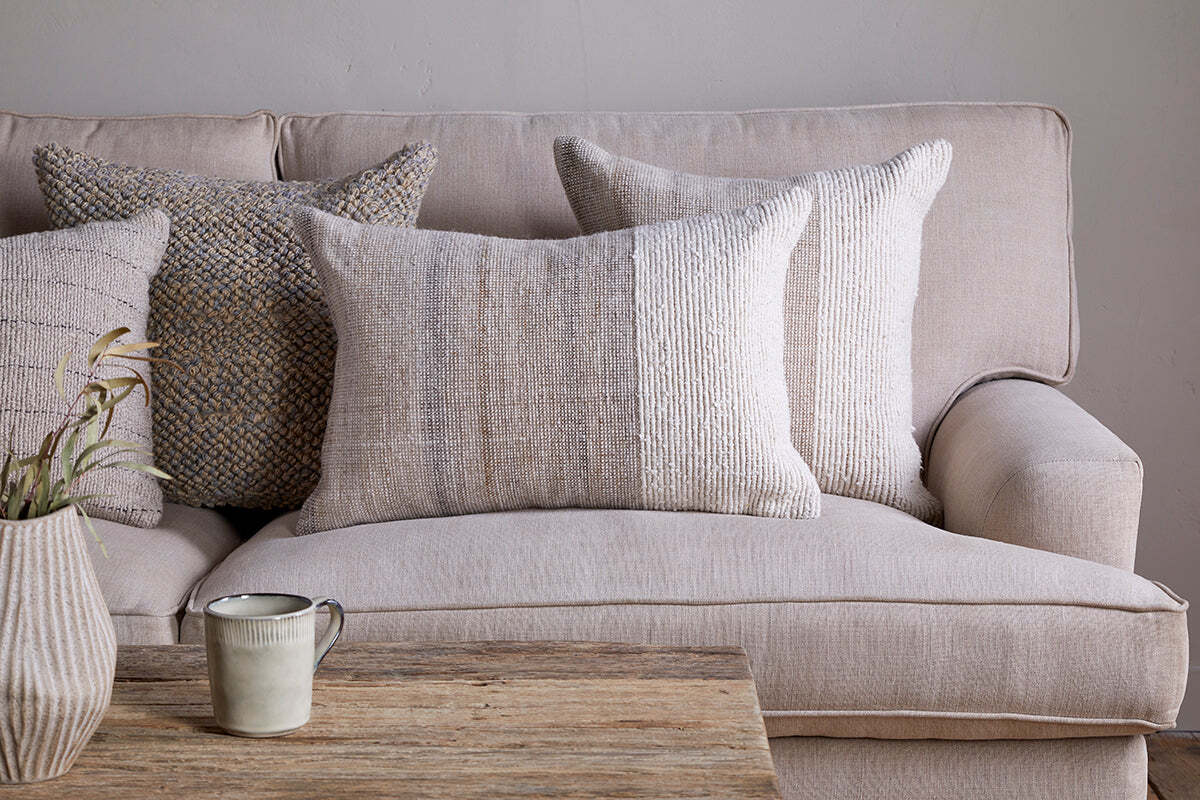
Karaya Cotton & Wool Cushion Cover – Natural
adds quiet structure and warmth while keeping the room balanced.
What tends to hold up with zoning one room without walls
Reviewing many small flats, especially those with organic or earthy home decor, one theme stands out: what helps most is choosing fewer, larger zone anchors and repeating textures in tight spaces. Most renters and owners alike find that a studio feels more peaceful when only one strong woven or wooden object marks each zone, instead of lots of tiny accents.
Decorators often recommend matte and natural finishes for pieces catching morning or midday light, because glossy trays and plastic bins reflect glare and make corners feel smaller. Woven rugs, linen throws, and soft-toned baskets read peacefully in a studio, even after months of daily use. The right piece acts as both a visual and tactile “pause” for the mind and the feet.
, Mara, Loom & Glow
Common questions
How can you zone a studio flat without building walls?
The simplest studio flat ideas use texture, placement, and subtle colour shifts to divide one room into zones-without blocking light or closing in space.
What makes a studio flat feel like separate rooms?
A studio flat feels like separate rooms when you use a clear zone marker-like a rug, bench, or shift in lighting-rather than blocking off space with walls or heavy furniture.
How do you create a separate sleep area in a studio without a wall?
A sleep area feels separate in a studio when one main material-like pale wood or thick linen-draws the boundary, instead of a solid divider or another piece of furniture.
What should you avoid when zoning a small studio?
Avoid heavy shelving units or thick folding screens in small rooms.
Explore more calm combinations inside our Shop The Look .
Shop the Look
A side table with shelf, woven basket and slim floor lamp that earn their place in a compact room.
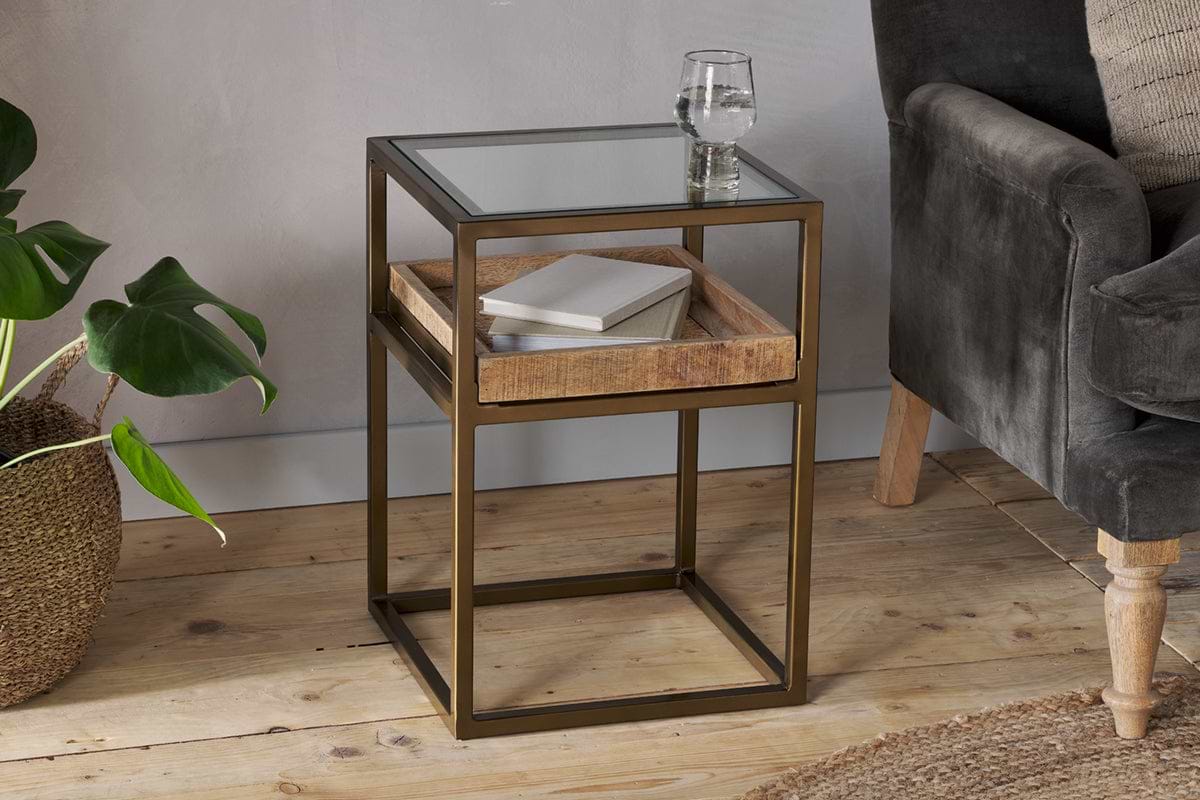
Luzon Side Table
Iron and mango wood with display shelf, small footprint, double function.
View at Nkuku →
Nkomi Basket
Woven storage with a calm silhouette, works open or tucked under a console.
View at Nkuku →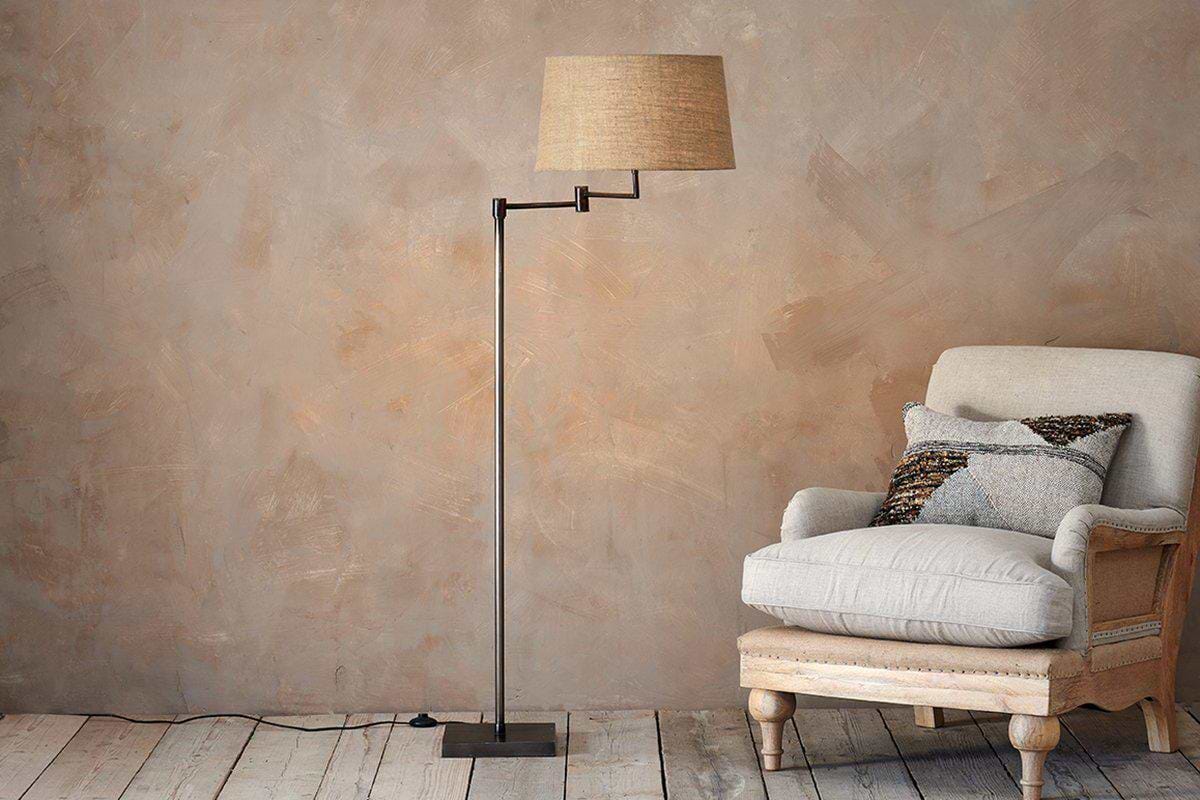
Some links above are affiliate links. If you buy through them we may earn a small commission at no extra cost to you. We only suggest pieces we think fit a calm, lived-in home.
Free guide
The Calm Leaf
12 quiet ways to bring dried botanicals, stems, and natural textures into calm spaces.