

Low light, tight spaces, and too many materials fighting for attention often leave a room feeling restless and cluttered. Rattan furniture ideas, like woven side tables or a warm accent chair, can easily tip a space from gentle texture toward visual mess if not given their own place. Many Pinterest rooms mix jute, linen, rattan and wood, but in person, these can look busy or unfinished.
This piece gives you a clear, hands-on way to layer rattan and other natural materials without the usual visual overwhelm. You’ll see when to remove, when to repeat, and how to settle a room that reads noisy. This works especially well in a small apartment living room when there’s not much wall colour or natural light because rattan brings lightness and shape without extra bulk.
The short version: Rattan furniture ideas work best as one or two warm, woven pieces in each room, layered with simple textiles and wood, never a full set. This keeps things calm and natural. The main shift is focusing on a limited palette and anchoring with just one statement piece.

Why does rattan work in a calm home?
Rattan feels airy and textured, adding quiet interest without taking over the room. Its neutral colour lets you mix it with soft linens and light woods for easy calm.
A living room with too many heavy materials or bright accents quickly feels crowded, but a single rattan accent chair or bedside table sits lightly in the mix. Rattan is neutral in colour, so it works with natural tones and lets other pieces stand out or settle in quietly. It’s less sharp than metal and less cold than glass.
This is partly because rattan is made of woven cane, which lets light pass through and keeps the piece from blocking sight lines. For renters, it’s a way to bring warmth without permanent changes. Rattan is synonymous with boho design, but works just as naturally with minimalist or even Scandinavian rooms, as noted by House Beautiful.
Compared to plastic or MDF, rattan always feels quieter because there are no shiny surfaces or strong patterns. A bare side table can feel cold, swap it for a woven rattan piece and the same spot looks finished but much gentler.
Use a rattan headboard in the bedroom or a small storage bench in the entry to soften corners and keep the look grounded. The room will pick up warmth without feeling busy.
Where this works best
Rattan’s light, open shape works in rooms that need warmth but can’t handle bulky furniture or rich colours. It shines in places where space or natural light is limited.
Small apartments, narrow entryways, and bedrooms with low light benefit most from rattan’s soft presence. These spaces can feel easily weighed down by large wooden shapes or armfuls of cushions, but a rattan piece brings in natural material home decor without bulk. Its woven surface lets light slip through, so a bench or chair never looks heavy near a hallway wall.
In compact living rooms, try just one rattan side table next to a cotton or linen-covered sofa. The table offers function and texture but keeps the room from looking over-filled. This also helps in open-plan spaces, where one woven piece can anchor a conversation corner without barriers.
Avoid crowding small rooms with too many types of weave or strong patterns. Placing several different rattan baskets, a wicker bench, and a cane lamp in the same area usually tips the look toward clutter. Keep to one or two rattan pieces per space for a calm result.
Set a rattan ottoman beside a low bed, or place a single woven storage basket on a bare shelf. It brings lightness and function without stealing attention from the rest of the room.
How do you layer rattan with other natural materials?
The easiest way is to choose one rattan piece, then repeat a soft, neutral textile close by, like linen or cotton. This gives your eye a place to land and keeps the mix from feeling random.
Layering natural textures is key to a calm space, but too many types in one spot quickly look messy. For woven home decor, always anchor with the largest practical material: if you have a wood floor, a jute rug, and a rattan chair, let only one be the visual focus in each part of the room. Keep everything else subdued and soft.
Rattan pairs best with light cotton, matte linen, and pale woods. A rattan accent chair or headboard with a linen throw lets the weave feel pronounced but not busy. Jute rugs, especially in the jute and linen look, work with rattan if you keep the palette narrow and the patterns simple.
Unlike a room where every surface features a different bold weave or tree species, repeating similar tones and fibres side-by-side, like rattan and natural oak, or cane and bamboo, settles the room. This approach always looks softer than having one of everything.
Keep a single rattan piece within reach of a cotton ottoman or a small wood table. It draws the textures together and avoids the look of mismatched, busy zones.
Which rattan pieces make the most difference?
Accent chairs, small bedside tables, and one or two woven baskets give you the calm rattan look without tipping into theme or clutter. Skip a full matching set.
The pieces that earn their place are nearly always those doing two jobs, like a rattan accent chair for reading or a storage bench in the hallway. These work because they show the gentle weave at eye level and bring utility without extra bulk. Small woven baskets and a round rattan mirror belong in the same group, they break up hard surfaces but never fill the room visually.
Avoid crowding the room with a rattan chest, sideboard, and pendant light all in view. Just one strong rattan piece per space is enough. For most people, a rattan bedside table in a bedroom that already has a fabric headboard, or a rattan pendant lamp over a small table, is the perfect measure.
The difference is clear: a collection of matching cane pieces can crash visually, while an accent chair alongside a plain wood table lets the soft shape stand out. Useful rattan pieces always look natural when they have a little space to breathe.
Keep reed-wrapped accents to supporting roles, a larger piece (bed frame, armchair, big basket) gives the rest of the room a subtle focal point.

Styling and placement
Place rattan near soft light or next to a calm textile; keep space around it, and never cluster it with more than one other woven piece in sight.
The ideal place for a rattan item is where you’d otherwise have an empty corner, an exposed wall, or a blocky side table. The piece should feel like it belongs, close to where you sit, stack, or rest. A woven armchair angled near a linen curtain picks up the daylight and makes the space seem open.
For best effect, keep rattan away from busy shelves or chaotic gallery walls. Styling is about showing the texture without letting it fight for attention. Most rooms look settled when their woven pieces face a plain wall or rest on pale flooring, like painted boards or a simple rug.
Compared to lining three or four rattan baskets in a row, placing just one on a mid-level shelf softens the room. This works better because the eye reads the piece as a highlight, not noise. Scattered baskets can break up the flow.
Soft overhead light (not direct downlights) brings out rattan’s shape. Near windows, let the weave throw a faint shadow for extra depth.
Quick calm checklist:
- Use one strong rattan piece per room as an anchor
- Space woven items, never bunched or lined up
- Keep the palette to three or four natural shades max
- Surround with plain surfaces, matte wall, linen drape, unpatterned rug
- Let at least two-thirds of surfaces be left open and clear
A rattan mirror on a bare wall, or an ottoman under a window, settles the look and looks finished without feeling staged. Let each piece stand alone where possible.
What are the trade-offs of using rattan indoors?
Rattan is light and versatile, but it dislikes moisture and full sun. Indoors, it lasts longer and stays looking crisp if you keep it dry and brush it clean now and then.
Unlike denser woods, rattan is lightweight and porous, a benefit for small apartments and renters who move things often. Most rattan items can be carried and repositioned easily. A downside is that rattan does not love wet spots: setting a basket by a bathroom vent or a chair beside a heater can cause sagging or mould, as the experts at DesignCafe explain.
Direct sunlight will fade and dry out the fibres over time. That means rattan is best off in a shaded living room, a covered porch, or a bedroom corner that doesn’t get the midday sun. Resealing with a little clear varnish helps, but avoid spots where the piece sits in puddles or under dripping plants.
Compared to solid oak or teak, rattan needs more care if you want it to last for years. Most pieces do better indoors, away from heavy use and steam. But an indoor rattan chair or table holds up well under everyday use, just don’t let spills or wet towels sit on it.
Place the rattan armchair or storage chest where air flows but there isn’t excess dampness. Keeping it out of harsh sun gives you longer life and keeps the colour even.
How to keep rattan looking calm and fresh
Vacuum or wipe with a soft brush every week, keep away from direct moisture, and add a thin layer of clear sealant once a year to stop the fibres from drying or darkening.
Most rattan can be cleaned with just a gentle sweep, but for deeper layers, use a soft brush attachment on a vacuum to pick out dust. A quick wipe with a damp (not wet) cloth works anytime, just be sure the piece dries fully afterward. This is especially important for woven storage baskets that sit against a wall or in a closet.
Every so often, once a year is plenty, brush a thin coat of sealant or varnish over rattan chairs, a mirror frame or a headboard to keep the surface from splitting. According to DesignCafe, this helps the fibres stay strong and bright even in indoor light.
Unlike wood, which can handle occasional spills, rattan marks quickly if water sits in the weave. Always keep damp towels and plants off rattan surfaces for best results.
Place rattan where you can clean under it, like beside a bed or under a window. Extra care keeps the room looking calm, rather than tired or patchy from wear.
What tends to hold up with working with natural textures
Reviewers and decorators say rooms stay calm when they limit the number of woven pieces and repeat only one main texture. Rattan works because it sits between hard and soft, giving structure without sharpness. Matte finishes get recommended again and again for rooms with bright light, since they don’t bounce glare like glass or lacquer.
Care tips that keep coming up: keep rattan out of direct sun and wipe with a dry cloth often. Room photos look inviting when there’s a clear gap between each natural material, linen on the sofa, rattan by the window, and wood in one or two places only.
, Mara, Loom & Glow
Common questions
What looks good with rattan furniture?
Earthy tones, natural woods, and soft textiles look especially good with rattan furniture. Linen, cotton, jute, and even seagrass rugs are a strong fit. Mixing in glass or clay accents and repeating one main colour in each area keep the look from feeling accidental or busy.
Is rattan still in style in 2026?
Yes, rattan is expected to stay in style through 2026, especially as warm, nature-inspired neutrals replace cooler tones in furniture trends. It brings a soft, textured feel that pairs well with the shift toward organic home decor and slower, more natural room schemes.
What are the disadvantages of rattan furniture?
Rattan can fade or weaken if exposed to moisture or direct sunlight for long periods. It also requires regular care to stay clean and strong. While lightweight and easy to move, it isn’t as resilient as solid wood or metal for very high-traffic zones.
Is rattan furniture in style right now?
Rattan furniture is very much in style now, both for its natural look and for its flexibility in all types of homes. Many embrace it as a way to add warmth and texture to modern, minimalist, or family rooms without fuss or bright colour.
Explore more calm combinations inside our Shop The Look .
Shop the Look
Pieces that sit naturally alongside rattan and cane without competing for attention.
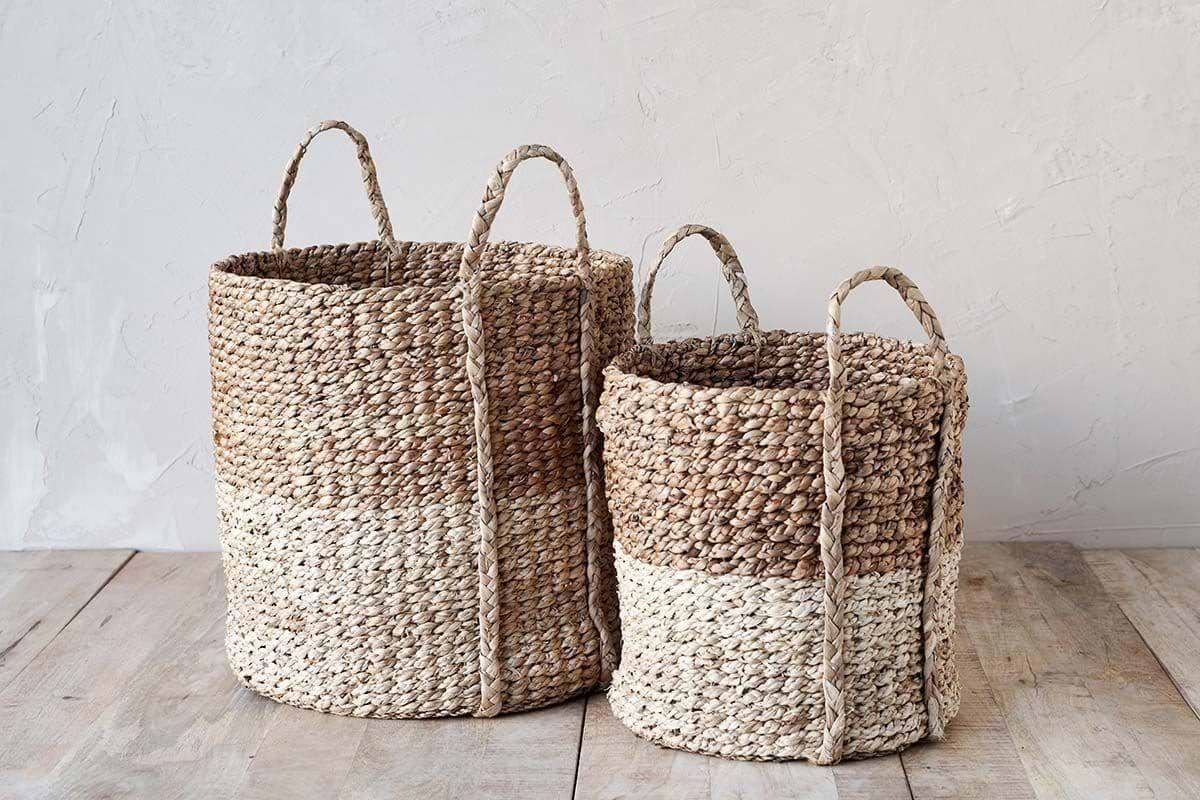
Nkomi Basket
Woven storage with a calm silhouette, works open or tucked under a console.
View at Nkuku →Some links above are affiliate links. If you buy through them we may earn a small commission at no extra cost to you. We only suggest pieces we think fit a calm, lived-in home.
Free guide
The Calm Leaf
12 quiet ways to bring dried botanicals, stems, and natural textures into calm spaces.