

Boxes under the bed, stacks on the dresser, a chair always holding overflow, these are the signs small bedroom storage ideas have lost the fight. There’s never enough space for everything, so things pile up. Solutions rarely look calm. Bags and boxes feel out of place, natural materials clash, and the room gets busier with every new fix.
If you want a small bedroom that feels open and grounded, you need a plan for what stays out and how to group it. This guide helps you sort what to use, what to put away, and how to decide on jute baskets, linen bins, and wood hooks without a messy look. This works especially well for small apartments when you’re limited by awkward storage or rental rules because careful natural choices can create order without crowding.
The short version: The most reliable small bedroom storage ideas use one storage type per wall, in natural finishes, and keep the floor mostly visible. Choosing wood drawers, woven baskets, and under-bed organizers in the same tone keeps the space from feeling cramped and scattered.
Key takeaways
- A storage bed or under-bed boxes in a matching neutral finish save the most floor space in small bedrooms.
- Woven baskets grouped on a shelf work better than many small containers spread out across the room.
- Wall hooks and high shelves put storage up where it doesn’t add visual clutter around eye level.
- Double-duty furniture, like a table with drawers, earns its spot by holding two uses in the same footprint.
- Fitted wardrobes let you use tight alcoves, while freestanding chests move with you (source: IKEA).
- Why do small bedroom storage ideas fail before buying anything?
- Start with the bed: storage beds and under-bed drawers
- Where this works best
- How to mix jute, linen, rattan and wood without chaos
- Double-duty furniture that earns its footprint
- Styling and placement
- Vertical storage: the wall space you are ignoring

Why do small bedroom storage ideas fail before buying anything?
Small bedroom storage ideas fail when too many types of storage show at once, making the room look busy and unfinished. The fix is to limit visible storage to one or two matching materials.
A cluttered bedroom often happens before a single basket or box comes in the door. Piling up every storage solution that fits, bags, hooks, bins, and trays, creates a patchwork. Even organic home decor loses its calm effect this way. Many rooms feel tight not because they lack storage, but because the storage is a mix of shapes and colors on every surface.
In bedrooms with little built-in storage, the first instinct is to add containers everywhere. A linen bin goes under the window, a rattan box ends up on the floor, and one more shelf crowds the wall. Even if each piece looks pretty alone, the room gets cluttered fast. The cause is too many storage “moments” disrupting the eye.
A bare shelf reads colder than one lined with two soft jute baskets, but a third patterned box breaks the flow. Each material has its own feeling, wood is warm, flax linen softens light, rattan weaves catch shadows, yet if they stack together with no plan, calm turns to chaos. Using only one or two types on view works because it gives the eye a place to rest.
Put this principle to work on your next bedroom reset by storing only what needs to be out in open baskets, and keeping the rest hidden away.
Start with the bed: storage beds and under-bed drawers
A storage bed or clear under-bed drawers reclaim floor space that is often wasted, making them the most efficient option for bedrooms short on closets. Pick one finish for all under-bed storage to look cohesive.
One of the most overlooked storage zones is under the bed. Many beds leave this space empty, but adding a storage bed frame or low drawers can double what you fit in a small room. Underbed storage is so important that big retailers have whole sections for it, not just as a side note.
Storage beds come in two main types: ones with built-in drawers along the sides, and lift-up beds that let you open the whole platform. Each is meant for a different type of room. A bed with side drawers works if your room allows access from at least one side, while lift-up storage serves better if you’re tight on width but have open space at the end.
Wirecutter’s tiny bedroom guide calls an elevated storage bed frame a top pick for both storage and price, proving this is a practical move even for rental bedrooms or long-term use. Unlike bins that don’t match, using storage with the same color as your bed or flooring anchors the look. Keeping your under-bed area to just one organized section, drawers only, or baskets only, makes the whole room feel more peaceful. Use a woven under-bed basket for laundry or extra bedding to keep it soft and easy to reach.
Try one or two matching linen or jute bins under your bed in a visible spot, and keep the rest tucked out of sight.
Where this works best
Limiting storage pieces creates calm in bedrooms with tight layouts, low light, or rental rules by making space feel less broken up. Stick with neutral tones for a softer look.
Rooms that feel cramped, have tricky corners, or face windows with little light are the best place to start these small bedroom storage ideas. In a small apartment or a shared house, built-in storage is rare. Out in the open, too many storage types will crowd every spare inch, so the rule is to work with one or two visible finishes only.
Neutral home decor ideas tend to work better in these setups than bold or high-contrast choices. Pale woods and soft textiles fade into the background, and light bounces better in tight quarters. Organic home decor like a single linen bin by the bed, paired with an unpainted rack or shelf, avoids the patchwork feeling that can build up with multiple colors and textures.
Avoid mixing stark white containers with deep wood chests, they push the eye back and forth and the room loses its restfulness. Instead, using only one wood tone for main pieces (like a storage bed) and keeping other storage matching or close in color gives a gentle, steady feeling day to day.
Try this method first in rooms where you also need space for a desk or dresser. Placing the few soft bins and baskets all on one wall lets the rest of the room feel open, no matter the floor plan.
How to mix jute, linen, rattan and wood without chaos
Mixing jute, linen, rattan, and wood only works if you repeat a texture or color and limit the palette to two or three at most. Match finishes on baskets to wood grains for calm.
Bringing in natural material home decor can quickly swing from relaxed to crowded if there isn’t a rhythm. Earthy home decor thrives in clear, grouped spots, a pair of jute baskets on a low shelf, linen storage bags in the wardrobe, and a single rattan tray atop the dresser, not spread out everywhere.
The biggest mistake with small bedrooms is showing every nice storage object at once. A stack of three types of baskets with no clear relation makes the room feel unfinished. Instead of many types scattered, focus on repeating one or two materials. For example, a blonde wood shelf above the bed with a matching rattan basket below the window creates a gentle echo that calms the look.
Compared to plastic or metal, natural textures distract less because their colors are muted and their edges softer. According to IKEA’s bedroom storage overview, starting with the type of configuration is more important than diving into colors right away. This lets the right organic or woven storage materials serve a real use, out of season clothes, laundry, or spare bedding, and fade into the background after a week.
Keep jute or linen storage in the same spot, like all on the lower shelf of your open wardrobe, to avoid chaos in a bedroom with little spare space.

Double-duty furniture that earns its footprint
Double-duty furniture, like nightstands with hidden drawers or slim storage tables, save space by replacing two objects with one. These designs are best in small bedrooms that lack closet space.
Bedsides, nightstands, and side tables often sit half-empty, holding only a lamp or a clock. In a small bedroom, this is wasted potential. A nightstand with a built-in drawer or a slim table with open shelves underneath does real work. According to Wirecutter’s double-duty furniture picks, combining a small footprint with built-in storage is key, it lets one object replace two.
Unlike stand-alone dressers or wardrobes, double-duty pieces shine in rooms too narrow or with doors that block tall units. A storage nightstand can hold charging cables, notebooks, and sleep masks without adding visual clutter. A soft-lined basket under the side table hides books or slippers without adding bulk.
Choose organic home decor with texture, think a nightstand with a pale wood grain, or a table with a woven rattan shelf, so storage doesn’t jump out at you every morning.
Try a storage table or nightstand for rooms where the door hits the wall, or where another chest would block the walk path.
| Furniture | Storage | Best For |
|---|---|---|
| Nightstand with drawers | Hidden items | Bedside organization |
| Side table with shelf | Open baskets | Reading corners |
| Storage trunk | Blankets, spare pillows | End of bed / window seat |
Styling and placement
Styling storage in a small bedroom calls for placing soft bins and wood elements in tight groups, keeping floor lines open, and avoiding more than two materials on view at once.
Where storage goes can matter as much as what you use. Placing every basket against a different wall cuts up the room and draws the eye in too many directions. Instead, try clustering soft storage, three woven bins, for example, on a single low shelf or at the foot of the bed. This keeps most of the floor clear, which is what makes the bedroom feel larger.
Spacing out storage containers two steps apart or more helps each item feel like it belongs, rather than like an afterthought. A chest of drawers works best when placed along the longest wall, leaving short walls free for a small wardrobe or hanging storage.
The rule is to keep one main area for visible storage and let the rest fade into built-in or closed spaces. Unlike open shelves with a dozen small boxes, a tall wardrobe with a few chosen bins feels calm and stays practical. For a softer look, use a jute basket and a wood tray with similar tones so that nothing pops out.
Woven basket storage blends best when the color matches at least one other element in the room.
Quick calm checklist:
- Choose two visible storage materials (example: pale rattan + soft natural linen).
- Group soft containers together so only one section looks “busy”.
- Keep the floor as open as possible by using wall hooks or high shelves.
- Match storage colors to the bed, rug, or curtains for less contrast.
- Keep baskets away from doorways and corners where they break up the flow.
Apply this checklist once after tidying, then leave things as they are for a week before changing anything else.
Vertical storage: the wall space you are ignoring
Vertical storage, like high shelves and wall hooks, uses space above the bed or door where items aren’t in the way. This keeps bedside tables, corners, and the floor clear.
Most people never look up for storage solutions. That’s a missed chance, especially in rooms where floor space is taken by the bed. Wall-mounted shelves above the headboard, high hooks behind the door, or a peg rail running just below the ceiling can all hold baskets or bags that don’t fit elsewhere.
Unlike tall chests that block light or windows, vertical storage puts the contents out of your direct line of sight. This stops the room from feeling busy. Hanging a group of linen bags along a peg rail, or stacking two flat rattan baskets above the door, keeps everyday things nearby without crowding surfaces.
The effect is a lighter, less crowded look because the storage floats visually, instead of sitting like a roadblock by your feet. Small bedroom layout guides often mention this trick, lifting storage means you can use the floor for only the essentials.
Add one or two wall shelves in places you don’t walk, then step back to check that nothing feels top-heavy or overloaded.
Most people notice a small bedroom feels tight at night, when piles appear on every flat surface and baskets clutter the walkway. Even subtle organic home decor can overwhelm if there’s no clear system. The moment it feels “off” usually comes after a cleaning session, when new pieces were meant to improve things, but the space just looks different, not calmer.
Designers and calm-home writers agree: the real shift is choosing a single focal storage piece (like one woven trunk or a row of matching baskets) and repeating its tone or material so everything else reassures the eye. This kind of storage disappears into the room instead of breaking it up.
Facing a messy spot, it’s easy to grab a new basket or tray each time, but that’s how the problem grows. One good piece used in three places looks settled; fifteen different kinds compete for attention.
When everything is in its place and repeating one or two textures, the space finally stays restful. Sleep comes easier, clothes are easier to find, and there’s no more shuffling baskets back and forth after dark.
Save this idea for later.
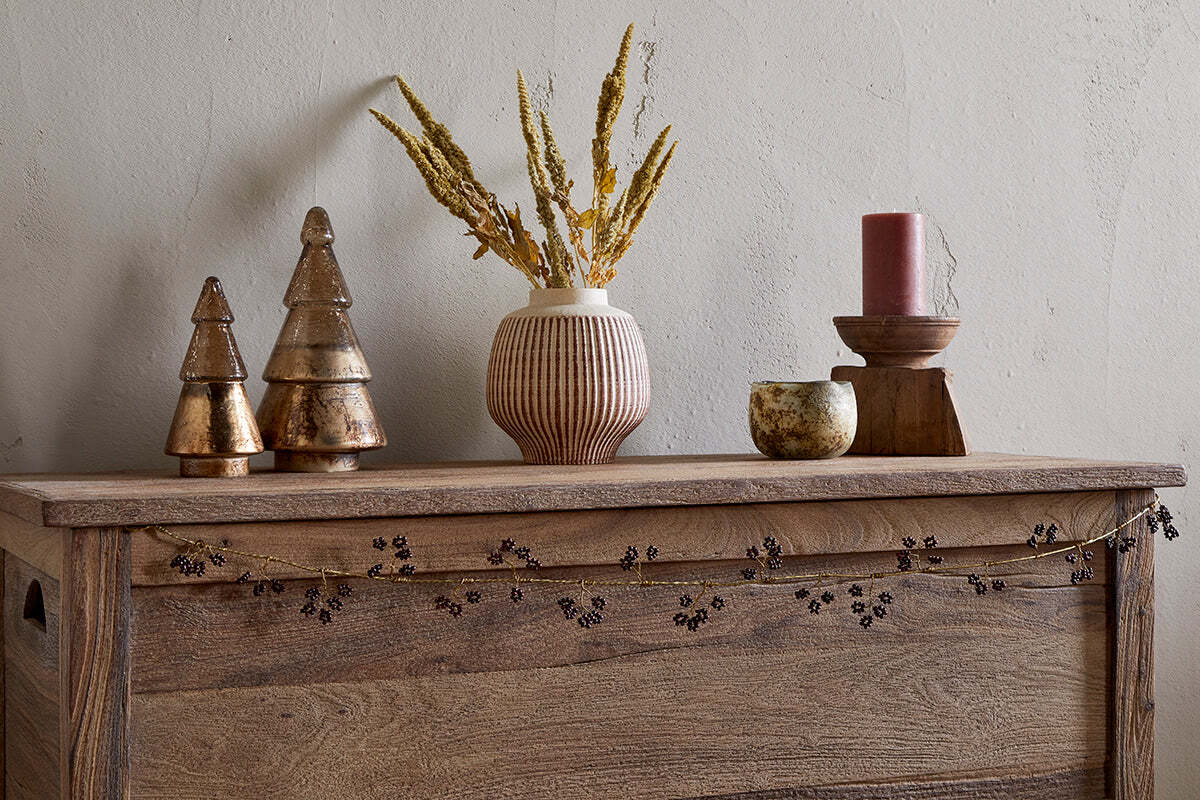
Tanu Mango Wood Beaded Garland – Brass & Ruby
keeps seasonal styling contained and visually light.
What tends to hold up with layering natural storage in small rooms
Among the many bedrooms reviewed for calm, the most lasting solutions keep a close limit on materials and storage types, usually no more than two showing. Matte finishes get recommended again and again for shelves near windows, because they don’t catch glare the way a glossy tray does.
Woven home decor shows wear well, hiding everyday scuffs and dust better than plain plastic. Strong colors and hard edges draw attention, but soft neutrals blend easily, especially when repeated once or twice.
, Mara, Loom & Glow
Common questions
How do you maximise storage in a tiny bedroom?
The best way to maximise storage in a tiny bedroom is to use under-bed drawers, vertical shelves, and furniture that hides extra storage. Keeping storage coordinated and placed away from walkways helps the room feel open. Natural materials like wood and rattan also soften the look and wear better over time.
How do you make storage in a small room?
To make storage in a small room, focus on multi-use furniture and use wall space above doors or beds for extra shelving. Stick with one or two storage finishes for visual calm, and keep most of the floor clear. Woven baskets and closed bins can help hide clutter in plain sight.
How do you organise a small room with too much stuff?
Organise a small room with too much stuff by reducing what you store on surfaces and keeping similar items together in labeled bins or baskets. Move out of-season items under the bed or into wardrobe storage bags. Use natural home decor choices to group things by look, not just function.
What are some small room ideas for storage?
Small room ideas for storage include choosing a storage bed, using wall hooks, and adding shelves above eye level to free up floor space. Baskets under the bed and double-duty nightstands add storage without cluttering the room. Limit open containers and repeat calming materials like linen or jute for a quiet finish.
Explore more calm combinations inside our Shop The Look .
Shop the Look
Three Nkuku pieces that store and style without stealing the calm-slim side tables and tall, neat baskets.
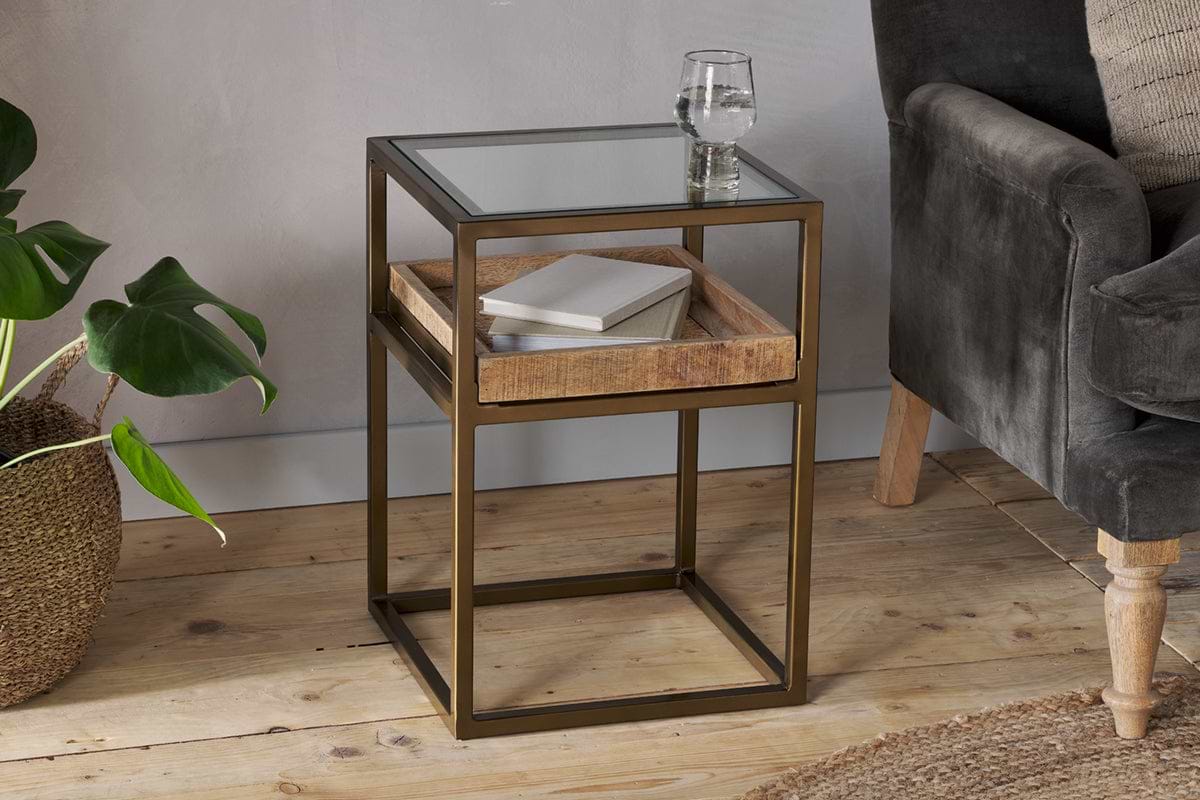
Luzon Side Table
Iron and mango wood with display shelf, small footprint, double function.
View at Nkuku →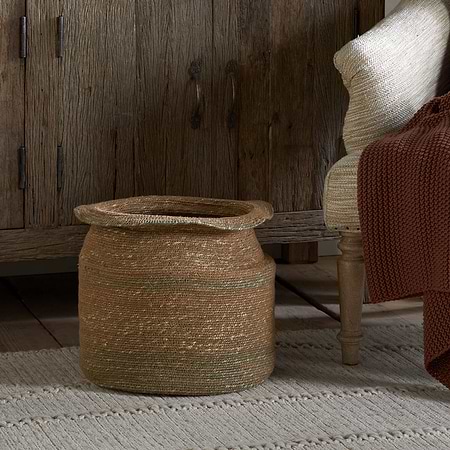
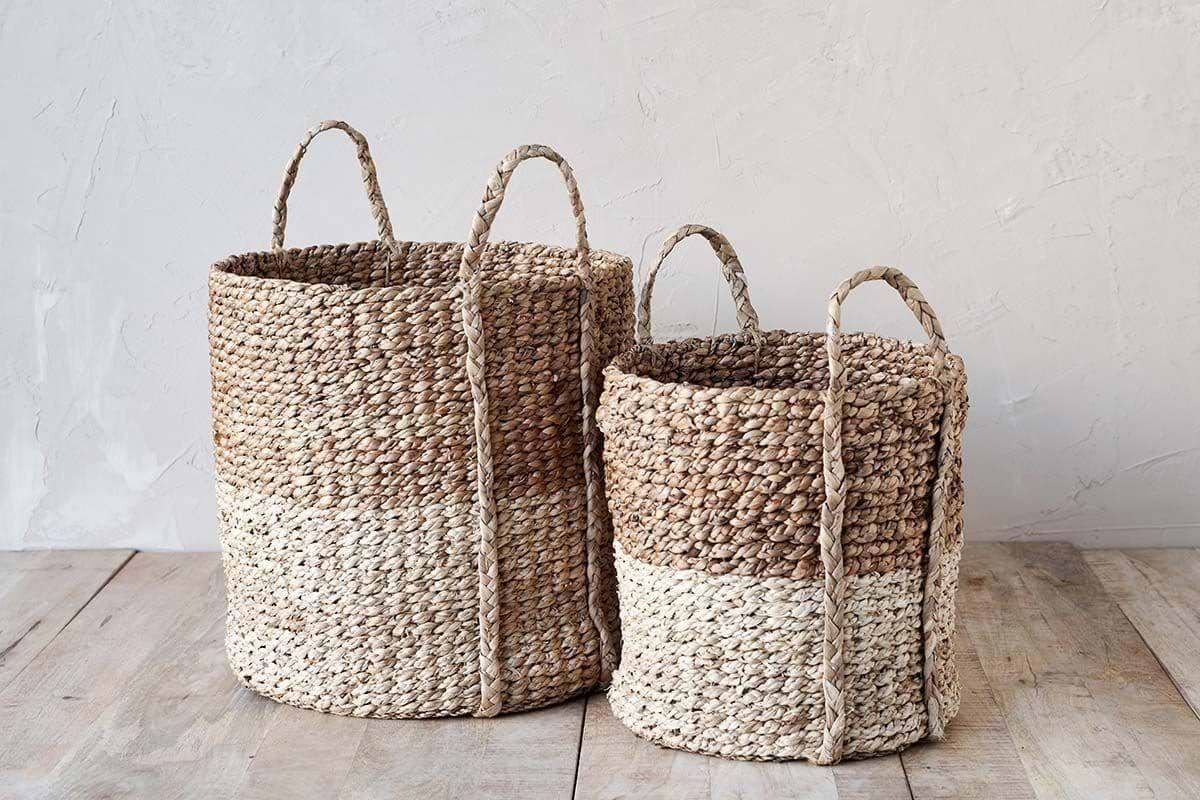
Nkomi Basket
Woven storage with a calm silhouette, works open or tucked under a console.
View at Nkuku →Some links above are affiliate links. If you buy through them we may earn a small commission at no extra cost to you. We only suggest pieces we think fit a calm, lived-in home.
Free guide
The Calm Shelf
12 styling ideas to help you compose calm, balanced shelves in natural texture homes.