
DIY fabric storage transforms open shelving with soft, functional containers that bring warmth and order to your home. Using simple cotton or linen to create bins, pouches and baskets hides everyday clutter whilst adding texture and visual calm to any room. This approach combines practical organisation with the personal, handmade quality that defines thoughtful home design.
Choosing fabric for storage is a way to bring softness and personal care into a room. Simple materials and honest design can transform even the most practical storage solutions.
The short version: Fabric storage brings gentle order and personal warmth to open shelving. It is a calm, simple solution that speaks to a careful approach to home organisation.

DIY Fabric Storage and Its Benefits
Cloth panels and hand-cut swatches serve a dual role. They bring texture and ease to your storage solutions.
The first step into using handmade fabric storage is choosing simple cotton or linen pieces that work well for bins and baskets. In one kitchen drawer, a folded fabric pouch holds daily tools. Using fabric storage sets a warm tone because soft materials anchor the space. The design feels approachable but distinguishes itself from anything mass produced.
A small shelf holding folded cloth bins creates a homey effect in a cluttered entryway. Every piece of fabric tells a story of care and attention. A delicate balance between form and function is reached when each container holds items with quiet precision. The choice of organic materials means each piece is unique yet blends into a calm, consistent look.
A thoughtful arrangement in a bedroom cabinet can hold soft accessories and loose items. The tactile quality of old linen panels against smooth surfaces creates depth in the visual layout. A simple adjustment in the way items are stored shows that handmade storage can be both practical and beautiful. This approach clearly softens the edges of a space that might otherwise feel cold.
Soft Storage DIY in Everyday Organising
A pre-stitched pouch of cotton holds your small essentials. Quick sewing repairs can make old fabrics new again.
Every day, a fabric storage solution keeps scattered items contained in family spaces. The use of soft pockets on open shelves helps hide clutter while still making items accessible. Working with friendly materials allows for simple repairs that celebrate imperfection. In one sitting room, a handmade pouch might store remote controls or mail with ease.
Using a soft storage diy method often makes routines smoother. A drawer lined with cloth draws attention by its quiet contrast to harder surfaces. Designed properly, fabric storage provides a gentle guide through daily clutter; using fabric items results in a space that feels balanced because the softness of the material calms a hectic day. A link to inspiration such as warm ambient lighting adds extra charm.
In small home offices, fabric pouches keep supplies close without overwhelming the desk. Colour-matched bins and boxes offer a discreet yet effective organisation method. A well-considered set of tools that includes fabric storage turns controlled chaos into a gentle cadence of daily tasks. This method shows a clear result—when styled with care, use of soft storage diy ups the room’s calm factor.
Open Shelving Organisation with a Personal Touch
Linen or cotton bags neatly hide small items. Mixing materials like wood and fabric creates a friendly balance.
Open shelving can look inviting when paired with small fabric bins. Floating shelves lined with soft pouches keep everyday items neatly tucked away. A minor addition of fabric storage illuminates a plain shelf. Using a light touch with the materials works best, as the human hand touches each item with care.
On a living room shelf, old fabric remnant boxes may house favourite books and trinkets. A careful designer will add a hint of colour through a vibrant fabric lining, yet still keep the shelf uncluttered. A cause and effect moment appears when an item feels securely stored because the fabric adds a cushion-like feel. The difference between a stark shelf and one that gently welcomes items is clear when subtle storage choices are used.
Small baskets on a shared shelf in a hallway hold keys and small mementos. The repaired fabric contrasts with the rigid lines of wooden shelves creating a modest but effective dialogue. The space feels soft while retaining functionality because each piece is placed with clear purpose. An additional thought is linking ideas with linen wall decor to play with texture and tone.
Calm Home Storage that Inspires Easy Living
A folded piece of cotton transforms storage needs. Simple fabric solutions stand out by adding softness.
A calm home storage approach uses gentle textiles to arrange everyday items purposefully. Fabric bins and pouches can be placed on open shelves to hide clutter. In a modest dining area, soft fabric storage offers a way to store napkins and placemats neatly. Using soft materials bridges the gap between style and function by letting visual quiet replace harsh lines.
One can see the benefits when a shelf holds a mix of lit fabric baskets and a few live green plants. The blend of textures promotes natural order because incorporating cloth elements leaves a lasting feel of gentleness. Even simple fabric boxes can hide mess and add charm in a studio apartment. This careful assembly produces a room that speaks softly of comfort.
For example, a neatly folded linen basket in a hallway can act as a catch-all for stray items. The harmony between hard furniture and soft containers contrasts gently yet effectively. A compelling detail appears when the storage system offers both aesthetics and function because the organised look calms the viewer instantly. Another thoughtful addition might be noting the look of wooden keepsake boxes to blend with fabric storage.

Where this works best
Recycled cotton and jute offer sturdy charm. Homes with diverse rooms benefit from a fabric solution.
Rooms like living spaces, small offices, or craft corners are ideal for DIY fabric storage. Large open shelves often challenge the eye with too many hard surfaces. Spaces which require both order and warmth can use fabric bins to hide everyday items while still looking welcoming. Using fabric storage in a place of work frequently leads to increased clarity because these pieces invite you to handle your items with intent.
Everyday application shows its worth in windowsills, sideboards, or cosy reading nooks. A basket in a sunlit corner might hold knitting materials or small piles of novels; a simple pouch on a shelf can keep loose change and letters neatly tucked away. When these elements work together, the home feels both lively and restful. The method stands out because soft details make a room balanced, promoting a natural flow.
Avoid choosing storage that looks heavy or out of place by using appropriately scaled fabric bags. A modern kitchen, a tidy entry hall, or even a small workspace flourish when soft storage ideas are put in place. The fabric bins create a sense of calm because their presence reduces visual clutter. A light alternative offers relief while the more rigid decor sits beside them.
Styling and placement
Handmade pouches and woven baskets match the gentle layout. Thoughtful placement on shelves keeps the room quiet.
Positioning your DIY fabric storage on an open shelf invites better organisation. A discreet fabric bag in a corner quietly holds keys and small items that might otherwise stand out. Arranging these pieces in line with other natural decor choices, such as a soft lamp or a handmade tray, creates a sense of unity. The shift in focus happens because careful placement allows each object room to breathe.
Quick calm checklist:
- Use natural materials that feel soft and lived in.
- Place baskets near everyday areas like doorways and desks.
- Align fabrics with modern items to avoid visual dissonance.
- Keep a limited colour scheme to ensure balance.
A tidy shelf near a reading area might feature a neatly maintained fabric box that holds remote controls. Every item is given a place so the visual flow remains consistent. The result is a room that welcomes you, yet maintains a distinct calm. A thoughtful touch might be connecting this idea with diy candle holders that add warmth to dim corners.
The proper arrangement softens the effect of clutter because each choice works together to maintain a low-key rhythm. Natural spacing between items softens any harsh interruptions yet invites the eye to survey the room with ease.
DIY Fabric Storage: Practical Steps for a Soft Home
Seamstitching and simple folding create smooth edges. A handy guide shows how to turn fabric into warm storage units.
Starting your diy fabric storage projects is a step-by-step process that brings art into everyday life. First, choose quality fabrics that match the room’s calm palette. A cosy shelf in the hallway may feature neatly folded fabric baskets for keys or loose letters. This hands-on approach brings personal effort into the home because the softness of the fabric has a way of inviting familiarity.
A few cutting and sewing sessions can turn scrap cotton into useful pouches. The colour of the fabric might complement stark furniture, yet the gentle texture prevents visual weight from overwhelming the space. Using diy fabric storage can improve everyday organisation because each handmade piece adds a personal touch. A tasteful internal detail is looking at a set of minimal table runners that echo the same soft design language.
Layering fabric storage units on open shelves shows clear advantages, especially in busy corners. A well-thought-out plan that includes location, size, and colour leads to a room that feels connected. When your diy fabric storage is arranged methodically, it creates a consistent rhythm because each item supports the overall ambience. In such an environment, each piece of fabric storage tells a story of care and subtle craftsmanship.
Solution Clarity: A clear design decision can shift your space by choosing a single focal point. Reducing the colour palette to a few warm tones and anchoring one key piece brings gentle balance.
At the moment when something in your room feels off, you pause to reassess the layout. You might find a shelf where the containers clutter the line or a fabric piece that does not quite match the room’s warmth.
A frequent mistake is overcrowding open spaces with too many storage solutions, which disrupts the calm flow. Too much visual clutter can make a room feel chaotic. A simple fabric solution not only contains items neatly but also lightens the overall tone. Save this idea for later.
What I’ve come to know about integrating fabric storage into a calm home
I have learned that choosing handmade storage solutions transforms a busy space into a quiet haven. The effort in sewing or mending these fabric pieces reminds me of simpler days, where every stitch mattered and every object had a place.
Over time, I have witnessed how small changes—a neatly folded pouch or a hand-stitched bag—can change the feel of an entire room. It is a personal journey that keeps me grounded and connected to the spaces I love.
— Mara
Common questions
What materials work best for fabric storage bins?
The first step into using handmade fabric storage is choosing simple cotton or linen pieces that work well for bins and baskets.
Can fabric storage be both practical and beautiful?
A simple adjustment in the way items are stored shows that handmade storage can be both practical and beautiful.
What’s the difference between fabric storage and traditional shelving?
The difference between a stark shelf and one that gently welcomes items is clear when subtle storage choices are used.
Explore more calm combinations inside our Shop The Look.
Shop the Look
Natural baskets that sit calmly on open shelving and hold soft textiles without fuss.
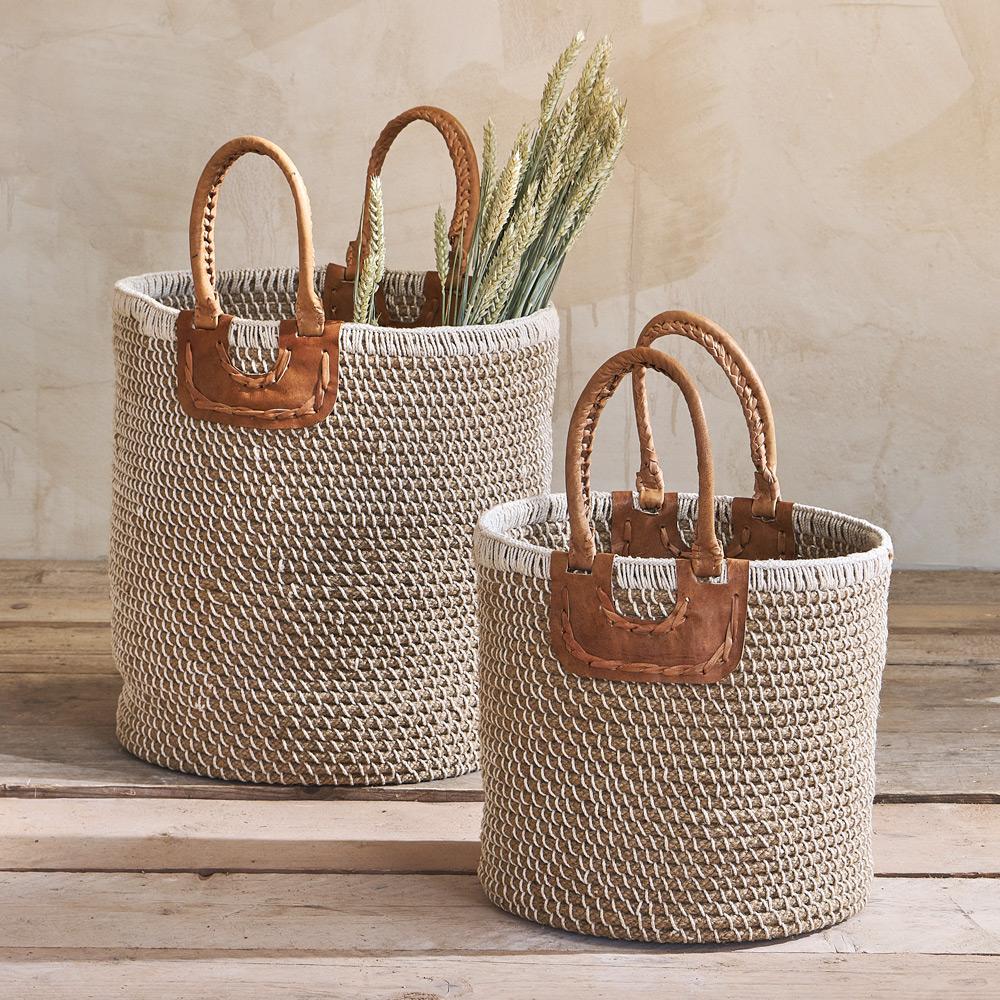
Indra Coil Basket
Natural coil weave — neat enough to leave out, large enough to hide clutter.
View at Nkuku →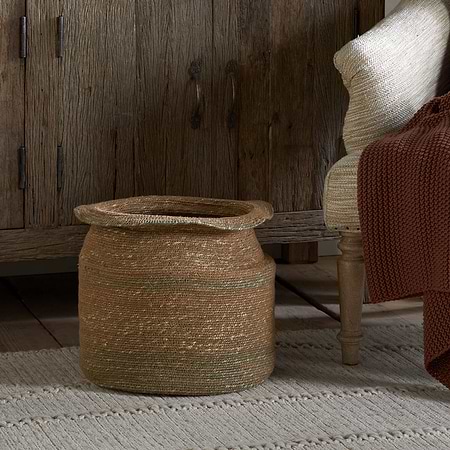
Some links above are affiliate links. If you buy through them we may earn a small commission at no extra cost to you. We only suggest pieces we think fit a calm, lived-in home.
Free guide
The Calm Leaf
12 quiet ways to bring dried botanicals, stems, and natural textures into calm spaces.