

Entryways and hallways collect clutter fast. Bags, shoes, jackets, nothing seems to land in the right place. Wall panelling with coat hooks can solve this, but mismatched hooks and bare walls often make homes look messier instead of neater.
Today, you’ll learn how to use panelling and hooks to make your entry calm and practical, not just pretty on Pinterest. This works especially well in a narrow hallway when storage is limited because a wall panel with integrated hooks keeps everything tidy, off the floor and easy to find.
The short version: Wall panelling with coat hooks helps solve hallway clutter, keeps coats off the floor, and looks deliberate instead of scattered. Panels create a solid anchor, make small spaces calmer, and turn entry storage into a design feature.
Key takeaways
- A wall panel with hooks gives coats a home and simplifies cleaning.
- MDF is budget-friendly, while birch wood is more durable and handles daily use better.
- Entry panelling works best when panels run the length of the open wall.
- Hooks are most secure when screwed into wood, not hollow plasterboard.
- Low-key paint or stain keeps the entryway lighter and easier to match.
- Why is wall panelling with coat hooks better than single hooks?
- Where this works best
- How do you choose between MDF, plywood, or birch for panelling?
- How to plan a panelled coat hook wall layout
- Step-by-step: installing your panelled coat hook wall
- Styling and placement
- What finish keeps coat hook walls looking good?

Why is wall panelling with coat hooks better than single hooks?
A wall panelling with coat hooks setup holds more weight and helps keep entryways tidy because it spreads load across a solid surface. Single hooks fade into clutter, but panelling looks built-in and helps keep storage contained.
Many hallways start with single coat hooks nailed into drywall, often at slightly different heights or positions. After a few months, coats sag, paint chips, and the wall looks busy or dented. The space feels unfinished.
Installing a purpose-built wall panel gives hooks a firm mount, so you’re not leaving marks or risking hooks pulling loose after a heavy bag. Unlike a set of hooks spaced on bare wall, the panel frames everything: coats, hats, keys, even dog leads. It sets storage in a tidy row and makes wiping down easier.
A panel with hooks distributes wear and is easier to repaint after scuffs than patching scattered holes. A row of pegs on a wood panel handles everyday use better and shows less random damage. In a busy entry, that’s a daily relief.
Compared to a row of hooks mounted alone, panelling makes the solution look planned, not pieced together. You get a cleaner entry even when the space is shared or small. For tighter homes, this is the difference between always feeling a bit off and finally getting clutter under control.
Where this works best
A panelled hook wall fits entryways, boot rooms or even inside open-plan kitchens needing one drop zone. Long, open walls with tight corners benefit most from the visual order a panel brings.
Shallow halls with nowhere to hide storage often become dumping grounds. Wall panelling with hooks suits these spots because it gathers coats, schoolbags and scarves in a single sweep. When the open stretch of wall runs beside the front door, a panel cuts chaos at the threshold.
In shared homes, one board panel with spaced hooks defines limits and saves arguments over clutter. For small apartments, going wall-mounted leaves floors clear for shoes or baskets. This works especially well for small entryway ideas where extra storage is tough to add.
Avoid thick, dark wood panels in windowless halls that already feel tight. A deep-toned wall adds visual weight and can shrink a narrow space. Lighter woods or painted panels hold up better where light is limited. Small flats do best with pale, low-profile panelling.
A coat hook wall in the right spot helps anyone rushing out the door. You spot your keys, see jackets at a glance, and the hallway stops feeling like an afterthought.
How do you choose between MDF, plywood, or birch for panelling?
MDF panelling is smooth and low cost, birch stays brighter over time, and plywood handles rough wear in family entryways. A coat hook wall works best when the material matches daily use and keeps hooks firmly anchored.
Most entryway panelling uses painted MDF because it’s affordable and easy to cut. It takes primer smoothly and hides nails well, ideal for rental-friendly or first DIY projects. Scratches sand out, but deep dents are harder to hide.
Birch wood panels, according to Micasia, are used for wall-mounted coat rack panels because they handle daily grabs and knocks without quick wear. Birch resists yellowing and works for both painted and natural finishes. Compared to lighter MDF, the grain shows through if left clear.
Plywood sits between the two: it’s affordable, sturdy, and easier to find in big sheets. Edges can splinter but are fine once sanded and painted. A birch wall panel with integrated hooks costs more up front but lasts longest in busy homes.
If your entry is a high-traffic zone with wet coats and heavy bags, birch is worth considering for long-term durability. For a first project or a changing rental, painted MDF keeps things simple and tidy.
How to plan a panelled coat hook wall layout
A coat hook wall layout works best when the panel runs the full length of the available wall and hooks are spaced far enough that coats do not overlap.
When you sketch out your panel, picture the space needed for coats to hang without stacking. In a typical entryway, spreading hooks in a neat row along the main wall keeps the view simple. Too many hooks too close together create tangled coats and lost space.
Start by marking where you enter and turn, where coats land first. Hooks spaced evenly about a spread palm apart (roughly 20 cm) usually fit adult coats and backpacks without crowding. Most floating shelves, for comparison, sit about 25 to 30 cm deep, so your panel should be shallow enough not to block movement but wide enough to anchor the hooks.
Wall panels for coat racks are available in different finishes, including white (see Micasia), and it’s smart to match your panel’s finish to the floor or skirting board so the look reads joined-up. Contrast a bright painted wall with a pale panel for a subtle break, rather than matching colours exactly.
A panel that’s too short or stops in the middle of the wall looks incomplete, compared to a board that runs the full visible length. Keep lines clear and avoid chop-and-change at corners.

Step-by-step: installing your panelled coat hook wall
Installing a panelled coat hook wall starts by fixing panels to studs or using hollow-wall anchors, then adding hooks once paint is dry. The right fixings keep panels secure and hooks sturdy.
For DIYers, mounting your panel begins with checking what’s behind the drywall. Studs give the strongest support: use a stud finder, mark your spots, and anchor the panel into solid wood. Entryways that have only plasterboard or no studs in reach need proper wall anchors rated for heavier loads.
The most common mistake is skipping pre-drilling or using short screws. A hook screwed into solid wood handles heavy coats better than one in drywall, which can easily pull out. Before painting, fill gaps at the panel edges for a finished look.
Choose solid hooks, like oak pegs or steel, that screw straight through the panel and into the wall behind, not just glued or nailed. For plasterboard, pick special anchors or toggle bolts and follow guidance at mounting on plasterboard.
| Material | Fixings Needed | Cost & Longevity |
|---|---|---|
| MDF | Standard screws & wall anchors | Lower cost, good for light use |
| Plywood | Wood screws, wall anchors | Low to mid cost, handles scuffs |
| Birch | Heavy-duty screws, plugs | Higher cost, strongest long-term |
Taking time to sand edges smooth before painting helps panels look neat and feels better to touch. Strong fixings save many headaches down the line, especially for families.
If you’re tackling a slat wall system, fix verticals first and then hang hooks with plenty of clearance for coats to fit between slats.
Styling and placement
Entryway wall panelling looks best when the palette is kept simple and hooks are placed at eye or elbow height, not scattered. Low-key colours and unvarnished wood stop the wall from feeling busy.
In a busy hallway, a row of matching hooks keeps the view clean even when in use. A simple oak peg or matte black hook comes forward against pale wood but doesn’t shout. Unlike a mix of different hooks, sticking to one shape and finish keeps the look settled.
Place your panel where it’s immediately useful, beside the door or at the natural dump zone. Hooks that sit too high go unused, while those too low disappear behind shoes and baskets. Compared to a shelf, hooks below shoulder height are easier for children to use as well.
For awkward corners, let the panel run into the turn but stop before it covers power points or vents. Tight stair zones benefit from a short board with only two or three hooks, while wide entries look better with evenly spaced sets.
Sparser panels suit open-plan living next to kitchens. Cluster too many hooks together, and the space looks crowded. Repeat one wood tone for both panel and hooks if you want near-invisible storage.
Quick calm checklist:
- Stick to two materials: one wood, one metal, or wood only.
- Choose a single, light colour for the panel to avoid heaviness.
- Keep spacing even, leave one coat’s width between each hook.
- Let the panel run to the edge or frame it to line up with the skirting.
- Use matte or eggshell paint for less glare and easier cleaning.
Entryways with styled yet functional panelling give you a buffer before the rest of the home. Order at the start helps keep the rest easier, room by room.
What finish keeps coat hook walls looking good?
A panelled coat hook wall holds up best with a tough, washable finish, matte or eggshell on painted panels, or a water-based wood sealant on bare timber. Tough paint or natural oil stops scuffs showing and is easy to clean.
Entryways are high-traffic spots, so grime builds up fast. For painted MDF or plywood, apply a primer before your top coat: this seals surface fibres and stops stains from sinking in. Pick eggshell over gloss, as it hides fingerprints and stays smooth after washing with mild soap.
Raw birch or oak boards want a water-based wood sealer. It protects the grain while keeping the natural look. Oil finishes work well too, but can yellow over time. According to Micasia, birch panels keep their light colour best with clear sealants.
At the corners and hook mounts, extra coats of paint or sealant stop marks from heavy bags. Compared to bare MDF, finished panels are quicker to wipe clean if mud or rain comes in on coats and boots.
Most finishes dry to the touch within an hour, making it possible to start and finish a panelled wall in a weekend. A quick sanding between coats smooths bumps. This step alone keeps new walls feeling solid and fresh after months of use.
Try to match or gently contrast the entry’s main wall colour. A bold difference can frame the panel, while a subtle shift blends it in.
Most homes reach a decision moment after living with hooks scattered on bare walls. The coats slowly add up, marks spread, and you realise the space never quite feels calm or finished.
Choosing a single panel as your focus, limiting colour, and spacing hooks thoughtfully transforms an entryway from a muddle to a clear, steady routine.
Too often, homes fall into the trap of slapping hooks wherever there’s drywall, ignoring what’s behind or how it groups with other storage. This can make entryways look uneven, with heavy clusters and empty spots. Most people miss that hooks without a solid anchor will loosen or chip the wall, creating a constant cycle of patching.
A dedicated panel with the right fixings straightens out the routine and protects the wall surface for years.
Save this idea for later.
What stays reliable with panelling and coat hooks
Over time, panels with hooks stand up better than almost any single-hook setup. Most reviewers highlight how much easier it is to repaint or replace a whole panel if needed, rather than repairing scattered screw holes.
Decorators repeatedly point out that matte finishes get recommended for entryways near windows, since they reflect less light but still look tidy even after daily grabs. Material matters: birch, especially, avoids the swelling and dents that often come with painted MDF in busy homes. A single run of solid panelling with simple hooks stays useful longer than any basket or over-door rack.
Mara, Loom & Glow
Common questions
How do you attach coat hooks to wooden wall panelling?
Attach coat hooks by screwing them directly through the panel and into the wall behind, into studs or wall plugs for security. Using screws long enough to bite both the panel and the wall gives better support. Short screws risk loosening or damaging the panel after repeated use.
What is the best material for a DIY panelled coat hook wall?
The best material for a DIY coat hook wall is either painted MDF for smooth, low-cost panels or birch wood for strength and durability. Use birch if the wall sees heavy use or needs a lasting natural finish. Plywood is a good compromise if working to a budget.
How much weight can a panelled wall with hooks hold?
A well-fixed panelled wall with solid wood hooks can hold heavy coats, bags, and hats, often more than a dozen kilograms if fixed to studs. The final weight depends on the fixings and wall type, so always use strong hardware and check wall anchors for maximum capacity.
Can you add panelling with hooks to a plasterboard wall?
You can add panelling with hooks to a plasterboard wall by using heavy-duty wall anchors or toggle bolts if studs are unavailable. This spreads the load more evenly and protects the plaster from cracking. Follow the guidance at mounting on plasterboard for safe installation.
Explore more calm combinations inside our Shop The Look .
Shop the Look
A few Nkuku pieces that suit a narrow, hardworking entryway.
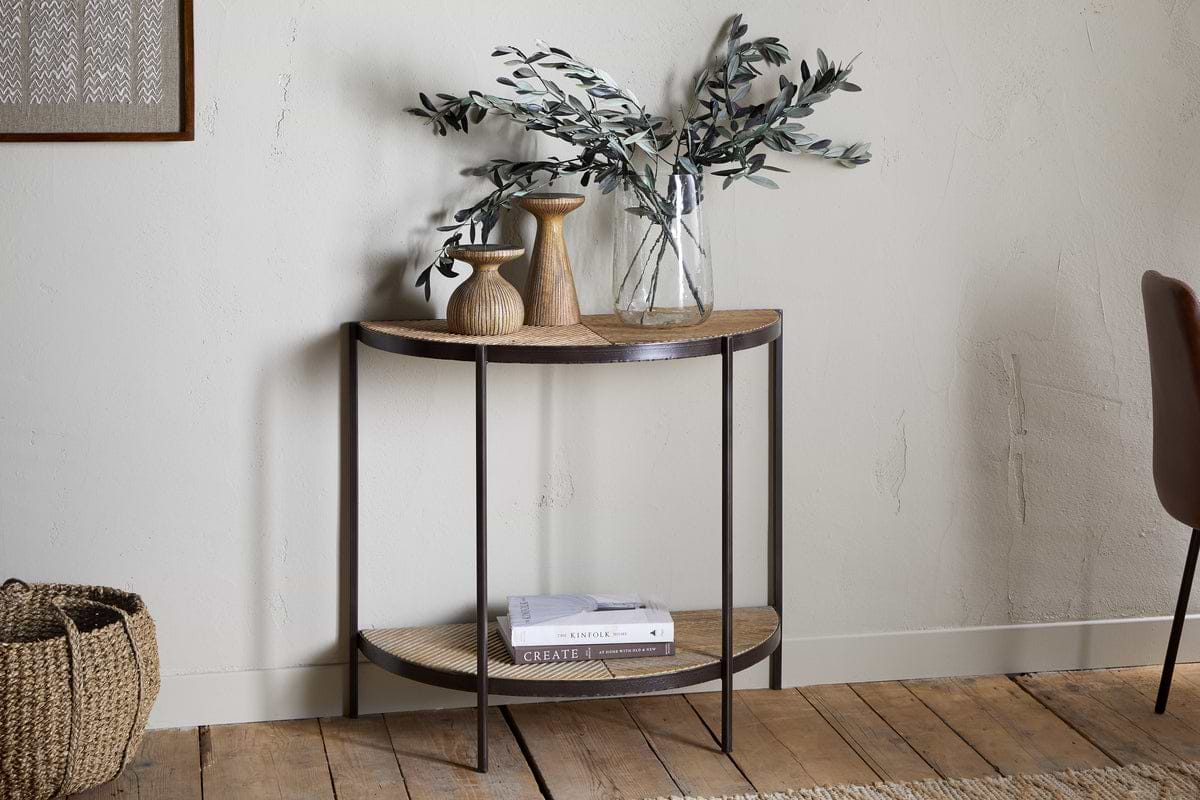
Aasha Console Table
Half-moon silhouette in mango wood; anchors entryways and narrow walls.
View at Nkuku →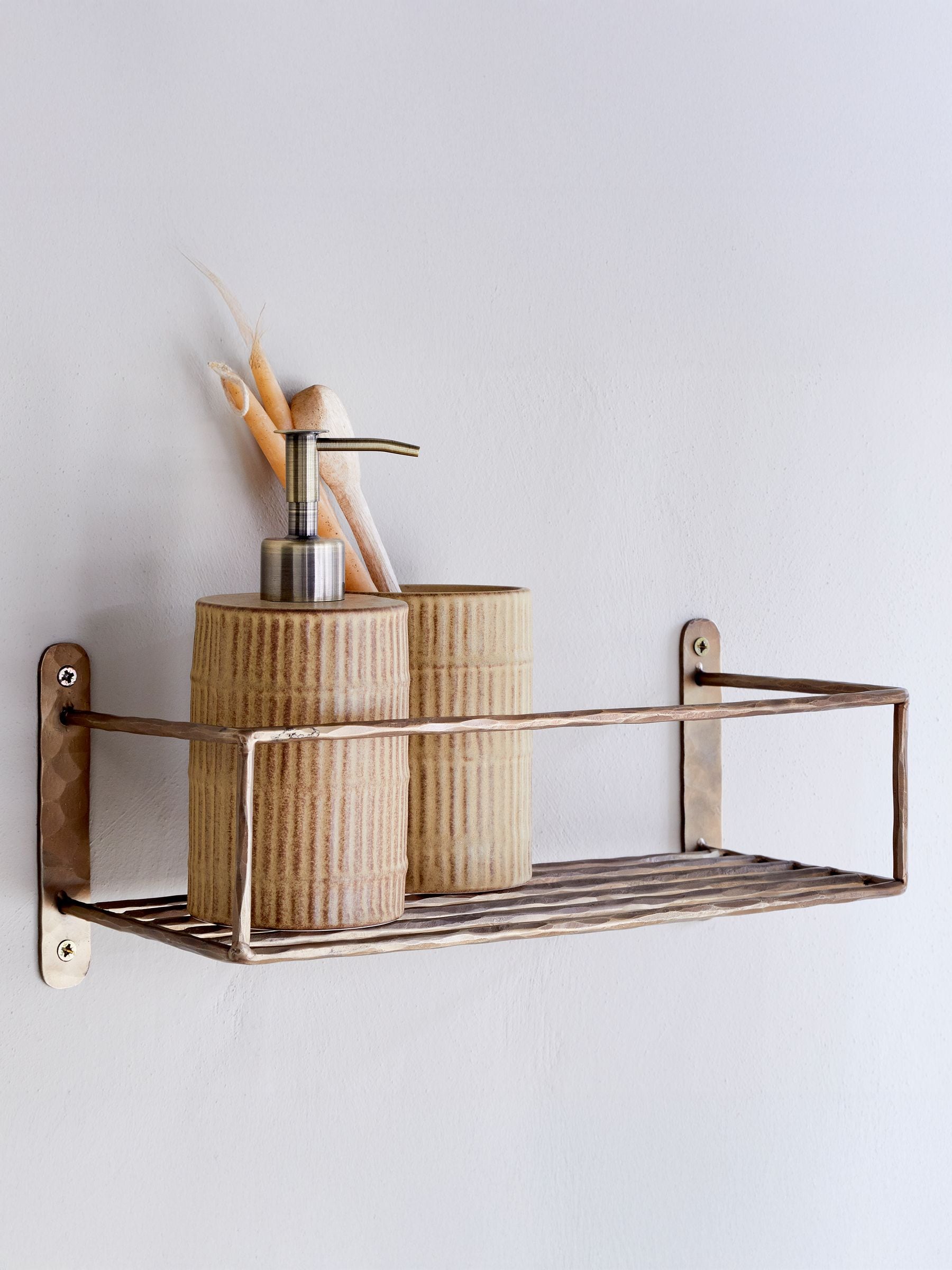
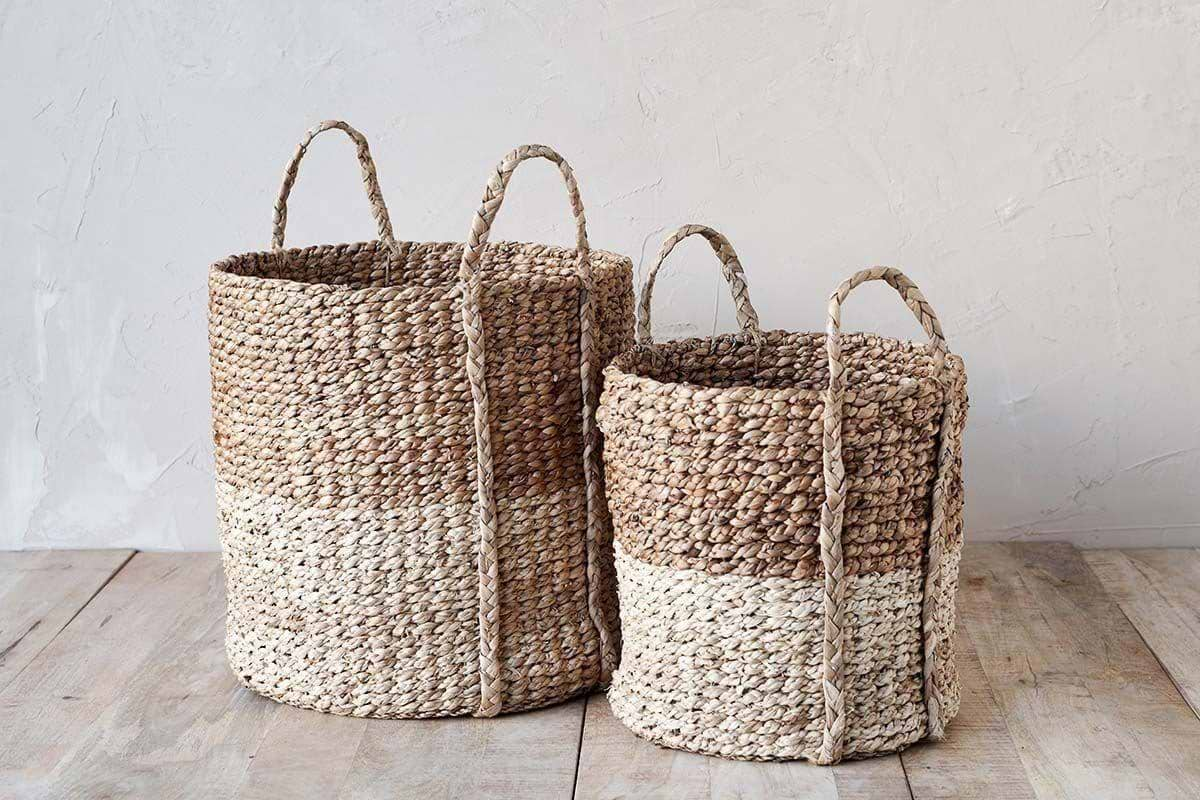
Nkomi Basket
Woven storage with a calm silhouette, works open or tucked under a console.
View at Nkuku →Some links above are affiliate links. If you buy through them we may earn a small commission at no extra cost to you. We only suggest pieces we think fit a calm, lived-in home.
Free guide
The Calm Shelf
12 styling ideas to help you compose calm, balanced shelves in natural texture homes.