

For many, modern living room wall decor ideas start as a search for calm but hit a wall, literally. Heavy shelves, mismatched frames, and leftover art crowd the space or leave it looking sparse. Rental restrictions, awkward lighting and open-plan layouts only make these decisions harder.
This guide focuses on what to keep, what to pare back, and which materials suit a room used day and night. You’ll learn to pick one main feature, layer softly, and step away from “more is better.” This works especially well in a small apartment when the walls feel tight because one strong choice stops the room from feeling busy.
The short version: The best modern living room wall decor ideas focus on one or two large, well-placed pieces in natural finishes for a calming look. Subtle shelves and textured materials make a tight or awkward room feel lighter and more finished without crowding the eye.
Key takeaways
- A single oversized artwork creates a natural focal point and cuts the visual noise in busy living rooms.
- Using wall-mounted shelves and planters brings storage and display space without needing bulky cabinets.
- Mirrors placed opposite windows help reflect natural light and make small rooms feel wider, according to Fugenstone.
- Wooden slats and textured panels can quiet echo and add depth to plain rental walls.
- Hanging textile art softens blank walls and adds warmth without heavy frames.

Why start with one focal point rather than a gallery wall?
A single focal point on the main living room wall simplifies the view and helps the rest of the room feel orderly. Choosing one large artwork or feature panel avoids the scattered look of many small frames.
A busy gallery wall with lots of small frames can look lively in a hallway, but in the living room it often feels restless. With large sofas, TV units and toys or books, adding many frames adds more movement where you need less. If you live in a rental, small holes everywhere also create stress by move-out time.
One oversized art piece or a single bold material quietly stakes out the wall without visual noise. The eye lands on that anchor, making the rest of the space feel less hectic. Unlike a patchwork gallery, your attention is gently directed, not split.
Some homes use a gallery wall to disguise awkward shapes, but it’s easy to lose track of spacing. A single square or rectangle is a classic, safe choice for living room wall art, according to Elephant Stock. This works for narrow rooms and open plans, too. Place the artwork behind the main seating or above a sideboard; it sets the balance without much fuss.
A gallery wall pulls the eye to every corner. A large centred feature grounds the space. Start with less and add one low shelf or basket if you want more texture later.
Oversized single art: the quiet statement
One oversized artwork or photo draws focus and makes the wall look calm rather than empty. Go larger than you think, most rooms can handle a single piece as wide as the sofa or sideboard below it.
In almost every living room, blank walls seem tempting for a cluster of prints or family photos. But choosing one big statement, whether an abstract canvas, a linen-mounted photo, or a soft pastel landscape, removes the impulse to fill gaps. The room feels more restful, especially at the end of the day.
If sunlight hits the wall, try lightweight frames or even a stretched textile for less glare. Unlike several shiny glass frames, matte finishes won’t catch the light as harshly. Lighting ideas can give a subtle glow to the piece in the evening, rather than fighting for attention with multiple spots.
Compared to lots of small pieces, one oversized work needs no explanation. Place it right above the sofa or the shared seating zone. Double-check the lower edge so it sits just above where your back rests, too high, and the wall will feel off-balance.
How do you use textiles to soften a living room wall?
Textile wall art, such as tapestries or wall rugs, adds depth and texture to a living room wall without making it heavy. Natural fibres help soften hard edges and lessen echo in open spaces.
Hard surfaces like painted plaster or drywall reflect noise and can make conversations harsh, especially in rooms with big windows or high ceilings. Hanging a cotton tapestry, a simple wall rug, or even a neutral macrame piece soaks up sound and brings gentle shadow lines to the wall. In rentals, you can mount textiles with removable strips, keeping the landlord happy.
Textiles act differently from canvas art. A rug with thick weave shows real depth when side-lit, where a flat tapestry gives a matte finish that fits tighter spaces. Instead of framed woven art, leave the edges free to showcase the texture and fringe, which stops the display from feeling rigid.
Choosing natural colours and fibres helps the space stay calm. A brightly coloured hanging can overtake a neutral room, while a soft beige or muted blue blends with simple sofas and curtains. Hang textiles on the main blank wall or beside a window for the best effect.
Where this works best
Modern living room wall decor ideas are especially helpful in rooms with open plans, low or uneven light, or tricky corners. Start by reading the wall’s shape and what the space needs.
Living rooms that double as workspaces or play areas benefit from less clutter on the walls. If the windows sit high, you may notice the lower half of the wall feels empty, or that shadows make artwork look dull. Using a large canvas or a textured panel instead of multiple frames keeps the view tidy, even with toys or work papers in sight.
In apartment living, small rooms or combined kitchen-lounges tend to feel crowded if you try to hang too much. A single bold piece, like a vertical slatted panel or an oversized textile, anchors the space and gives the eye a place to rest.
Avoid matching every accessory to the wall art. If the sofa’s pattern or the rug is already strong, too many wall touches overwhelm. Light woods, linen hangings and float-mounted shelves work best in these busier settings. Place the feature on the broadest uninterrupted wall or above storage to connect the look.

How do you place and size a living room mirror?
Mirrors work best in living rooms when placed to reflect light rather than faces. Choose a clean-lined mirror and set it opposite a window or low lamp for a wider, lighter feel.
Many living rooms feel dark or flat, especially when a window faces a wall with little to see. Adding a large mirror brings in soft daylight and helps the whole space read larger. According to Fugenstone, mirror living room wall ideas can make tight spaces feel open and fresh, but only if you avoid crowding them with extra objects.
Unlike a busy gallery or wall shelf, a mirror always doubles what’s in front of it. Placing it above a messy TV stand or facing shelving can unintentionally highlight clutter. Always angle the glass to pick up a calm view, plain curtain, green plant, or empty sofa, never stacks of baskets or toys.
Choose a frame that matches the scale of the wall but keeps lines slim. A heavy gold or black border works in large rooms, while a simple timber edge looks better in small apartments. Hang the centre at about standing eye level to avoid odd light reflections.
| Mirror Shape | Best Use | Works For |
|---|---|---|
| Rectangular | Above sofas or sideboards | Open-plan, tall ceilings |
| Round | Opposite windows | Small rooms |
| Arch/Organic | Accent corner | Rental-friendly |
For a more creative use, large mirrors work well in the dining end of a combined kitchen-living space, bouncing natural light across the area.
Styling and placement
The calmest living room walls use simple spacing, natural finishes, and repeated shapes or textures. Focus on balance between what’s displayed and what’s left clear.
Unstyled walls often come from hanging too much art too close together, or stacking shelves with mismatched storage. Start with a single main feature, whether that’s art, a textile or a mirror, and then add one or two small objects for texture, such as a living room shelf with clay pots or a woven basket for remotes.
Quick calm checklist:
- Stick to 2 or 3 wall items per main wall (art, shelf, textile, or mirror).
- Choose matte finishes and solid woods instead of shiny glass or metal.
- Keep wall colours soft (off-white, beige, mute grey or sage green).
- Leave enough space between pieces, at least the width of a hand.
- Repeat one texture (like linen or oak) in at least two different ways.
A bare shelf reads colder than one with a single woven basket or green trailing plant. Open floating shelves should never run wall to wall; stop short to give breathing room. Unlike full walls of framed art, pairing a soft sconce and low plant planter keeps the eye moving gently through the room.
To finish, anchor the main feature slightly off-centre if needed, especially in shared or open-plan layouts. If the room serves two uses, keep the busiest side clear and use low display on the quieter side. For renters, removable hooks or ledges avoid marks while still supporting textiles or art.
Wall shelves, panelling and texture: what matters most?
Wall-mounted shelves and panels work best when used sparingly and with natural finishes to stop the living room looking busy. Mixing one sculptural shelf with a wooden slat or 3D panel builds depth without clutter.
Shelves offer display and storage but can quickly tip into chaos if overloaded. The best rule is to keep about two-thirds of a wall shelf clear, using only a few pieces for weight. Place books stacked flat, add a stone bowl or a soft candle, and leave the rest open for calm. For more ideas, see wall-mounted shelves.
Wooden slats and panelling in oak or walnut bring warmth, soften sound and block echo, according to Fugenstone. Vertical slats, in particular, work well on feature walls behind sofas or TVs. 3D wall panels create moving shadows in soft lamp light, keeping the room from feeling flat even late at night.
Unlike open shelving, solid panelling is easy to keep clean, with no fiddly edges or dust traps. Compared to bare painted drywall, it feels both warmer and more substantial. To avoid the room feeling heavy, use a lighter wood stain or painted finish and stop short of every corner.
If you want green without the mess, wall planters or trailing plants in simple white or clay holders bring life to empty patches, just one or two per wall is enough to balance the feel.
What lasts and actually works for living room walls
After studying hundreds of rooms and reader messages, the patterns that last are always the simplest. Single large artworks, loose-woven textiles, and matched wood panelling draw the most compliments and fit more types of homes than any fixed gallery or painted mural. Reviewers point out that soft, matte finishes suit shared rooms better because they show fewer smudges and distract less in everyday use.
Decorators nearly always suggest leaving part of any main wall empty, especially above or beside the most-used seat. That bit of blank space does as much to calm a room as the wall art itself. No trend comes up as often as natural materials, linen, soft oak, and simple ceramics, because they still look good with new cushions or another coat of paint next year.
Mara, Loom & Glow
Common questions
How do you decorate a large living room wall?
The best way to decorate a large living room wall is to use one oversized artwork or a combination of a big mirror and a minimal shelf. This keeps the space from feeling too full while creating a focal zone. Soft textures and repeated colours help the wall feel finished in a large open plan.
How big should art be above a sofa?
Artwork above a sofa should cover at least half to two-thirds the width of the seating below it. This proportion keeps the wall from looking undersized or busy. Choosing a single, bold piece makes spacing easy and avoids the clutter of many small frames.
Is one large piece better than a gallery wall?
One large piece is usually calmer and more confident than a gallery wall, especially in busy or small living rooms. Large art draws the eye and anchors soft furniture. Gallery walls can work if arranged with wide gaps and matching frames, but are harder to keep tidy over time.
How do you add texture to a plain living room wall?
Texture can be added to a living room wall with wall-mounted shelves, textile hangings, wooden slats, or 3D wall panels. Matte finishes, fibre art, and open shelving give depth without feeling cluttered. For renters, try removable textured panels or linen wall hangings for an easy update.
Explore more calm combinations inside our Shop The Look .
Shop the Look
A few Nkuku pieces that add quiet texture to a curated living room wall.
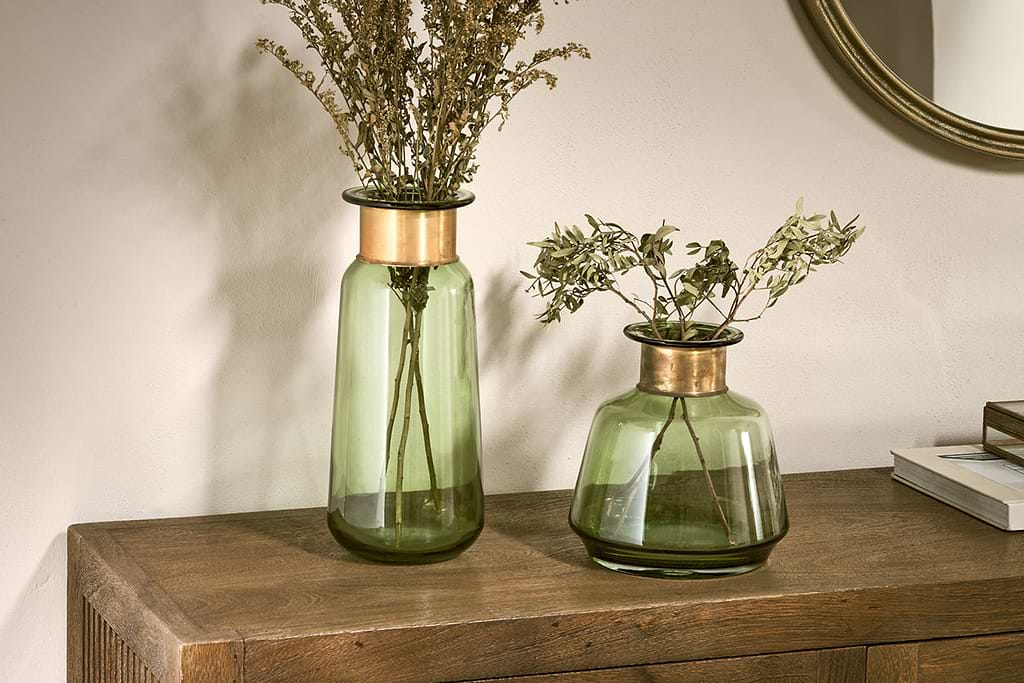
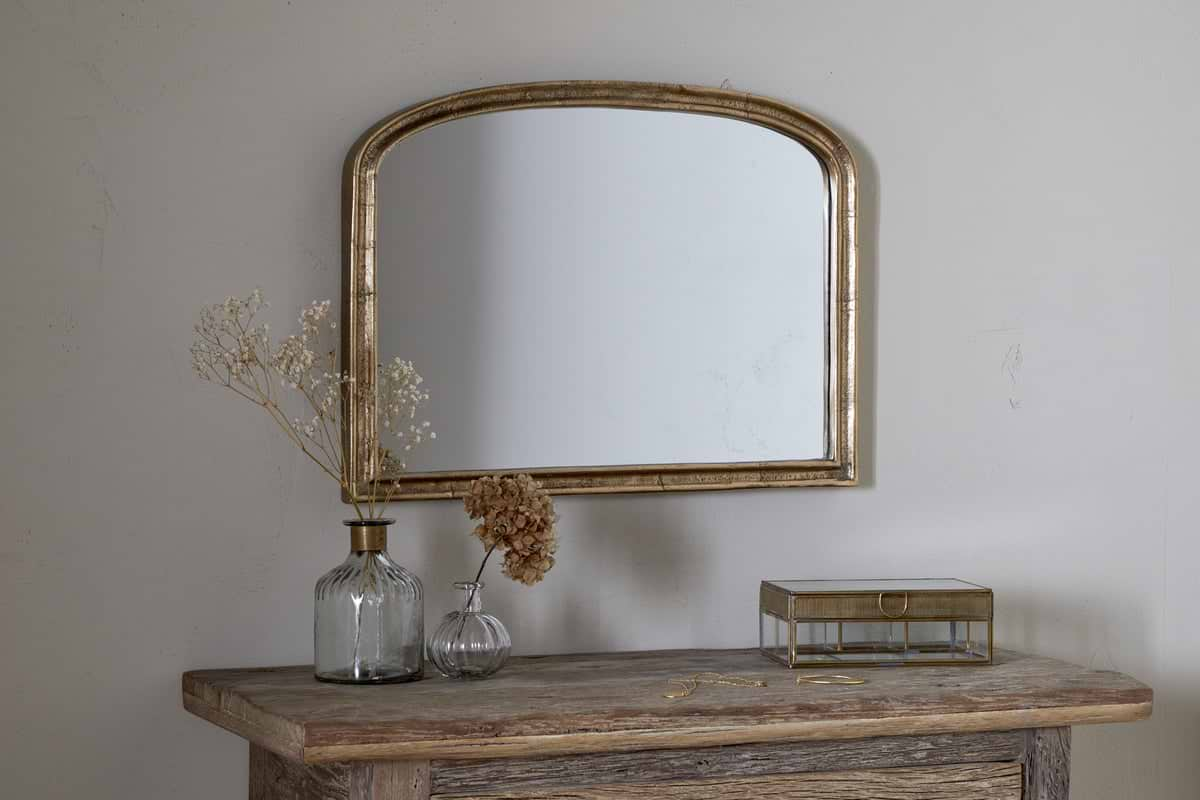
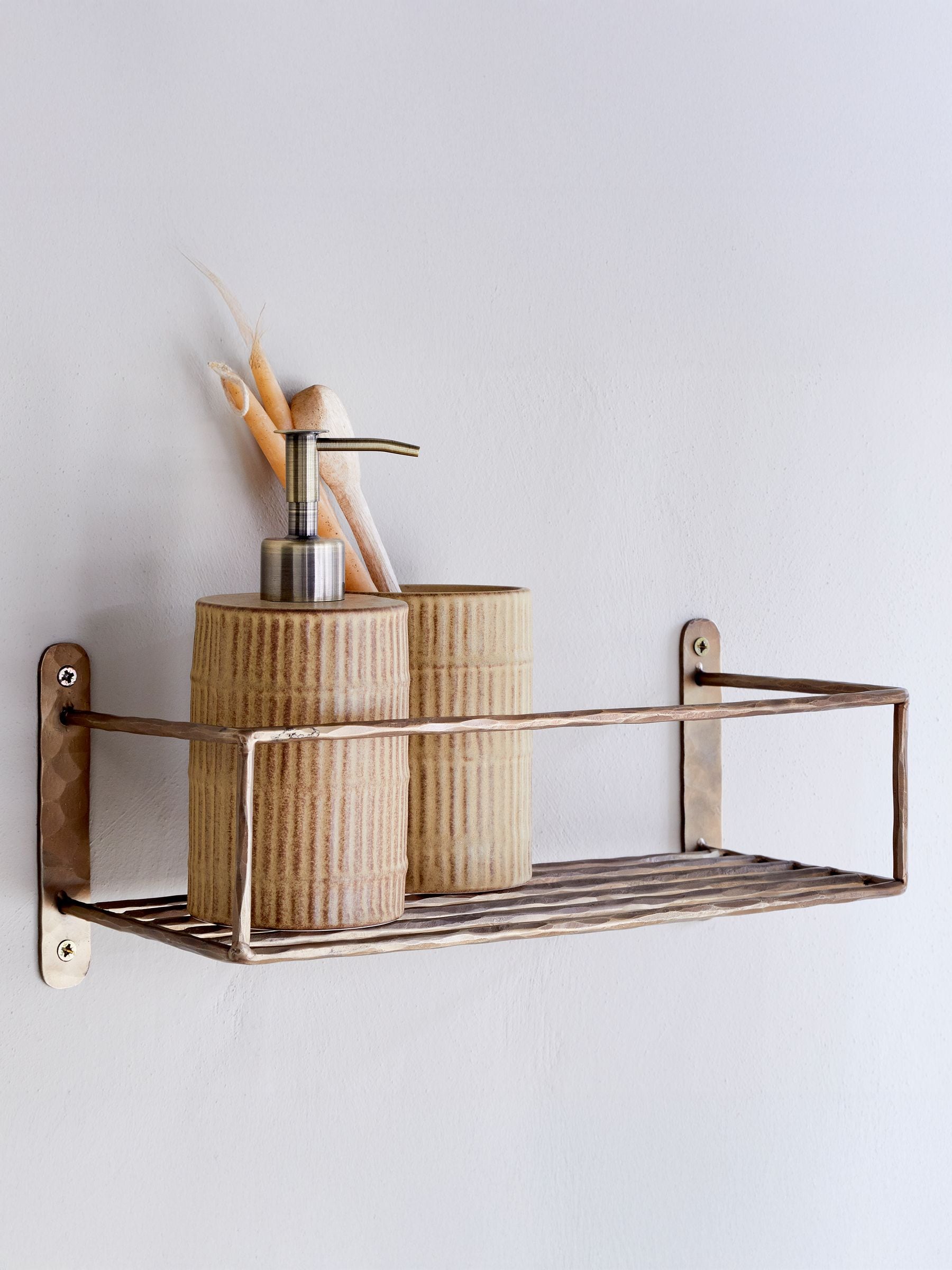
Some links above are affiliate links. If you buy through them we may earn a small commission at no extra cost to you. We only suggest pieces we think fit a calm, lived-in home.
Free guide
The Calm Shelf
12 styling ideas to help you compose calm, balanced shelves in natural texture homes.