

Many living room wall mounted shelves look promising at first, but quickly turn cluttered or uneven once everyday things go up. Small spaces feel even busier if shelves are packed with mismatched objects or if the shelf run isn’t anchored by a calm arrangement.
There’s a plain fix: clear a few items, rethink how each thing sits, and use one or two simple principles. By the end of today, you can pick the one best wall, choose what to keep, and style the shelf so the room feels less crowded. This works especially well in a small living room with awkward corners because it lets you add storage or display without taking up any valuable floor space.
The short version: Most living room wall mounted shelves look calm when you simplify what goes on display and anchor the arrangement with one weight or color. Choose a single shelf or small group, stick to three main materials, and leave open space, for shelves that look designed, not stuffed.
Key takeaways
- A living room wall mounted shelf groups better when you show two-thirds storage and one-third clear space.
- The most uncluttered effect comes from repeating one wood tone or neutral all the way along the shelves.
- Wall shelves look less busy when you anchor one display shelf under a single picture or above a main sofa.
- Choosing a mix of wood, metal, and natural fibers gives calm contrast without too many textures competing.
- Most stores offer wall shelf widths from short to long; IKEA spans from 30 to 190 cm widths.

Where this works best
Living room wall mounted shelves work best on plain walls, above sofas, or in corners where floor space is tight and every object left out is noticed.
In a small apartment or a living room with narrow walls, floating shelves and picture ledges give display space without blocking movement. Empty corners or the area over a low radiator can take a short run of shelves for books or baskets. Shelves attached close to eye level suit open-plan rooms, letting you see a display without breaking up the sight lines.
Adding shelves works for storing chargers, candles, or a row of paperbacks, but works only if you don’t pack every inch. If every shelf is filled side-to-side, the whole display looks busy and even a neat row of books can read as clutter. Instead of grabbing every available shelf, try restricting storage to one wall and let the rest stay clear.
Avoid using living room wall mounted shelves above doorways in very dark rooms. This spot casts shadows and drags the ceiling line down. Unlike shelves placed above a wide sofa, door-top shelves rarely balance the room or show objects clearly. Instead, pick a stretch of wall where shelves can sit at a natural sight level.
How do you keep shelves from looking cluttered?
Shelves look cluttered when every inch is full and too many colors or small objects fight for attention. Keep only a few pieces and repeat shapes or textures for a quieter look.
If a shelf fills up with odd mugs, tangled chargers, and jars, the line from left to right will look bumpy and broken. Stacking too many tiny items also makes any narrow shelf feel chaotic. Unlike a bare shelf, which can feel cold, too many things create a sense of mess, no matter how beautiful the objects.
Removing half the small objects and leaving two or three items grouped by shape or type brings relief. One flat bowl, a few books, and one upright vase spaced apart create a clear rhythm along the shelf without pulling the eye in too many directions. According to IKEA’s range, most shelves come in either short or long runs, choose only enough shelf length to fit the essentials, and edit what lives there.
A wall shelf works best when each section contains only one or two objects in a group, with breathing room between. Try this over a sideboard or mounted above a reading chair, letting the shelf itself stand out as much as the things on top.
Rule: How much space should stay empty?
Most designers leave about one-third of every shelf empty, which keeps the line open and lets each object stand out; crowded shelves look smaller and heavier.
In a living room with wall mounted shelves, empty space works like a pause. It gives the whole arrangement room to breathe, making the display feel light. Shelves packed to both ends, not allowing for gaps, pull the shelf line downward and bulk up the visual weight, so the room feels lower and more crowded.
Unlike a packed bookshelf, a display shelf with clear space around a vase or stack of books draws your eye naturally to the few pieces that matter. You can usually spot magazines or blogs that shoot cluttered shelf photos, there’s no rest for the eye and nowhere for light to bounce. When the empty gaps appear, shadows lift and the room reads bigger.
For floating shelves above a sofa, most decorators recommend leaving the ends clear of objects, so the shelf line doesn’t look like a fence. This small shift changes the daily view, and you’ll find dusting much faster, too.
Styling and placement
A shelf looks best when each item sits with clear space, lower pieces near the outside edges and taller objects closer to the center or wall support.
Shelves in living rooms quickly pick up clutter if chargers, keys, or slippers get dumped where guests can see them. Picking one shelf as a display anchor, usually right above the sofa or beside a sideboard, gives a natural focal point and helps keep those random items away from main sightlines.
Unlike display cabinets, wall shelves show dust, fingerprints, and scribbled labels, so lean toward pieces you actually use, an honest terracotta pot, a favorite bowl, or a small tray for change. Compared to a bare shelf, a shelf holding only stoneware and closed baskets softens the view and keeps daily messes out of sight.
Quick calm checklist:
- Stick to natural materials, wood, rattan, ceramic, linen-lined baskets.
- Keep at least one-third of every shelf empty at all times.
- Pick a quiet color palette (one wood tone, one light neutral, maybe one black accent).
- Balance the tallest object close to a support or anchor point, not on the far edge.
- Limit visible cords and packaging; use a basket or closed box for loose items.
For more ideas, see how to style open shelves in living room.

What is the best palette for a calm wall shelf?
A shelf palette looks calmest with one main wood tone, one light neutral, and a third subtle accent like clay or black metal; too many colors or finishes feel scattered.
Choosing materials matters, a shelf styled with all white ceramics and pale oak keeps the look soft, and is easier to mix than dark painted MDF, shiny steel, and colored glass together. When only one wood or metal repeats, the whole wall looks steadier and less busy.
The three-material palette is a classic for a reason: wood for warmth, neutral stone or linen for softness, and an accent like matte black metal to ground the shelf line. According to Next, options range from oak effect to gold finishes, but the quietest looks use no more than three materials at once.
For a lived-in living room, keeping to these few honest textures, unfinished oak, natural wicker, or a soft cotton runner, means the shelf never looks too dressed up or too rough. Check decorative wall shelves for palette pairings that work in real homes.
Do heavy or light things go on top?
Heavier items, like books or baskets, anchor the bottom shelves, while lighter objects and small plants go on top shelves for a less top-heavy appearance.
Wall shelf units in a living room handle daily use better if the weight sits closer to the bottom. Books and storage boxes make sense below, with a photo frame, light bowl, or a few stems in a bud vase up above. This follows the “heavy objects down, light objects up” guideline, which keeps the whole shelf run from feeling wobbly or about to tip.
Unlike a tall stack of books placed high, which looks like it might topple, a setup with the denser objects below and airier items above keeps the room settled and safe. This idea ties back to architecture, big base, small peak. Some floating shelves made for display have a lower load capacity, so always check manufacturer advice first.
For rooms with kids or frequent guests, heavier items at lower levels also make things both safer and easier to reach. Try placing the largest basket on the bottom shelf, with the lightest vase above, repeating the pattern on every unit.
Which living room shelf layouts actually work?
Five classic layouts for wall shelves in living rooms: one statement shelf, the asymmetrical pair, the staggered trio, the corner unit, and the low, long run behind a sofa.
The single statement shelf sits just above a sofa, running about two-thirds to three-quarters of the sofa length. This layout brings focus and keeps the weight of the display where the eye already lands. A picture ledge is another good option, less deep and easy to swap out framed photos or art.
The asymmetrical pair works for walls flanking a window or doorway. Stagger one shelf higher than the other, varying the spacing so the whole wall run does not compete for symmetry with the fixtures in the room. The staggered trio suits tall, narrow walls, letting you fit short floating shelves one above the other with about the same gap between. Try mixing a closed basket on the bottom shelf, books in the middle, and a lighter object on top.
Corner shelf units save otherwise dead space, especially near entryways or behind a TV unit. Unlike straight shelf runs that can crowd a whole wall, corners can take layered shelving without making the room feel chopped up. For very small living rooms, the low, long run placed behind a sofa works for both storage and display without raising the eye line.
| Shelf Arrangement | Best Spot | Common Use |
|---|---|---|
| Single statement shelf | Above sofa | Display art, books, plants |
| Asymmetrical pair | Both sides of doorway | Frame photos, small sculpture |
| Staggered trio | Tall, narrow wall | Mix books, baskets, vases |
| Corner shelf | Unused corner | Baskets, lightweight decor |
| Low, long run | Behind sofa | Books, lamp, display objects |
For more layout visuals, browse cozy living room ideas where low and corner shelves show up in everyday spaces.
What tends to hold up with styling living room wall mounted shelves
Looking over many real rooms, shelves that feel calm nearly always use one anchoring idea, a consistent wood tone, a neutral color, or a single group of similar objects, spaced clearly. Reviewers and decorators both mention how quickly open shelving starts to feel messy if every new item gets added without editing.
One thing that comes up again and again: shelves near windows or in brighter rooms benefit from matte, low-gloss finishes, as gloss can glare and highlight dust. Closed baskets and soft fabrics hold up well to everyday use, hiding loose items better than trays or jars. The best shelf setups are rarely about the number of shelves or how they’re bracketed, but about what gets left out and how much breathing space is designed in from the start.
, Mara, Loom & Glow
Common questions
How do you keep living room wall mounted shelves from looking cluttered?
Shelves look cluttered when every inch is full and too many colours or small objects fight for attention. Keep only a few pieces and repeat shapes or textures for a quieter look. If a shelf fill up with odd mugs, tangled chargers, and jars, the line from left to right will look bumpy and broken.
How much space should stay empty on living room wall mounted shelves?
Most designers leave about one-third of every shelf empty, which keeps the line open and lets each object stand out; crowded shelves look smaller and heavier.
What is the best palette for a calm wall shelf?
The most uncluttered effect comes from repeating one wood tone or neutral all the way along the shelves.
Where do living room wall mounted shelves work best?
Living room wall mounted shelves work best on plain walls, above sofas, or in corners where floor space is tight and every object left out is noticed.
Explore more calm combinations inside our Shop The Look .
Shop the Look
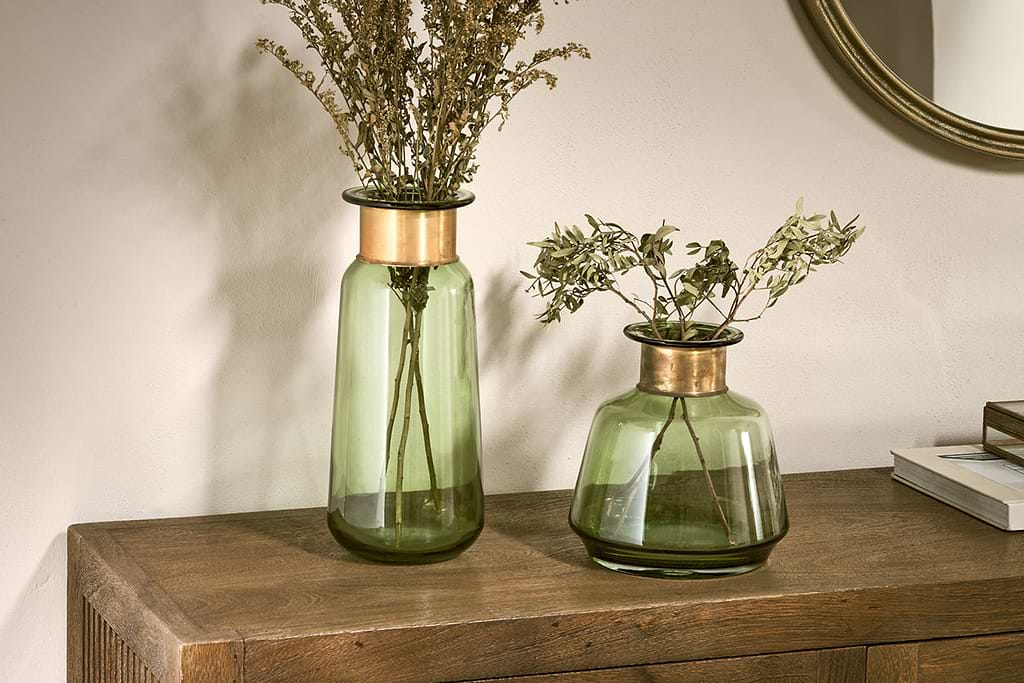
A few Nkuku pieces that sit well on open shelves, adding texture while keeping the look calm.
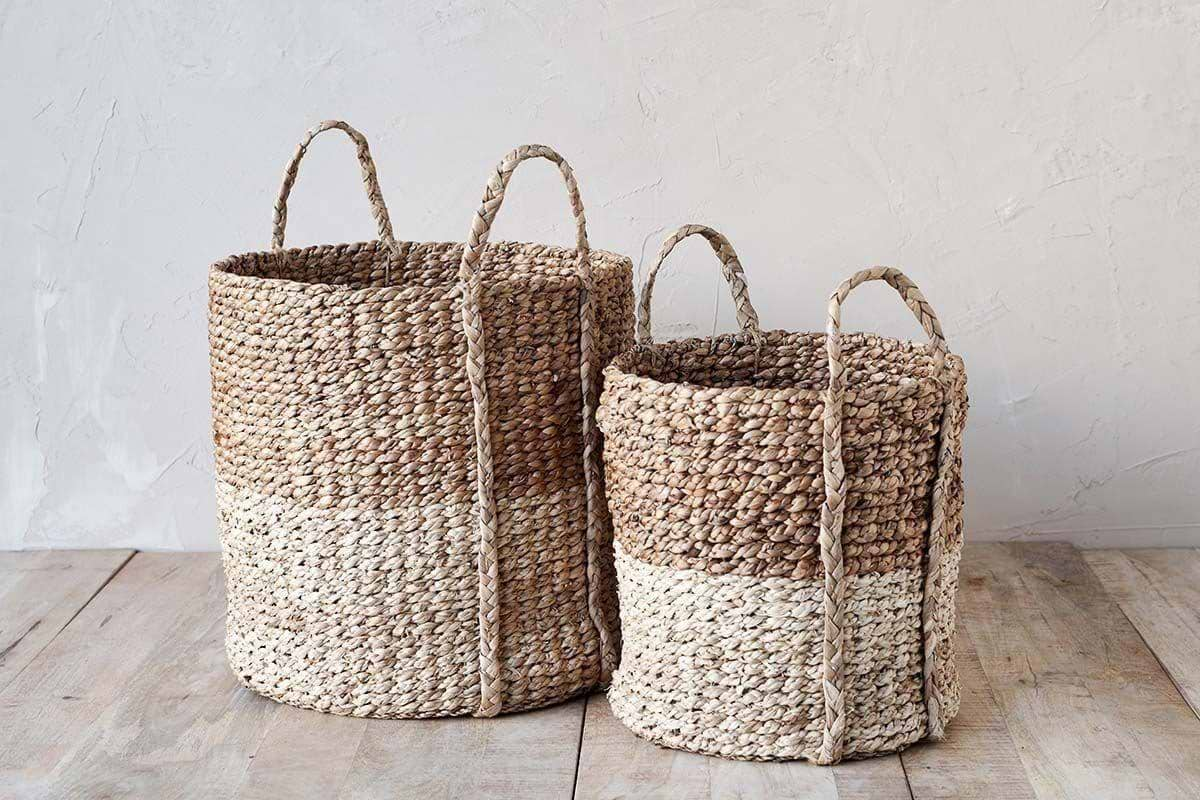
Nkomi Basket
Woven storage with a calm silhouette, works open or tucked under a console.
View at Nkuku →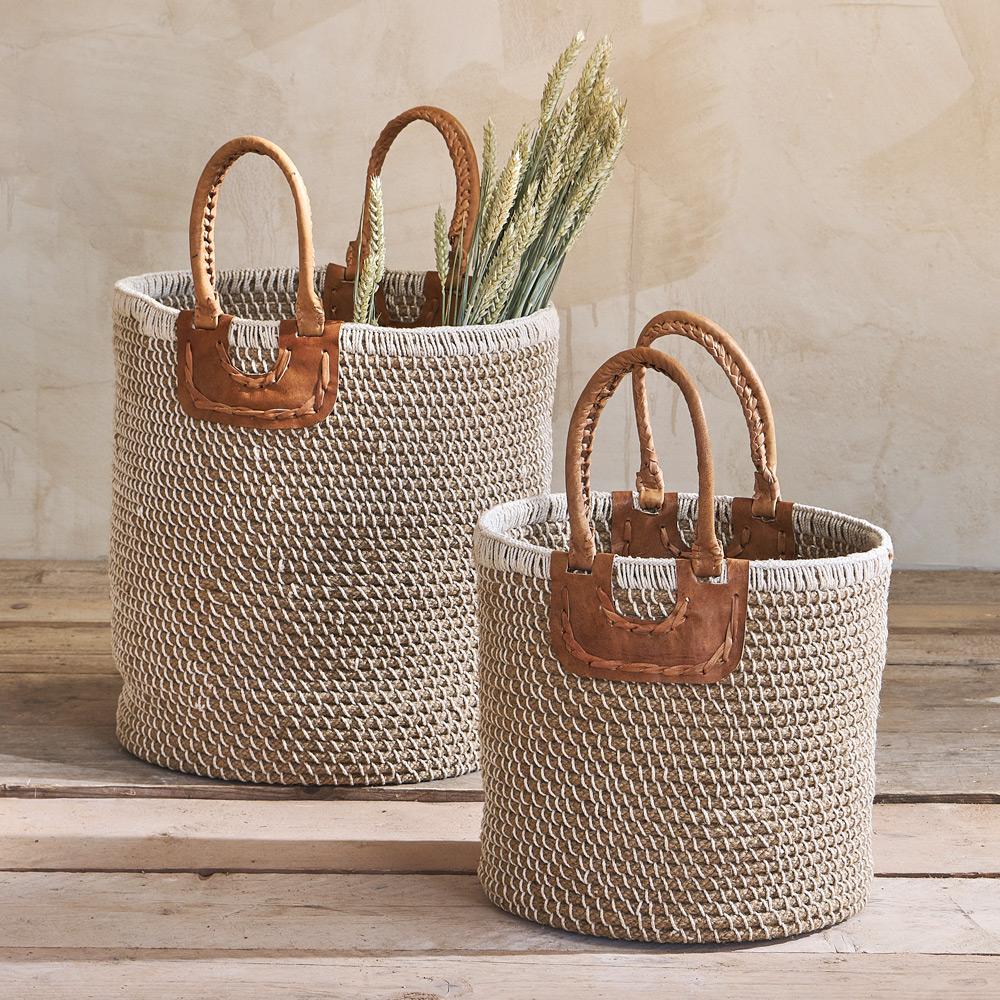
Indra Coil Basket
Natural coil weave, neat enough to leave out, large enough to hide clutter.
View at Nkuku →Some links above are affiliate links. If you buy through them we may earn a small commission at no extra cost to you. We only suggest pieces we think fit a calm, lived-in home.
Free guide
The Calm Shelf
12 styling ideas to help you compose calm, balanced shelves in natural texture homes.