

Most homes start December with a box of tangled ornaments and end up with cluttered surfaces that don’t feel restful. Trying to use minimal christmas decor in a busy living room often means removing items, not just adding new ones, but old habits make it hard to see what to keep. In many apartments, a shelf or coffee table instantly looks crowded after a single shopping trip.
Here’s a calm way forward: clear away the extras, use only what feels good to touch, and choose a few nature-inspired pieces. This works especially well in a small living room when the tree sits directly beside seating because it softens the edges of the space and gives the eye somewhere gentle to rest.
The short version: Minimal christmas decor keeps rooms quiet by using natural materials, neutral colours and fewer objects, so the feeling is calm instead of busy. Focus on linen, simple paper ornaments and winter branches, and remove extras, rooms feel lighter and moments more peaceful all season.
Key takeaways
- Minimal christmas decor relies on natural materials like linen, handmade paper ornaments, and bare branches for a grounded look.
- A mantel or shelf feels calmest when two-thirds of its space stays clear of objects.
- A minimal tree design uses less than a dozen ornaments and neutral lights for a gentle focus.
- DIY paper stars and dried orange garlands cost little and work well for both trees and shelves.
- Neutral linens make dining tables feel restful even during celebrations.

Why does a minimal Christmas not feel cold?
Minimal christmas decor feels soft, not empty, when you use warm materials and plenty of texture instead of only bare spaces.
In a family living room, skipping the usual piles of tinsel or foil leaves more blank space, but the addition of a linen runner or a branch from outdoors keeps the room grounded. Unlike a stark, bare surface, a stack of neutral cloth with a pine sprig catches both the hand and the eye.
Using fabric, simple paper and natural foliage adds weight and depth. A felted wool garland is softer on a shelf than a plastic beaded one. Rooms with open shelving quickly read cold if left completely empty between holidays.
Adding natural color, like a bowl of dried oranges, removes the chill of all-white without tipping into busy or bright. A shelf with only empty vases can feel unfinished, but a single branch or paper ornament is enough to signal the holiday, especially for guests coming in from the cold. A room stays welcoming when every added piece can be touched, moved or used by people in the space.
Where this works best
Minimal christmas decor works best in small or shared spaces where too many decorations quickly feel crowded or distracting.
Compact apartments, narrow entryways and multi-use living rooms often get overwhelmed when traditional decor fills every edge and open cubby. Bringing in only a linen tablecloth and branch garland makes the celebration feel special but doesn’t interfere with the day-to-day use of the room.
In rental homes with pre-set wall colors or built-ins, neutral and handmade pieces skip clashing with what is already there. Placing a dried foliage arrangement or a folded paper tree on an existing shelf works even where drilling new hooks isn’t allowed.
Avoid putting heavy, shiny ornaments in dark corners, as they catch little light and appear flat. Instead, choose pale, natural objects, like paper stars or a few dried orange slices, on windowsills or shared dining tables. Minimalism lets a room breathe, and the right piece draws attention to how the daylight changes the space.
How do you style a small mantel or shelf?
A small mantel or shelf feels settled when you use just a handful of pieces and keep two-thirds of the space open.
You might store five or six objects on a narrow mantel, but for December, swap in a soft linen runner, a few tall candlesticks and a single vase with a winter branch. Unlike crowded, colorful displays, this simple setup is easy to adjust for dinner parties or quiet nights.
When styling, stagger heights: one candle, a bowl of pinecones, and a small stack of folded cloth. A shelf reads more interesting and less boxy when taller items mix with low, natural shapes. Most decorators recommend leaving wider gaps between pieces than you think looks right at first glance.
Comparing styles, a mantel packed with tinsel and ornaments can look busy and date quickly, whereas a few well-chosen natural materials stay fresh from December through to New Year’s. An open mantel is easier to clean and swap as needs change, and ferns, dried foliage and candles make classic festive mantelpiece displays without too much fuss or expense.
The three-material rule: linen, paper and winter branches
Minimal christmas decor feels inviting and rich when you repeat three materials, linen, paper and winter branches, across each room you decorate.
Living rooms and entryways benefit from a focus on these three: a linen throw over a chair, a string of paper stars above the window, and a simple arrangement of foraged winter branches. Each one brings a different touch, cloth warms, paper lightens, branch brings movement.
Unlike the mixed jumble of glass, synthetic and shiny plastic found in many holiday bins, this repeat of texture keeps the look consistent and calm. A minimalist Christmas can rely on just these materials for nearly all its main pieces, and each is easy to find in affordable or DIY versions.
Most linen napkins and runners can be washed and reused after the holidays, and paper decorations, such as Nordic trees or snowflakes, store flat and last for more than one year. Bare branches picked from a neighbourhood tree, even fallen ones, last weeks in a vase.

How to choose a minimalist Christmas tree
A minimalist Christmas tree looks best with a covered base, simple string lights and fewer than a dozen neutral ornaments.
In a small living room or studio, a real potted tree offers scent and shape without dominating. Unlike artificial trees covered in tinsel, a bare branch or small pre-lit pine in a basket keeps the feeling light, and moving the tree between rooms is easier if the base is tidy.
Choosing ornaments, stick with a short color range, white, tan, or gold, and avoid shiny plastic. Hang only ten or twelve at most for a clear look, and leave some branches bare for breathing room. According to these sources, a tree without visual clutter feels more restful and lets hand-made or one sentimental ornament stand out.
Lighting matters: string just one warm-white light strand from base to tip, and skip flashing multicolours. Compared to colder LED or colored bulbs, warm-toned lights make greenery look fresh even by daylight. A natural tree with spare, well-chosen details doesn’t compete with other decor in a small home.
Styling and placement
Minimal christmas decor looks right when every surface shows only one or two new objects, spaced wide apart, and color stays neutral.
On a coffee table, swap magazines for a single folded linen cloth and a bowl of dried fruit. Keeping open areas on dining tables or shelves stops the eye from darting around, preventing the visual noise problem that clutters most December rooms.
Unlike displays with several garlands, bells and figurines, this approach lets each natural piece, the branch, the candle, the fabric, stand on its own. A neutral home decor palette of tan, brown, grey and soft white works best, and repeating the same basket or runner ties the look together.
Quick calm checklist:
- Choose natural fabrics, linen for soft layers, cotton for durability.
- Leave open space: only add one focal piece per surface, not more than two if it’s a larger table.
- Stick to a neutral color range, off-whites, light grey, tan, brown, a little pine or gold if you like.
- Repeat one texture: use paper or dried foliage in more than one spot.
- Anchor arrangements so nothing tips or shifts easily.
This approach is easy to adjust around small hands or guests, items can be moved or cleared without leaving bare expanses. Tables and sideboards look considered, not stark, when you use only what you can name and touch.
How to make simple DIY decorations in an afternoon
You can create festive garlands, ornaments and centrepieces in a few hours using paper, dried fruit and natural branches found around the house.
At the kitchen table, cut shapes from light card or newsprint and string them into a garland, stars and tree shapes work especially well. Dry a few orange slices in a low oven or air-dry them on a rack, then thread with twine for windows or the tree.
Unlike last-minute plastic decorations, hand-making simple pieces with children or guests builds a sense of shared work and is fully reusable. Arrange three or four small vases with clipped greenery for a quick, affordable centerpiece that does not block conversation.
For more ideas, many DIY natural decor projects use materials already in your home. Stringing together paper star garlands, filling a candle holder with foraged branches, or using leftover fabric to wrap gifts, all finish in one afternoon and can be stored flat when the season ends.
There’s nearly always a moment, right after setting up the first few festive objects, when the room suddenly looks crowded, not cozy. Most homes keep adding pieces until every corner, window sill and surface feels heavy, forgetting that open air is part of the look. This is the tipping point between calm and clutter, and it matters more in smaller or shared rooms, where overflow becomes a tripping hazard or keeps people from gathering near the tree.
The shift comes with one choice: stop adding, and remove just one extra piece from each spot you’ve decorated. A single basket, bowl or candle does more than a dozen small trinkets.
Often, the first mistake is lining up too many objects on one shelf or windowsill. The result is visual noise, your eyes dart from glittered stars to beaded branches, never finding a rest point. Shelves stacked with decorations feel hard to use and look unfinished at a glance. Pulling back to just a few, well-spaced pieces lets each one get noticed and keeps daily life easy. The right combination immediately feels lighter, and the room is easier to live in, clean, and enjoy. Save this idea for later.
What tends to hold up with minimal christmas decor using linen, paper and branches
Across dozens of home tours, reviewers say the same thing: staples like linen, handcrafted paper stars, and bare winter branches stay relevant year after year. These pieces don’t date as quickly as trends or colors tied to a specific season. Renting or swapping rooms doesn’t require new shopping, just moving the same soft cloth, handmade garland or foraged branch. Decorators commonly recommend small changes with texture, not color: folded fabric, matte-finished paper, and smooth branch or pinecones fill gaps and settle stark holiday corners. Matte finishes get recommended again and again for displays near windows, because they don’t catch glare like shiny ornaments or glass.
It is less about the number of pieces, and more about the repeat of one material across the space. Mixing too many types breaks the restful line that makes a slow holiday feel possible. Rooms look lighter with only the essentials.
, Mara, Loom & Glow
Common questions
What are some easy DIY Christmas decor ideas?
Easy DIY Christmas decor ideas include dried orange garlands, handmade paper stars, and vases filled with winter branches. You can also use leftover fabric for table runners or wrap jars with linen to hold battery candles. Most projects use few materials and work in any room, rental or owned.
What are the current Christmas decorating trends?
The current Christmas decorating trends emphasize minimalism, nature-inspired materials, and neutral color palettes. Popular ideas are bare branches in vases, paper ornaments, and using fewer than a dozen special decorations. This style feels gentle and is simple to update each year without large expense.
What are some thoughtful, minimalist Christmas presents?
Thoughtful, minimalist Christmas presents include handmade baked goods, locally made candles, dried flower bouquets, and useful kitchen linens. Some families prefer a single Secret Santa gift, as one approach to minimalist gift-giving recommends. Gifts based on experiences or time together are especially valued now over material clutter.
How do Australians decorate their homes for Christmas?
Australians often decorate with a mix of native foliage, dried flowers, and light, breezy fabrics to suit summer. Many skip heavy decor in favor of simple outdoor table settings or reusable paper garlands. The look stays relaxed and cool, especially for gatherings during warmer weather and open doors.
Explore more calm combinations inside our Shop The Look .
Shop the Look
A restrained Nkuku selection that suits a calm, nature-led Christmas look.
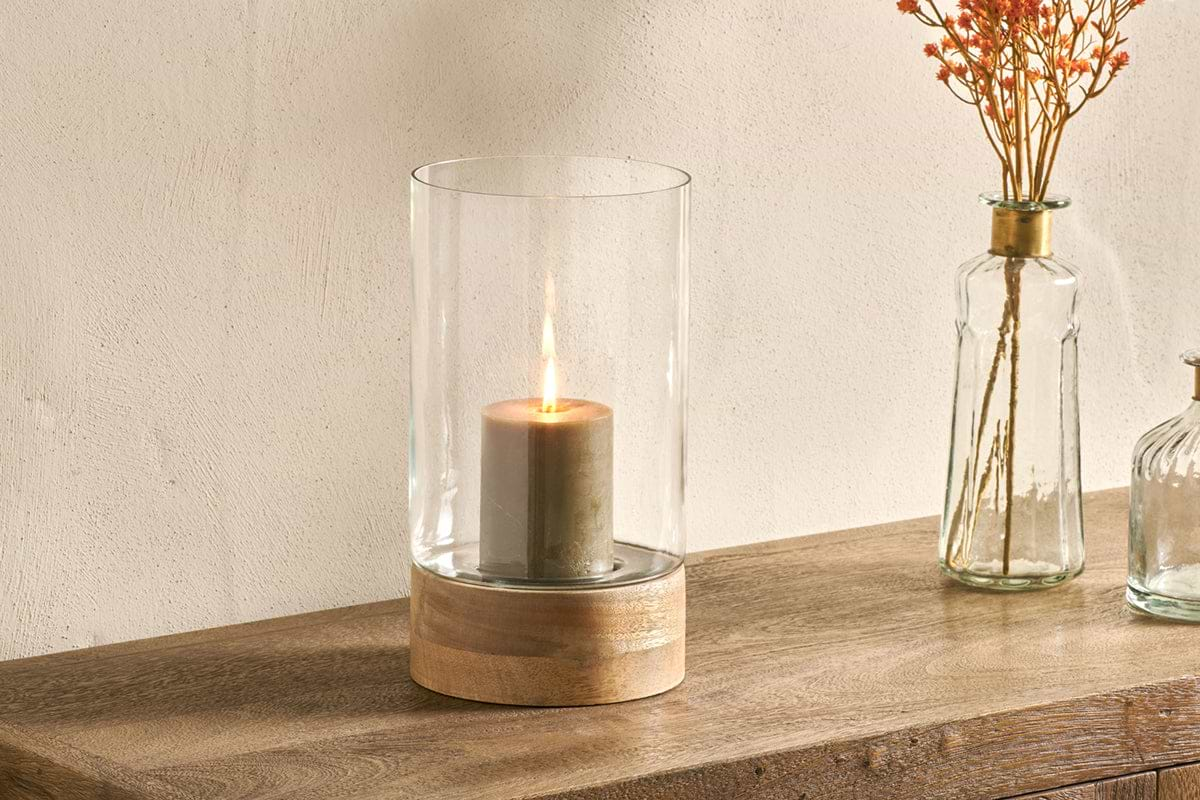
Idha Hurricane Lantern
Straight-sided glass, for candles indoors or sheltered patios.
View at Nkuku →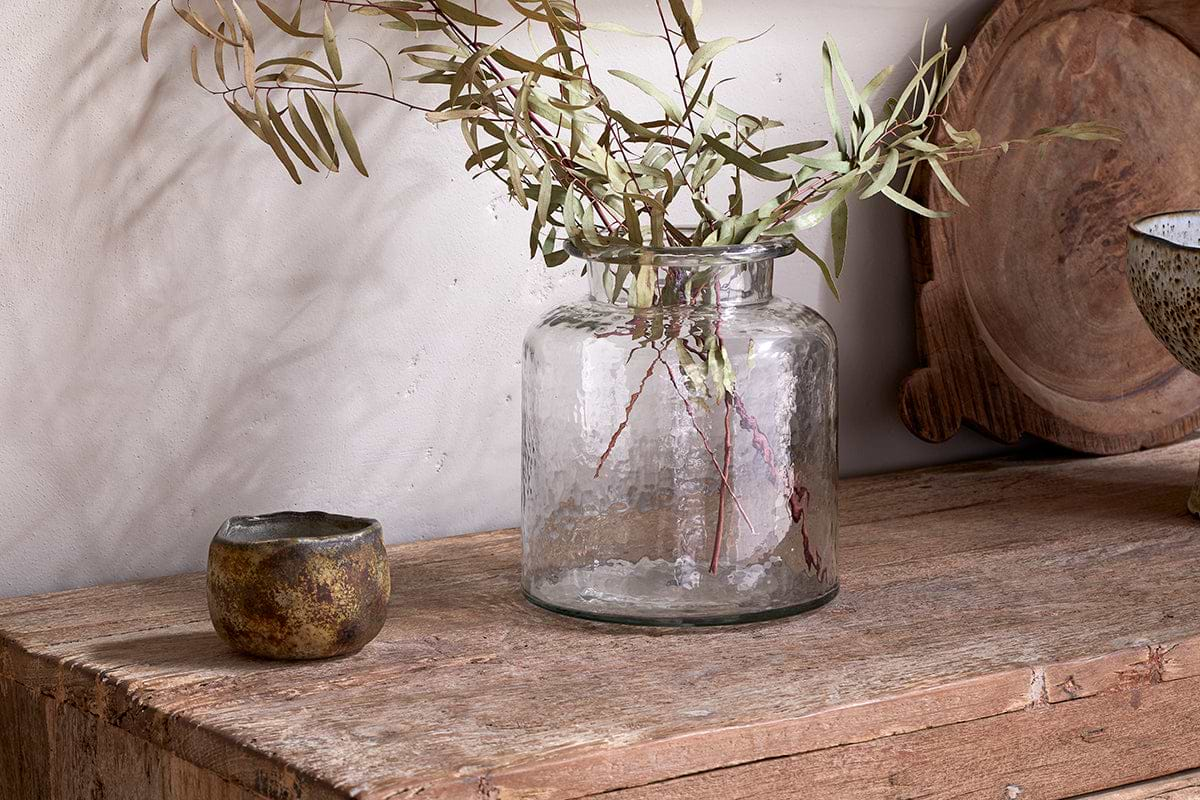
Akra Recycled Glass Vase
Clear cylindrical glass, pairs with stems or sits empty as a quiet accent.
View at Nkuku →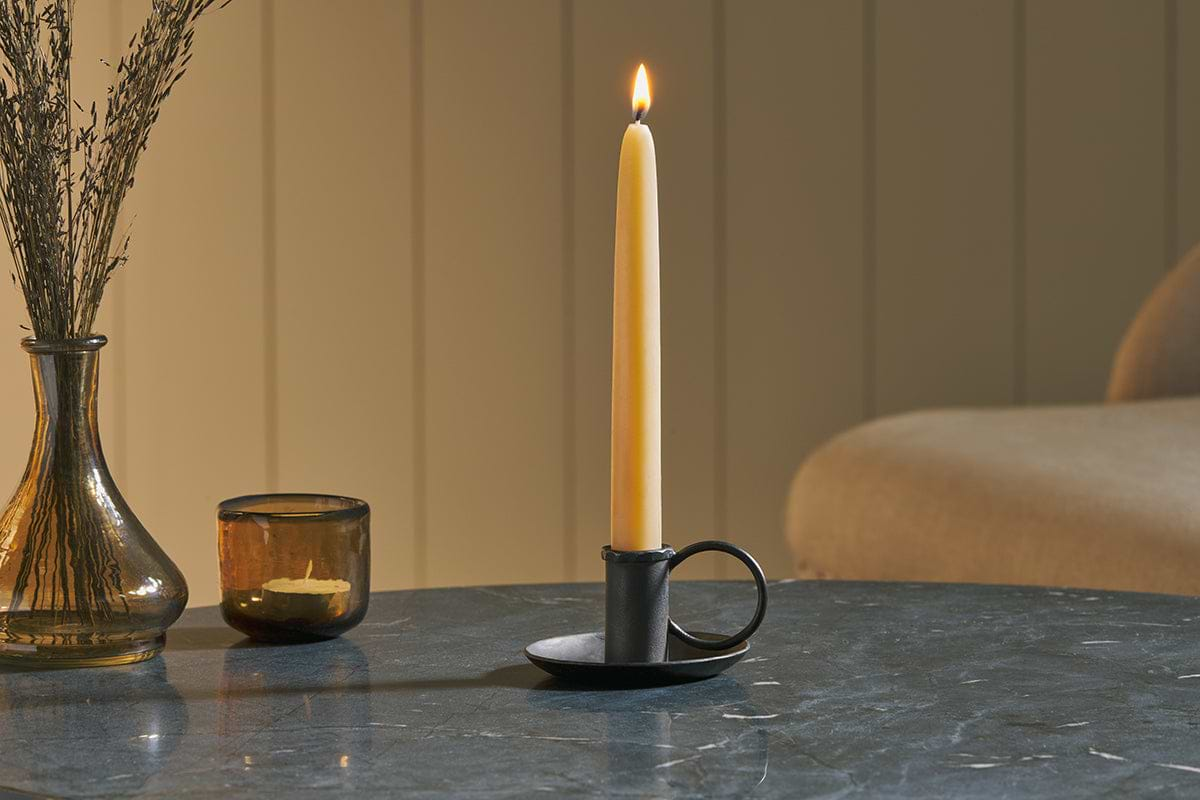
Amri Iron Candlestick
Slender iron with quiet presence, works alone or in clusters of three.
View at Nkuku →Some links above are affiliate links. If you buy through them we may earn a small commission at no extra cost to you. We only suggest pieces we think fit a calm, lived-in home.
Free guide
The Calm Shelf
12 styling ideas to help you compose calm, balanced shelves in natural texture homes.