

DIY natural home decor ideas often start as a way to calm rooms that feel busy or disconnected, but many projects end up looking cluttered or out of place. Too many materials, awkward shapes, and the wrong textures can make handmade details seem store-bought or miss the relaxed look people want.
By choosing just a few simple projects using natural materials, you can add warm, handmade touches that look like they belong—even if you have no crafting background. This works especially well in a small entryway when storage is limited because natural textures draw the eye and make the space feel finished without extra clutter.
The short version: DIY natural home decor ideas work best when you use a limited palette and simple shapes to avoid a cluttered look. Pick one or two projects for each space and repeat similar natural materials for a calm, tidy result.
- What are the easiest homemade decor pieces to start with?
- How do you keep natural DIY decor from looking too rustic?
- Where this works best
- How do you keep craft home decor simple instead of messy?
- Styling and placement
- How do you use color with DIY home decor natural materials?
- How to pick materials that feel calm and grown-up

What are the easiest homemade decor pieces to start with?
Simple baskets, linen wall banners, and jute-wrapped planters are easy first projects since they need few tools and create a natural, soft detail in any room. Each uses familiar everyday items, so even beginners can get a result that looks clean and finished.
A woven jute basket on an open shelf helps organize blankets or shoes. Using a plain linen cloth and a wood dowel, you can make a wall banner that hangs flat and doesn’t warp, perfect for any blank spot. Try wrapping a basic planter with thick jute twine or raffia; glue holds well on rough surfaces, and the soft color warms up cold corners.
Compared to store-bought decor, these projects look unique without being fussy. Raw jute has a coarse texture that breaks up shiny furniture, while a linen banner feels airy and smooth where heavy frames might look crowded. Sticking with one style of material across projects, such as all jute or all linen, ties the look together.
A bedroom shelf or bathroom counter gets an instant lift from a hand-wrapped planter or a small, simple text banner. Most projects can be finished in less than an hour and use materials found at a corner shop or hobby store.
How do you keep natural DIY decor from looking too rustic?
If you use clean shapes and limit the finish details, homemade decor looks modern and not country. Stick to smooth edges and avoid too many added trims or signs for a more relaxed, grown-up look.
Choose a single tone or keep to neutrals—undyed linen, pale jute, plain cotton, or soft clay all read as calm, not themed. A basket with straight sides and no handles looks crisp on a bookcase, while a set of clay bowls works better if each one is plain, with no painted dots or words.
Unlike homemade items with lots of stencils or fake-aging, plain pieces blend into any style. Avoid dipped-color effects, checked patterns, or glued-on bows, which can feel themed or forced. A raw-edge fabric runner with a neat stitch works in a dining room where a bright patchwork would pull too much attention.
Using matte textures—like the finish on a clay vase or the weave of a jute lampshade—softens strong light and keeps reflections low. This is the reason why many decorators suggest matte finishes for areas near windows, since they don’t catch glare like glossy trays do.
Where this works best
DIY natural home decor ideas work well in rooms with low storage, plain walls, or open shelving, because natural materials add detail without taking up much space. Entryways, bathrooms, and small bedrooms see the strongest effect from these projects.
In a narrow hallway, a hanging wall pocket made from linen gives a place for keys and glasses, keeping surfaces clear. Open bookshelves in a living space often need something soft to break up all the straight lines— a loose-knit basket or a clay candle holder does this job without making the area feel busy.
Compared to filling a space with small picture frames or shiny objects, using one large woven bowl or a single linen piece draws the eye and makes the whole section feel pulled together. Bathrooms that lack storage can benefit from a rope-handled basket for towels, which adds both texture and function.
Avoid loading every corner with baskets or multiple types of homemade crafts. Too many can start to look mismatched or remind you of a busy market stall. Pick one natural material and repeat it for a balanced look.
How do you keep craft home decor simple instead of messy?
Repeat just one or two materials in each room and leave empty space around each piece. Simple shapes and limited color prevent projects from feeling crowded or amateur.
On an open kitchen shelf, try a single wooden bowl or a pair of plain clay canisters—anything more gets lost among daily items. The eye naturally pauses on a natural texture when the rest of the shelf is left clear. This helps stop a cluttered look and brings out the handmade shape.
Unlike a row of mixed colors and patterns, repeating similar tones and forms keeps everything calm. A cotton throw draped neatly over a sofa looks better alone than mixed with many small cushions in different textures. Keeping about two-thirds of a shelf clear is a common suggestion, so each object can stand out.
Thick jute or raw linen hides minor mistakes in cutting or gluing, since the texture pulls the eye and any small flaws fade in normal light. For more inspiration with soft textures, see Minimal table runners quiet layers for everyday calm.

Styling and placement
Keep handmade decor close to eye level or group similar pieces for balance. Placing one strong item per surface works better than lots of smaller ones spread out.
Set a jute-wrapped vase or a single clay bowl at the center of a console to make it a focal point. In a bedroom, place a linen wall banner above the bed, hung from a wood dowel so it hangs flat. For narrow entryways, keep baskets or wall pockets mounted so they don’t block the walking line.
Compared to scattering small crafts everywhere, grouping them together forms a clear spot for the eye. Keeping heavy objects on low shelves and lighter pieces up higher prevents the room from feeling bottom-heavy or unstable. A jute lampshade will work well beside the bed or in a reading corner, where the woven texture breaks up hard edges from tables and bookshelves.
Quick calm checklist:
- Choose only natural-fiber items (jute, linen, raffia, clay) for each room.
- Keep groupings to three similar objects at most per surface.
- Leave the spaces around handmade pieces mostly empty—avoid busy backgrounds.
- Stick to soft or neutral shades for large items.
- Put heavier or darker pieces low, and lighter ones up top.
A reading nook or window ledge comes alive when you add one basket or a soft banner and leave room around it for daylight and shadow.
How do you use color with DIY home decor natural materials?
Colors found in natural fibers—sand, stone, pale straw, and off-white—blend calmly with most room styles. Using only one accent color keeps rooms from feeling patchy or busy.
Pale linen curtains filter sunlight in any small space and soften strong wall colors. A clay plant pot in a muted terracotta stands out gently without taking over. Limiting DIY home decor natural materials to one or two color families—such as whites and beiges, or pale greys—means new projects won’t clash with existing furniture.
Unlike bold accent walls or patterned covers, keeping to earthy colors calms the room and means future handmade decor ideas will always fit in. You can pull a single green or rust accent from a plant or a woven lamp and repeat it once—this avoids the scattered look of too many colors. The safest route is always to keep brighter shades for fresh flowers or seasonal details instead of permanent craft items.
The benefit here is seen especially in open-plan living or dining areas, where color runs from one space to another. For more on using natural colors and how they affect the eye, see this informative guide on how color works.
How to pick materials that feel calm and grown-up
Pick materials that age well and feel good to touch: thick linen, sturdy jute, smooth clay, or natural wood. These look polished instead of playful, giving the project weight and purpose.
Linen has a soft texture and a matte finish that makes wall hangings or table runners look finished, not rough, even after years of use. Durable [linen](https://www.britannica.com/technology/linen) resists pilling and fading better than many cheap cotton blends. Jute baskets stay firm as long as they’re not soaked or crushed, and the fiber darkens in sunlight to a warm honey brown.
Unlike plastic-based craft supplies, natural fibers and earthy clay develop soft marks and patina but never look flimsy. Opt for unfinished wood over painted versions; finger marks and dings add quiet character over time. A single piece, like the Wooden keepsake box, anchors open shelves and stands up to daily use.
For those wanting craft home decor that doesn’t need babysitting, clay candle holders and jute-wrapped lampshades need little care and are easy to wipe clean. These projects are practical for busy living rooms and rental kitchens.
The moment often comes as you tidy up—a shelf looks cluttered, but when you remove the extra baskets and leave a single, well-placed handmade piece, the room finally feels easy to live in. That pause tells you what’s missing is focus, not more things.
It helps to pick one main natural material as the anchor, then repeat it sparingly instead of adding layer on top of layer.
If you’ve ever lined up several handmade pieces on one table, you may notice the area feels confused and incomplete. This is common when every item is a different size, finish, or material; none of them stand out, and the eye skips around looking for a place to rest. Over time, this can make a home feel unsettled or even messy, no matter how tidy it really is.
When you get the grouping right, the room feels open and calm again.
Save this idea for later.
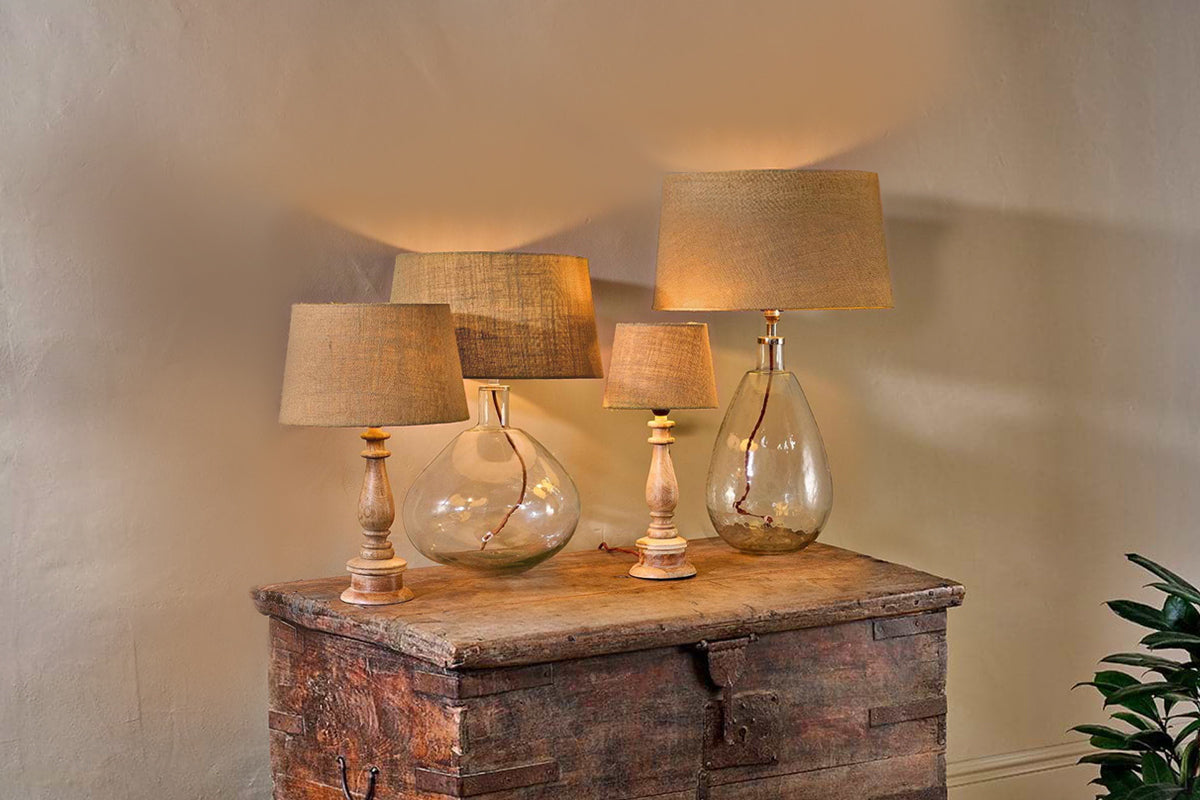
Dia Jute Lampshade – Natural
adds quiet structure and warmth while keeping the room balanced.
What tends to hold up with working with natural textures
From reviewing customer images, decorator tips, and product reviews, it shows up again and again: homemade pieces look most settled when the texture stands out but the color recedes. Matte finishes get recommended consistently for shelves near windows, since they won’t catch glare the way a glossy finish does. Mixing only one or two natural textures (like linen and jute, or clay and wood) works for most people, especially in small apartments or rental homes. When readers do this, rooms seem lighter and stay organized longer.
There’s no need to fill every space. The best homemade decor depends more on spacing than on how many things you make. A single large basket or lampshade catches the light and holds up over time, while smaller crafts often end up shuffled away. Focus on feel over volume, and the difference is clear months later.
— Mara, Loom & Glow
Common questions
What are the easiest DIY natural home decor projects for beginners?
Simple baskets, linen wall banners, and jute-wrapped planters are easy first projects since they need few tools and create a natural, soft detail in any room. Using a plain linen cloth and a wood dowel, you can make a wall banner that hangs flat and doesn’t warp, perfect for any blank spot.
How do I keep DIY natural décor from looking too rustic?
If you use clean shapes and limit the finish details, homemade decor looks modern and not country. Choose a single tone or keep to neutrals-undyed linen, pale jute, plain cotton, or soft clay all read as calm, not themed.
Which rooms benefit most from DIY natural home decor?
DIY natural home decor ideas work well in rooms with low storage, plain walls, or open shelving, because natural materials add detail without taking up much space. Entryways, bathrooms, and small bedrooms see the strongest effect from these projects.
How do I prevent DIY natural décor from looking cluttered?
Repeat just one or two materials in each room and leave empty space around each piece. Keeping about two-thirds of a shelf clear is a common suggestion, so each object can stand out.
Explore more calm combinations inside our
Shop The Look
.
Free guide
The Calm Leaf
12 quiet ways to bring dried botanicals, stems, and natural textures into calm spaces.