
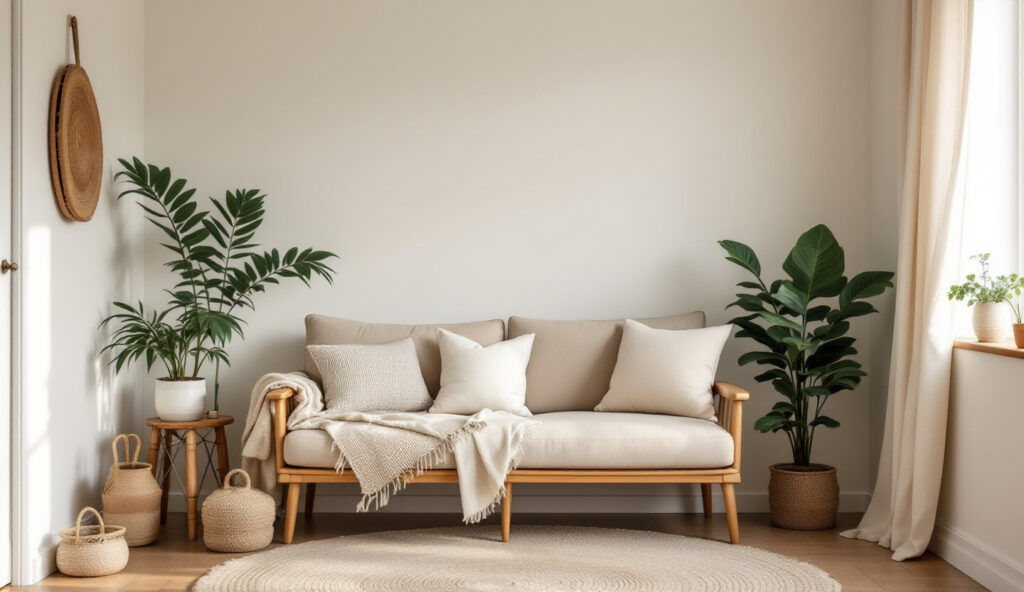
Rental flats often lack depth and texture, especially on blank walls. Many renters want to add some wall cladding detail, but face strict rules: no drilling, no structural change, and the need to undo it all before moving out. This leaves many living rooms and bedrooms feeling flat, even after careful styling.
There is a way to create layered, natural walls using reversible panels that come off clean. Today, you will see which panels work best, why they look more solid than peel-and-stick wallpaper, and exactly how to apply them safely. This works especially well in a small entryway when you want depth without closing in the space, because the right finish draws the eye and softens sharp lines.
The short version: Renters can use removable panels to add wall cladding detail without drilling, choosing natural or composite finishes that peel off safely. You get a real, textured look instead of a temporary feel, and your walls stay deposit-safe.
Key takeaways
- Removable wall cladding panels make it possible to add depth to rented walls without drilling or leaving marks.
- A panel with an actual surface texture, like slats, fabric, or cork, looks more solid than printed wallpaper.
- Cane, linen, and cork panels sit light on the wall and are easy to move without damaging paint or plaster.
- Adhesive wood-effect panels work best when the finish is matte and the color suits the room’s light.
- Most wall cladding detail solutions for renters cost less per square metre than traditional timber or steel.

What is wall cladding detail? (The renter’s definition)
For renters, wall cladding detail means a layer or panel fitted over the wall that looks built-in but leaves no lasting trace when removed. Real cladding comes in wood, fabric, or slatted panels installed with sticky strips or simple hooks.
In flats, “wall cladding” cannot mean timber nailed in or steel sheets bolted on. Here, the goal is visual weight and warmth without any screws or plugs. A removable panel sits flush and stays in place with clean adhesives or light pressure fixings.
Panels might have a wood effect, real cane webbing, cork tile, or acoustic linen surface. Unlike wallpaper, these give actual depth and shadow, which carries better in changing light. A bare white wall looks fine in morning light but flat and harsh by evening; a panel softens that shift and gives the eye an anchor.
Unlike classic panelling, which usually means timber frames, most renter-friendly options do not interlock by tongue and groove. Surface texture comes from the material, not a jointed edge, so the panel moves as a single piece and removes in one go.
The best effect comes when you choose a panel that reads as intentional: one large piece, one texture, one simple color story. A printed wallpaper can mimic the look, but a raised finish is more convincing and forgiving in older rooms, where walls might not be perfectly smooth.
Where this works best
Reversible wall cladding detail works best in rooms with blank expanses or awkward features, especially where drilling is banned. A panel gives new texture and focus without closing off the space.
Long living room walls, basic bedrooms, and narrow hallways all benefit when a single flat surface looks plain or echoey. In smaller apartments, even a modest-size panel at standing height can stop a space from feeling hollow. Entryways are another easy spot: renters often cannot paint or hang heavy art, but a light textile panel softens a sharp edge by the door.
Daily living changes, too. Rental kitchens and dining nooks often have at least one wall with no outlets or switches in the way. A cork panel or a linen board can quietly hold notes or reflect ambient light. The room feels softer and less temporary, there is something to land the eye besides furniture pushed up against plain plaster.
Avoid crowding: two statement panels facing each other, or busy cladding in a room crammed with shelves, makes the space seem smaller or busier than intended. One calm surface works better than many smaller ones fighting for attention.
How do you choose cladding panels without a drill?
Panels for rental-friendly wall cladding should be light, easy to cut or reposition, and use removable adhesives that leave zero residue. Choose real texture, not just a printed pattern, for the most convincing look.
Start by checking material weight and size. The lighter the panel, the easier it is to fix using only peel-off strips or sticky pads. Most removable cladding comes as thin wood slats, foam-backed fabric, or woven cane set in a slim frame.
Materials matter more than color at first. A true wood effect, like a walnut slat or a pale oak veneer, stands out even in low light. Fabrics, especially linen, felt, or a soft cork surface, absorb light from lamps and daylight, making the wall seem deeper without risk to plaster beneath.
Unlike vinyl decals or poster boards, proper panels keep their shape and do not sag or ripple over time. This is a key reason renters favour single, rigid-backed panels or frames; the wall stays tidy, and the room avoids a makeshift look.
The main cause-effect: A light, adhesive-mounted panel avoids both drilling and long-term marks, so it can be placed or removed any time. Removable adhesive like 3M Command strips are common, but some panels come with built-in tabs or velcro for easier swapping.
The 5 reversible cladding panels for rented walls
Five main types of reversible wall cladding for rentals are: cane webbing frames, adhesive wood-slat kits, linen acoustic panels, cork tile sheets, and felted wool boards. Each gives a distinct surface look, with its own pros and cons.
Cane webbing panels are lightweight, natural, and often framed in thin wood. They pull light well, feel soft under the hand, and install with just four sticky pads. A cane panel on a painted wall gives a handmade vibe and stops glare without making the room darker.
Adhesive wood-slat kits bring real depth. Most use foam-backed slats in oak, walnut, or black-stained pine that can flex slightly. The matte wood effect creates the illusion of depth and shadow, especially across a slatted wall panel. These panels peel off clean but look like real timber from a short distance.
Linen-covered acoustic panels work well for renters sensitive to noise or echo. The fabric also softens LED lighting that can make white walls feel cold at night. Unlike raw foam, linen holds its shape and cleans easily with a wipe or soft brush.
Cork tile sheets do double duty as tack boards and visual warmers. Even one large tile panel breaks up a run of flat paint and offers a calm pin board for notes, art, or hooks, good for work-from-home setups or gallery walls. Unlike bold wallpaper patterns, cork reads subtle and hides scuffs or marks.
Felted wool boards are the softest finish, physically and visually. Taller felt panels work in bedrooms, especially behind the headboard where bits of noise or stray light feel strongest. The material mutes sharp sounds and looks solid without adding any real thickness to the room. Each choice gives a different effect based on room light and setup.
| Panel Type | Surface Texture | Weight & Mounting |
|---|---|---|
| Cane webbing | Open-weave, semi-shade | Very light; four adhesive pads |
| Wood-slat kit | Raised timber effect | Light-medium; adhesive tape backing |
| Linen acoustic | Textile, soft-touch | Medium; sticky tabs or velcro |
| Cork tile | Fine-grain, warm | Light; double-sided tape |
| Felted wool | Deep pile, matte | Light-medium; hook-and-loop pads |
Unlike heavier composite cladding or steel wall cladding sheets, which require special fixings per steel wall cladding sources, these stay renter-friendly thanks to their lightness and simple hardware. A kitchen might tolerate a sticky-backed panel better than a bathroom, since humidity lifts adhesives over time.

Styling and placement
Styling removable cladding panels works best with a limited palette and one focal surface. Place your chosen panel where the wall is most visible, not hidden behind large furniture.
A panel looks more settled when it grounds the room, behind a sofa, above a low sideboard, or along a hallway run. In bedrooms, a linen or cork panel behind the bed softens both wall and incoming morning light. In an entryway, one smaller board or slat panel beside the door gives guests something quiet to rest their eyes on.
Unlike a gallery wall of small frames, a single natural panel avoids clutter and draws the eye upward. If the room already has strong pattern, choose plain, light-textured panels instead of wood-effect or busy cane. Compared to raw composite or PVC panels, real fibre or slat boards usually sit neater and read less shiny, glare is rarely a problem with matte finish.
Most renters want to keep the room easy to restore at move-out. This means lightweight panels placed so removal leaves no visible marks; for example, above radiator height or behind soft furnishings. A room gains depth, but clean-up is simple.
Quick calm checklist:
- Pick one main panel material (wood, cane, linen, cork, or felt) per room.
- Limit to one or two colors, avoid mixing bold patterns with complex textures.
- Anchor the panel where you see it most, away from doors or corners with lots of switches.
- Check adhesives are rated “removable” and test a sample first in a hidden spot.
- Leave enough clear wall space around the panel for a finished, not crowded, edge.
For more ideas on textured yet calm finishes, see warm minimalist texture for inspiration on room palettes and surface choices.
What does temporary cladding cost?
Most renter-friendly cladding panels cost less per square metre than traditional wood or steel, with prices starting well below custom joinery. Cost depends on material and whether you buy single pieces or kits.
A typical cork sheet or small slatted panel runs under the cost of a full paint job, often comparable to two or three art prints rather than full wall renovation. According to supplier data, steel wall cladding starts at about £10.00+VAT per linear or square metre, but light wood-effect or cane panels for interiors usually come in lower for small sections needed in flats.
Adhesive slat kits for rental walls can be reused or reconfigured. This makes the upfront cost easier to justify than wall coverings that are single-use and hard to remove. Most linen or cork panels arrive in ready-to-hang sizes and ship flat, another savings compared to framed art or framed panels built for permanent spaces.
Unlike full timber tongue and groove systems, these flat-pack versions cut out both fitting costs and disposal fees. The main investment is in the surface material, not specialist fixes, plaster, or tools.
What mistakes do most people make with DIY cladding?
The most common mistakes with removable wall cladding are choosing too many patterns, placing panels in high-impact areas, or using adhesives that are too strong for painted plaster.
Mixing more than one texture or color quickly makes a calm room seem busy. Two different woods or a mix of vinyl and real fibre panels can feel scattered, more like a display than an actual part of the room.
Fitting a panel where damp or steam are common, like behind a kettle, usually leads to curling or falling. Temporary adhesives lose grip as condensation or warmth works under the edge. The surface then looks untidy, and leaving marks becomes more likely.
The main cause-and-effect: Soft adhesives, like those classed as rental-safe, need a clean, dry, and matte surface. Gloss paint or dust on the wall weakens grip, so panels may slip down or hold unevenly. Compared to heavy-duty tapes meant for permanent signage, removable strips lift off with no paint removed.
Instead of filling a wall with smaller panels, focus on one main piece. The room feels steadier and looks less improvised. For more ideas on calm, layered wall solutions, try bedroom wall panels suited for rentals and quick updates.
What tends to hold up with wall cladding for renters
After seeing how renters adapt cladding panels, some patterns stand out. Panels with built-in adhesive tabs work best for flats, sticky pads and velcro leave fewer marks and are easier to move. Matte finishes get recommended again and again for surfaces that catch a lot of window light, because shiny finishes make small rooms feel busier.
Reviewers mention the feel and sound most: a linen or felt panel draws sound down in a shared room; a cane panel brings shadow and light movement where the room would otherwise sit flat. While price and panel size still matter, the surface texture is what people end up keeping, or removing, when a room needs to change fast.
, Mara, Loom & Glow
Common questions
Is cladding expensive for a DIY project?
Cladding can be affordable for DIY, especially with panels designed for easy installation. Most renter-ready panels cost less than custom joinery or wall renovation. Choosing standard-size removable cladding keeps both material and fitting costs low.
How much does interior wall cladding cost per square metre?
Interior wall cladding panels for renters typically cost less per square metre than timber builds, often starting below £10-15 depending on the material. Budget rises with specialty woods or acoustic fabrics, but small panels for feature areas remain accessible.
How do you attach cladding to a wall without damaging it?
Use removable adhesives, sticky tabs, or hook-and-loop pads to fit panels without drilling or permanent marks. These systems hold light surfaces but come off cleanly later. Always test a strip in a hidden spot first, especially on older or glossy paint.
What are the different types of wall cladding for interiors?
The main types of interior cladding include wood-effect panels, tongue and groove boards, slatted systems, composite, PVC, and textile-covered panels. Each brings different depth, weight, and sound-absorbing properties, so the right choice depends on your room and design goal.
Explore more calm combinations inside our Shop The Look .
Shop the Look
Quiet accessories that add texture once the wall detail is in place.
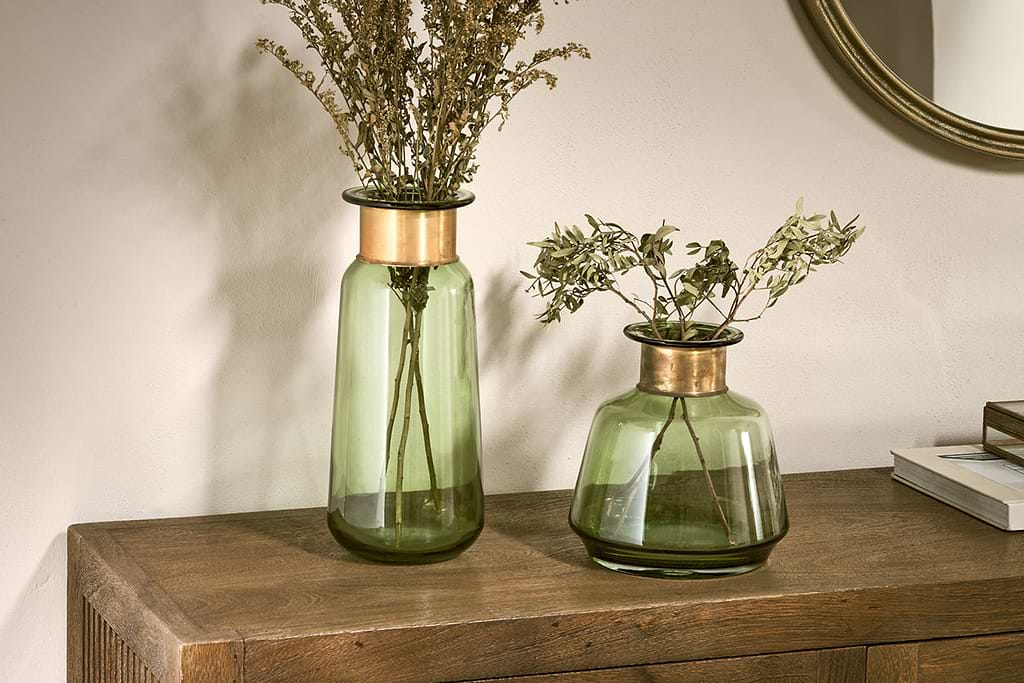
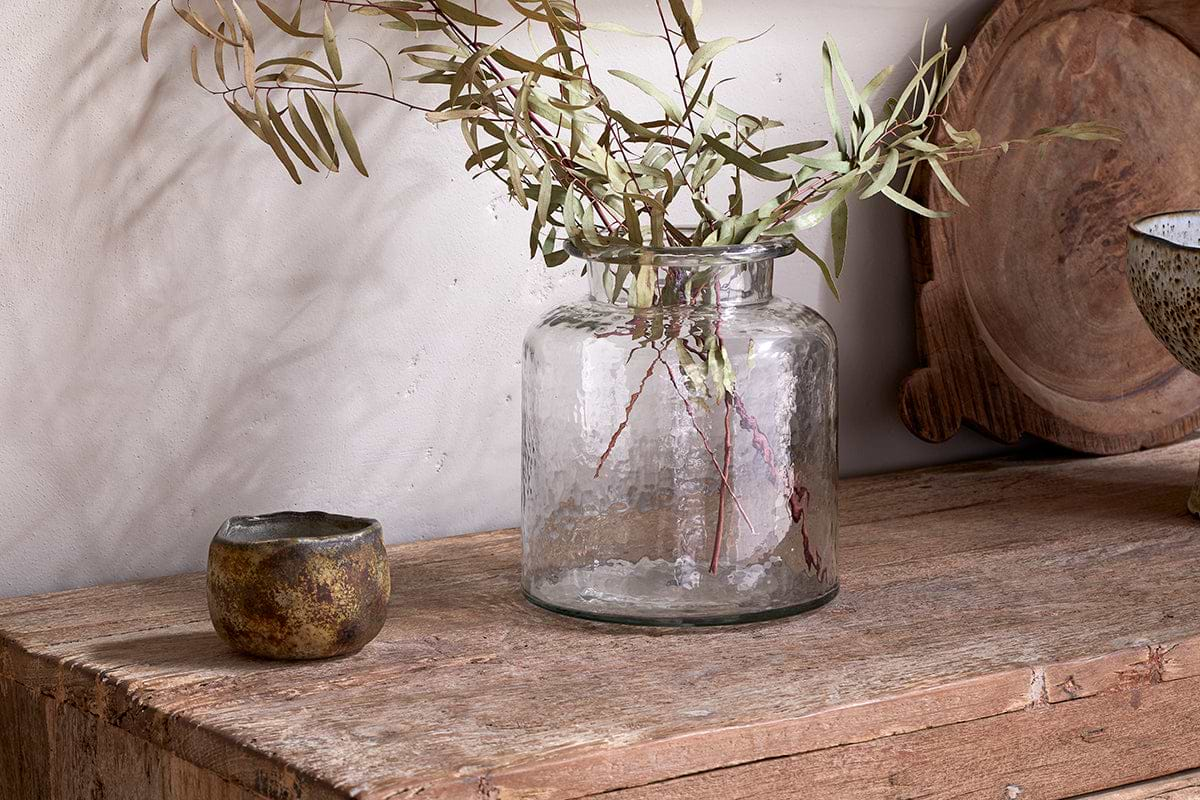
Akra Recycled Glass Vase
Clear cylindrical glass, pairs with stems or sits empty as a quiet accent.
View at Nkuku →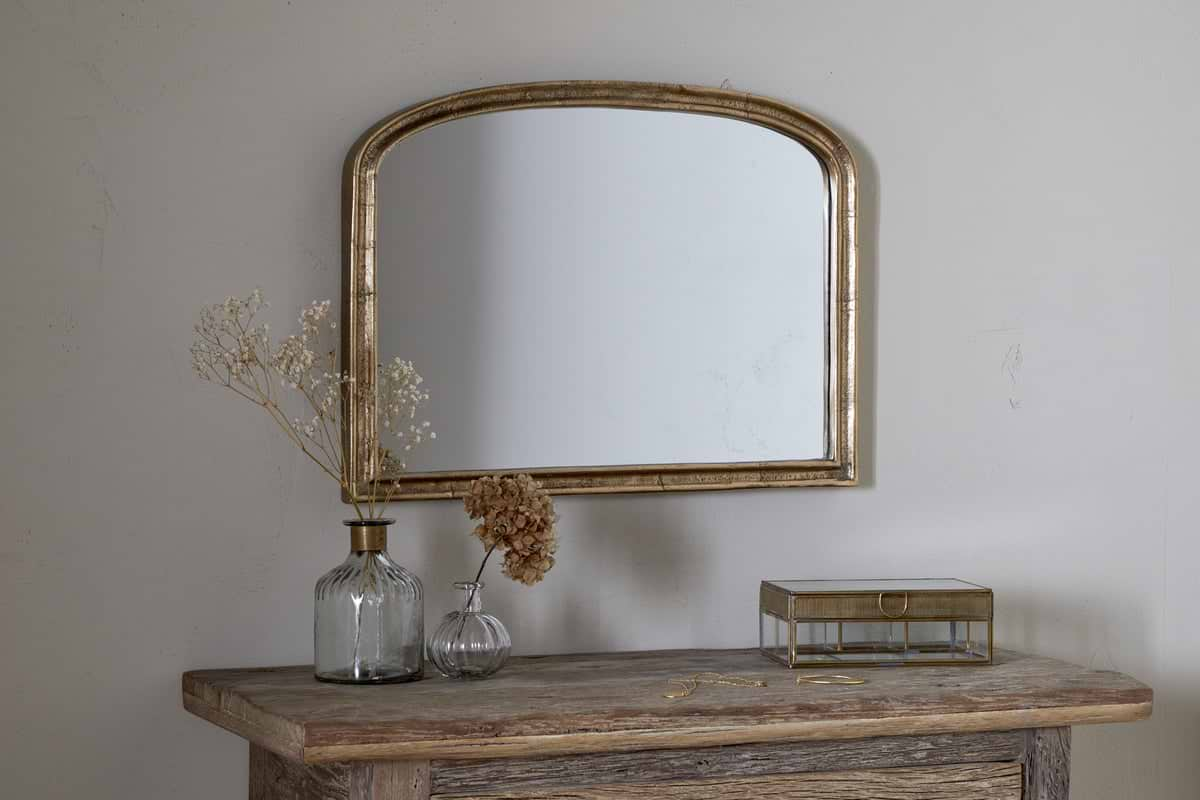
Some links above are affiliate links. If you buy through them we may earn a small commission at no extra cost to you. We only suggest pieces we think fit a calm, lived-in home.
Free guide
The Calm Shelf
12 styling ideas to help you compose calm, balanced shelves in natural texture homes.