

White walls do not always feel fresh. In many UK homes, plain painted plaster can look flat, highlight every scuff, or feel cold in low light. Wall decorative plaster sounds like an easy fix, but choosing among textured lime, Venetian, or pattern options raises fresh questions and worries about what’s right for each room.
You can get a subtle, calm look by removing glossy paint and picking a finish that suits your wall, light, and living habits. Today, you’ll see how each type of plaster feels, where it works, how light and air behave, and what to avoid if you want the result to stay quiet and natural. This works especially well in a sitting room prone to glare when the sun moves because a matte, gently textured plaster softens the light and hides marks.
The short version: Wall decorative plaster gives everyday rooms a soft, textured look using natural materials that catch light without glare. Choose lime or Venetian for a quiet effect; the practical outcome is warmer walls, hidden scuffs, and a subtle finish suited to busy living.
Key takeaways
- A wall decorative plaster finish hides small marks and adds warmth, especially in low-light or high-traffic areas.
- Venetian plaster reflects light with subtle sheen, while lime plaster absorbs it for a matte, relaxed feel.
- Decorative limestone plaster is both breathable and moisture resistant, making it suitable for kitchens or bathrooms (according to The Decora Company).
- Textured plaster motifs create a focal point without overwhelming a space or adding clutter.
- Choosing the right finish comes down to matching texture and breathability to each room’s use and natural light.
- What is wall decorative plaster, and how is it different from regular plaster?
- Where this works best
- How do lime and Venetian plaster finishes compare?
- The gentle appeal of textured, natural walls
- How to use decorative plaster to create a calm accent wall
- Styling and placement
- How do you avoid common mistakes with decorative plaster?

What is wall decorative plaster, and how is it different from regular plaster?
Wall decorative plaster uses natural minerals and special textures to bring visual softness, unlike standard structural plaster which is mainly for flatness and strength. Decorative plaster changes how a wall looks and feels, turning a plain surface into a muted backdrop or subtle highlight.
Most UK homes have basic gypsum plaster under their paint or wallpaper, mainly installed for flatness and easy painting. This typical background, like Thistle MultiFinish Plaster, is smooth and functional. It covers rough surfaces but rarely adds interest once painted.
Wall decorative plaster introduces a new layer on top of the basic skim. This layer might be fine-grained and nearly matte (as with lime or limestone) or lightly glossy (as seen with Venetian finishes). Unlike structural plaster, these finishes use natural colour variation and texture for an understated look that hides fingerprints better than plain emulsion.
The result is a softer, more lived-in feel than a crisp painted wall. Compared to simple white paint, decorative plaster gives a wall its own personality without shouting for attention. A wall left flat can seem unfinished or cold; a thin plaster coat brings warmth and subtle depth, especially when matched to real light levels in the home.
A hallway with low winter sunlight will benefit most if you use matte, textured plaster instead of gleaming paint. This slows reflection, keeps the space feeling calm, and helps busy corners age more gently.
Where this works best
Textured decorative plaster works especially well in rooms with high traffic or low natural light, where painted walls show marks or seem chilly. Choosing the right finish adds quiet character and hides wear, making it easier to live with daily.
Sitting rooms, hallways, and bedrooms in rental homes or busy houses often feel tired by midweek. White paint on basic plaster flakes or picks up fingerprints near corners and doorways. Here, a soft, natural decorative plaster hides imperfections and makes the space look finished without fuss.
In a kitchen or bathroom, decorative limestone plaster does more than look good, its natural breathability means moisture won’t be trapped, reducing the risk of peeling or damp. This shifts a high-splatter kitchen wall from delicate to durable while staying muted.
Avoid using highly textured plaster in a very narrow hallway, where every protrusion could snag a jumper or catch dust. Instead, go for a fine texture or gently polished finish in these spaces, something that’s easy to wipe and doesn’t crowd the passage. A living room with a single accent wall can take a soft Venetian finish, but whole-room texture could be too much for small bedrooms.
How do lime and Venetian plaster finishes compare?
Lime plaster gives a matte, stone-like surface that absorbs light, while Venetian plaster offers a soft sheen and gentle depth. Each changes the feel of a room and its light in distinct ways.
Lime plaster feels dry and powdery, showing natural colour shifts that change with the sky and time of day. It’s ideal for old homes or spaces that want a restful, chalky wall. The natural lime content means the wall can breathe, important for avoiding condensation build-up in kitchens and older houses.
Venetian plaster blends lime with marble dust, giving a denser, almost creamy appearance. Unlike the matte of lime, Venetian’s surface has a subtle gloss and depth but it doesn’t glare like semi-gloss paint. A sitting room accent wall in Venetian plaster can catch afternoon light with a gentle shine and reflect lamp-glow for a warmer look at night.
| Type | Main Surface | Room Suitability |
|---|---|---|
| Lime plaster | Matte, powdery, absorbs light | Bedrooms, cottages, low-light halls |
| Venetian plaster | Softly polished, gentle sheen | Accent walls, modern living rooms |
Compared to painted drywall, both finishes will last longer and cope better with minor knocks, light colour variation in plaster helps conceal inevitable wear. If you need a surface that breathes, choose lime. For a surface that looks richer under soft lighting, use Venetian. Both can be subtle if the application is kept thin and the colours are chosen softly, rather than going for bold or dark shades that overwhelm a calm palette.
Most readers find a calm finish works best when they limit both the palette and the surface reflectiveness on adjacent walls, mixing a glossy white with a matte plaster usually looks disjointed.
The gentle appeal of textured, natural walls
Decorative plaster brings both visual texture and a physical softness that painted drywall can’t match, making rooms feel more relaxed and grounded. The finish pulls light in, softening glare and adding lived-in comfort.
In open-plan spaces, large painted walls may bounce harsh light or show every scrape from bags and furniture. Using decorative plaster with a gentle sand or stone texture breaks up this harshness. The eye doesn’t catch on shine or hard edges, making the room feel easier over long days and evenings. A room with visual breaks in the finish feels more welcoming.
Texture adds more than looks, it covers uneven old plaster and even outshadows fine cracks, extending the time before a surface needs touching up. Textured finishes without strong patterns read as peaceful rather than busy, so they won’t fight with natural wood, baskets, or hand-thrown ceramics elsewhere in the home.
Compared to heavy raised motifs or faux finishes, a light texture (like marmorino or a sandy lime mix) adds presence without shouting. A small, sunny study can feel balanced by a single textured wall, keeping the rest plain for clarity and focus.

How to use decorative plaster to create a calm accent wall
Choosing one wall for a decorative plaster finish lets you add texture and interest without overwhelming the whole room. A soft accent wall acts as a gentle visual anchor, especially in open or multi-use spaces.
Select a wall that catches indirect light, behind a sofa, bed, or along a corridor that opens to natural light. Most accent walls work best if you avoid placing too many shelves or bold art directly on top; the plaster’s own texture and colour add enough presence to stand alone. Unlike a painted feature wall, plaster has tonal shifts, so the effect stays soft, not abrupt.
In a dining space, a calm accent wall draws focus and absorbs noise, unlike gloss or hard wallpaper that bounces sound. For renters, applying decorative plaster over a removable base (such as a thin primed lining paper) means you can enjoy texture without permanent change. Compared to a wall of bold tiles or mural wallpaper, a natural plaster accent can outlast trend changes and won’t tire the eye.
Quiet accent walls help anchor the rest of the space: a rich Venetian plaster behind the headboard keeps a bedroom feeling wrapped and calm. Keeping other walls matte and neutral helps the accent wall look planned, not out of place. For more ideas on using plaster as a highlight, see our piece on polished plaster wall styling.
Styling and placement
A wall finished in decorative plaster works best when paired with restrained furniture and simple decor, letting the texture stand out without being cluttered. Palette, placement, and spacing matter more here than in standard painted rooms.
Keep the main focus clear. A calm plaster wall needs only one or two supporting pieces: a single woven bench, a clay vase, or a piece of simple art. Unlike a busy gallery wall, restraint lets the surface breathe and draws the eye to natural texture, especially in small rooms or apartments where space is tight.
Placement changes the mood. Spacing out objects, using natural fibres, and choosing neutral tones keep plastered walls from feeling busy. If you set a pale ceramic lamp against a Venetian finish, the gentle reflection deepens the look without tipping into glare. Compared to densely packed shelves, open arrangements keep the feel relaxed and easy.
Quick calm checklist:
- Stick to one or two natural textures per wall, plaster plus linen, clay, or unfinished wood feels easiest.
- Limit wall art to a single calm piece, or group three small items with generous space between.
- Use lighting that is gentle: wall lights, shaded lamps, or soft LED strips work well with plaster texture.
- Choose soft, low-contrast palettes, greige, soft earth, stone white, pale sage.
In any room, a repeated texture, like a plastered wall paired with a linen curtain, looks more anchored than a mix of strong patterns. For more warm, simple decor ideas, see our guide to natural home decor.
How do you avoid common mistakes with decorative plaster?
The most common mistake is using too much texture or a strong colour, which can make a room look busy or patchy. Keeping plaster layers thin and shades gentle protects against distraction and keeps the result subtle.
Heavy trowel marks, bold pigment, or uneven patches turn a decorative plaster into a distraction, especially in small rooms. Unlike paint, plaster is hard to touch up once set, so applying it with a light hand, and checking in soft daylight, makes a real difference. If you want a smooth, easy-care finish, opt for a softly polished Venetian surface instead of a rough stucco.
When applying yourself, start on a less noticeable wall. Most DIYers find the first try requires patience. Let each thin layer dry fully, rushing leads to streaks or flaking. According to The Decora Company, clean tools and full drying between coats are key to a long-lasting, even wall.
For details like a doorway or light switch, a flat brush or small trowel gives control. Unlike thick structural plaster, decorative finishes tend to be forgiving if kept minimal, it’s easier to blend or sand back an error gently than to fix a patch of bold gloss. Finish by removing dust before furniture returns; a clean wall stays softer in appearance and touch.
A homeowner often realises something feels “off” when a room looks busy even after decluttering, or walls catch every fingerprint despite careful cleaning. With wall decorative plaster, finding one focal wall and a gentle finish solves the problem of a space that feels unsettled, especially under bright or shifting light.
Many make the mistake of picking the strongest texture or deepest tone, thinking it will add character, but the effect can look patchy or heavy instead. If walls feel unrestful or crowded after a project, subtlety is usually the missing step. The shift comes when one surface, gently textured and left mostly clear, replaces patches and multiple bold items. The result is a room that is easier to keep clean and looks finished with less furniture or art.
Save this idea for later.
What tends to hold up with wall decorative plaster
Reviewing hundreds of rooms and reader questions, subtlety stands out: soft, natural plaster finishes resist trends and wear. Most decorators find that thinner layers and restrained colour endure better than bold applications, especially in family spaces or rentals. Matte finishes get recommended again and again for rooms near windows, because they soften light and avoid glare better than any glossy alternative. Texture always needs balance, mixed with just one or two simple objects, the room keeps its calm. These lessons repeat across all calm homes studied for Loom & Glow.
, Mara, Loom & Glow
Common questions
What is wall decorative plaster, and how is it different from regular plaster?
Wall decorative plaster uses natural minerals and special textures to bring visual softness, unlike standard structural plaster which is mainly for flatness and strength. Decorative plaster changes how a wall looks and feels, turning a plain surface into a muted backdrop or subtle highlight.
How do lime and Venetian plaster finishes compare?
Lime plaster gives a matte, stone-like surface that absorbs light, while Venetian plaster offers a soft sheen and gentle depth. Each changes the feel of a room and its light in distinct ways.
Where does textured decorative plaster work best in a home?
Textured decorative plaster works especially well in rooms with high traffic or low natural light, where painted walls show marks or seem chilly.
Explore more calm combinations inside our Shop The Look .
Shop the Look
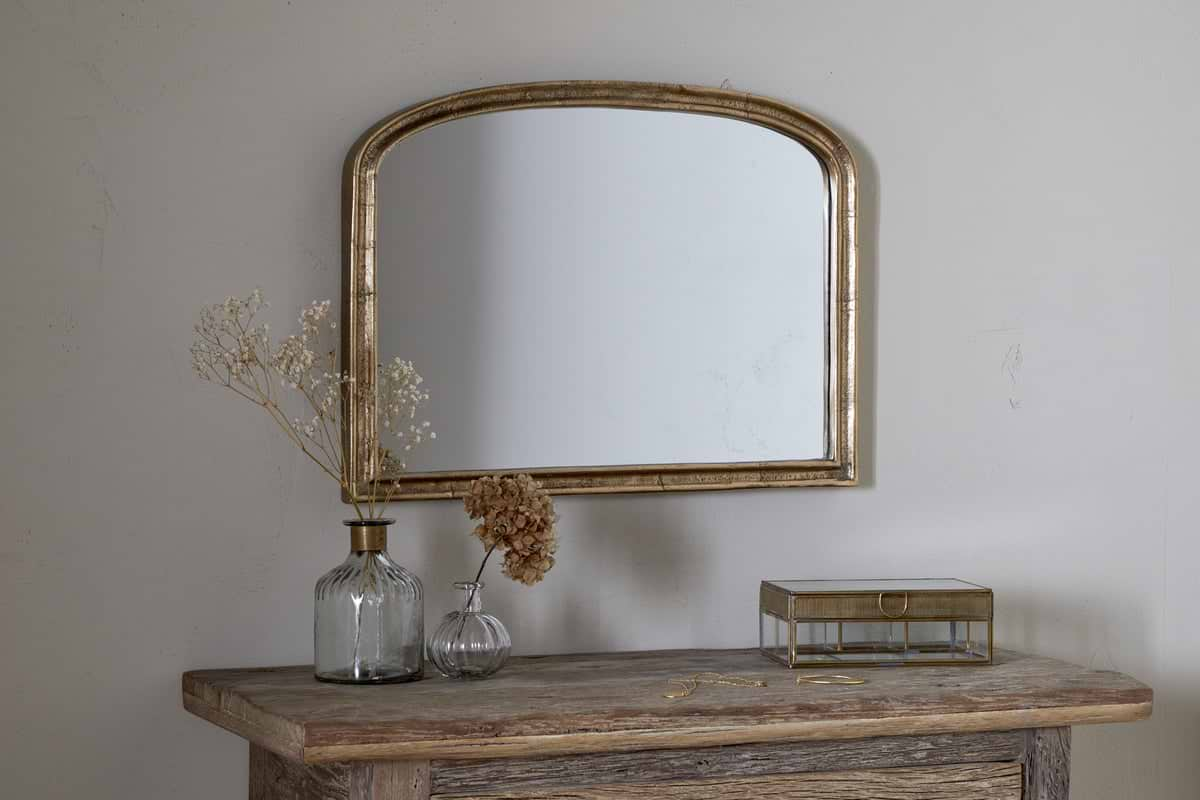
A few Nkuku pieces that complement textured plaster walls.
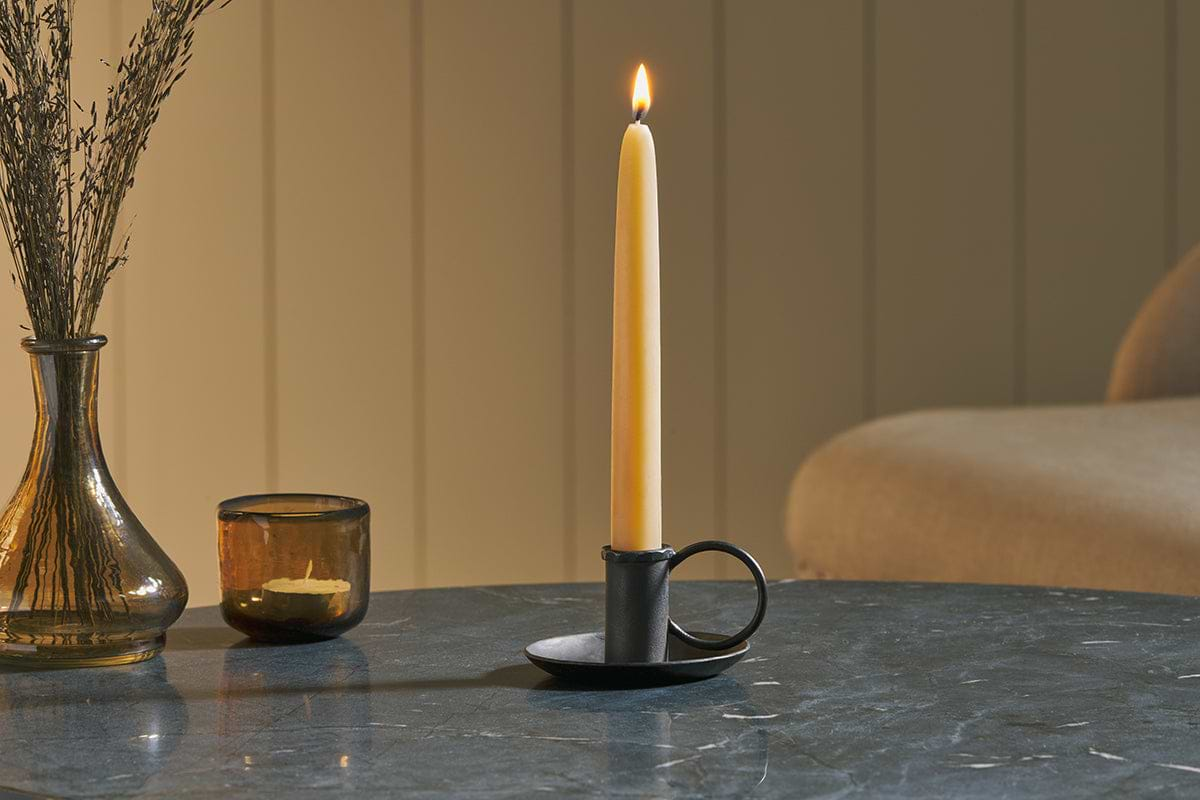
Amri Iron Candlestick
Slender iron with quiet presence, works alone or in clusters of three.
View at Nkuku →Some links above are affiliate links. If you buy through them we may earn a small commission at no extra cost to you. We only suggest pieces we think fit a calm, lived-in home.
Free guide
The Calm Leaf
12 quiet ways to bring dried botanicals, stems, and natural textures into calm spaces.