

Clutter gathers quickly when storage is short and wall space gets tight. Many renters and first-time buyers try shabby chic wall shelves, hoping chipped paint and worn edges will hide mess but end up making things look neglected instead of soft. The difference between inviting and accidental can come down to one detail, one finish, or the wrong type of wood.
If you want shelves that calm the room, it starts with where you place them, what you store, and how little you add. This works especially well in a small hallway when floor space disappears because every inch off the ground needs to serve a purpose and keep the room gentle, not busy.
The short version: Shabby chic wall shelves create practical storage and a gentle look when you use natural materials, soft textures, and leave space clear. Grouping simple items, like a white bowl, woven basket, or small clay pot, keeps your shelf from feeling crowded or chaotic.
Key takeaways
- A shabby chic wall shelf looks calm when most of the surface stays unfilled and only a few objects have color or shape.
- Distressed finishes on pine or reclaimed wood feel soft rather than messy in rooms with steady light and neutral walls.
- Floating shelves suit small apartments because they offer storage above eye level and free up floor space.
- Hand-painted, small pine shelves work well for displaying light items but not for heavy storage, according to Goodwood Originals.
- Wire or heart-shaped metal shelves suit bathrooms by storing and drying items without holding onto moisture.

What defines a shabby chic wall shelf?
A shabby chic wall shelf usually features a distressed finish, rounded edges, and soft colors that blend with pale or textured walls.
Most shabby chic shelves use pine or reclaimed wood, sometimes hand-painted with chalky white, oat, or powdery blue paint. You’ll see knots, brush marks, and corners rubbed back, often revealing layers beneath. Unlike glossy lacquered shelving, these finishes scatter light in a subtle, muted way.
The shelf itself might be floating, with hidden supports, or wall-mounted with decorative brackets. Hand-painted, small pine shelves are sold as individual pieces for gentle display rather than bulky storage, according to Goodwood Originals. A large wall-hung piece can feel heavy, but a single, weathered pine board looks easy and relaxed.
A bare board shows off the wood’s real texture, while wire or heart-shaped metal shelves, both used for display and storage, lean playful and work best where moisture is a problem. A whitewashed board holds steady against pale walls, but a bright gloss paint will jump out and break the look.
Where this works best
Shabby chic wall shelves suit small apartments, bathrooms, or narrow kitchens where floor space is limited and surface clutter builds up quickly.
Rental homes often need storage that’s easy to install, patch, or move out. A shabby chic wall shelf keeps things off kitchen counters or bathroom sinks without needing deep cabinets. This shelf style makes sense in entryway nooks, over radiators, or on the only free stretch of wall in a hallway.
Daily use is plain and practical: a mug, keys, or cotton hand towels. In a busy kitchen with low light, even a small distressed shelf holds spice pots or mini baskets without crowding the backsplash. An open, wall-mounted shelf can air-dry hand towels better than a glossy unit with a closed back.
Avoid using a distressed painted shelf as the only storage in a heavy-use living room. Multiple shelves, or ones stacked on busy wallpaper, often draw too much attention to their flaws and make the wall read busy, not gentle. Bedrooms with calm walls and softer fabrics help these finishes blend in, while a crowded gallery wall creates visual noise.
How do you keep a shelf from feeling messy?
A shabby chic shelf feels calm if at least two-thirds of the surface stays open, while grouped objects sit low and blend into the background.
Bedrooms with small wall shelves above the bed often collect stacks of books, frames, or scented candles. A shelf feels overworked when every inch is used up, compared to one with a single glazed vase and a folded cloth. The empty space works harder than the object itself.
A key cause of visual calm is grouping similar materials, a stone pot next to a stacked linen napkin sits quietly, while a full rainbow of jars and trinkets creates scattered energy. Grouping one or two soft shapes keeps the shelf steady and stops the eye from darting from object to object.
Bathroom shelfs with glass jars instead of woven baskets can look lighter but echo more sound, which small spaces amplify. A heavy old book creates weight, especially on a shallow board, while a single wire basket lets the light move through. A simple approach to shelf styling makes even the plainest object feel cared for.
Why does the distressed finish matter for a calm interior?
A true distressed finish on a shabby chic wall shelf scatters light gently and softens the line between the shelf and wall, making the space feel quieter.
Painted and sanded wood, or hand-applied whitewash, keeps each shelf from feeling too new or cold. The chipped edge lets the shelf fade into its surroundings and keeps the focus on a woven basket or hand-thrown mug instead of a perfect slab of board. In rooms with flat white walls, a shelf with fine brush marks reads warm, while brand-new high-gloss edges look jarring.
Distressed finishes aren’t just for looks. They cover small scuffs, help patched nail holes disappear, and clean up easier than unsealed bare wood. A pine or reclaimed board with a patina can weather the humidity of a bath or kitchen without showing every drip.
Compared to bold, glossy finishes, sanded edges and faded paint feel steadier over time. A shelf with a whitewashed finish hides dust better too, so busy entryways don’t always look in need of cleaning, while a black painted rail attracts every fingerprint.

Styling and placement
Shabby chic wall shelves look their quietest when placed away from eye-level clutter, with soft shapes and a limited palette, anchored by one clear piece.
Open shelves above a sofa or next to a window get too busy if stacked with miscellaneous items: instead, choose one main display, such as a linen-covered basket or heart-shaped ceramic. The room reads calmer when a single texture or color repeats, a white-washed shelf with a cotton towel, for example, compared to a shelf holding assorted bright souvenirs. Placement matters; wall-mount higher in small spaces so the shelf lifts belongings up, not into the main view.
A round-edged shelf in the bath, fitted with a wire basket for soap, lets moisture escape and stops mold, unlike a deep wood box that might warp over time. In a rental, foam tape or slim screws patch easily, so the shelf can move rooms as needs change.
Quick calm checklist:
- Choose pale woods, whitewashed finishes, or hand-painted pine.
- Leave most of the shelf surface empty, for every two items, keep an open space beside or below.
- Limit accents to one calm color or repeat a single texture (wicker, linen, wire).
- Anchor with a single focal object, a bowl, framed pressed flower, or shaped basket.
- Hang slightly above eye level in tight spaces for an airy feeling.
What’s the difference between shabby chic and rustic?
Shabby chic wall shelves feature softer colors and a lighter, distressed finish, while rustic shelves use heavier, darker woods and show off chunky textures.
Rustic often means chunkier cuts, unfinished edges, and wood left close to its natural color, think raw oak, weathered barn wood, or thick reclaimed planks. These are heavier, sometimes with visible knots or metal bracing. Shabby chic shelves, instead, lean toward slim pine boards, painted in pale shades, and sanded to a soft touch. Wrought-iron brackets feel strong and old farmhouse; filigree heart-shaped wire or painted metal is pure cottage core charm.
For storage, rustic shelves can handle more weight and may suit kitchens where cast iron pans, stoneware, or cookbooks pile on. Shabby chic shelves hold better in bedrooms and bathrooms where small, pretty objects or folded towels take the stage. Wire shelves combine both: Heart-shaped metal shelves are usually sold for display and storage in bathrooms as they let water drain and air circulate.
| Feature | Shabby Chic | Rustic |
|---|---|---|
| Colors | Pale, whitewashed, soft | Warm, wood grain, dark |
| Finish | Distressed, hand-painted | Unfinished, chunky |
| Best rooms | Bedroom, bathroom | Kitchen, entryway |
Unlike the heavy look of rustic, a shabby chic shelf settles in quietly and rarely overpowers pale walls. Rustic wood, if mismatched with pastel paint, can look rough and out of place. Pairing a hand-painted shelf with a linen runner and soft ceramics is a rule of thumb that helps ground the look.
How do you avoid the most common mistakes?
The most common mistakes are overfilling shelves, using finishes that clash, or hanging the shelf at the wrong height for the space.
Hallways often feel narrow and quickly become crowded with keys, mail, and small baskets. Overloading a shabby chic shelf defeats its soft appeal, less is always more. Using three framed photos of different colors creates confusion, but a single pressed flower or clay bowl makes the shelf feel easy. A shelf hung too low in a corridor is prone to bumps or feels out of place; instead, just above hand height keeps things safe but useful.
Secondary mistakes come from finishes: a distressed cream shelf beside a new black bookcase will look out of step. Keeping colors soft and textures close helps shelves blend. Bathrooms need finishes that can handle splashes; wire or mango wood wall shelves with hooks work for towels and woven baskets, while untreated pine can warp over time in humidity.
Ignoring scale and proportion is another pitfall: large, deep shelving dwarfs a short wall and can look bulky. A floating shelf is often enough for displays, while two matching shelves in a gap can balance a longer hallway. The shelf reads calmest when its width doesn’t overshoot the furniture below.
There’s often a moment after hanging the shelf when the wall still looks unsettled. The finish draws the eye, but something about the length, height, or what sits on it just feels unfinished or heavy. This is a good prompt to step back and check placement, surface, and what’s actually needed to store.
The biggest shift comes when you pick one anchor piece, a basket, a white bowl, or a folded towel, and leave the rest open. Limiting the number of colors and keeping most of the board empty changes the whole effect from scattered to steady.
Plenty of homes end up with shelves crowded by bits and pieces: mismatched frames, too many books, a tangle of cords or mail. The room feels busy, or worse, unfinished. The core problem is too much on the shelf, too many shapes, or a color that jars against the wall, especially with distressed pieces.
When you pare back to a single element or repeated texture, it feels instantly quieter.
Save this idea for later.
What tends to hold up with gentle shelf styling
Shelves with matte finishes hold up better in bright rooms because they scatter, rather than bounce, light, according to many professional decorators. Reviewers often note that hand-painted pine rarely shows water rings or fingerprints, especially above sinks or coffee stations. Designers consistently recommend using one strong material, like linen or whitewashed wood, to anchor the display, so the shelf looks settled and less like a leftover.
When grouped with care, even a distressed shelf picks up steadiness from its neighbors. Over time, natural wear adds more character, not less, if the shelf starts calm and uncluttered.
, Mara, Loom & Glow
Common questions
How can I style my shelves to make them look intentional, not cluttered?
The best way to keep shelves looking intentional is to limit items and group by material, color, or shape. Leaving empty space between objects lets the wall show through, which calms the arrangement. Using a repeated texture, for example, a soft linen or a matte ceramic, grounds the shelf and keeps things from feeling random.
What is a more modern term for the shabby chic style?
The most common modern term for shabby chic is “cottage core,” though some people refer to it as vintage-inspired or relaxed farmhouse. These new phrases put the focus on comfort, pale colors, and handmade details, but the appeal is similar, simple, worn surfaces and calm spaces.
What are the most common mistakes people make when hanging wall shelves?
The main mistakes are hanging shelves too low or high, using the wrong fixings, and overloading the shelf. Choosing finishes that contrast with the wall or placing heavy items on small hand-painted boards also causes trouble. When shelves match wall tone and hold just a few items, the whole effect works better.
What are some decorative alternatives to using a standard shelf?
Wall hooks, vintage ladders, picture rails, floating ledges, and shallow crates offer alternatives to traditional shelves for storage and display. Baskets hung on wall pegs or wire racks deliver similar function with less bulk. Choosing a piece that suits the room’s color and texture helps keep the look soft and lived-in.
Explore more calm combinations inside our Shop The Look .
Shop the Look
A couple of quiet glass pieces that sit beautifully on a painted shelf.
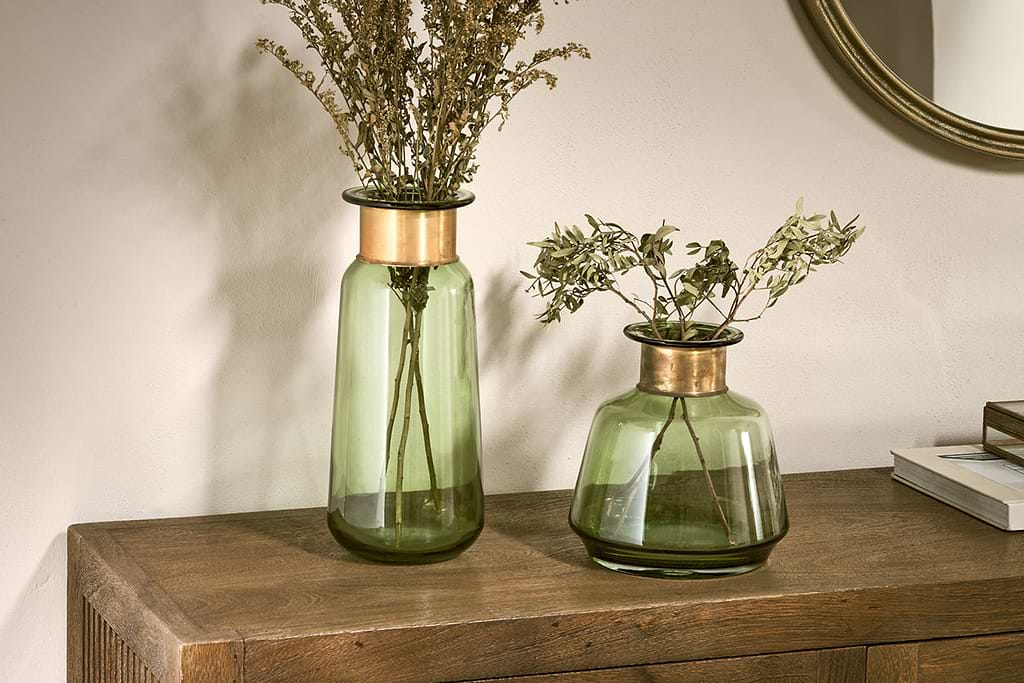
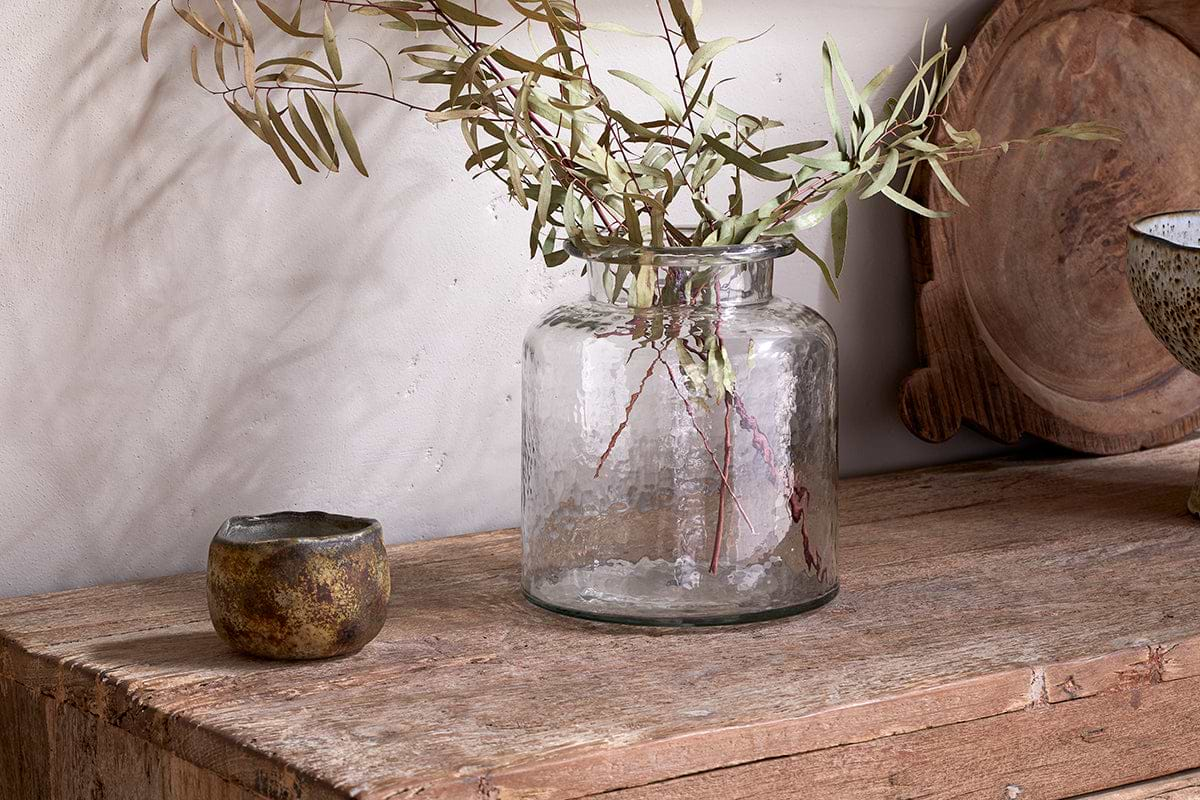
Akra Recycled Glass Vase
Clear cylindrical glass, pairs with stems or sits empty as a quiet accent.
View at Nkuku →Some links above are affiliate links. If you buy through them we may earn a small commission at no extra cost to you. We only suggest pieces we think fit a calm, lived-in home.
Free guide
The Calm Shelf
12 styling ideas to help you compose calm, balanced shelves in natural texture homes.