

A small bedroom can make decorating for warmth and character feel challenging, especially if you want a relaxed look. Many boho bedroom ideas promise comfort and color, but when square footage is tight, extra throws, layered pillows, and baskets can crowd the room or collect dust.
The best results come from choosing calm textures and pared-back pieces, not layering for the sake of it. This works especially well in a compact bedroom when storage is limited because it helps the space stay inviting without looking busy. Today you’ll see where to start, what to leave out, and exactly how to set up a calm, collected boho bedroom, no clutter, no chaos.
The short version: Boho bedroom ideas for small spaces work best when you start with simple textures and a limited palette, then bring in a few natural accents. You’ll trade clutter for comfort and get the look without things feeling crowded or messy. Focus on material, not more objects.
Key takeaways
- A neutral color base makes small bedrooms feel lighter and less cramped.
- Layered bedding in natural fabrics adds warmth without overwhelming the room.
- Woven baskets and rattan trays act as useful storage with natural texture.
- Plants bring life to corners that might otherwise look forgotten.
- A shelf looks calmer when it’s two-thirds clear, according to professional organizers.

How do you define the look without clutter?
A calm boho bedroom depends on using just a few standout textures and pieces, rather than filling every inch. A limited selection lets each material or color breathe.
In a compact bedroom, the wrong mix of pattern and too many accessories can feel restless. People often add every trend they see, tapestries, beaded pillows, baskets stacked in every corner, but the room loses any focus.
A better approach is to define the look with just three to four ongoing materials, such as natural wood, one woven accent, and one major textile pattern. Unlike a layered maximalist style, these choices frame the room with a steady hand and set a visual anchor point.
Even a low bed frame or slim nightstand can be a main feature if it has strong texture, like cane or distressed wood. This works well for renters who can’t paint walls and need the room to move with them. A limited set of objects keeps cleaning easy, dust doesn’t gather in extra macramé.
A small boho bedroom looks complete without feeling busy by anchoring one focal material and letting empty space do the rest.
Start with a neutral and textured base
A neutral palette, creams, pale beige, soft gray, stretches small spaces and shows off boho textures as the main detail. Layering in natural fibers adds subtle depth.
A light base is a classic tool in small-space decorating because it lets a room breathe. Deep colors and dark patterns tend to close a small bedroom in, but oatmeal, sand, or white walls set the background for whatever subtle rugs, linen throws, or woven art you add on top.
Texture replaces loud color: spend on a slubby linen duvet, a gently patterned jute rug, or a single chunky knit pillow instead of crowding in too many shades. Even one textured macramé wall hanging does more than a jumble of smaller trinkets.
Compared to bright or saturated colors, natural shades feel softer in the morning and don’t fight with shifting daylight. A good rule of thumb: a neutral bedroom with two main textural accents looks finished even if sparsely furnished.
Place a light-toned flatweave rug under the bed and keep the main bedding in similar shades, this keeps the floorplan open and makes every wood or woven detail stand out.
Where this works best
This style fits best in compact bedrooms where storage space is short and walls can’t be painted freely. Rental bedrooms or older homes with awkward closets are good candidates.
The approach comes into its own in small apartments, shared homes, or any rental bedroom where nails in the wall and strong color are not options. Picking anchor pieces, like simple wood, cream canvas, or mid-tone rattan, and keeping most of the palette light stops the room from closing in on itself.
Day to day, it helps to keep only what you actually use near the bed: one textured blanket, two pillows max, and perhaps a woven basket for night-time items. Instead of tables stacked with trinkets, a low wooden stool and a single plant fills the function with less visual noise.
Avoid bringing in bright color or heavy wall hangings where there isn’t space for them to breathe. Unlike a large bedroom with lots of natural light, a small, north-facing room will feel flat and weighed down if every surface holds something patterned.
Try the pared-back boho look in a bedroom that needs both a reset and routine, where stripping out extras makes every morning feel less frantic.
How to use rattan, jute, and linen
Rattan, jute, and linen work best as anchors, not add-ons, choose one in each category and repeat it in two places for subtle impact.
Rattan often appears in headboards, storage baskets, or accent chairs. In a tight bedroom, one caned bedside table or a half-height shelf should be the only rattan piece in the room. This stops the look from tipping into themed or kitschy, and makes the texture count.
Jute rugs handle constant foot traffic and handle dust better than most plush fiber, which is helpful in rooms close to the street or shared entryways. According to Britannica, linen is not only breathable but strong enough for year-round bedding, and softens after each wash without losing its crisp shape.
Compared to synthetic throws, a linen pillow cover and a jute basket won’t pill or fade the way polyester ones do. The effect is a richer texture that always cleans up well.
Place a jute mat by the bed and double up with either a rattan stool or a simple hanging tray, spread these out so no two woven items touch.

Styling and placement
Calm boho bedrooms use fewer, larger accents, each with clear space around it, so the eye isn’t pulled in too many directions at once.
Placement matters more than quantity. Along a wall, a low shelf with three favorite objects, a clay bowl, folded throw, and a small plant, looks intentional. Compared to a full gallery wall or clustered art, a single bold textile has room to breathe and catches daylight more softly.
On the bed, go for a mix that feels useful: one main pillow, one smaller, one loose lightweight throw. Too many extras make the bed harder to make in the morning and start to gather lint and dust, especially on textured materials.
Even in a shared space, a single large rug connecting bed, shelf, and floor fixes the area visually, while floating furniture away from walls cuts clutter. A shelf half full reads finished, while an overfilled one looks heavy.
Quick calm checklist:
- Use natural fibers like linen or jute for bedding and rugs.
- Leave at least one third of every surface clear.
- Keep to three main colors, mostly neutrals, with one earth or clay accent.
- Mix textured and smooth finishes: a woven basket near solid wood.
- Let art or tapestry stand alone rather than crowding a gallery wall.
Put the main textural object opposite the window if you can, so soft light highlights the detail and keeps the room from looking lopsided.
What makes a shelf look collected but not busy?
A bedroom shelf works best when about two-thirds is left clear, with only three to five objects grouped by texture or shape.
Shelves above the bed often attract clutter, trinkets, books, dried flowers, but too many small items feel jittery. Leaving empty space gives the eyes a place to rest, which makes the whole room feel bigger.
The “rule of three” is common among professional organizers: any shelf or tabletop looks calmer with three main objects, one tall (like a vase or plant), one shorter to the side, and one textural object (like a bowl or stack of books).
A bare shelf feels stark, but one woven basket or chunky pot draws attention and finishes the space. Unlike a full shelf, a partly empty one stays easy to dust and doesn’t compete with the bed.
Use floating or wall-mounted shelves instead of floor units, these let the light move through and make small bedrooms feel open.
How do plants and light change a boho bedroom?
Even one healthy plant and some natural light make a boho bedroom feel more relaxed, less like a set. Plants soften hard corners and daylight brings out woven detail.
Bedrooms with one or two upright leafy plants, like a snake plant on the floor or small trailing pothos on a shelf, tend to look lived-in instead of staged. A bright green leaf by the pillow brings out the colors in woven or natural wood without adding more objects.
Sunlight from the side or across the foot of the bed shows off slubbed linen, catches the fibers in a jute rug, and makes pale colors glow. Unlike heavy curtains, gauzy linen lets soft light in but filters glare for slow mornings.
Group a single plant with a rattan tray or basket at the base of the bed, away from tight doorways, and keep windowsills clear so the room never feels overgrown.
What tends to hold up with boho style in small bedrooms
Looking at how small bedrooms handle the relaxed, boho look, the best spaces use just a handful of natural materials in strategic spots, never everywhere at once. Decorators often recommend repeating the same texture so each piece is easy to read against a plain base, rather than mixing a dozen global finds together. One consistent tip is that flat-woven rugs and linen bedding show minimal wear in everyday use, so the room stays easy to refresh. Unlike busy gallery walls or deep jewel colors, a calm base helps the eye settle, and makes cleaning and styling much faster week to week.
Texture and open space never go out of style in bedrooms that need to do a lot with only a little floor area.
, Mara, Loom & Glow
Common questions
How do you define the look without clutter?
A calm boho bedroom depends on using just a few standout textures and pieces, rather than filling every inch.
What makes a shelf look collected but not busy?
A shelf looks calmer when it’s two-thirds clear, according to professional organizers.
How do plants and light change a boho bedroom?
Plants bring life to corners that might otherwise look forgotten.
How should you use rattan, jute, and linen in a small boho bedroom?
Rattan, jute, and linen work best as anchors, not add-ons, choose one in each category and repeat it in two places for subtle impact.
Explore more calm combinations inside our Shop The Look .
Shop the Look
A few Nkuku pieces that suit this look.
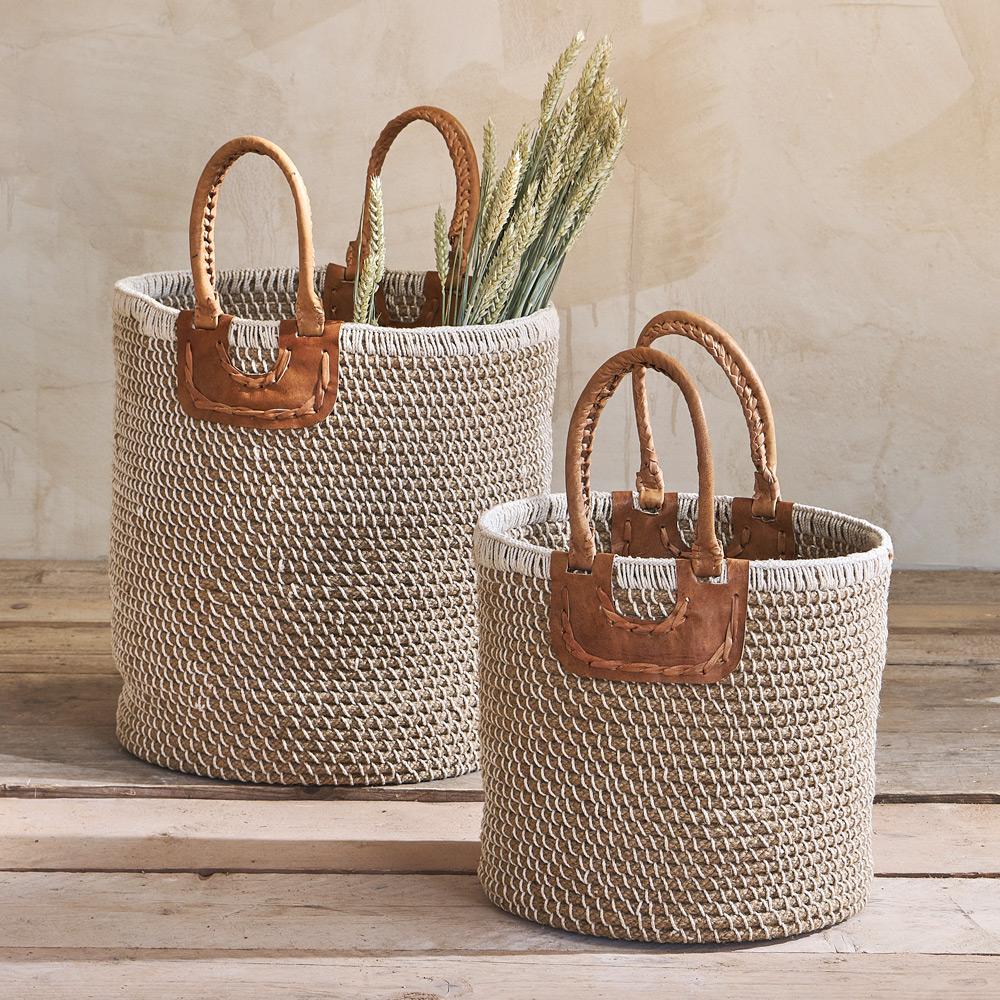
Indra Coil Basket
Natural coil weave, neat enough to leave out, large enough to hide clutter.
View at Nkuku →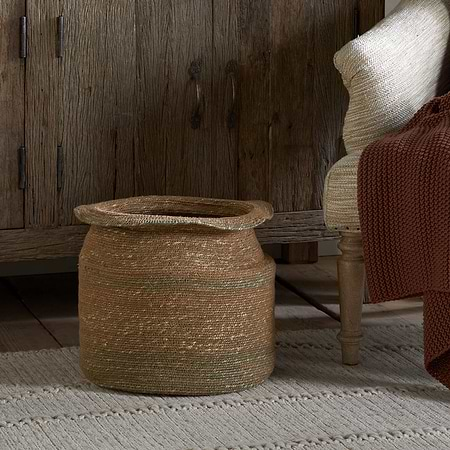
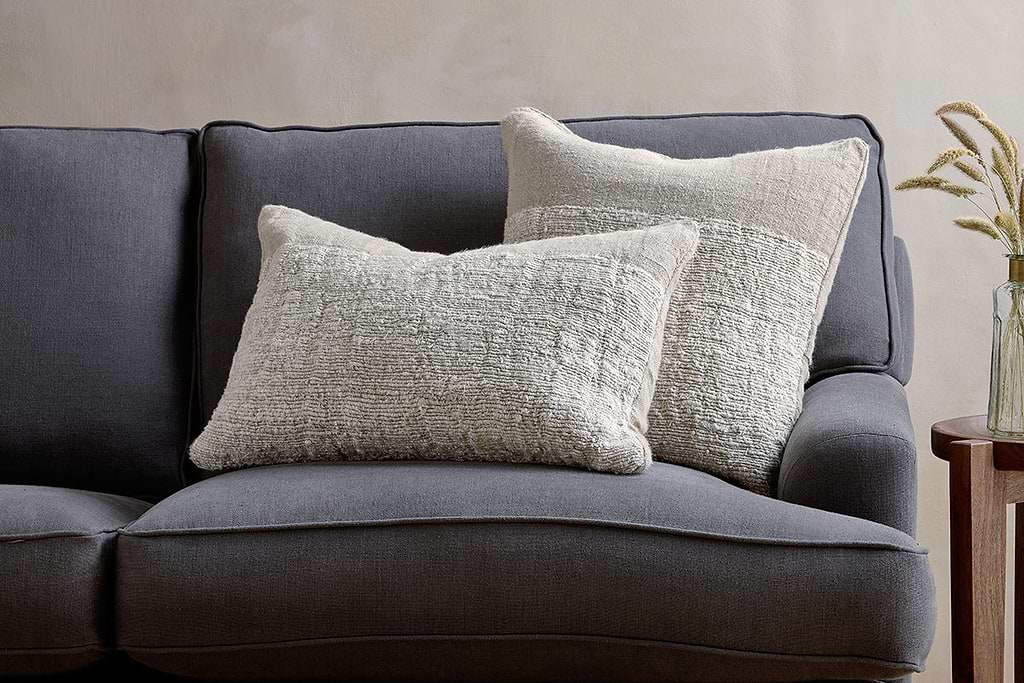
Puli Linen Cushion
Recycled linen in natural, pairs with woven textures and aged wood.
View at Nkuku →Some links above are affiliate links. If you buy through them we may earn a small commission at no extra cost to you. We only suggest pieces we think fit a calm, lived-in home.
Free guide
The Calm Shelf
12 styling ideas to help you compose calm, balanced shelves in natural texture homes.