

Stacks of books, loose shoes, and storage bins can make a small bedroom feel cramped. Many small homes end up crowded with boxes or baskets on the floor, when the real solution is often right above eye level. Using bedroom wall bookshelves keeps books and other objects off the ground and clears the floor, so the room feels less busy and more restful.
Today, we’ll look at the quiet power of putting shelves on the wall, how to choose them, where to place them, what to avoid, and how to make them feel calm, not crowded. This works especially well for bedrooms with limited floor space when floor storage adds visual clutter because lifting storage higher draws the eye up and leaves room to breathe.
The short version: Bedroom wall bookshelves give you storage that doesn’t eat into floor space, making small bedrooms calmer and less cluttered. Choose the right type, placement, and styling for a softer look without the usual mess underfoot.
Key takeaways
- Bedroom wall bookshelves free up the floor and reduce visual crowding in small bedrooms.
- A floating shelf works best when it’s anchored to wall studs for safety and strength.
- Leaving some shelf space empty helps the room feel more open and less heavy.
- Materials like wood and matte metal work well for shelves in calm bedrooms.
- Sorting by style or price is easy with retailer filters, according to Teebooks.

Why do bedroom wall bookshelves solve small-space clutter?
Bedroom wall bookshelves keep floors clear, making the room feel bigger and more open. When storage moves up, the space underfoot is lighter and easier to use.
Many small bedrooms have bits and bobs on the floor, from books you plan to read to shoe racks and laundry baskets. The room starts to feel blocked and narrow, especially at night when shadows gather around floor stacks. Wall bookshelves offer a better approach: storage that glides above the usual obstacles, turning clutter into something simpler to manage.
This vertical shift works because sightlines stay clean. Instead of tripping over piles near your bed, your eye lands calmly on shelves along the wall, with just what you need within reach. Less on the floor means an easier time cleaning and moving around, little daily tasks feel less of a hassle.
A cluttered lower half of a room draws the eye down and can make a room feel shorter. A shelf at shoulder height or above opens the view and makes a small room seem taller. Compared to chunky floor shelves, slim wall shelves make the bed itself stand out more, which creates a calmer place to rest.
If you tend to reach for your favorite book or need a spot for a reading lamp, bedroom wall bookshelves put everything in arm’s reach but out of the way. Shelving also encourages more order: books are stacked, shoes are lined up, and extras get tucked in baskets or bins.
Place a simple shelf above the bed or desk. You’ll notice immediately the floor feels clearer, the room tidier, and the mind less unsettled as you move through each day.
How to choose the right size and depth for wall shelves
The best wall shelves for small bedrooms are shallow and long enough to hold essentials without jutting out or feeling boxy. Standard depths for bookshelves run between 12 and 30 cm, according to Regalraum.
When picking shelves, depth matters nearly as much as width. Too-deep shelves hang awkwardly and invite overloading, while low-profile ones keep a clean line against the wall. Most book-sized items fit neatly on shelves around 20 cm deep, allowing for a row of novels, a planter, and maybe a lamp.
If you have a narrow alcove or space above a desk, a short shelf cut to fit the width of your wall works best. Custom floating shelves can be cut to size with widths up to 80 cm and depths up to 30 cm, as detailed by Regalraum. This kind of fit looks more built-in, less haphazard than a shelf that’s mismatched to the wall.
Sizing takes more than just matching the shelf to book height. Think about how much of the wall you want covered. A shelf that spans most of the headboard line draws the bed into focus, while shorter shelves cluster the view, sometimes feeling busy. Unlike floor-standing bookcases, wall-mounted shelves let you frame artwork or a window without fighting the furniture below.
If you want extra storage but have angled or awkward walls (think sloped ceilings or radiator nooks), shelves cut to fit these odd corners turn “dead space” into useful storage without crowding your main living area. Set your shelf at a height that doesn’t block views or get bumped by pillows, and leave some room above for an airier feel.
Avoid chunky brackets unless you want an industrial look; slim wall cleats or floating hardware create a smoother, lighter appearance that fades into the background.
Slim, shallow shelves work best above beds and desks where floorspace is most prized and movement is frequent.
Where this works best
Bedroom wall bookshelves work best in rooms with tight floor space and limited closet storage. Placing shelves above furniture or in empty wall zones puts storage where it’s least disruptive.
Bedrooms in city flats, attic rooms, and shared spaces often have less built-in storage. This is where wall shelves really shine. You can stack two or three above a small dresser or use a single row over your nightstand. In a rental, you can use shelves with minimal mounting, so you don’t mark the walls too much.
Shelves over beds and desks free up walking space and keep your evening essentials close. Books, glasses, and a favorite photo no longer have to jostle with chargers and water glasses on a tiny nightstand. A shallow ledge keeps things visible but not dominant, which is especially helpful in a room that feels busy or crowded by day.
Avoid placing deep shelving above sleeping areas unless you know the brackets are secure and the weight is balanced. Heavy shelving high up pulls the room down visually and can make the spot underneath feel tense or boxed-in, not restful.
Bedrooms with little natural storage benefit from two or three wall-mounted shelves that use empty space above existing furniture, turning dead zones into hidden storage and opening the floor for movement and light to flow more freely.
What styles suit a calm bedroom?
Simple floating shelves, natural wood, or matte metal wall bookshelves suit a calm bedroom and add storage without much fuss. The style you pick sets the room’s tone and weight.
If you want something low-key, floating shelves are the simplest, blending into white or pale walls for a barely-there effect. Wood tones soften a wall, while painted MDF blends with baseboards or trim for a seamless look. Unlike heavy bookcases, slimline shelves keep things in place without adding visual mass. For a cool edge, metal wall shelves are available in light finishes that won’t look industrial if you keep the display minimal.
Ladder shelves lean against the wall, offering storage without drilling, which is good for renters. Compared to boxy wall units, they take up less visual space and allow light to pass through. Corner shelves use patches that would otherwise stay empty, especially useful in rooms with awkward layouts.
Adding a soft-edge wood shelf above a fabric headboard works better than bright plastic or glossy painted finishes, which catch glare at night. Wood grain and matte paint mute reflections and soften the overall finish. Compared to glass, they offer a warmer look and feel more stable when touched. For awkward walls or alcoves, custom floating shelves cut to length will make the most of every odd bit of wall without dominating the room.
Set floating shelves on a calm, pale wall for an understated look, or choose a ladder shelf if you want flexible, quick-grab storage that works even beside the bed.

Styling and placement
Styling bedroom shelves with a few well-chosen objects and empty space helps things feel restful. The right placement keeps shelves useful but never crowded.
On open shelves, less is almost always better. Mix books with a clay dish or a single basket. A linen storage box or textured bin calms the look and keeps loose chargers or creams out of sight. Limit display pieces to one or two: a framed print or stone figurine makes a subtle anchor.
Where you place the shelf changes the feel. Over the bed, shelves should run at least a hand’s width above pillows, with heavier objects kept away from the edge. Over a desk, leave enough gap to avoid bumping your head while working, float the shelf just high enough to keep the surface clear. When styling, a grouping of odd-numbered items looks less stiff than even, helping the shelf feel looser and more lived-in. A bare shelf reads colder than one with a single woven basket to soften the line.
Materials also matter. Pale wood works in low light, while deeper wood can look heavy unless kept very sparse. Avoid mirrored or high-gloss finishes in a sleep area, since they bounce back too much light at night. Compared to busy patterned boxes, a plain storage bin is quieter on the eye.
Quick calm checklist:
- Natural wood or matte metal finish
- One open basket for loose items
- Two-thirds of shelf kept clear
- Shelf height above headboard or desk’s edge
- Palette of three colors or less
Place your shelf where you reach often but out of your direct view when lying down to keep the focus restful.
How do you keep open shelves from looking messy?
Keeping open bedroom wall bookshelves neat means limiting how much you put out and grouping objects by type or color. Small trays, baskets, and negative space help control the look.
The fastest way shelves get unruly is by becoming a dumping spot. Make a habit to empty cups, chargers, and worn-out items elsewhere. Use baskets or bins for bitty pieces: a linen-lined box for cords and a clay bowl for earrings. Stacking all books upright with spines facing out keeps surfaces flat and easy for the eye to follow.
Bedsides need careful editing. Instead of scattering candles, trinkets, and travel souvenirs, group things by shape, a lightweight plant next to a tall stack of books, a small framed photo beside a dish. Keep at least one-third of each shelf empty; too much fills the view and can feel busy no matter how pale the palette.
Unlike glass or wire shelving, wooden floating shelves hide dust better, so regular maintenance is simpler. Regularly editing the shelf, removing anything that hasn’t been used in a week or two, avoids build-up. Compared to closed cabinets, open shelves demand a lighter hand but reward with easy access and a cleaner line.
The bedroom starts to feel calmer the day you clear away extra clutter and decide what makes life easier to reach and easier to leave out of sight. For those who need more ideas, see small bedroom storage on Loom & Glow for more low-visual-noise solutions.
What to avoid for a restful look
Avoid overloading shelves, clashing finishes, or harsh colors. Heavy stacking or too many small items draw attention and make the bedroom feel unsettled.
Stacking too many objects or choosing a shelf style that clashes with the rest of the room (like a shiny metal shelf in a soft, all-fabric bedroom) creates friction. A single bright red box can overwhelm the shelf, while a run of pale wood or white blends in and recedes from view. Unlike a mixed set of mismatched bins, repeating one texture settles the wall and makes cleaning easier.
Keep brackets slim and avoid hardware-heavy designs unless you’re after an industrial look. Heavy black brackets mark the wall and feel out of place above light bedding. Aim for consistency: a row of box shelves with open fronts looks more organized than random cubbies scattered at different heights.
Some people try to fill every square inch of shelf, leading to crowding and no space to rest the eyes. Instead, pick three key objects and allow gaps: a book stack, one basket, one small framed piece. Compared to bright plastics, wood or muted painted shelves feel softer and don’t reflect harsh light after dark, keeping the sleep zone gentler.
Stick to one finish and simple lines, especially in small bedrooms, to keep the look quiet and practical. For more ideas on arrangement, browse decorative wall shelves for calming inspiration.
What tends to hold up with styling small shelves
Across many rooms and products, shelves that keep to one natural material and a consistent shape tend to feel calmer, no matter the storage need. Matte finishes get recommended again and again for shelves near windows, because they don’t catch glare the way a glossy tray does. Reviewers point out the difference a well-placed floating shelf makes in keeping the floor clear, especially in smaller spaces.
It’s common for professionals to suggest leaving space around things, not filling every inch. This helps objects stand out, letting the shelf become a quiet background instead of a busy focal point. Careful mounting, solid in wall studs, not just drywall, is another tip that keeps the whole arrangement secure for the long run.
, Mara, Loom & Glow
Common questions
What is the most affordable way to add bookshelves to a bedroom wall?
The most affordable way is using simple floating shelves or basic brackets with pine planks from a hardware store. You can cut them to fit your wall and paint to match your room. This option avoids high costs and still looks tidy if you keep displays minimal.
Should books be aligned with the front or back of a wall-mounted shelf?
Books are typically aligned with the front edge of the shelf for easy access and a neater appearance. Keeping the spines flush gives the shelf a more organized line. For visual softness, leaving a small gap behind the books shows more wall color and lets you dust more easily.
What are some creative styling ideas for wall bookshelves beyond storing books?
Plants, framed art, ceramics, or baskets make wall bookshelves more personal and less uniform. Try displaying a trailing plant next to a favorite print or use a woven tray to group smaller objects. Rotating the shelf’s contents seasonally helps the room stay fresh and uncluttered.
What is the cheapest way to build bookshelves?
The cheapest way is to use reclaimed wood planks and sturdy basic brackets. Secondhand options or offcuts from local stores reduce costs further. Painting or staining reclaimed shelves brings a finished look and keeps expenses far lower than custom joinery or new retail shelving.
Explore more calm combinations inside our Shop The Look .
Shop the Look
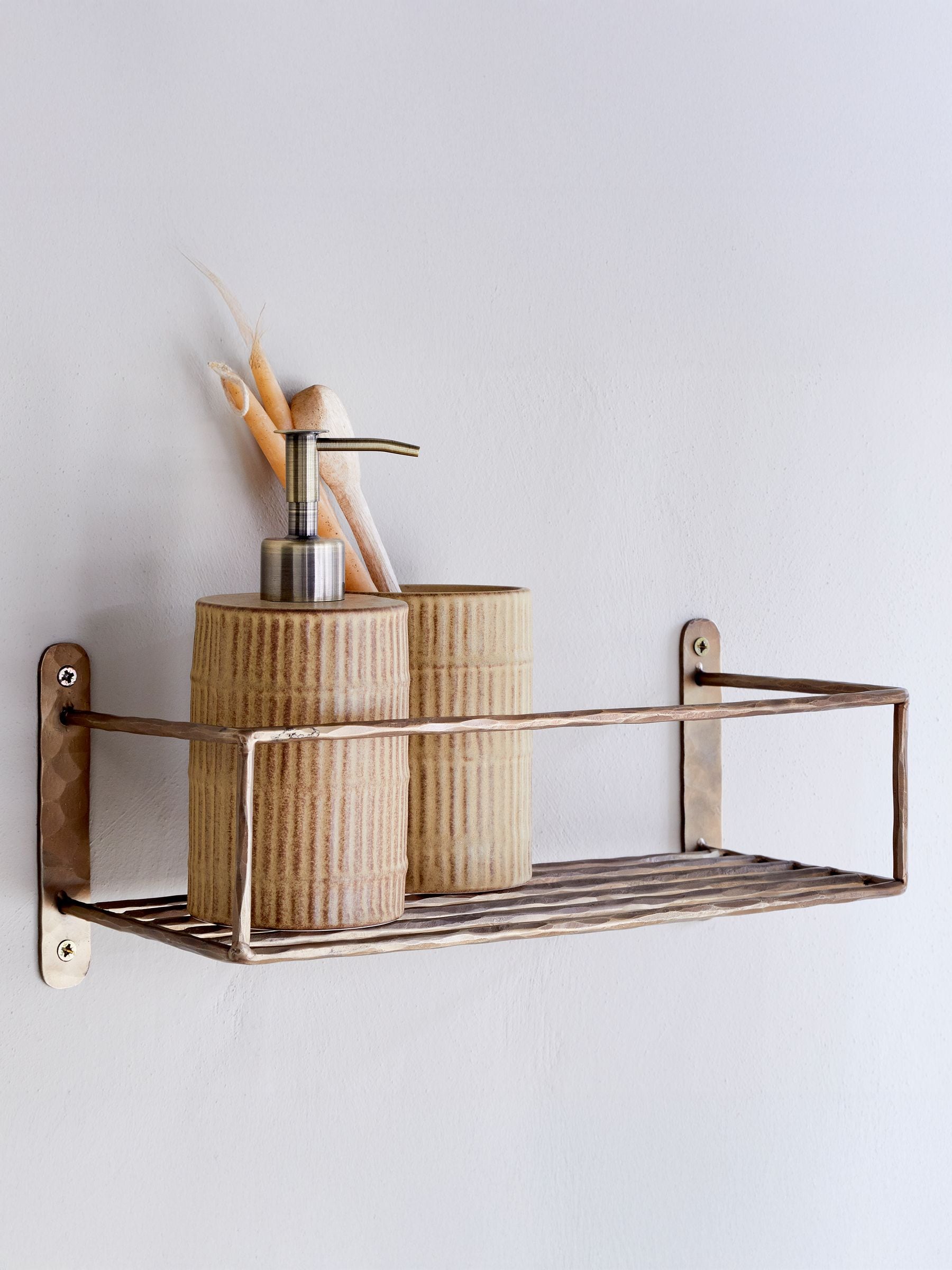
A few Nkuku favourites that work beautifully alongside wall shelving in a small, uncluttered bedroom.
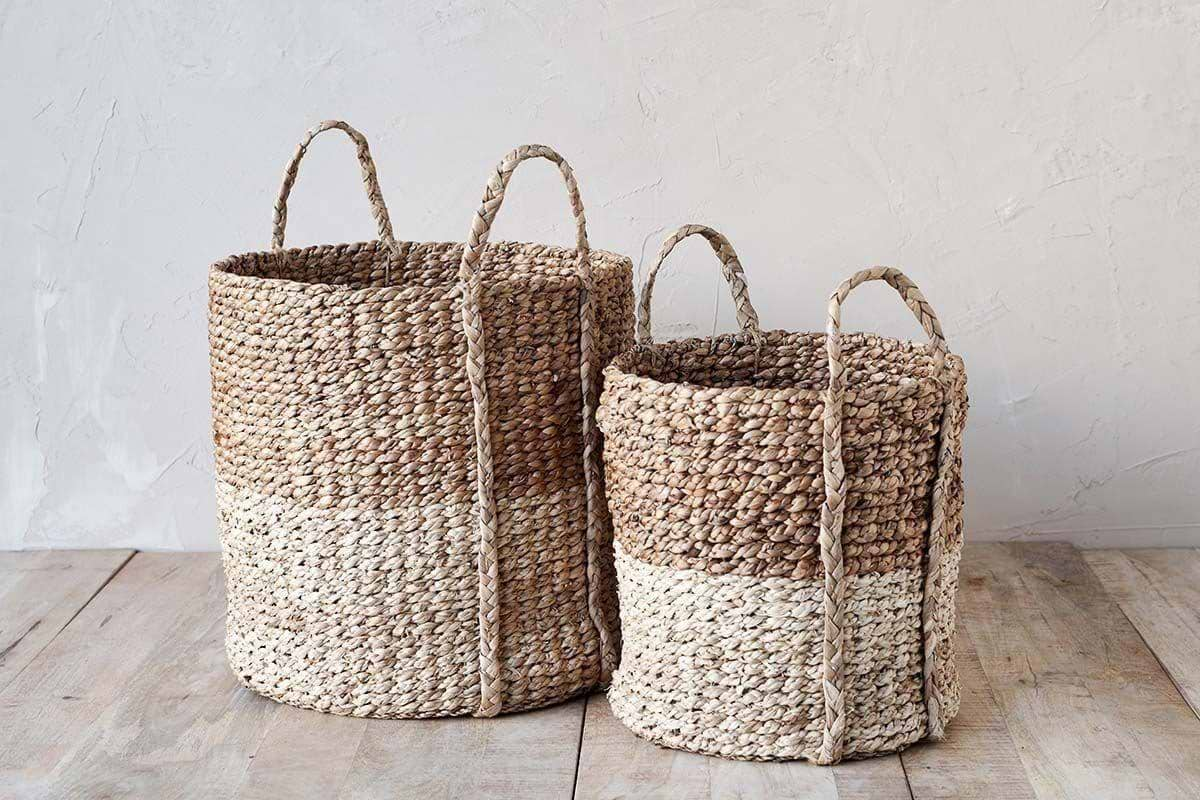
Nkomi Basket
Woven storage with a calm silhouette, works open or tucked under a console.
View at Nkuku →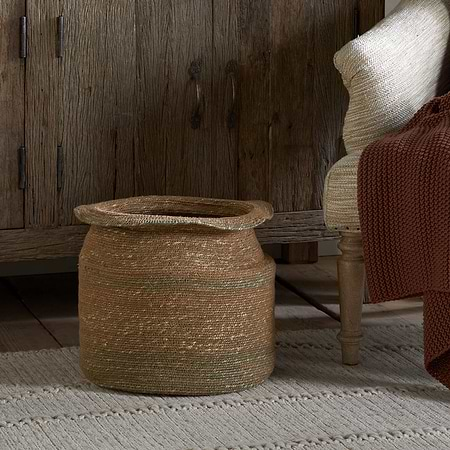
Some links above are affiliate links. If you buy through them we may earn a small commission at no extra cost to you. We only suggest pieces we think fit a calm, lived-in home.
Free guide
The Calm Shelf
12 styling ideas to help you compose calm, balanced shelves in natural texture homes.