

If you have ever wondered what is organic modern style, you may have seen balcony or patio spaces that feel busy, mismatched, or cold. Rental limits, awkward layouts, and all-weather furniture can leave outdoor areas looking cluttered or disconnected from your home, rather than calm and inviting.
The right mix of elements can make even a neglected niche feel like a real extension of your living space. Today you’ll learn how to set up a framework, choose key materials, and pick 3–5 pieces that refresh a balcony or patio without a full overhaul. This works especially well in small patios when there’s limited flexibility because each move makes a visible difference with little effort.
The short version: The answer to what is organic modern style is a look that combines clean-lined shapes with natural materials and a warm, calm palette. Mixing these elements in simple ways helps turn outdoor spaces into usable extensions of your home, even with constraints or a rental setup.
Key takeaways
- Organic modern style uses natural materials like light wood, stone, and woven textures to soften modern shapes.
- A calm outdoor space relies on a reduced, warm-neutral palette and simple, practical layouts.
- Plants and rounded forms create movement and draw the eye outside without making the space feel crowded.
- The style feels lived-in, not staged, which works well in rental and small spaces.
- Most organic modern decor follows three main rules: use natural elements, keep things relaxed and minimal, and balance hard and soft shapes, according to The Spruce’s guide.

What is organic modern style, in plain terms?
Organic modern style means mixing simple, modern furniture with natural materials and warm colors for a space that feels both up-to-date and relaxed.
Most people spot straight lines and neutral colors in modern rooms, but these can look cold or stiff outdoors. Adding wood, woven fibres, or warm-toned planters shifts the feeling quickly. For outdoor decor ideas, even a small switch—like a clay side table—pulls the look toward organic modern.
Modern patios with only black, white, and steel can seem lifeless. A jute storage basket or a light wood bench feels softer and helps connect a balcony to your indoor palette. According to The Spruce’s practical tips, use natural fibres and a limited set of earthy accents to anchor the space.
Unlike all-out boho or hard-edged minimalism, organic modern always includes some straight lines and calm shapes. Place a round, textured planter on a square table to get the balance right.
Try this on a rental balcony with basic outdoor tile and railings by adding three key items: a low wooden seat, a chunky linen cushion, and one organic-shaped planter.
How does organic modern compare to Scandi or contemporary?
Organic modern bridges the gap between the spare shapes of Scandi and the clean lines of contemporary by using warmer materials and more texture.
Scandi style can feel a bit pale or icy on a covered patio, with plenty of whitewashed wood and soft grays. Contemporary setups in shared courtyards may lean hard on upholstered seating with cool metal, missing any sense of softness. Organic modern brings in light wood, sandy beiges, and warm stones, making the space feel more settled.
Balcony styling ideas often mix up the categories, but the difference shows up fast: a terrazzo-top café table brings in the contemporary touch, while an ash wood folding chair brings the organic warmth. A bare steel rail compared to a bamboo privacy screen completely switches the look.
Sharps positions Organic Modern as its own alternative to both contemporary and Scandi, highlighting how natural textures and softer lines break up the formality (Sharps positions Organic).
Use this when you want your outdoor nook to feel more like an indoor living room—by swapping out one synthetic rug for a wool-blend, or adding an unglazed ceramic stool instead of a metal side table.
What are the main ingredients of this look?
An organic modern space always uses natural elements like wood, stone, and fibre, simple modern shapes, and a few soft details in a warm palette.
The Spruce’s guide breaks it down: use natural elements; keep the arrangement minimal and relaxed; balance out sharp lines with curves and soft touches. That translates to a short list—light wood for seating, a textured planter for plants, a nubby neutral throw, maybe a pebble-finish side table right by the door.
Many small patio ideas start with trying to hide everything. But baskets, planters, and stools look better out in the open when you use natural finishes that don’t shout. Compared to synthetic rattan or bright plastics, a gently woven sisal rug feels weightier and doesn’t show wear as quickly outdoors.
Exquisite Surfaces describes organic modern decor as a move toward materials that weather well and connect visually to the outdoors (Exquisite Surfaces describes). A concrete stool or teak armchair will dull and soften under sun and rain, while powder-coated furniture may chip or lose color faster.
Pick one element in a natural finish—like a heavy, unfinished wood stool or a linen floor cushion—to start, then add one or two smaller pieces for layering.
Where this works best
Organic modern style works best on balconies, patios, or courtyards where space is tight and normal outdoor decor feels either too casual or too stiff.
Rental balconies with plain tile, narrow walkways, or privacy screens benefit from a few grounded textures and rounded shapes. Patios in small apartments—where storage is limited and furniture has to stay lightweight—are where these principles really show. Even an awkward, shared landing can pull together visually with natural elements.
Most setups work when the basic furniture is neutral and the additions—planters, textiles, containers—provide the details. If you start with an old resin bistro set, layer a neutral outdoor pillow and a rough clay pot nearby. Outdoor living ideas with organic modern lean on two or three high-use pieces instead of lots of accessories.
Avoid mixing glossy plastic, faux-bright rattan, or colored powder-coated tables in the same outdoor nook. The space will look off—spotty, not cohesive.
Instead, use the same color family for main surfaces, and repeat wood or stone textures so nothing jumps out or feels disconnected.

Styling and placement
The look comes together when focal pieces in natural materials are anchored by smaller objects in the same palette and spread out with enough space to breathe.
Outdoor furniture often feels shoved up against the wall or crowded into corners. A bench made from light wood, set beside a simple stoneware planter, sends a stronger design message than two identical bistro chairs. Placing one central anchor, like a fat woven pouf, makes small seating nooks look intentional and finished.
Layering matters. If you only put down a thin mat, the zone still feels sparse. Add a high-pile jute rug, then drape a linen throw in a bone or oatmeal shade over the seating. The effect reads soft and finished, not empty. Compared to a hard, shell chair or full metal furniture set, these small tactile changes warm things up.
Direct sunlight makes glossy objects feel glaring, so stick with matte planters and unvarnished wood tables. One trailing plant draws the eye up or down and softens sharp balcony lines better than a row of stubby succulents.
Quick calm checklist:
- Choose matte, natural-finish materials (wood, woven jute, stone, linen).
- Keep seating low and moveable if the space is small or shared.
- Stick to a two-tone, warm-neutral color palette—add one green plant for movement.
- Group objects by height: low seats, medium planters, taller light screens.
- Limit accessories to three types—textile, pottery, basket or tray.
Use this on any rental balcony: place an unfinished stool by the door, set a matte planter in the opposite corner, and fold seating flat when not in use.
How do you keep outdoor decor practical but calm?
Calm outdoor spaces use only the items you reach for each week and use warm, textured materials that do not distract or clutter the view.
It’s easy to treat patios and balconies as a holding area for tools, kids’ toys, or foldable furniture. This makes the area feel busy, and nothing gets used often. A clean look keeps only a low bench, a natural fibre rug, and one strong planter, with lightweight baskets nearby for storage.
Compared to a patio packed with planters and spare plastic chairs, picking three or four core pieces—one large, two small—means there’s always room to move around. With a calm neutral palette, sunset or city lights bounce softly, not harshly, against stone or wood finishes.
According to King Living shows, modular and moveable outdoor seating works best for creating zones that support both calm and function. The best layouts always feel like a natural extension of your indoor space.
Start by taking away unused furniture or broken pots, and bring in one moveable seat and a broad basket for easy outdoor use.
There’s a turning point when a new throw pillow or planter shows up, but something about the outdoor zone still feels disjointed. Uncomfortable traffic paths, too many tiny accents, or plastic tones that jar with indoor furniture can make a patio seem less welcoming than the living room—especially in a rental where you can’t change finishes.
The practical shift often comes down to limiting your palette, choosing one textured anchor, and sticking with a single soft curve or two in major pieces. A calm zone feels finished, connected, and easy to use—even when the rest of the unit is busy.
Most homes miss the mark by mixing too many clashing furniture finishes or layering bright, synthetic textiles that look out of place. The result can be a heavy, cluttered outdoor area nobody wants to linger in. Over-accessorizing or choosing all “outdoor-safe” plastic options makes the space look temporary and a bit chaotic.
Fix this, and the patio or balcony becomes a spot you’ll use daily—even for five-minute breaks—because it feels settled and comfortable.
Save this idea for later.
How to avoid the biggest mistakes
Avoid overfilling the area, using too many bold colors, or relying on all synthetic pieces in one spot.
One of the most common outdoor living ideas to go wrong starts with trying to fill every empty corner. Too many planters of different sizes, or five types of chairs, work against the simple calm that makes organic modern stand out. A low curved bench contrasts with one angular coffee table far better than a line of mismatched seats.
Piling on prints or primary colors weakens the mood. A rental balcony with a red metal table and blue cushions feels messy; one with a pale wood bench and neutral rug reads soft and well-blended. Most renter balcony decor fails when every piece is fighting for attention instead of supporting a single, quiet look.
Instead of heavy synthetic rugs, use a smaller jute or sisal mat that drains easily and adds warmth. A woven basket in a sand or oat shade stores seat pads without breaking up the line of the floor.
| Feature | Organic Modern | Basic Outdoor |
|---|---|---|
| Seating | Light wood/soft neutral cushion | Plastic/metal folding chair |
| Palette | Warm neutrals, earth tones | Mixed bright colors |
| Accessories | Clay planter, woven rug | Synthetic mat, plastic pot |
| Feel | Calm, connected to indoors | Utility or cluttered |
Limit your choices to three main materials, and the zone will always settle visually, no matter how many weather or rental constraints you have.
What tends to hold up with organic modern balconies and patios
Reviewing many modern patio setups and balcony styling ideas, natural materials like teak, stone, and woven jute come up again and again as the best performers outdoors. Most reviewers say these pieces age well in full sun or rain and get softer, not shabbier, over time. Designers consistently recommend using real linen for throws and cushions; while less water-resistant than synthetics, it fades more gently and looks better across seasons.
Matte finishes get recommended frequently for small patio ideas because they reduce glare in bright light and avoid the flat, harsh feeling that glossy finishes can create. The pieces that last often share a simple rule: a calm outdoor space works best when each piece connects visually to both the indoor palette and the view outside.
— Mara, Loom & Glow
Common questions
What defines organic modern style?
Organic modern style combines modern, clean-lined furniture with natural materials like wood, stone, and textured fibres in a warm, minimal palette. This mix keeps spaces feeling both simple and comfortable. The look favors rounded shapes and avoids sharp contrasts for a calm, welcoming effect indoors or out.
Is organic modern style timeless?
Organic modern style is widely considered timeless because it relies on classic materials and simple shapes that do not go out of favor quickly. The natural textures age well, and the warm color base always feels relevant as trends shift. Because of this, many designers regularly return to the style.
What is the difference between modern and organic modern?
Modern style uses crisp lines, smooth finishes, and a colder palette, often with lots of white or gray. Organic modern adds warmth with natural textures, curved shapes, and more tactile finishes. The spaces feel softer and connect more closely to the outdoors than plain modern rooms.
What is the organic modern concept?
The organic modern concept is about merging modern design’s clean shapes with natural, raw materials and softer details for a calm, grounded space. The approach works especially well in areas that need to feel welcoming but uncluttered. Balance, texture, and earth tones anchor this style in any home.
Explore more calm combinations inside our Shop The Look .
Shop the Look
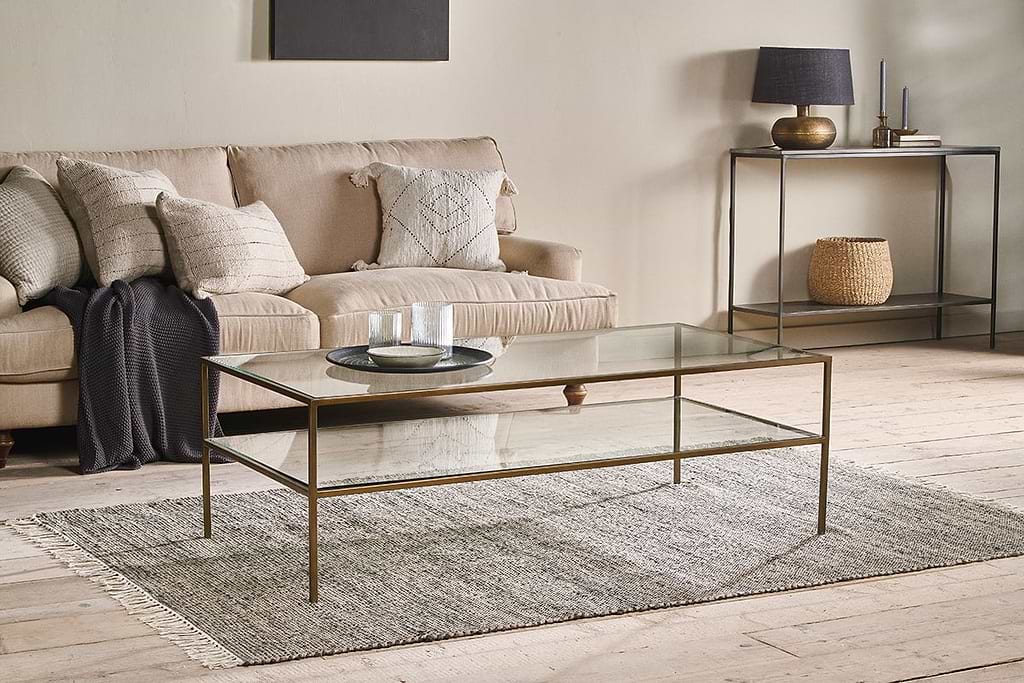
Organic modern essentials in glass, wood, and recycled linen that sit quiet and permanent in any room.
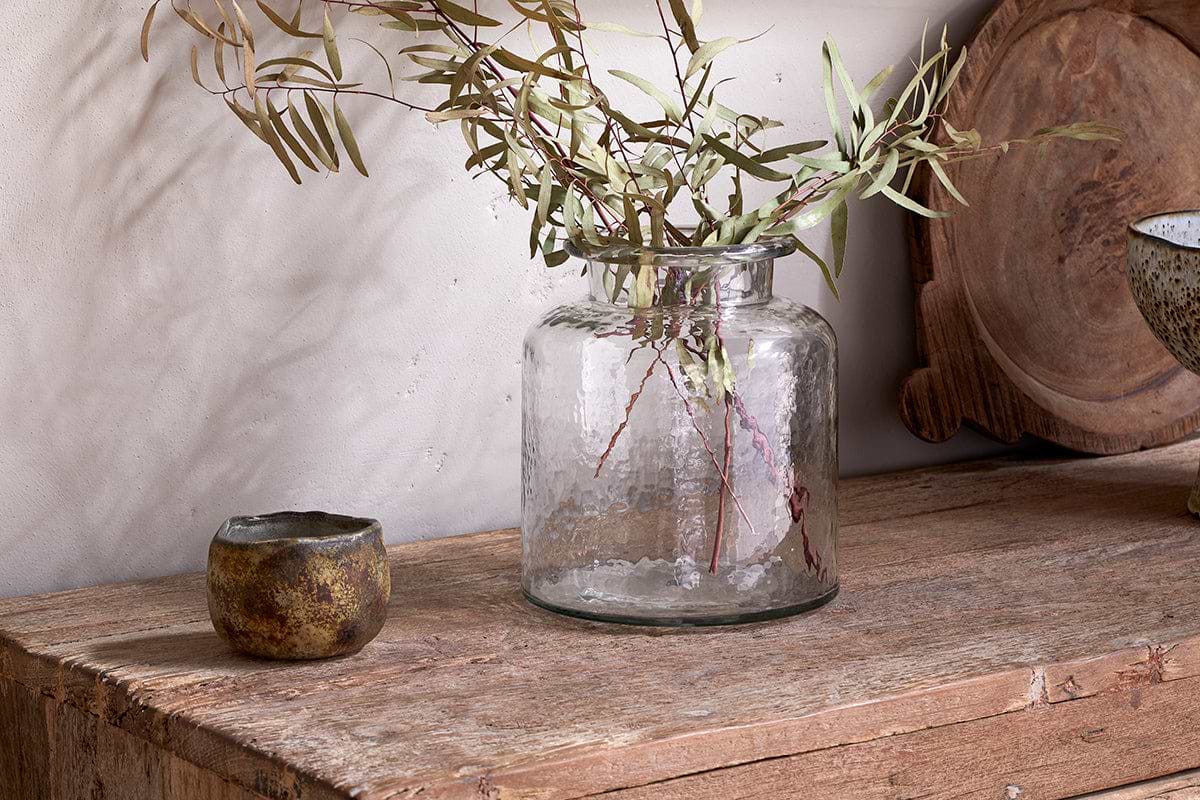
Akra Recycled Glass Vase
Clear cylindrical glass — pairs with stems or sits empty as a quiet accent.
View at Nkuku →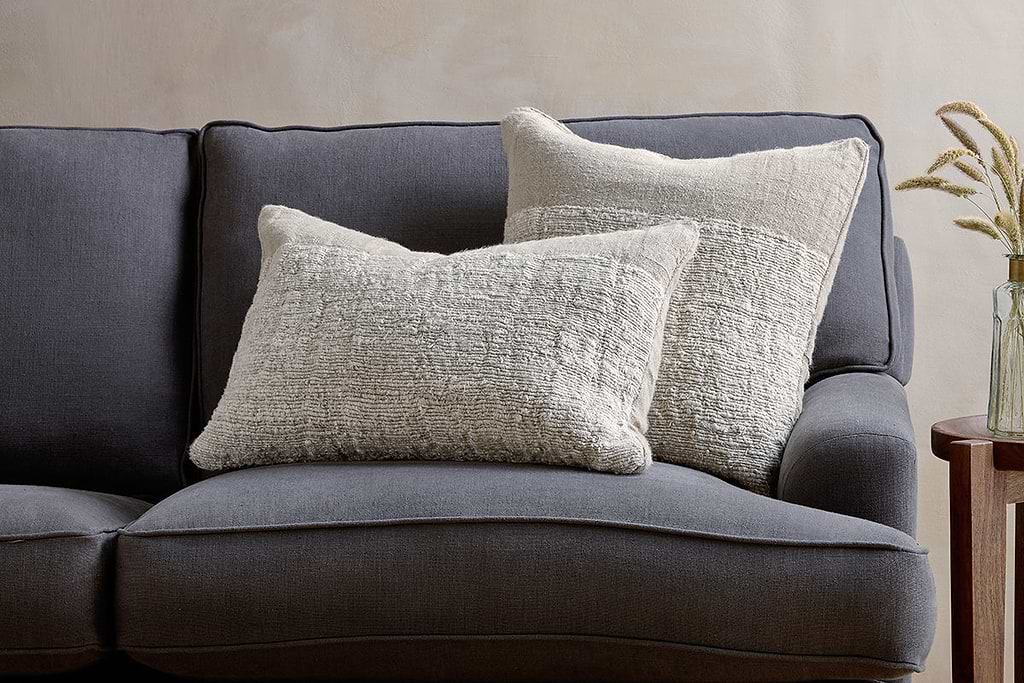
Puli Linen Cushion
Recycled linen in natural — pairs with woven textures and aged wood.
View at Nkuku →Some links above are affiliate links. If you buy through them we may earn a small commission at no extra cost to you. We only suggest pieces we think fit a calm, lived-in home.
Free guide
The Calm Leaf
12 quiet ways to bring dried botanicals, stems, and natural textures into calm spaces.