

Most terraced house living room ideas start with the same real frustration: the long, narrow space feels crowded, and every seating option seems to block something, light, a walkway, a view, or even the historic fireplace. Wires tangle by the skirting, storage never seems to fit, and a bold sofa or dark sideboard can quickly turn the space heavy. With a narrow footprint and features like alcoves and bay windows, the room can drift between feeling like a corridor or ending up so carefully planned that it never feels warm.
Today, you will see exactly what to change, remove, pare back, or quietly add, what to prioritize and how to work with the shape instead of against it. This works especially well in a terraced house with a long living room when you need to preserve clear pathways because it stops the space reading as a hallway and encourages gathering. The smallest, simplest shift, whether anchoring with a rug, breaking up the space with light, or repeating one shape, can transform how you use the room day and night.
The short version: The best terraced house living room ideas use clear zoning, subtle storage, and a single standout feature to avoid the corridor effect. Defining use areas and keeping textures simple helps the space feel open, quiet, and designed for daily life.
Key takeaways
- A terraced house living room often feels narrow unless you break it into zones with rugs or seating clusters.
- Built-in storage in alcoves adds space without crowding walkways, according to nekig.com.
- Keeping flooring consistent from front to back visually stretches a narrow living room.
- Using a single focal point, like the fireplace, prevents the room feeling cluttered.
- Flexible furniture, such as nesting tables, works best for small living rooms with multiple uses.

Understanding the narrow layout of a UK terraced house
A UK terraced house living room is long and narrow, often flanked by alcoves and a fireplace, which invites a strong corridor effect if left unzoned. Breaking up this line with subtle placement changes can create a more comfortable living area.
The typical Victorian terrace features a living room that stretches from the front window to the back door, often with a bay at one end and a galley kitchen behind. Alcoves sit on either side of a chimney breast, usually shallow but perfect for shelves or cupboards. Without careful planning, the room quickly reads as a passageway.
Sofas pushed along each wall create a channel down the middle, and a coffee table in the wrong spot blocks movement. The ceiling may feel lower when long runs of furniture pull your eye horizontally, making the room tighter and busier.
A shelf alone in an alcove looks bare compared to one styled with mixed natural objects: a small clay bowl absorbs light, while a single vase draws the eye upward. This simple material swap adds softness without adding bulk.
For many homes, fixing the layout begins with understanding where light falls in the room and how movement works from the hall through to the back kitchen. The goal: keep a clear path, but stop the room from feeling like a tunnel. Using visual breaks, like a wool rug or low bench, can reset the proportions and soften sound bouncing off hard floors. A long living room stays practical when you work with its constraints, not against them.
Where this works best
Zoned layouts and built-in storage work best in traditional long living rooms where walkways are narrow and alcoves exist. A terraced house benefits most when patterns and pathways are simple.
Terraced house living room ideas shine in long rooms where period features, like a bay window or chimney breast, anchor one end but leave the rest open. This is common in rental-friendly homes and small family spaces, especially where storage needs to work hard but can’t get in the way of a walkway between doors.
Zoning with rugs or grouped seats works well in homes where traffic flows through the middle or where part of the room doubles as a workspace or play area. Built-in cabinets or shelves in alcoves allow you to use wall depth for books or blankets without bulking up floor space, freeing the main area for seating and open movement.
Avoid crowding both sides of a narrow living room with blocky furniture, as this can make daily movement awkward and draw attention to the room’s tightest points. Instead of lining the walls, anchor one part of the space with a textured rug or a cluster of lightweight chairs around a central table. Light reflects better in a clear zone, helping the whole room feel wider. A well-zoned living room is noticeably easier to walk through and less stressful to keep tidy every day.
How do you fix the corridor effect in a long living room?
Fixing the corridor effect in a terraced house living room involves zoning the space with rugs, furniture clusters, and natural shapes that stop the eye from running straight to the back door.
The corridor effect happens when every major line, floorboards, skirting, rugs, sofas, runs front-to-back without pause. It often makes the living room look longer but also emptier and less welcoming. If your eye travels uninterrupted from the front bay to the galley kitchen, the room feels less like a gathering space and more like a hallway.
Adding a rug crosswise, or placing a light wood bench on the diagonal, interrupts these sightlines. A rounded coffee table, or even a soft pouf, draws the eye inward. A cluster of armchairs off-center can mark a conversation area without blocking the walkway. A plant with spreading leaves or a tall floor lamp in the far corner further breaks up straight lines and adds softness under daylight or lamp glow.
Compared to keeping everything lined up, zoning with texture and shape gives structure, without actually building walls. This is especially helpful in the evening, when a room with broken-up lines feels warmer and more gathered for family or friends. For anyone struggling with a long, empty-feeling living room, the first step is often simply changing placement to break up the “corridor.”
What is the best way to zone a living room?
The best way to zone a long living room is by anchoring separate uses, like seating, reading, or working, with their own rugs, side tables, and lighting, while leaving the main walkway clear.
Start by identifying the busiest routes through the room. The seating area, often opposite the fireplace, should have at least one edge softly defined by a wool or jute rug. A reading chair in a sunny alcove benefits from its own floor lamp and a small table for books or tea. Colour zoning can also help: painting an alcove or creating a row of framed art above a workspace, distinct from the main sitting area, casually marks different uses.
According to Barton Mill, a common layout is to have the social zone at the bay end and a quiet, secondary space near the back. Keeping flooring consistent through the room keeps zones connected, so it doesn’t feel chopped up. With natural fibre rugs or a leather bench, different textures help define spaces without making visual clutter.
Unlike rigid dividers or screens, using portable items like a lightweight wooden bench makes changing zones simple. Moveable pieces mean you can shift the focus from coffee with friends to movie night, then push seating aside for a yoga mat or children’s play on the weekend. The room adjusts as your life does.

Styling and placement
Calm styling relies on limiting materials and placing objects where they add comfort without filling every surface. Symmetry in high-use areas and empty space elsewhere makes a room feel restful.
Begin with the largest objects: the main sofa, a narrow console, or a well-proportioned armchair. Place the anchor seat in a spot that looks onto the fireplace or the main window, but leave enough open area for people to walk through without squeezing between furniture. Keep shelves in alcoves minimal, with baskets for storage and one or two display objects for height difference.
A bare shelf reads colder than one with a single woven basket or a stack of linen-bound books. A clay bowl or unglazed vase softens the blockiness of a deep shelf. For textiles, repeat one material, such as cotton or linen, across throws and blinds so the room does not become busy with too many different weaves.
Lighting makes a dramatic difference: use a low-wattage lamp on a console for evening warmth, or a wall sconce in an alcove to bring light up without adding floor clutter. Compared to large, heavy ceiling lights, smaller dispersed lights suit the scale of a terraced living room. Every object should have a reason to be visible; empty space is as important as display.
Quick calm checklist:
- Cotton, wool, or jute for all rugs and baskets
- Keep two-thirds of shelves or surfaces clear
- Stick to one or two neutral shades for walls and large furniture
- Anchor one corner or alcove with a living plant or textured object
- Place low lamps or wall lights instead of overhead bulk
For rental-friendly makeovers, nothing changes a living room more quickly than adjusting what sits at eye level. Place the sofa or main chairs so they gather around the fireplace or a main window rather than the TV. Calm styling is less about filling a shelf and more about leaving parts empty so the room breathes. Shelf after shelf of tightly packed decor looks busy, but a few sparse pieces, spaced apart, create visual rest.
How can you make the fireplace a feature?
In a terraced house living room, making the fireplace a feature means centering it visually and styling the surrounding alcoves with natural materials, letting it anchor the room.
The fireplace is usually the only original feature in a small terraced house living room; even when blocked or non-working, it carries weight. Placing the main seating facing it, or at a gentle angle toward it, draws the eye and gives the room a natural pause point. If you need space for a TV, placing it on a low console beside the fireplace, instead of above, prevents it from dominating.
According to nekig.com, making the fireplace the star is a widely recommended way to ground a narrow room and avoid visual clutter elsewhere. Alcoves beside the chimney breast work best filled with low built-in cupboards and a single shelf each, allowing space for baskets or art. Instead of bright ornaments or shiny frames on the mantel, raw materials, like a stone candleholder or a matte ceramic pot, calm the space around the fire.
Compared to letting the fireplace blend in, highlighting it with a soft rug underfoot and a textural object above draws attention without noise. Add one tall vase on the mantel or a single leafy branch, but resist filling every gap. The quiet, central fireplace allows the rest of the room to hold back.
| Fireplace Focal | TV as Focal | Blended Layout |
|---|---|---|
| Main seat faces fireplace | Seating turned to screen | Sofa at gentle angle |
| Alcoves: storage + display | Alcoves: more tech | Alcoves hold books/plants |
| Matte, natural objects | Slim consoles, low lighting | Soft, mixed styling |
Whether active or closed up, a fireplace remains a strong visual anchor in long living rooms. Lighting a small candle or adding a textured bowl on the hearth keeps it feeling alive even in summer.
Choosing furniture that fits (and flexes)
Flexible, lightweight furniture such as armless chairs or nesting tables is easier to move and less likely to cut up a terraced house living room visually.
Bulky standard sofas often swallow the width of a narrow living room, leaving awkward gaps or blocking light from the bay. Armchairs, especially ones with open sides or cane panels, open the view without raising bulk. Nesting tables or low benches serve as occasional seating or side surfaces, sliding under or beside the main seat when not needed.
Built-in storage in alcoves is one of the smartest solutions, according to nekig.com, meaning you can stash throws, games, or remotes in reach but out of sight. Double-duty pieces, like a storage ottoman in textured linen or a bench that runs behind the sofa, lend flexibility, letting the room move from family hangout to occasional spare guest space without shuffling big furniture every week.
Compared to heavy, fixed sofas and deep bookcases, open-leg furniture and pieces you can lift easily keep the layout from feeling static. Pale woods, linen slipcovers, and soft footstools break up solid furniture lines and prevent massing in small rooms. A narrow console table behind the sofa acts as a space divider and drop spot for keys or lamps, slotting into narrow corridors easily.
In busy homes, furniture with small footprints that can double up or be pushed away for other activities is always the easiest to keep neat and comfortable.
Sometimes, after shifting things around or adding the perfect rug, there’s still a nagging feeling that the room hasn’t settled. The eye keeps catching on corners, one chair feels out of place, open shelving looks random, or there’s a draught under the door. It’s subtle but persistent, and it usually signals that one design rule (like zoning or material limits) is being ignored.
Too often, we crowd the visible surfaces with storage baskets, books, or decor, thinking more will fix it. But the effect is a room that weighs you down or makes tidying a daily battle. If you hold back and let a single piece, wood table, wool rug, or even an alcove lamp, do the anchoring, the room looks and feels lighter. Save this idea for later.
What tends to hold up with terraced house living room layouts
Reviewing hundreds of terraced house living rooms and reader before-and-afters shows some solutions outlast trends and stand up to busy life. Matte finishes, whether on a low cabinet, painted shelf edge, or simple clay pot, keep surfaces from feeling cold or reflective, especially by sunny bay windows. Regularly, professional decorators suggest built-in alcove storage for its staying power: open shelves up high, closed cupboards low, so daily clutter has a place but doesn’t crowd eyesight everywhere you sit.
Flexible furniture and muted textures, cotton, wool, pale wood, tend to forgive tight spaces and make seasonal changes easier. Over time, the layouts that stay feeling calm are those that don’t try to squeeze in one more piece but trust a few honest materials to do the work. That minimalist approach rarely needs redoing.
, Mara, Loom & Glow
Common questions
How do you make a small living room feel cosy?
To make a small living room feel cosy, use soft lighting, textured throws, and keep surfaces uncluttered. Adding a natural rug, flat-woven or wool, grounds the space. Sticking to gentle colours and repeating one or two main textures gives a calm, gathered feeling even in a compact room.
How to make your living room cosy?
Use layered lighting, such as floor lamps and table lamps, to soften shadows and highlight corners. Warm textiles, like linen curtains or a cotton throw, create comfort. Clear most surfaces except for a few meaningful objects to avoid a busy look. Cosiness grows from less distraction, not more décor.
What are the different types of Victorian house styles?
The main Victorian house styles are terraced, semi-detached, and detached, plus bay-fronted and Gothic revival shapes. Terraced homes are typically long, narrow, and joined in a row. Each style has period features like fireplaces or stained glass, but all share a preference for high ceilings and tall windows.
What is the 2/3 rule for a living room?
The 2/3 rule for a living room says to keep about two-thirds of a surface or space clear, with the rest for objects. This rule reduces visual clutter and helps the room feel open and calm. It’s a simple way to avoid crowding shelves, rugs, or wall art.
Explore more calm combinations inside our Shop The Look .
Shop the Look
A few Nkuku pieces that work well in a narrow, characterful terrace living room.
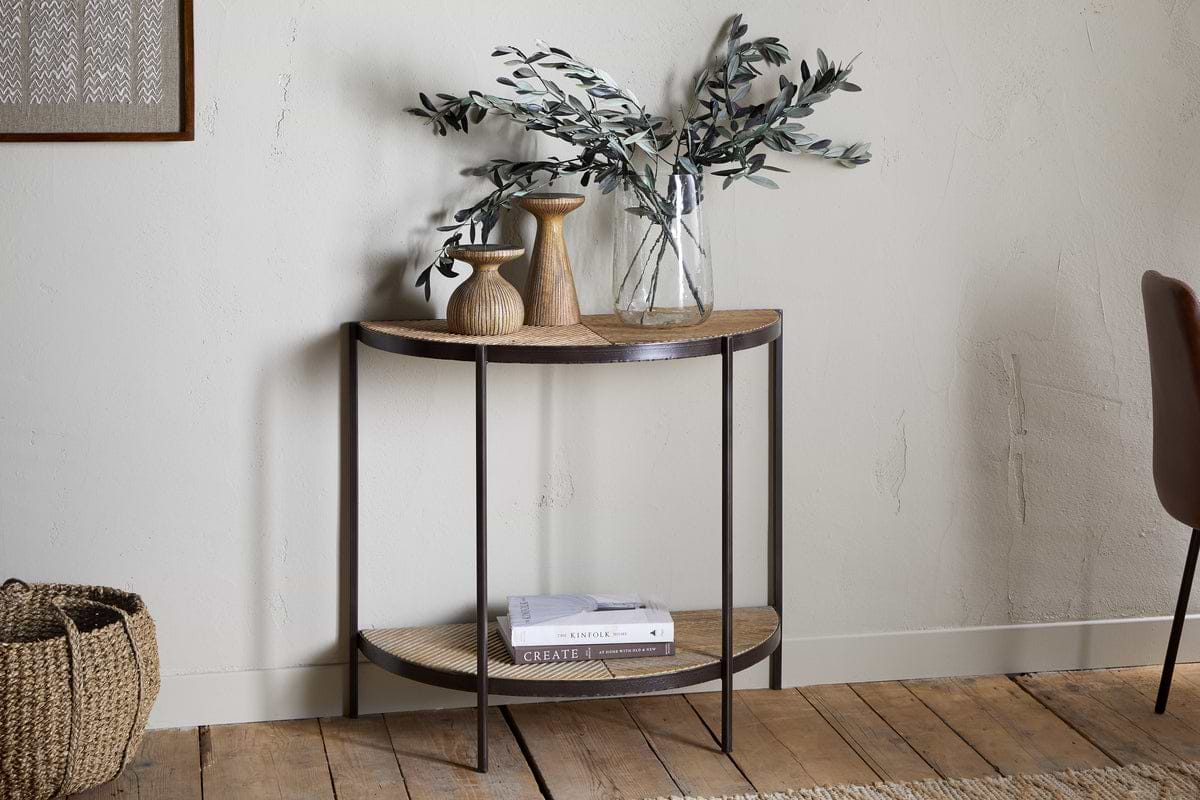
Aasha Console Table
Half-moon silhouette in mango wood; anchors entryways and narrow walls.
View at Nkuku →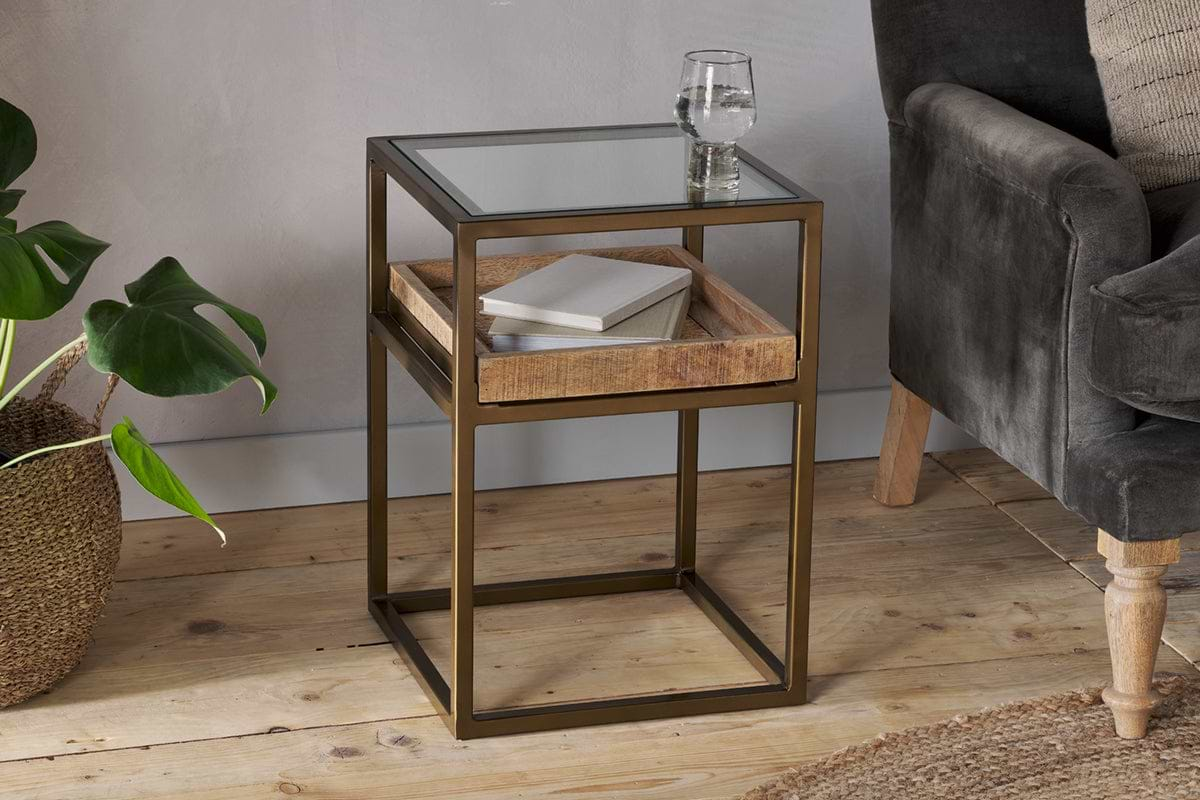
Luzon Side Table
Iron and mango wood with display shelf, small footprint, double function.
View at Nkuku →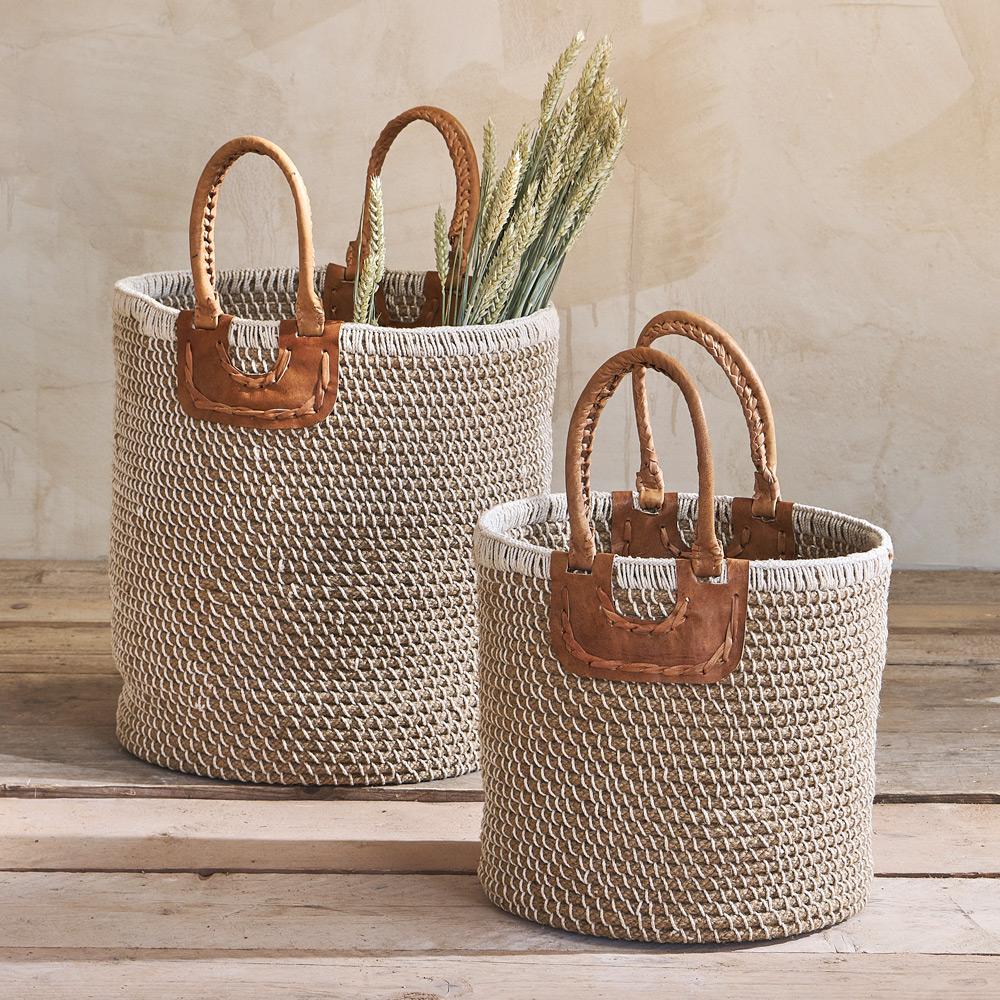
Indra Coil Basket
Natural coil weave, neat enough to leave out, large enough to hide clutter.
View at Nkuku →Some links above are affiliate links. If you buy through them we may earn a small commission at no extra cost to you. We only suggest pieces we think fit a calm, lived-in home.
Free guide
The Calm Shelf
12 styling ideas to help you compose calm, balanced shelves in natural texture homes.