

Too many homes feel busy even when they’re full of things you’ve made yourself. You add a woven wall hanging or a driftwood shelf, but somehow the result looks rough or overcrowded instead of calm. Small rooms, blank rental walls, or odd nooks just make the trouble more obvious.
Today’s project is about using natural materials you already have on hand, with just a few common tools—so the result stays simple, quiet, and feels handmade without looking thrown together. This works especially well in a small entryway when bare walls leave the space unfinished because the right natural piece draws your eye and keeps things open.
The short version: You can make calm, attractive wall art at home by sticking to one natural material and keeping the design simple. Focus on shape, texture, and spacing and you’ll avoid clutter, even if you have no crafting background.
- What is the simplest way to start DIY wall art ideas with natural materials?
- How do you keep natural DIY decor from looking cheap?
- Where this works best
- How to choose and prep natural materials for craft home decor
- Styling and placement
- Can you layer handmade decor ideas without crowding the wall?
- How do you finish or hang homemade home decor ideas so they last?

What is the simplest way to start DIY wall art ideas with natural materials?
Stick to one type of natural material and create a basic shape—this avoids clutter and makes a bigger visual impact than mixing too many things. A piece made from gathered branches, rope, or linen feels calm when it stays unified and easy to read from across the room.
For a first project, start with a single material you either already own or can gather nearby, like a soft linen scrap, driftwood, or dried leaves. Using just twine and a pair of scissors, you can make a calm vertical piece that hangs cleanly and doesn’t overwhelm a narrow wall.
Most people pile on too many details or materials when starting out. Instead, choose one: a row of driftwood cuttings, a square swatch of plain linen, or an arc of dried pampas grass. When you limit the project to one core ingredient, each line or texture stands out and the result feels ordered.
Compared to crowded gallery-wall frames, a single piece of cotton rope tied in a simple knot draws more attention and leaves breathing room around it. This works on any spare section of wall beside a coat rack or above a shoe shelf, lending the spot a finished look without extra bulk.
How do you keep natural DIY decor from looking cheap?
Choose fewer, higher quality pieces and avoid too many visible joins; this makes the work feel finished and calm. Sanding wood, ironing fabric, or doubling up twine are small steps that prevent an unfinished or messy look.
In a hallway or entry, uneven surfaces and sharp cut edges make even real wood or linen seem like a craft leftover instead of a purposeful piece. If you slow down to smooth a driftwood stick or fold raw fabric edges inward before mounting, your artwork looks more thoughtful.
The main reason DIY home decor natural materials sometimes seem “off” is unfinished texture—splinters, loose threads, or obvious glue lines. When you press down on seams or run a sanding block over rough places, the difference is easy to spot. The surface feels right under your hand and holds up on the wall much longer.
Unlike a mess of raw twigs hot-glued quickly, a single polished branch with tied linen or a woven cord looks calm and well-made. Attach pieces behind furniture, like above a quiet reading chair, for warmth without distraction.
Where this works best
DIY wall art ideas with natural materials work in spaces with bare walls and little light, like small entries or bedrooms. They add texture and interest without weighing the room down.
Rental living rooms and bedrooms, especially those with hard furniture and blank walls, benefit most from a handmade wall piece. Bigger rooms can handle layered linen or wood, but in small apartments, a single woven panel softens what might otherwise be a stark area.
Kitchens with tired tile or narrow hallways without much storage often look cold. Hanging a piece made from bleached driftwood or folded linen gives just enough interest without taking up much space. Many people use linen wall banners minimal art for quiet interiors to keep things clear and calm.
Avoid very humid rooms like bathrooms or above radiators, where natural fibres can warp or grow mildew. Instead, keep your artwork in dry areas like a sitting nook, where the material stays crisp and clean against the wall and doesn’t sag or collect moisture.
How to choose and prep natural materials for craft home decor
Pick materials that feel pleasant to the touch and work with the rest of your room. Wipe down or iron before you start building—this adds polish and helps the piece hang cleanly.
Selecting natural materials should be hands-on: run your fingers over rope for softness, unfold linen to see how the weave falls, check twigs for strength instead of brittleness. Smooth edges are less likely to snag on walls or clothing, and lighter colors blend into most decorating styles.
Before assembling your piece, wash or dust any wood and fabric. Even wiping wood with a damp cloth makes it look brighter. Ironing linen, or pressing it under something heavy, keeps corners from curling. These simple steps make a big difference.
Sharp, broken ends draw the eye and look unfinished compared to soft, natural edges. Choosing even just one minimal table runner quiet layers effect on a textile wall hanging helps everything blend together without fuss.

Styling and placement
Place handmade natural pieces where the wall needs a visual anchor, close to eye level or just off-centre in small rooms. Limit to one focal point per wall for a calm, grounded look.
Hang your piece where the wall breaks up—like next to a window or above a table—so it draws attention but doesn’t compete with everything else. Leaving the space around it mostly empty helps it stand out. Many stylists recommend giving about two-thirds of the wall clear space around one main object.
If you install two or three pieces, keep the gap between them larger than the size of each piece. Compared to grouping many small items tightly together, spreading them out feels more open and lets the natural fibers breathe visually.
Unlike a crowded picture collage, a wooden keepsake box on a floating shelf plus a single wall textile keeps a flat wall interesting. Try this near seating or above a console, with the edge of the art not quite matching the furniture but aligned loosely.
Quick calm checklist:
- Work with just one or two types of natural material—like jute and linen, or driftwood and cotton.
- Pick a spot with natural light when possible, but avoid direct sun to keep colors from fading.
- Stick to neutral or earth colors so the piece doesn’t pull too much attention.
- Space objects so each one gets “room to breathe”—no wall should feel full edge to edge.
- Anchor your wall piece close to eye level, but not so high you miss its texture up close.
Can you layer handmade decor ideas without crowding the wall?
Layering different textures is possible when you keep each element simple and let one material dominate. Too many shapes or colors together make a small wall look messy.
In open living spaces or above a low bookcase, it’s common to want more than one accent. Stack a small clay bowl on a wall ledge or tuck dried grass into a narrow jar next to a linen art banner—this mixes forms, but if each item is quiet, the look reads as calm instead of scattered.
Keeping things to a neutral color palette, or sticking to raw and unfinished textures, helps everything work together. If you add a lantern or candle nearby, choose a soft glow, like the soft glow lanterns that blend in rather than stand out; this prevents visual noise.
Compared to mixing glass, metal, and lots of different colored fabric, assembling two or three natural elements in one spot feels better. Each one holds its own, and nothing pulls the eye in competing directions. Use this next to a bed or in a reading nook for a soft touch.
How do you finish or hang homemade home decor ideas so they last?
Use strong, simple fixings like screw hooks or thick thread, and keep the piece flat against the wall. Hiding raw edges or knots keeps the whole thing from looking thrown together.
Most DIY wall art ideas fall short not because of design, but because they slump, curl, or twist once hung. A stick-on hook won’t hold up dried branches for long—use a small screw or a sturdy nail, but make sure it disappears behind the material. This keeps focus on the actual art.
Pieces made from lighter linen or thin string risk sagging if not stretched or pressed flat. Doubling the backing, or using a wooden dowel at the top, gives a straighter line and helps the shape stay crisp. Hanging curtain weights along the bottom of a banner adds subtle pull so it lays right.
Compared to flopping yarn or pins showing through fabric, a hidden loop or a propped stick creates a finished look. Place the completed piece where it won’t get brushed by passing coats or bumped by doors—on a clear wall segment above head height or behind a sideboard.
What tends to hold up with natural DIY wall art on calm walls
After reviewing so many real rooms and reader photos, a clear theme sticks out: the best-looking natural wall decor uses very few materials and keeps visible edges clean. Rough rope ends or fraying linen distract from the simplicity people want.
Decorators often recommend matte finishes for pieces in bright rooms, since glossy surfaces can catch unwanted glare, making the wall feel unsettled. Feedback from readers also shows that neutral, less saturated colors work anywhere, while bright dye or too much pattern pulls attention and breaks up that quiet feel.
— Mara, Loom & Glow
Common questions
What is the simplest way to start DIY wall art ideas with natural materials?
Stick to one type of natural material and create a basic shape-this avoids clutter and makes a bigger visual impact than mixing too many things. A piece made from gathered branches, rope, or linen feels calm when it stays unified and easy to read from across the room.
How do you keep natural DIY decor from looking cheap?
Choose fewer, higher quality pieces and avoid too many visible joins; this makes the work feel finished and calm. Sanding wood, ironing fabric, or doubling up twine are small steps that prevent an unfinished or messy look.
Where do DIY wall art ideas with natural materials work best?
DIY wall art ideas with natural materials work in spaces with bare walls and little light, like small entries or bedrooms. They add texture and interest without weighing the room down.
Explore more calm combinations inside our Shop The Look .
Shop the Look
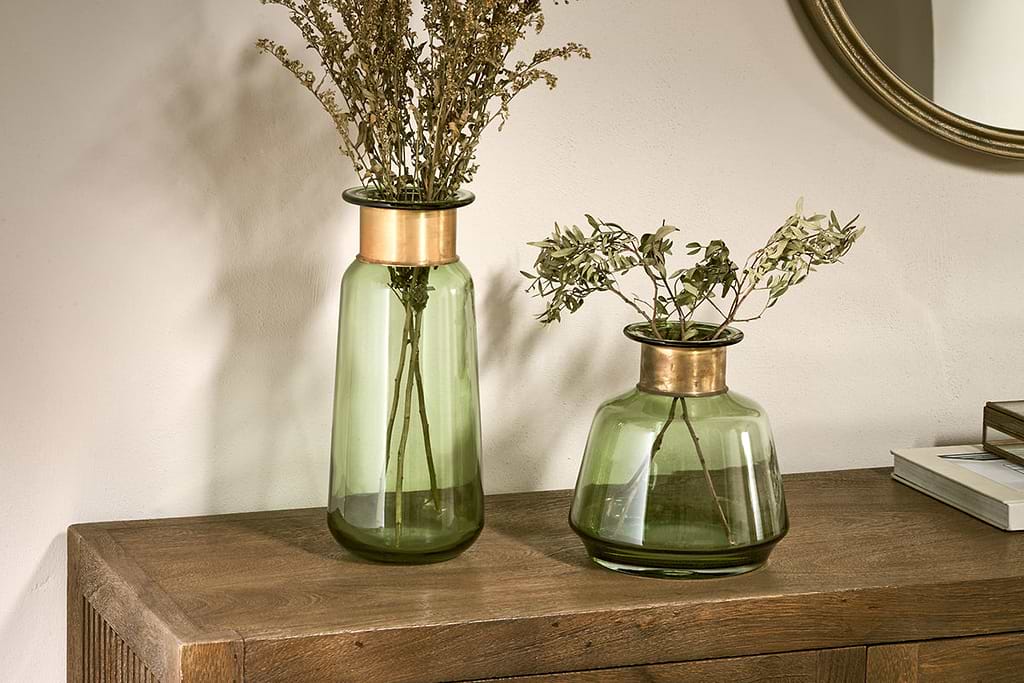
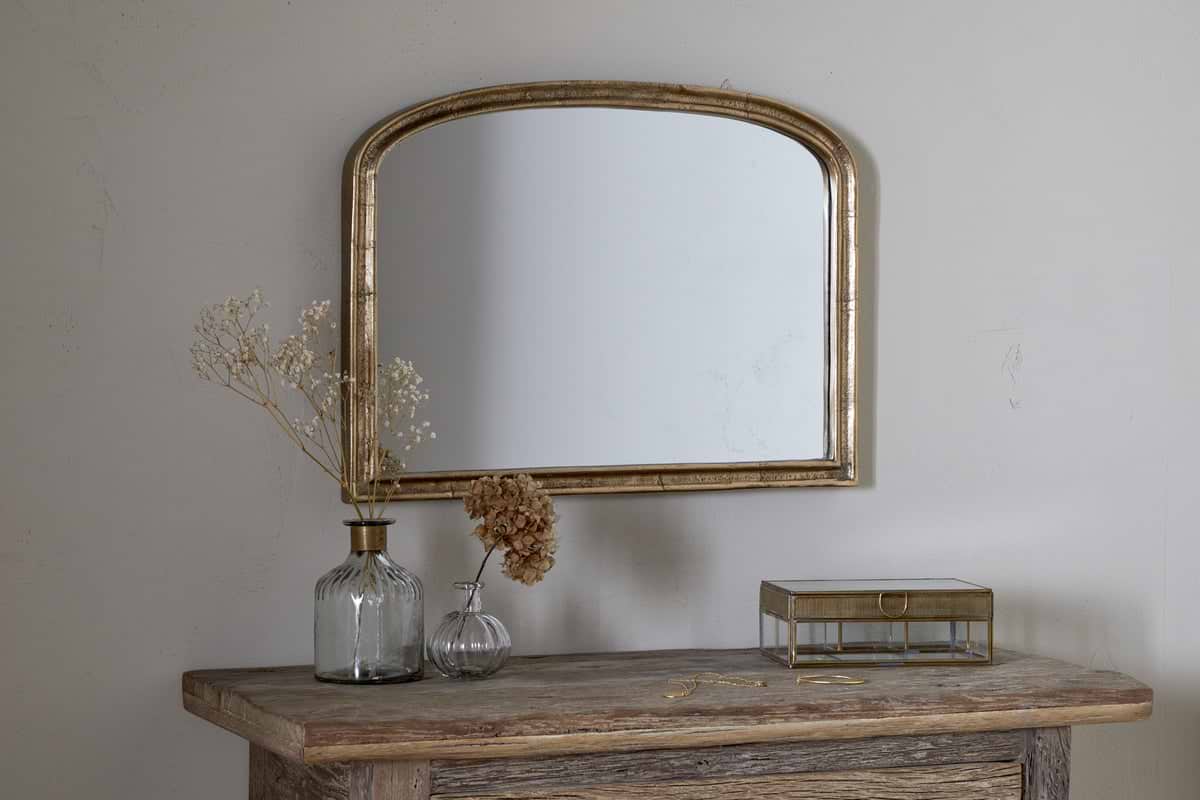
A few Nkuku pieces to display alongside your wall art and natural materials.
Some links above are affiliate links. If you buy through them we may earn a small commission at no extra cost to you. We only suggest pieces we think fit a calm, lived-in home.
Free guide
The Calm Leaf
12 quiet ways to bring dried botanicals, stems, and natural textures into calm spaces.