

It’s hard to ignore a blank lounge wall. Rental rules, fear of commitment, or just the pressure to “get it right” can make lounge feature wall ideas feel more confusing than freeing, especially for anyone who wants a calm, neutral look that won’t be hard to undo. A plain wall can easily become a catch-all for random furniture or art, making a space feel busier instead of grounded.
Today, you’ll see how to use simple, rental-friendly treatments to anchor a lounge without paint or bold trends, nothing needs to be fixed or permanent. You’ll learn which wall to choose, which materials look purposeful, and how to avoid overwhelm. This works especially well for small living rooms when the rest of the space needs to stay flexible because it brings order without locking you into a look.
The short version: The best lounge feature wall ideas use removable or low-commitment treatments, like peel-and-stick wallpaper, fabric panels, or layered artwork, to define a focal point without permanent changes. These options suit renters, allow simple swaps and keep the space visually tidy.
Key takeaways
- A rental-friendly feature wall makes a room feel organised without risking your deposit.
- Gallery-style art, lightweight panelling, and fabric panels are easy for renters to remove or update.
- Most floating shelves sit about 25-30 cm deep, so accessories should stay shallow for a clean lounge look.
- Texture, colour blocking, and wood cladding all count as feature wall ideas, not just paint or wallpaper, according to DIY.com.
- Which wall in the lounge earns the feature treatment?
- How do you add colour without new paint?
- Where this works best
- Is removable wallpaper convincing or does it always look temporary?
- Styling and placement
- How to use fabric and textiles for soft, rental-friendly walls
- Why does too much wall detail make a small lounge feel busier?

Which wall in the lounge earns the feature treatment?
The best wall for a lounge feature wall is usually the one that faces you as you enter the room, or the wall behind your main sofa. This placement creates a clear focal point without competing with the room’s natural flow.
An open-plan living room with multiple uses makes choosing the right feature wall more important. If the feature wall is behind the TV or sofa, it centres the room and avoids visual clutter spreading around. For long, narrow lounges, the shorter end wall often works better than the side, pulling attention without stretching the space.
Picking the facing or anchor wall works because people notice what’s directly in their line of sight. According to feature wall guidance from Dulux, using a defined focal point in a busy, multi-use room helps the whole area look planned, rather than crowded.
A bare end wall feels empty, but hanging one oversized piece or applying a simple neutral panel gives the room purpose. In contrast, if you pick a random side wall, the feature can feel disconnected, almost tacked-on.
Choose a wall you see often, ideally one you don’t have to look around furniture to notice. This keeps the room centred and helps small lounge layouts feel more grounded.
How do you add colour without new paint?
You can add calming colour to a lounge feature wall with peel-and-stick wallpaper, large fabric panels, or a single oversized artwork, skipping permanent paint. These options remove easily and won’t impact your walls longer term.
Many renters hesitate to paint because of security deposits or patching costs. Peel-and-stick wallpaper comes in subtle textures and soft shades, think clay, sand, pale olive, and removes cleanly with heat. Calico fabric panels fixed with removable hooks offer a similar effect with more texture and can mute harsh echoes in hard-walled rooms.
Removable alternatives work because they layer over plain rental walls without leaving marks. A beige stripe pattern, simple botanical wallpaper, or a muted geometric strip can make the wall feel finished without competing with your furniture and accessories. According to DIY.com’s feature wall ideas, these lighter interventions look intentional; not just as an afterthought thrown up for colour.
Unlike bold paint, light peel-and-stick wallpaper can be changed with the season or mood. Position these treatments behind a sofa or on a dining nook wall to anchor the room’s colour story without committing to permanent change.
Calmer, neutral tones in temporary wall treatments are perfect for anyone who needs to undo changes later, making them ideal for renters and owners alike.
Where this works best
Rental-friendly feature walls work best in rooms that lack built-in architectural features, such as a plain lounge, dining room, or even a staircase landing. These spaces benefit from structure and simple focal points.
Lounge areas in rented flats, narrow hallways, and even many dining spaces often have blank walls with few hooks or architectural details. Using adhesive panels, botanical wallpaper, or wood slats, you can give these spaces instant focus without permanent change. For a windowless wall or a spot that backs a sofa, a bit of texture or softened colour keeps the area from feeling too hard or echoey.
Avoid using heavy panelling or bold adhesive wallpaper on every wall. Spaces like a staircase need light, vertical elements, such as framed prints or slim wood strips, so the walkway doesn’t feel crowded. In bedrooms, small headboard areas pair well with one paneled or fabric-accented wall; the rest stays light, so the room feels restful and not boxed in. Compared to painting every surface or adding too many layers, sticking to one treatment per room makes the whole area easier to live with, move out of, or change up in a year.
Applying removable detail to lounges, bedrooms, and dining nooks prevents spaces from feeling empty, but still allows for easy changes, key for renters and those who switch up their décor often.
Is removable wallpaper convincing or does it always look temporary?
High-quality removable wallpaper with a woven or lightly textured surface gives a finished look that passes for traditional wallpaper in natural light. The best types finish cleanly at the edge and avoid bubbling over time.
Many renters worry peel-and-stick wallpaper looks cheap or too shiny. Opt for wallpaper in matte finishes or with a subtle linen texture, these absorb light instead of reflecting it, making them less likely to show fingerprints or scuff marks. Patterns like soft arches, faint botanicals, or small geometric prints work well in calm, neutral palettes and sidestep the “temporary” look of bold trend-driven decals.
According to feature wall ideas cited by Cladco, wallpaper is most convincing when the seams are carefully smoothed, and each edge meets moulding or skirting for a built-in effect. A feature wall works best when removable wallpaper overlaps the sides just slightly, then trims flush against the baseboard for a finished line.
Compared to standard vinyl stickers, premium peel-and-stick wallpaper resists peeling in humid spots and removes cleanly with a little heat. Place this wallpaper behind a sofa or bed, or as a narrow vertical accent in a hallway. If you prefer to change patterns seasonally, this approach gives plenty of freedom without visible residue.

Styling and placement
A feature wall makes the biggest difference when styled simply, with one or two large pieces at eye level, neutral colours, and plenty of blank space around. This approach prevents a cluttered look, even in small rooms.
Start by deciding what will anchor the wall, a single framed textile, a trio of matte ceramic plates, or one slim wood shelf with a linen runner. Then, add only what you can see at a glance; too many small pieces break the effect. Neutral palettes work best for lounge feature wall ideas because they’re easy to style around with rented furniture or changing cushions.
Texture matters as much as colour here. A woven grass panel softens reflections, while a single hanging branch draws the eye without adding bulk, unlike a gallery wall packed with photos. Compared to dense grid layouts, leaving plenty of negative space keeps the eye moving and helps a feature wall feel calm and clear.
Follow the “two-thirds rule”: most lounge walls look best when about two-thirds of the wall is covered, either with wallpaper, fabric, or grouped artwork, leaving the rest blank (a principle also used in many panelling living room ideas). If you’re working above a low unit or sideboard, centre the feature vertically for balance.
Quick calm checklist:
- Keep all styling at or just above eye level for simple lines.
- Use natural, removable materials, cotton, linen, wood, seagrass.
- Limit your palette to three neutral shades with maybe one accent.
- Anchor with one main item and layer only one or two extras for focus.
- Stick to shallow accessories; most shelves allow only shallow items anyway.
On lounge feature walls, this balance of scale and space works best behind a main sofa, on a blank dining nook wall, or to break up a long corridor.
How to use fabric and textiles for soft, rental-friendly walls
Fabric and textile wall treatments are gentle on walls, add warmth, and can be put up or removed in minutes, making them ideal for calm, relaxed spaces and frequent renters.
Use stick-on hooks or slim tension rods to hang a woven rug, a linen dropcloth, or a long strip of cotton along a feature wall. This approach works well where nails or screws aren’t allowed, and softens sound in echo-prone lounges or bedrooms. Choose solid neutrals, wide stripes, or gentle botanical prints for a result that sits quietly alongside rental furniture.
Unlike traditional wall hangings, fabric panels are much easier to swap out with the seasons. A cotton canvas will lie flatter than a heavy tapestry. Compared to framed art, one large piece of neutral fabric can fill visual space without adding clutter or lots of separate elements.
According to many warm neutral living guides, natural fabrics age well, mellow in sunlight, and are less likely to trap dust than a gallery wall of frames. Place these fabric features behind a sofa or bed, in a dining nook, or even as a soft buffer along a shared wall in an apartment.
Fabric wall treatments suit rented spaces and make it easy to try new looks without risk or repair work. These options give calm texture and are easy to store between moves.
Why does too much wall detail make a small lounge feel busier?
A small lounge feels more crowded when the feature wall includes too many colours, shapes, or small objects because the eye has nowhere to rest and the space looks fragmented.
When every inch of a wall is covered with photos, shelves, or multiple paint shades, the lounge can feel cramped, especially in small or shared spaces. Instead of multiple thin shelves or dense gallery art, a single large element in a light, neutral tone, such as a low, slatted wood panel or wide linen wall hanging, grounds the area.
Unlike packed shelving or bold, split-tone paint, a quiet feature wall (one pattern, one texture, or one oversized piece) becomes a calm anchor. According to one widely cited feature wall example, a single William Morris print can carry a whole dining area without changing the rest of the furniture, showing that less is usually more in small or multi-use rooms.
Compared to busy, detail-heavy approaches, using restraint with scale, pale neutrals, and limited layers relaxes a small space. For renters with limited walls, this means fewer patch jobs and more flexibility when rearranging, a practical bonus.
| Feature Wall Element | Visual Effect | Rental-friendliness |
|---|---|---|
| Peel-and-stick wallpaper | Soft, clean finish, easy to update | Removes with no marks |
| Fabric panel with adhesive hooks | Adds texture and warmth | No tools needed, reusable |
| Dense gallery of frames | Can feel cluttered in tight rooms | May leave holes and require repairs |
Keep your wall feature simple with one strong piece or a calm wallpaper, especially in shared or compact lounges, this eases cleaning, living, and any move-out worries.
Sometimes, the change is simply deciding to pare back, remove busy, mismatched art and anchor the whole wall with just one large fabric or wallpaper panel. Suddenly the room is readable again, and nothing competes for attention.
Many people only notice something’s “off” after living with too many little frames or bits nailed all over a rental wall. The room feels unsettled, and it’s tempting to fill emptiness with more things, often making it busier, not calmer. The real shift comes when deciding to keep only one focal point, using texture or soft colour, and leaving the rest alone.
A common mistake is covering the entire wall with décor, believing it adds interest, but the downside is a lounge that feels cramped and restless. Avoiding this keeps every other update lighter and simpler over time. Once you anchor a wall simply, the space stays peaceful even as your style or furnishings change. Save this idea for later.
What tends to hold up with temporary feature walls
Over time, neutral and textured options tend to last best, especially in rental homes or shared lounges. Reviewers often point to washable, matte-finish removable wallpaper as the least fussy choice, clean edges make the whole setup look deliberate. Decorators suggest softening wall features in tight spaces with a single, fabric panel or a barely-there geometric stick-on to keep things light. Matte and low-profile treatments, like unvarnished wood or natural seagrass, stay tidy and catch less dust. A calm wall, well-placed, rarely needs touching up, and swapping one textile or panel takes just a minute.
, Mara, Loom & Glow
Common questions
Which wall should be a feature wall in a lounge?
The best feature wall in a lounge is usually the wall you see first entering the room or the wall behind your main seating. Choosing a visible, unobstructed wall keeps the layout balanced and prevents the space from feeling cluttered or off-centre.
How do you make a feature wall in a living room?
You can create a feature wall in a living room by using removable wallpaper, large artwork, lightweight panelling or a fabric panel. These approaches add focus, make the room feel more finished, and are safe for rentals since they don’t cause permanent changes.
What is the 2/3 rule for living rooms?
The two-thirds rule for living rooms means covering about two-thirds of a surface, like a wall or shelf, with your main feature, leaving the rest clear. This creates balance and keeps the room from looking crowded, helping even a small lounge stay airy and organised.
Is it still trendy to have a feature wall?
Yes, feature walls are still considered stylish, but the trend now favours natural materials, subtle colours, and texture over bold paint. Calm, neutral feature walls suit both modern and traditional homes and work well with rental constraints, keeping spaces relaxed and current.
Explore more calm combinations inside our Shop The Look .
Shop the Look
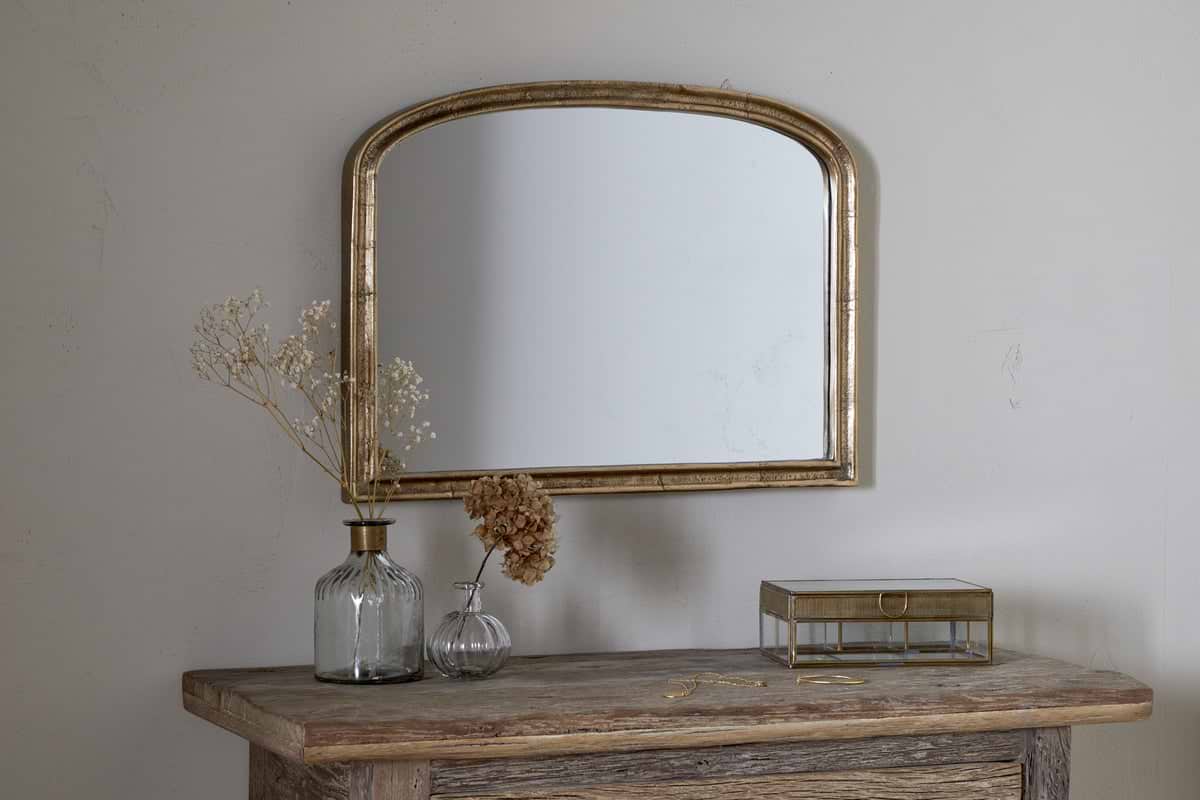
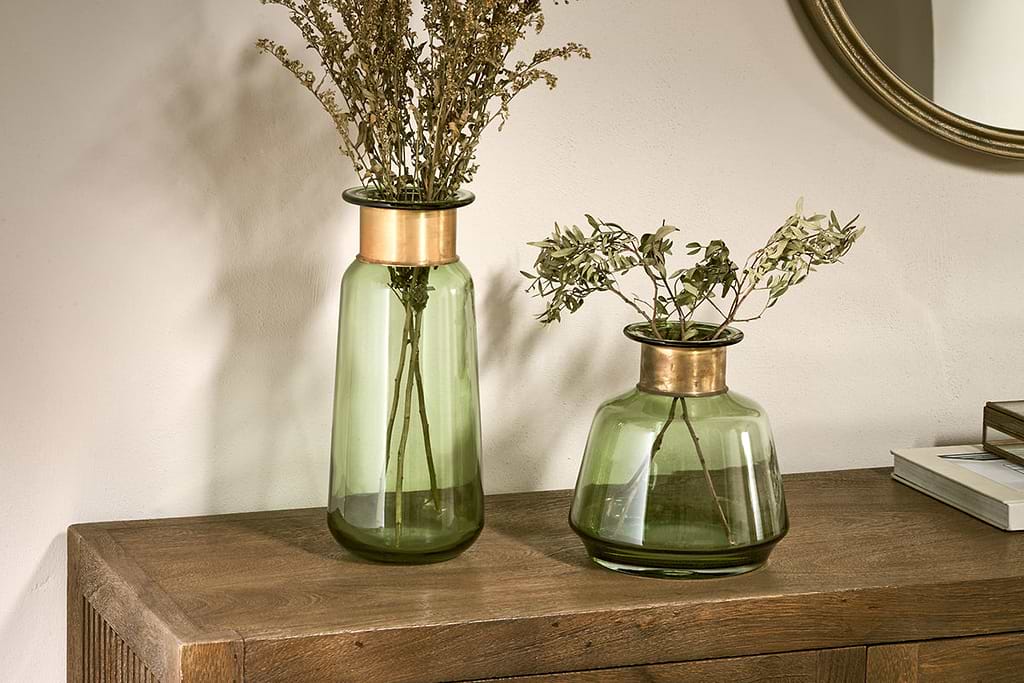
Nkuku pieces that sit quietly on shelves or ledges beside a feature wall, adding depth without competing.
Some links above are affiliate links. If you buy through them we may earn a small commission at no extra cost to you. We only suggest pieces we think fit a calm, lived-in home.
Free guide
The Calm Shelf
12 styling ideas to help you compose calm, balanced shelves in natural texture homes.