

Lots of flats still have some version of a chimney breast, often leaving renters searching for calm, renter-friendly living room with chimney breast ideas. These spaces can look busy, off-balance, or hard to style around—especially when there’s no fireplace, or the alcoves are shallow. The result is a room that resists feeling easy or relaxed.
With a few steady shifts—removing the wrong pieces, anchoring what matters, and working with the odd angles—you can turn the awkward layout into a gentle, practical base. This works especially well for small city flats when storage is tight because a chimney breast breaks up blank walls and gives you natural zones for living more lightly.
The short version: The best living room with chimney breast ideas use the central bump-out and its alcoves to set a clear focal point, limit clutter, and add subtle texture—without major alterations. Small, renter-friendly changes (like floating shelves or a bold paint color) make the most of odd corners and open up real placement options. Thoughtful choices matter more than costly workarounds.
Key takeaways
- A chimney breast naturally creates a focal point for arranging furniture and display.
- Shallow alcoves are well-suited for fitted or floating shelving with closed storage below.
- Adding texture, such as limewash paint or woven baskets, softens strong lines and hard surfaces.
- Lighting that is symmetrical or layered reduces visual crowding around a chimney breast.
- Where this works best
- How can a chimney breast help calm a small living room?
- Styling and placement
- What should you do with alcoves beside a chimney breast?
- How do you create a focal point without a working fireplace?
- What should you avoid when decorating a chimney breast?
- Why does texture matter with a chimney breast wall?

Where this works best
A living room with a chimney breast works best in small rental flats where storage, balance and zoning are real obstacles. The shape gives instant visual structure, anchoring placement choices without heavy built-ins.
Many UK and European flats have a painted-over, bricked-up, or shallow chimney breast that sticks out just enough to confuse most renters. The space often feels choppy—there’s a deep recess on either side, maybe a small hearth, but no working fire. Without planning, furniture drifts or feels cramped, and the alcoves risk becoming cluttered catch-alls.
A calm setup starts with using these architectural lines as a gift rather than a hassle. By focusing seating, storage, and color choices around the chimney wall, you cut down on visual noise. A bare wall everywhere else reads colder than a snug zone with a gentle feature.
Avoid overfilling the alcoves or blocking the breast with bulky furniture. Unlike a plain rectangular space, a room with this central detail rewards restraint and steady anchors. Use the wall’s depth and alcoves as context for shelves, display, and storage, not as a reason to fill every inch.
For renters, choosing easy-to-move shelf units or wall-safe floating shelves keeps the setup flexible and avoids losing your deposit. These subtle moves bow to the architecture, instead of ignoring it.
How can a chimney breast help calm a small living room?
A chimney breast carves out clear zones, turning one awkward wall into a natural anchor for furniture, light, and display. Clear zoning limits scatter and gives purpose to every piece placed nearby.
In a flat where furniture floats, the eye keeps searching for a starting point. By running the main sofa parallel to the chimney breast, everything else falls into place—the main seating, a small rug, maybe a coffee table tightly grouped. This calms the traffic, stops wandering layouts, and reduces accidental crowding.
Keeping display focused on just the mantel or one alcove shelf helps, too. Unlike spreading books and decor across every available surface, clustering display along the chimney area and leaving the rest simple feels calm and considered.
Chimney breasts can be turned into a natural focal point in a room (source). A small room always seems more put-together once the eyes land somewhere and rest, rather than orbiting every wall in search of meaning.
Adding a gentle color or one framed print can be enough. Compared to busy gallery walls or lots of mixed finishes, picking one accent above the breast (or inside the alcoves) holds the look together long-term.
Styling and placement
Styling a living room with a chimney breast relies on focusing decor on the breast and alcoves, limiting palette, and mixing closed and open storage for softness and usefulness.
Sofas should stay parallel or at a slight angle to the chimney breast, never floating across both alcoves. This keeps flow clear and stops the room dividing awkwardly. Low furniture, like a flat bench or a skirted pouffe, grounds the hearth if there is one, without blocking air or light.
The best look uses a limited color palette—think one gentle wall shade, pale wood, woven baskets, and just one or two colors for vases or art. Too many colors makes the area feel busy compared to the rest of the flat.
Quick calm checklist:
- Stick to one neutral wall color and one accent in art or textiles.
- Choose closed storage below (cupboards, baskets), open shelves above.
- Keep alcove decorations short—no tall stacks or busy objects.
- Use only one bold focal object (framed print, round mirror, single big vase) above the mantel or on the breast.
Compared to a crowded sideboard or several clashing frames, this pared down mix keeps the eye low and the space soft. For renters, removable mounting strips and woven storage work smoothly—avoiding wall damage and making it easy to change later.
For more arrangement ideas specific to tight spaces, see small living room for guidance that’s equally renter-friendly.
What should you do with alcoves beside a chimney breast?
Alcoves beside a chimney breast are ideal for shelving, concealed cupboards, or a reading chair—never for random overflow. A fitted shelf and one basket can add both storage and a place to pause.
Most alcoves are just deep enough for one shallow bookcase, several floating shelves, or a closed base cabinet. A table lamp softens shadows here, and a loose weave basket beneath means everyday clutter has a home. Stick to one side for display—using both makes it feel staged or formal.
Alcoves beside a chimney breast can be used to add characterful storage (source). A drawer unit or closed side cabinet—Shaker style or plain wood—feels lighter than stacking open objects.
Unlike an empty alcove, a well-chosen shelf gives the wall a sense of purpose and keeps the breast from jarring the rest of the room.
If you want a spot for extra books or occasional storage, a shelf with a single art print or a clay bowl breaks up the vertical lines. Review the living room shelf article for extra help on how shelves work best beside strong features.

How do you create a focal point without a working fireplace?
A painted or paneled chimney breast can stand as a focal feature in its own right, needing only one bold accent or a framed mirror. A mantel shelf makes a difference even if the original fire is long gone.
Many city flats have a blocked-up fire or a bare wall—no firebox, just the breast and maybe a small ledge. If you’re missing the gentle anchor of a fire, use a simple floating shelf as a mantel. Place one big round mirror, a low vase, or a single row of candlesticks for subtle gravity.
| Focal Accent | Pros | Cons |
|---|---|---|
| Round Mirror | Reflects light, softens lines | Shows dust easily |
| Large Art Print | Adds color/weight, renter-friendly | Needs careful hanging |
| Wall Panelling | Gives depth, suits odd walls | Possibly not allowed in rentals |
If there’s no shelf, a narrow console works in front of the breast. Compared to trying to “fake” a fire setting, a clear finish above the breast with one strong element looks calm and balanced. For renters, peel-and-stick paint or temporary panelling can be reversed before you move out.
Arranging a few low objects rather than layering frames keeps cleanup easy and dust minimal. Unlike cluster-heavy displays, open space above the breast makes the wall feel open and less busy.
For a room that needs warming up, warm minimalist living ideas can easily be applied here: one soft lamp, a short wood stool, and cotton or linen textiles do more than plastic plants or lots of trendy prints.
What should you avoid when decorating a chimney breast?
Avoid filling every alcove or mantel with small objects, and steer clear of awkward TV placements or clashing colors. Blanketing the breast with decor looks cluttered, not calm.
Double shelving on both alcoves will often crowd the room, especially if everything is kept open. Instead, pick one side for shelves, use the other for a closed unit or keep it bare. This sidesteps the look of a library in a corridor.
Stacked boxes or piles of books on both sides lead to accidental clutter. If electronics or a TV are necessary, they work best on a fitted base behind a closed door, or wall-mounted in a corner—not central above the breast. A TV above the chimney breast almost always sits too high for comfort, and the cables snap the line of the wall.
Too many colors or patterns on either side of the breast break up the main shape and compete for attention. Pick one material—like wood, matte paint, or natural stone—to repeat in small doses for calm and cohesion.
Compared to symmetrical, simple storage, mismatched heights or random art pieces on both sides lead to restless energy. If in doubt, leave one alcove blank and keep the palette gentle. If you want rules on scale and placement, the what not to guide covers mistakes that recur in small flats.
Why does texture matter with a chimney breast wall?
Texture—matte paint, woven baskets, or linen drapes—breaks up hard angles and bounce light gently off a chimney breast, making the wall less stark.
Introducing warm textures can soften the architecture of a chimney breast (source). A limewashed or clay-based paint absorbs and diffuses daylight better than high-gloss finishes, preventing glare and stark lines. Natural woven baskets, a wool pouffe, or a cotton runner down the alcove soften the architectural feel and break up cold corners.
A flat white wall or smooth MDF paneling reads papery and harsh when the sun is low, but a subtle, rippled finish—or just one large textured lamp shade—makes the whole chimney area feel less abrupt.
Unlike glossy plastics or steel, natural fiber objects contain tiny imperfections that scatter the light and draw your feet into the space, not just your eyes. Compared to a wall lined top-to-bottom with shiny art frames, one woven detail cools the room and slows the pace.
For flats facing north or east, using more absorbent textures keeps the chimney wall from feeling bleak in winter. A single linen curtain or soft rug finishes the effect in a way synthetic decor rarely can.
There’s often a moment, usually late at night or when entertaining, where you realise the sofa feels too far, or every surface holds a different lamp, plant, or storage box. The room starts to feel more like a corridor than a living area, and nothing you add makes it feel clear or settled.
A common mistake is treating the chimney breast as a problem to disguise, filling every alcove with storage or display in the hope that it will feel cohesive. Most homes end up with mismatched symmetry, jumbled electronics, or too many small, fussy objects—making the whole area read busy, not relaxed. Over time, this can make the living room feel smaller and less inviting.
Getting it right—by focusing on one anchor or simplifying placement—opens up the space, giving you more calm and easier movement through the room.
Save this idea for later.
What tends to hold up with living rooms that have a chimney breast
From looking at many city flats and small houses, one lasting lesson stands out: rooms with a chimney breast reward careful placement and palette. People who go for one clear focal point, using the breast as it is instead of hiding it, find that the space feels finished with fewer things. Reviewers often note that matte and woven finishes always help in bright spots, as glossy elements tend to catch glare and pull the eye the wrong way. Decorators commonly recommend picking just one accent color around a chimney breast; it makes the wall feel joined to the rest of the room instead of set apart. Simple storage chosen for size and softness—not bulk—works best long-term.
— Mara, Loom & Glow
Common questions
How do you style a living room with a chimney breast?
The best way to style a living room with a chimney breast is to anchor major furniture to the wall, then use shelves or a simple mantel for display. Limiting palette keeps the area calm, while mixing open shelving and closed storage stops clutter. A clear focus and one or two signature textures suit most rental flats.
What should you put on either side of a chimney breast?
Fitted or floating shelves, shallow closed cabinets, and one or two baskets are ideal for the alcoves beside a chimney breast. Try a single art print or lamp in one alcove and leave the other mostly clear. Using both sides equally results in a staged look that rarely feels natural in a flat.
What are the best things to do with a chimney breast?
A chimney breast can form a feature wall, hold a mantel shelf, or anchor art and display—regardless of whether the original fireplace works. Painting or adding texture to the breast subtly draws focus. Leaving the main surface clean and placing heavier objects low works best for balance and sight lines.
How do you arrange furniture in a living room with a fireplace and TV?
The sofa should line up with the chimney breast, keeping a clear view to both the TV and the fire if present. If possible, keep the TV on a low unit to one side rather than above the breast. Balanced placement avoids visual conflict, and a soft rug or table nearby pulls everything together gently.
Explore more calm combinations inside our Shop The Look .
Shop the Look
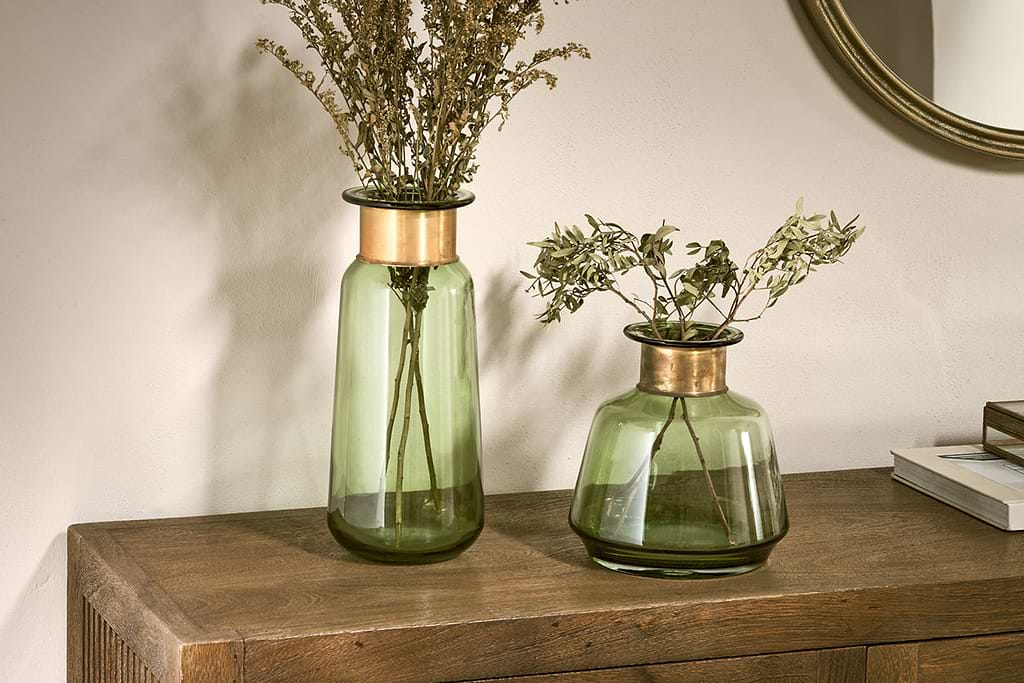
A handful of Nkuku finds that bring warmth and soft focus to a rented living room with a chimney breast.
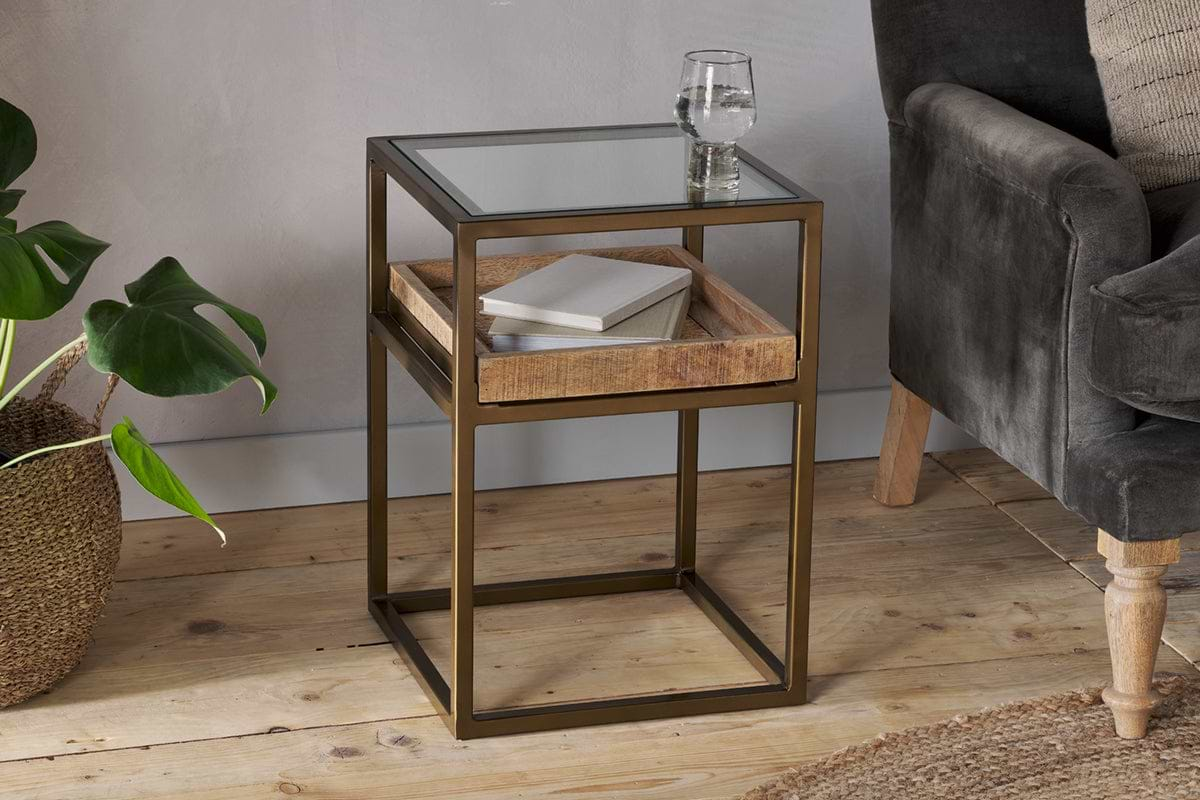
Luzon Side Table
Iron and mango wood with display shelf, small footprint, double function.
View at Nkuku →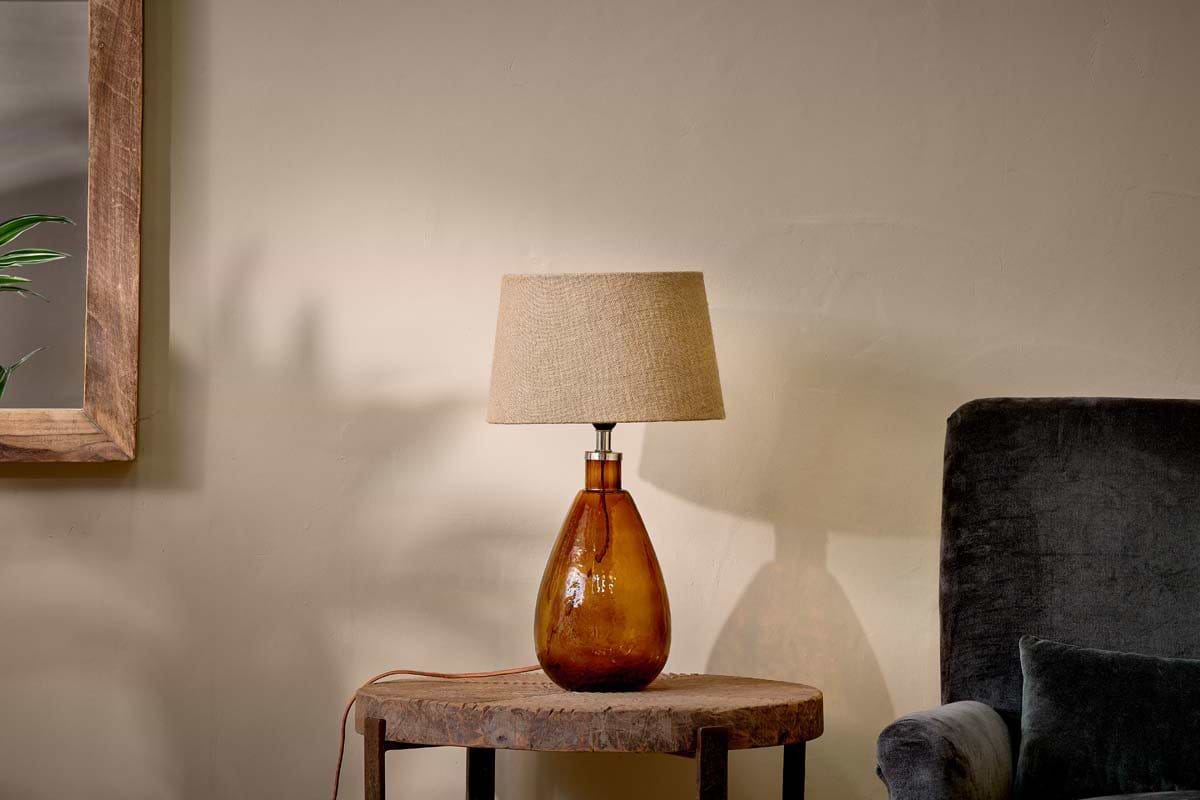
Some links above are affiliate links. If you buy through them we may earn a small commission at no extra cost to you. We only suggest pieces we think fit a calm, lived-in home.
Free guide
The Calm Shelf
12 styling ideas to help you compose calm, balanced shelves in natural texture homes.