

Kitchen Shelf Decor That Looks Considered and Calm is a gentle guide to arranging your open shelves to create calm, inviting spaces in the kitchen. We focus on practical tips that suit busy lifestyles while keeping design straightforward and warm.
This discussion shares step-by-step ideas for balancing everyday objects with thoughtful design. The aim is to achieve a neutral kitchen display that feels uncluttered and comforting.
The short version: Use simple elements on your open kitchen shelves to create a calm kitchen. Small changes can shift the mood dramatically.

Finding Balance on Open Shelves
Wooden shelves and smooth ceramics set the tone. A jute basket and a white vase balance form and function.
Open kitchen shelves benefit from simple items that hold both beauty and purpose. In a small urban flat, a shelf with a mix of books and keepsakes looks heavy if not arranged with care. This method works because a few thoughtful items can pull the eye without crowding the space.
Many readers face the struggle of items spread randomly across their shelves. The kitchen shelf decor technique we describe fills gaps while inviting a sense of calm. Using a few natural-toned ceramics instead of overly decorative pieces softens the edges and brings focus to each item. For more details on balancing visuals, you might read about open shelf styling.
A small kitchen with open shelves often shows the weight of misarranged objects. A simple rule is to choose a few qualities pieces over a clutter of small trinkets. This system works because it creates visual order, letting each item breathe along the shelf.
Choosing Debut Pieces
Clean ceramics and linen accents set a solid start. A single engraved bowl or a small coffee cup can mark the beginning of a thoughtful shelf story.
Selecting a debut piece calls for understanding space and scale. In one kitchen, a Malia Cup & Saucer – Cream brings a quiet warmth that ties the room together. The pieces are chosen carefully, resulting in a soft yet sturdy presence for daily moments.
This approach sees that every item has a role in the story of a calm kitchen. When a debut piece anchors the room, the remaining items flow with equal calm. The effect is gentle and measured, proving that a special piece can set the scene.
Homes with open kitchen shelves often gather many items over time. This method works because it focuses attention on complementary objects that naturally balance one another. There is a natural contrast when a timeless ceramic meets a modern plant pot.
Neutral Displays for a Calm Kitchen
Natural clay and soft-hued wood endow with a peaceful air. A minimal bowl placed next to a vintage timer speaks softly through its simplicity.
Neutral kitchen display choices can add warmth without sacrificing simplicity. A home with a busy schedule may use a cream bowl and a hand-crafted jar to reduce visual clutter. Kitchen shelf decor in a neutral palette works because it refines the essence of calm, making the space inviting yet practical.
Stock items on a shelf can often disrupt the vibe by misfitting in scale with decorative pieces. When every piece is chosen with care, the simple addition of a ceramic mug or a linen pouch creates a holistic display. For further inspiration, consider the insights shared in kitchen shelf styling neutral which explains keeping the focus on calm items.
Kitchen shelf decor arranged with neutral displays calms the room. In one scenario, a counter light shimmer is balanced with soft textures and little mistakes do not disturb the gentle rhythm. The balance of form and restraint clearly shows that pared-back decor can transform a hectic area into a peaceful retreat.
Practical Arrangements for Small Spaces
Metal hooks and modest pottery guide the way. A simple clay bowl and a linen-bound book can set a refined tone in a compact kitchen.
In small spaces, dividing the available shelf area is key. Some kitchens benefit from having a mix of functional items like a spice jar paired with a decorative bowl. The visual spacing ensures that the shelf does not overwhelmed by too many objects, which works because it lets each piece earn its moment.
When arranging items, avoid placing too many decorative pieces at once. A lack of careful planning can make a shelf feel heavy and chaotic. A calm kitchen display benefits from balancing quality and quantity; the choice of every object matters to open the space, as shown in neutral shelf styling.
Sometimes a cluttered look can undermine a small room’s character. The strategy of mixing natural, textured items with plain surfaces works because it creates a distinct layered yet measured look. If a shelf is too loaded then it loses its inviting simplicity.

Where this works best
Natural wood cabinets and subtle stone details lead the scene. Shelves in a modest kitchen become the stage for simple, warm objects.
A range of room types can benefit from this method. Apartments with compact kitchens or homes with an open plan often feature items that blend well within their constraints. This works because the right amount of styling lightens up the space, making it less overwhelming.
Everyday application is seen when new linens or a small plant is added beside antique books or soft ceramic items. Balance is key to a neutral kitchen display, and each item has its own small place to shine. Feel the calm as items share the shelf with equal regard.
Avoid adding too many varied items that disrupt the gentle rhythm. When numerous contrasting objects suddenly appear, the shelf may look cluttered and uneasy. The method works because it brings clarity by reducing visual noise while highlighting quality over quantity.
Styling and placement
Simple metal trays and a worn wooden frame set the tone. Organised placement coupled with subtle colour changes guides the eye to enjoy the details.
A calm kitchen becomes a canvas when each item finds its perfect spot. Each shelf might host a small framed photo next to a potted herb, creating an arrangement that sings softly of everyday beauty. This balance works because the placement ensures everything has its space and feels connected.
Quick calm checklist:
- Keep items varied yet similarly toned.
- Allow for space between objects.
- Mix functionality with a touch of personal artefacts.
- Ensure colours remain neutral and soft.
The checklist above reminds us that each selected element infuses the shelf with purpose. A calm placement avoids crowding and underlines the beauty of simplicity. The tactful inclusion of a vintage kitchen clock can add charm without drawing too much attention compared with a busy layout, as noted in neutral spring shelf styling.
In one quiet Sunday morning, placing a small porcelain mug next to a few well-loved books created an openness that is hard to replicate otherwise. This works because balanced items mean the entire space breathes gently, welcoming both morning light and memories alike.
Simple Combinations and Finishing Touches
Soft textiles and rough-hewn wood form a natural duo. Pairing a worn linen throw with a smooth ceramic dish adds an extra touch of calm and coherence.
Bare or busy, shelves gain a sense of purpose when finished with care. A small jute basket, used to hold remote control or a morning newspaper, can offer both function and charm. The practical choice of combining objects is visible in every well-ordered shelf, working because each item supports an ongoing quiet dialogue of space.
Using a simple approach that mixes items like a few framed prints or a single terracotta pot creates an inviting display. When a shelf balances everyday objects with special keepsakes, it naturally becomes a gathering spot for thoughts and small memories. One contrasting burst of a bright notebook can work alongside subdued photo frames, giving an air of light spontaneity while remaining measured.
The shelf becomes a story when everything ties together with care and deliberate choice. A concrete example is an arrangement that features a lean book next to a delicate candle holder, which works because each object leads the mind to recognise and cherish its quiet beauty. The resulting rhythm offers a practical, calm aesthetic after hours of busy living.
SOLUTION CLARITY: The practical shift here is to make one clear design decision, choose a focal piece that anchors the shelf, reduce the colour palette, and build around that item. This design decision shapes your space and streamlines the look of your kitchen shelf decor.
DECISION MOMENT: It is that moment when a shelf feels off-balance, where the items seem to start a quiet competition for attention.
A common everyday mistake is to add every item that catches your eye, which ends up cluttering the space and making the overall look heavy. This disorganised approach diminishes the calming effect of a neutral kitchen display. A limited selection benefits by allowing each piece to shine.
The benefit here is a display that feels both thoughtful and genuine. Save this idea for later.
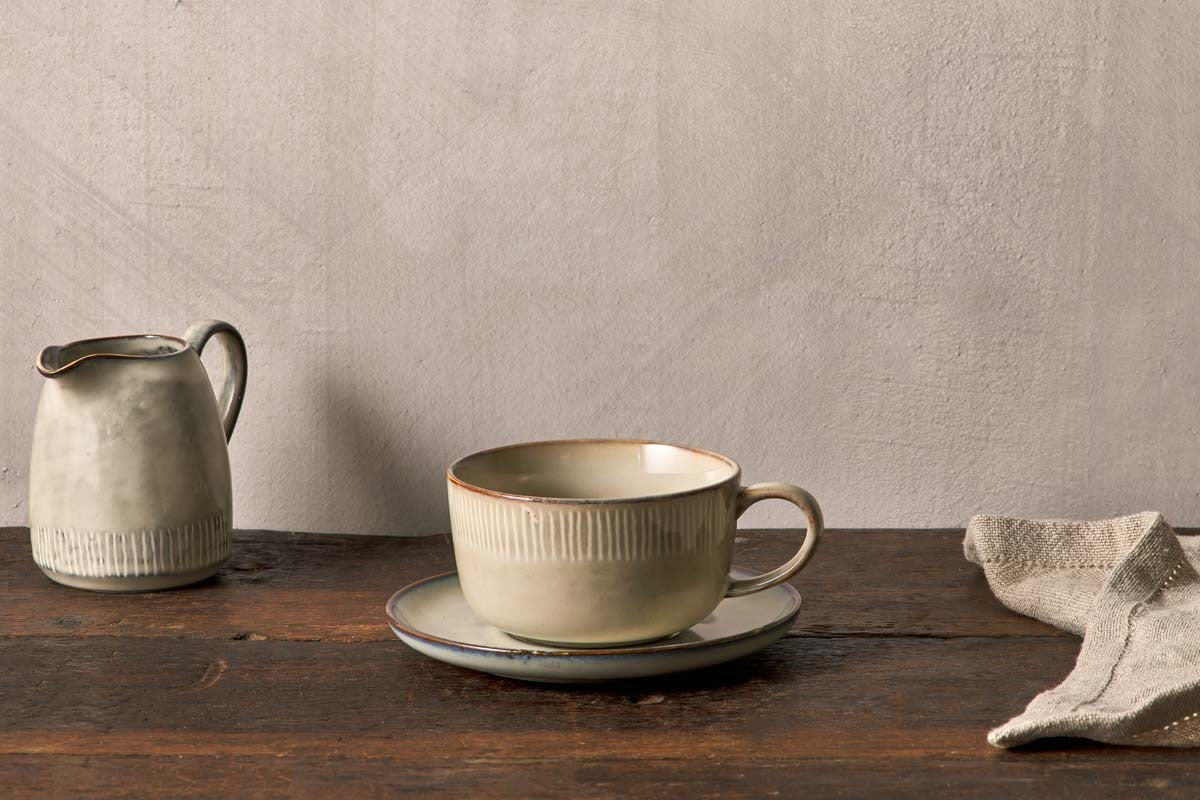
Malia Cup & Saucer – Cream
adds quiet structure and warmth while keeping the room balanced.
What I’ve come to know about kitchen shelf decor
I have learned that keeping shelves simple helps create a home that feels spacious and true. My experience shows that mixing a few well-chosen items with everyday objects makes a kitchen feel calm and warm. The process has taught me the value of a measured approach, where every item earns its place without overpowering the rest.
The journey of styling open kitchen shelves has been personal, combining natural materials with practical needs. I treasure moments like arranging a small vase next to a well-read book because it reminds me how little adjustments make a significant difference in everyday spaces. , Mara
Common questions
How many decorative items should I display on open kitchen shelves?
A simple rule is to choose a few qualities pieces over a clutter of small trinkets. When every piece is chosen with care, the simple addition of a ceramic mug or a linen pouch creates a holistic display.
What’s the best approach to balancing functional and decorative items on kitchen shelves?
Some kitchens benefit from having a mix of functional items like a spice jar paired with a decorative bowl. A calm kitchen display benefits from balancing quality and quantity; the choice of every object matters to open the space, as shown in neutral shelf styling.
Why should I avoid placing too many varied items on my kitchen shelf?
Avoid adding too many varied items that disrupt the gentle rhythm. When numerous contrasting objects suddenly appear, the shelf may look cluttered and uneasy.
Explore more calm combinations inside our Shop The Look.
Shop the Look
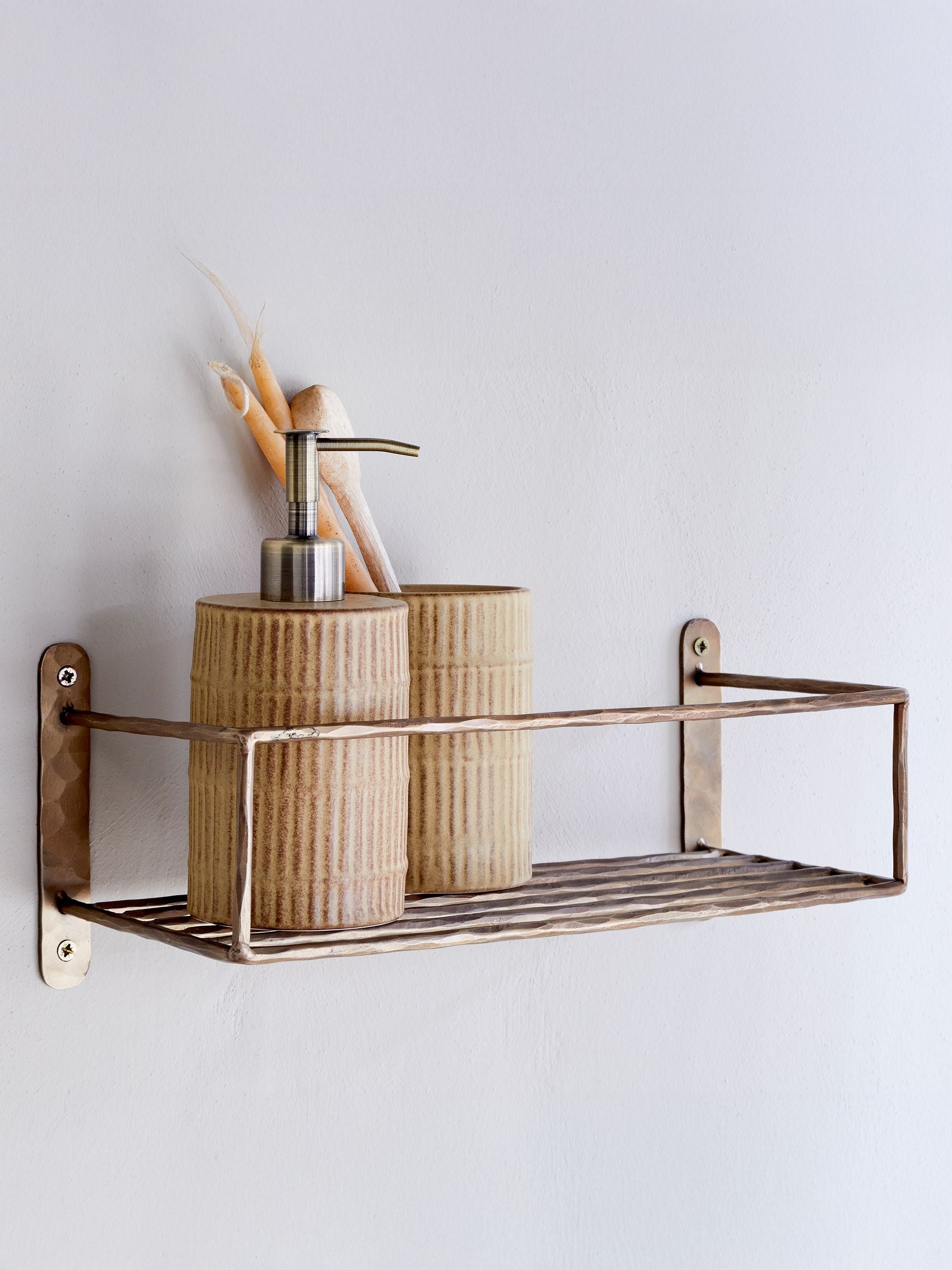
The Olani Shelf and Akra Vase work together to frame everyday kitchen moments with considered restraint.
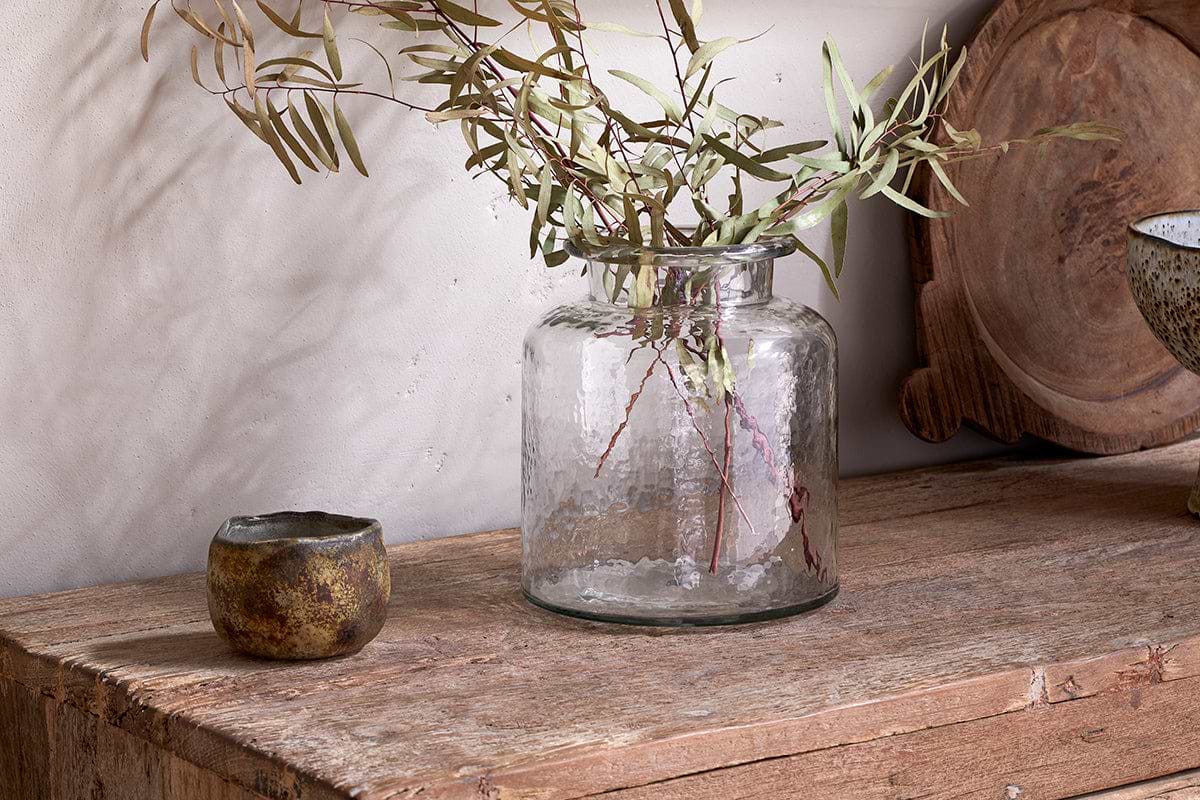
Akra Recycled Glass Vase
Clear cylindrical glass, pairs with stems or sits empty as a quiet accent.
View at Nkuku →Some links above are affiliate links. If you buy through them we may earn a small commission at no extra cost to you. We only suggest pieces we think fit a calm, lived-in home.
Frequently asked questions
How many items should I put on open kitchen shelves?
Quality matters more than quantity. Choose a few carefully selected pieces – perhaps three to five per shelf – rather than filling the space. This lets each item breathe and prevents visual overwhelm in small kitchens.
What colours work best for calm kitchen shelf decor?
Stick to a neutral palette: soft creams, warm browns, natural wood tones and muted earth colours. These hues create visual calm without drawing competing attention, which anchors a peaceful kitchen display.
How do I mix functional and decorative items on shelves?
Pair everyday objects – a spice jar, coffee mug or book – with one or two decorative pieces like a ceramic bowl or small plant. Ensure they share a similar colour tone and leave space between them to maintain a considered look.
Free guide
The Calm Shelf
12 styling ideas to help you compose calm, balanced shelves in natural texture homes.