

Many homes struggle with cluttered spaces where mismatched decor makes a room feel busy. A dining room or living room might show signs of visual chaos when natural elements are paired without clear order. This works especially well in a small apartment when space is limited because every item must earn its place.
Many find that combining terracotta with organic textures brings warmth and balance if done with a clear approach. Today, you will discover practical steps to remove visual noise and choose calm, purposeful accents.
The short version: Use terracotta as a defined accent among natural textures to create a clear, calm space. With careful layering, even a busy room can feel organized and welcoming.

How do I choose the right terracotta tones?
Terracotta tones are best chosen by considering the room’s natural light and complementary textures. They should work well with both bold and subtle decor items.
A living room with tired walls can benefit from a warm terracotta accent that uplifts a faded sofa. A carefully selected tone helps balance existing elements and adds depth. In a setting where natural textures are key, a terracotta cushion provides a unifying spark. A bare wall reads colder than one with a single woven basket.
In a dining space, terracotta accents lend a gentle warmth that creates a comfortable background. The use of these shades reduces the visual noise caused by multiple competing elements. This works because the warm hue naturally softens stark lighting and rough textures. A bright artwork can seem jarring compared to a softly toned fabric detail.
When facing a room with several bold decor pieces, a targeted terracotta hue helps integrate the space. The effect is achieved by pairing a richer color with lighter neutral accents. Such choices work because a clear focal tone directs the eye onto a specific area. A plain shelf contrasts with an area highlighted by a single, warm-colored accent.
How can terracotta home decor create a balanced space?
Terracotta home decor can balance a space when it is used sparingly alongside natural and neutral elements. It brings warmth that ties together various textures and materials.
In a living area with exposed brick and soft textiles, adding a terracotta vase creates a clear center of attention. The room appears more orderly because a single vibrant detail harmonizes with surrounding neutrals. This works as the warm hue guides the eyes toward a balanced presentation. A bright bowl reads colder than a muted terracotta accessory.
When a room has a mix of cool and warm accents, placing a terracotta item helps to merge the two sides smoothly. The soft contrast nurtures a sense of calm in an otherwise busy area. This effect is rooted in the natural balance between strong and subtle tones. A modern chair often contrasts with a handwoven throw in a pleasing manner.
An open-plan space benefits when one element is chosen to anchor differing textures. The balance appears because the terracotta accent creates continuity across furniture and decor items. Consider how natural material home decor elements effortlessly merge with a warm color highlight. A stark lamp reads colder than one set against gentle, earthy surroundings, as explained in how color works.
How to layer jute and wood without clutter?
Layering jute and wood is best achieved when each material has its own defined area. A terracotta detail can bridge the gap between the textures for a seamless look.
In a small living room, layering a jute rug with a reclaimed wooden coffee table can easily feel overwhelming unless a focal point is set. Choosing terracotta accessories reduces the visual clash by offering a steady color base. The effect is clear because the warm accent ties different elements together without forcing them to compete. A rough jute texture contrasts gently with a smooth wood finish.
In a narrow hallway, combining a linen runner with wooden shelves adds softness. The use of a terracotta planter on a side table can give a calming focal shift. This happens when the color acts as a bridge, balancing the natural fibers with the sturdiness of wood. A bare shelf reads colder than one accented with a layered natural home decor approach.
Many households see a cluttered look when they mix too many textures without a guiding accent. The solution lies in clearly defining each material’s space with a purposeful terracotta accent. This choice works because it simplifies the visual narrative of the room. A bright painting can seem out of place when a simple woven basket is thoughtfully positioned. Sometimes, a touch of linen softens the interplay between wood and jute.
What natural materials work well with terracotta?
Natural materials complement terracotta when their textures and tones are balanced. Using terracotta to anchor these elements brings a cohesive and inviting look.
A kitchen with concrete counters and wooden cabinets might feel disjointed until terracotta accents smooth the transition. Adding a clay bowl or planters in terracotta introduces warmth that softens harsh surfaces. The improvement is noticeable because a single warm element can unite varied textures effectively. A stark countertop reads colder than one enhanced with a gentle fabric accessory.
In a dining room setting, pairing woven placemats with terracotta dishware creates a unifying effect. The choice works because the earth tone acts as a neutralizer among bolder accents. This balance is achieved when every element has its own role in the decor. A plain table setting reads colder than one with a layered, organic home decor display.
Often, the clash arises when pieces are chosen without a shared color focus. The calm is restored when terracotta is used as a common thread among natural textures. Such a strategy works because it establishes clear unity amid diverse materials. A heavy metal lamp contrasts with a light, woven basket in the same room.
feng shui principles sometimes suggest that using a warm tone like terracotta sets a positive energy flow.
One sits down and notices that the assortment of textures and colors creates a sense of disarray and lack of focus. The arrangement of terracotta with other elements sometimes falls short when each piece competes for attention.
Many homeowners often overcrowd rooms with various textures, leading to a busy and heavy atmosphere. The common mistake is mixing too many bold elements without a clear point of balance, which makes the space feel unfinished. This misstep undermines the calm feeling the room should have.
When the design is adjusted, every element gains its own space and the room feels lighter. Save this idea for later.
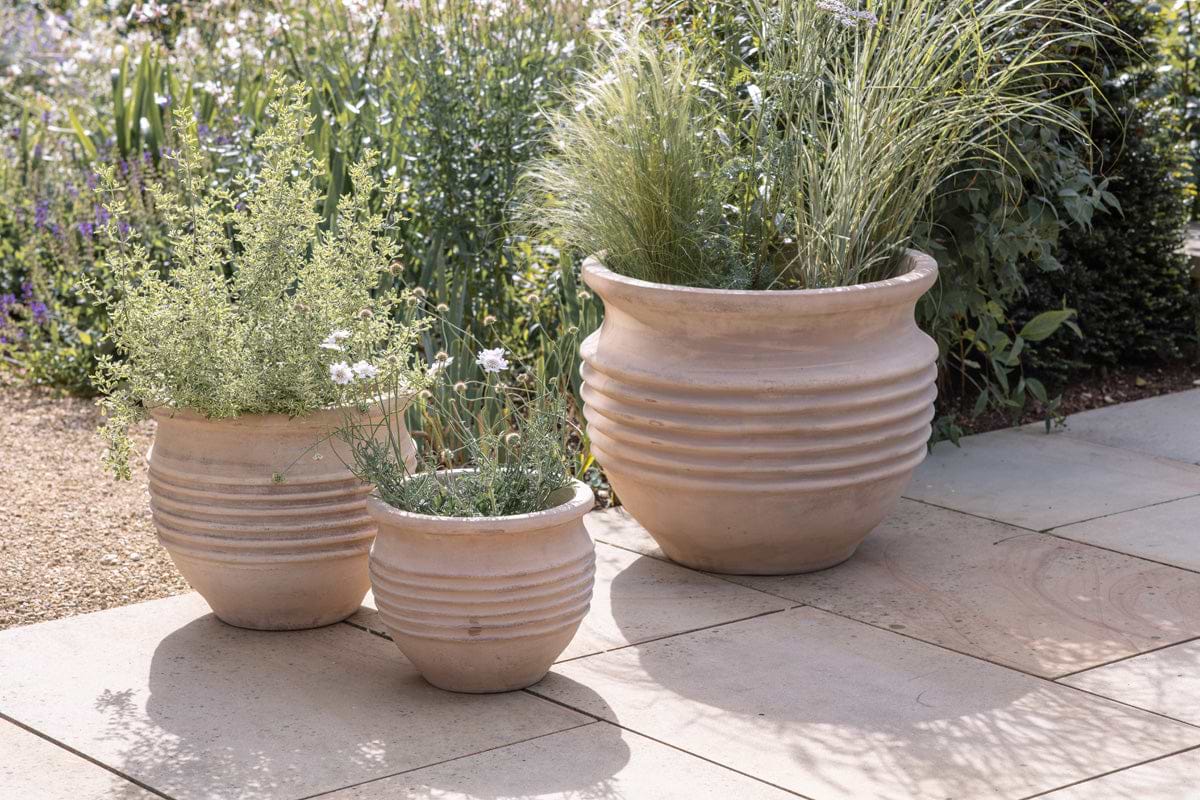
Ullu Terracotta Planter – Terracotta
adds quiet structure and warmth while keeping the room balanced.
Where this works best
This approach excels in spaces that need a focal point and clear boundaries. It is most effective in rooms where natural textures and minimal accents define the atmosphere.
Small apartments and modest living areas benefit when a limited palette is embraced. The use of terracotta along with jute and reclaimed wood creates order in a mixed material scene. The result is a space that feels carefully planned because a single feature draws the eye. A bare wall contrasts with a vibrant, textured focal area.
In a family room, positioning one terracotta item among predominantly neutral shades fosters a calm vibe. The deliberate selection of a centerpiece helps each material stand out without overwhelming the senses. The clarity achieved works because every element has a clear role. A cluttered room reads colder than a well-arranged living area.
Avoid overcrowding spaces with too many statement items. Avoid placing multiple heavy textures together in a small area, as this makes it hard for each element to shine. This mismatch happens when a room becomes overstimulated by competing elements, dulling its inherent warmth. A muted backdrop reads completely different than one with a clear focal point.
Styling and placement
Effective styling and placement call for choosing one or two key elements to set the tone. A careful arrangement enhances terracotta accents alongside natural textures.
A narrow hallway can be transformed with a simple art piece and a structured shelf. The placement of a terracotta accent on a side table organizes the space and brings focus. This result is achieved because a singular decor element directs attention away from chaotic arrangements. A bare table reads colder than one accented with a soft fabric drape.
Detailing matters when working with wood and woven home decor items. A simple checklist can help maintain calm and balance in every corner of a room. The approach works because clear, intentional placement avoids the clutter that ruins an otherwise peaceful setting. A vibrant object contrasts with a subdued color scheme, adding gentle interest.
Quick calm checklist:
- Use soft-washed wood with a light finish.
- Keep terracotta accents moderate.
- Allow ample space between natural texture pieces.
- Stick to a neutral palette for seamless flow.
The room feels inviting when every piece is arranged with care. The method works because a simple layout prevents overbearing visual clutter. For more ideas on calm layouts, consider exploring a calm bedroom environment in your space. A busy table reads colder than an uncluttered counter.
How do you maintain a calm, organic home decor style?
Maintaining a calm, organic home decor style means limiting bold statements and letting one texture be the highlight. A quiet background with a focused accent preserves the atmosphere.
In an entryway with several decorative items, too many colors can make the space feel busy. Selecting terracotta as a gentle accent among other neutral home decor ideas creates a harmonious feel. The effect is achieved when each element supports a subdued background rather than competing. A plain mat contrasts with an overly decorated shelf.
Regularly reviewing the balance in a room helps keep the decor cohesive. Occasional swaps of a woven basket or a wooden accent prevent the space from growing tired. This steady approach works because it keeps each component in its place without letting one overwhelm the others. A stark chair reads colder than one paired with a soft cushion. For practical tips, refer to advice on caring for houseplants as part of your decor routine.
Keeping a mood board or digital inventory can highlight when an element starts to dominate the space. Adjustments made from time to time
Common questions
How do I choose the right terracotta tones?
Terracotta tones are best chosen by considering the room’s natural light and complementary textures. They should work well with both bold and subtle decor items. A living room with tired walls can benefit from a warm terracotta accent that uplifts a faded sofa.
How can terracotta home decor create a balanced space?
Terracotta home decor can balance a space when it is used sparingly alongside natural and neutral elements. It brings warmth that ties together various textures and materials. In a living area with exposed brick and soft textiles, adding a terracotta vase creates a clear center of attention.
How to layer jute and wood without clutter?
Layering jute and wood is best achieved when each material has its own defined area. A terracotta detail can bridge the gap between the textures for a seamless look. In a small living room, layering a jute rug with a reclaimed wooden coffee table can easily feel overwhelming unless a focal point is set.
What natural materials work well with terracotta?
Natural materials complement terracotta when their textures and tones are balanced. Using terracotta to anchor these elements brings a cohesive and inviting look. A kitchen with concrete counters and wooden cabinets might feel disjointed until terracotta accents smooth the transition.
Shop the Look
Terracotta and warm glass pieces that balance earthiness without overwhelming a room.

Ullu Terracotta Planter
Classic terracotta in warm earth tone — Mediterranean balcony foundation.
View at Nkuku →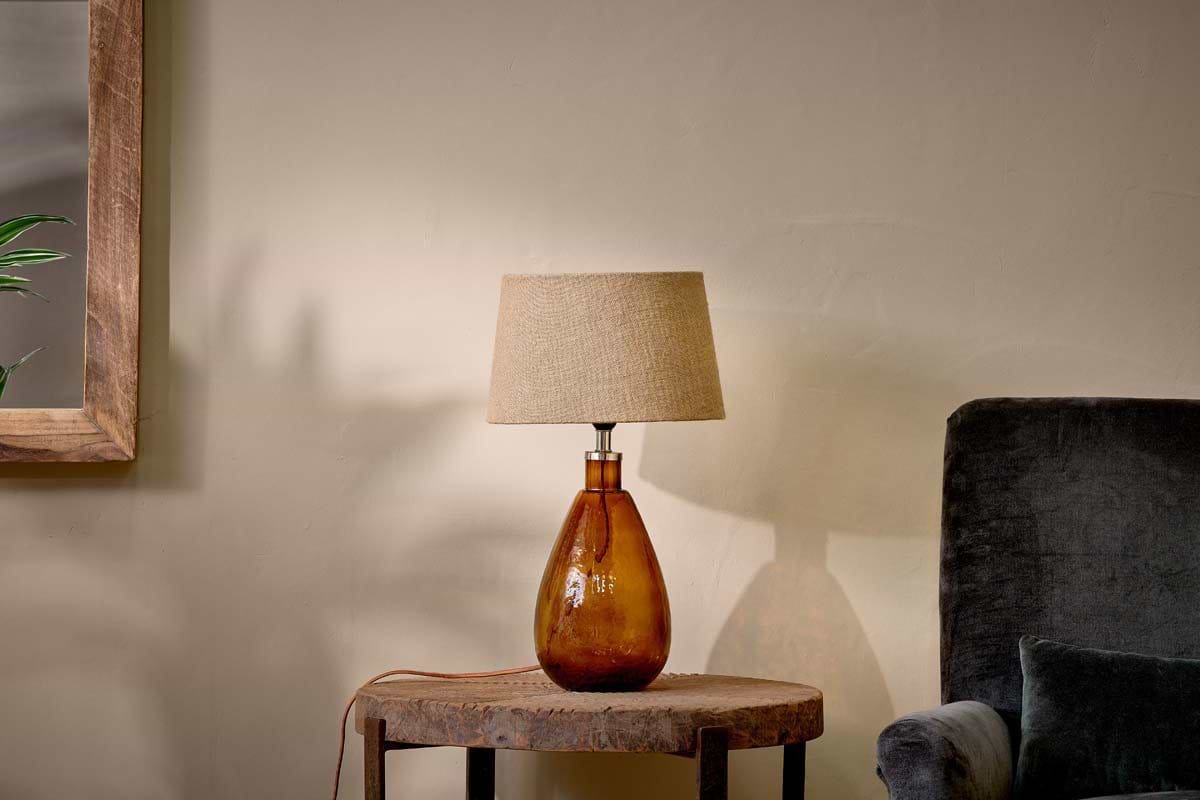
Some links above are affiliate links. If you buy through them we may earn a small commission at no extra cost to you. We only suggest pieces we think fit a calm, lived-in home.
Free guide
The Calm Leaf
12 quiet ways to bring dried botanicals, stems, and natural textures into calm spaces.