

Many people try to create calm in their homes using john lewis home decor, but end up with too many objects, mismatched tones, or pieces that fight for attention. This is especially clear in living rooms with limited storage or dining areas that double up as workspaces, where distraction builds up quickly.
When you strip back, make fewer choices, and pick natural materials, you get a home that feels slower. Today, you’ll learn how to spot the right pieces, avoid overwhelm, and use John Lewis’s resources to get a more peaceful look. This works especially well in a rented flat when you have little say over wall color or flooring because surface choices and moveable decor matter more.
The short version: The best way to use john lewis home decor for a calm, natural look is to choose just a few thoughtfully-made pieces in stoneware, linen, or glass and repeat their textures or colors across your rooms. Focusing on one or two materials and a soft palette makes clutter fade out and helps you see your own style clearly.
Key takeaways
- John Lewis home decor includes well-made accessories using stoneware, natural fibre, and glass for a relaxed look.
- The John Lewis Home Design Service offers in-store and online appointments to help with style decisions.
- Sale sections for vases, diffusers, and candles make it easier to find deals in calm, natural finishes.
- Repeating one material or tone in more than one room is a proven way to keep the look gentle.

What is John Lewis home decor?
John Lewis home decor includes decorative accessories, vases, soft furnishings, and practical items made mainly from simple, good-quality materials. Each piece is created to match broad, relaxed design styles like Scandi and Heritage and fits into most UK homes without fuss.
Many rooms in the UK have awkward proportions or features you can’t change, such as radiators or carpeting. A row of white or light wood shelves topped with stoneware vases from the John Lewis home decor range suits these spaces because the materials help calm down busy shapes and draw attention away from what you can’t alter.
John Lewis & Partners is seen as a homeware authority because their products stay practical, with plain edges and honest textures. Clocks, mirrors, and planters here rarely pull too much focus, unlike high-shine or highly patterned pieces. A linen curtain will settle nervy light in a small bedroom while also making the space feel gentler against the usual white ceiling.
Most decorative items from John Lewis come in soft, low-contrast palettes and avoid shiny plastics. Compared to high street stores, their range uses real stoneware, jute, and cotton more often, so the look wears well with age and doesn’t date with fast-changing trends. A glass bowl or clay pot catches the light and grounds a sideboard better than a mass-produced acrylic trinket.
Try placing a John Lewis jute basket by the sofa or their large stoneware vase in a hallway to quieten stray shoes and post. A well-chosen accessory gives a room purpose but the space stays calm because the finish is never distracting.
How do you get a calm look with John Lewis pieces?
A calm room made with John Lewis pieces usually starts by choosing only two or three accessory types, like vases, clocks, or baskets, and repeating them across spaces. Simple, soft palettes and natural materials help everything blend in.
Most people make the mistake of spreading too many colors or shapes around the room, making it look jumpy or cluttered. Keeping to one color group and one finish, such as pale stone and beige linen, pulls a living room and kitchen together without adding visual weight. Instead of filling shelves with lots of little pieces, one large vase with a wide opening keeps open shelves looking intentional instead of busy.
Open-plan dining and lounge areas in rentals often collect random decor from past impulse buys. A single John Lewis contemporary stoneware vase on the dining table, paired with a set of plain glass tumblers, looks steadier compared to lots of mismatched bright objects. The calm comes from letting the materials do the talking.
The reason this approach works is that repeating neutral colors and honest textures lets the eye rest, while artificial or complex finishes pull attention in every direction. A jute rug on a tiled floor softens harsh lines and keeps the design grounded between zones. Choosing three main surfaces, wood, glass, and linen, avoids mess and gives a real sense of order.
Use John Lewis home accessories like stoneware bowls, linen cushions, and simple clocks along a shared hallway to make transitions feel linked without overstuffing the area. The more consistent the materials, the calmer and more useful the look.
Where this works best
Natural, slow-living decor from John Lewis is at its best in spaces with awkward corners or places with little natural light. Materials like jute, linen, and pale stone tone down busy edges where clutter tends to build up.
Boxy living rooms, rented apartments, and shared family areas all deal with limits on what you can change. John Lewis accessories suit these rooms because they flex with your layout and need little fixing. In an open-plan flat, a large woven basket sits by the sofa and works to collect books or throws without looking out of place. The texture helps break up cold laminate floors, making the space less harsh.
In narrow hallways, hanging a simple John Lewis wall clock and setting a low stoneware bowl on the shoe bench stops the area feeling like a dumping ground. The clock supplies order and the bowl is a drop-spot for keys. Instead of fighting the tight space, you give everything a place.
Avoid loading every room with soft furnishings or too many vases, a common mismatch is putting heavy, dark-colored items in low-light corners, which makes them feel even smaller and heavier. Lighter tones and woven surfaces lighten the mood without overwhelming the space. In a small flat, picking out just one or two calm decorative accessories works better than crowding side tables with many little trinkets.
Apply this by focusing on one material and repeating it: let a pale linen runner lead down the dining table, with a matching John Lewis glass jug catching refracted light by the window.
What should you focus on in the John Lewis home decor range?
The key categories in the John Lewis home decor range are vases, clocks, diffusers, candles, and planters, all simple, practical, and often on sale in natural materials.
Most buyers benefit from picking objects from the John Lewis home accessories sections, especially if they want items that sit quietly on shelves or mantels. Many of these, such as matte stone vases, jute plant holders, or hand-poured candles, are easy to move around and combine with pieces you already own.
Unlike trend-driven shops, John Lewis focuses on long-use items. A classic round wall clock, for instance, is built with a solid glass face and silent hands, looking finished without catching the wrong sort of attention. According to John Lewis, the most popular categories include vases for dining tables, house plants in woven pots, and gently-scented diffusers for bedrooms. These choices suit a soft, slow look.
Choose a few larger accessories over many tiny pieces. On a busy mantle, a narrow John Lewis glass vase with wild stems will settle the eyes better than a handful of short, blocky tealight holders. The room reads less cluttered and feels cooler, even in the middle of summer.

Styling and placement
Decor from John Lewis looks calmest when you leave clear space around each accessory and repeat the same material or tone in small groups instead of spreading them around.
Start by picking one surface to highlight, the coffee table, a shelf, or the foot of the bed. Place a single large piece, like a John Lewis stoneware vase, on that spot and leave most of the area around it blank. If you’re using soft furnishing, a single linen cushion on a patterned sofa reads lighter than stacking four cushions of different colors.
Contrast this with a window ledge packed full of pots and candles, which feels messy. Instead, keep to three objects on a wide ledge, one large planter, one small clock, and a clear glass tealight holder, so there is space to breathe between them. The objects look intentional, and the materials do the job of softening bare sills.
Apply the “one cluster per sightline” rule for open-plan rooms. You can put a basket at each end of a long room, but avoid scattering every surface with something. Each area feels more put-together when you stop a foot short of filling every gap.
Quick calm checklist:
- Stick to two or three main materials, like stone, linen, or glass.
- Keep colors within one muted group per room; avoid sharp contrasts.
- Limit surfaces to one larger cluster per view, leaving the rest free.
- Let baskets and bowls collect clutter but don’t let them overflow.
- Repeat the same shape, tone, or finish in more than one spot.
This approach creates breathing space in homes with low natural light or small rooms, so surfaces clear faster and stay looking set for longer.
How do you find John Lewis home accessories on sale?
The home accessories sale at John Lewis is organized by filtered categories, making it quicker to spot offers on vases, candles, or clocks in natural finishes.
Many shoppers miss deals scattered across the John Lewis website. The sale section for home accessories pulls together discounts on vases, diffusers, and candles, so you don’t have to browse whole departments in person. You can search by material, such as ‘stoneware’ or ‘linen,’ or by room to see what fits.
Compared to standard product pages, the sale area lists items only available at a lower price for a set time and includes reviews of design and finish. Products like the Organic Shape Contemporary Stoneware Vase go in and out depending on stock, so it’s worth checking back in different seasons.
Most simple vases, woven planters, and unscented candles drop into the sale, especially outside peak periods. In contrast, seasonal or bright, patterned items tend to dominate at other homeware retailers, at John Lewis, natural surfaces and plain pieces are always included in their filtered offers. A typical woven jute basket, for example, sits around the mid-range of the store’s prices.
Use this sale filter for small storage, shelf styling, or refreshing a single room with less cost and less visual clutter.
Why do natural materials matter for slow living?
Natural materials feel calmer in a room because they reflect and soften light without adding sharp shine or artificial color. Textures like linen, clay, and jute age gently with time and wear.
Plastic and metal often look out of place in calm rooms because their finish can feel cold and pick up every mark. Instead, a scarf of washed linen or a clay planter absorbs light and lets the space feel settled, especially in winter or in rooms that get little direct sun. John Lewis chooses stoneware, plain glass, and open-weave baskets for this reason, they handle marks well and show character with use.
Stoneware vases and jute containers can warm up hard, empty surfaces like window sills or tiled floors. The difference is clear: a stone bowl draws the eye gently, while a plastic tray will glare in the sun and collect dust in corners. A simple linen throw thrown over the sofa softens sharp corners, compared to synthetic microfibre which tends to pile and lose shape.
In slow-living homes, these surfaces are kinder to touch and quieter on the eye. They match easily with existing plain walls or soft painted wood, meaning you don’t have to overhaul the whole room to notice a shift. Use a combination of glass and clay vessels by the sink or cotton runners on the dining table to reduce the need for frequent replacement.
Applying this means spending less time fussing with upkeep and more time enjoying a space that stays gentle and looks like somewhere you want to rest for longer.
Every so often, you glance around and something feels unsettled, the shelves look jumbled, the table never quite feels clear, or nothing seems to really “go” together. These are often signs of too many clashing shapes or too much color in one eye-line. Only when you pare back and repeat texture or tone do things start to settle.
Choosing one focal piece in a calm material, and repeating it in different places, is what shifts a room from feeling crowded to quietly put-together. The immediate effect is less visual noise; over time, you worry less about moving things around or hiding the messy corners because your choices start working together.
Most homes end up too busy because it’s easy to layer objects and colors without seeing the build-up. A mantle covered with small trinkets, or a sideboard covered in lots of glass and metal, can feel more like leftovers than a finished space. A mismatch like this keeps the room feeling busy even after tidying.
When you refine for materials and space, the room reads calmer and sits lighter against the rest of your home.
Save this idea for later.
What tends to hold up with calm John Lewis styling
Rooms that use John Lewis accessories well almost always keep to just a handful of materials and finish with clear gaps around each cluster. The items still feel useful, but never fussy. Reviewers often say that stoneware and jute pieces hold up much better near busy doorways or under windows than glossy trays or lacquered accessories, which pick up dust quickly and look tired within months.
Designers continue to recommend matte, natural finishes for awkward rental spaces, because they balance the rough details that can’t be hidden behind larger furniture. Woven and soft accessories look right, year after year, even as styles and paint colors shift around them.
, Mara, Loom & Glow
Common questions
What is the 3-5-7 rule in decorating and how does it apply to John Lewis items?
The 3-5-7 rule says it looks best when groups of home accessories are displayed in odd numbers. John Lewis vases, candles, or planters arranged in groups of three or five make a shelf or table feel finished, not cluttered. This method keeps things casual, but helps your arrangement look planned and steady.
What are the latest home decor trends available at John Lewis?
Current John Lewis home decor trends include natural materials like stoneware, neutral tones, and Scandi-inspired styling. Their range features rounder shapes, woven plant holders, simple clocks, and linen textiles. These trends make rooms look softer and suit anyone wanting a slow-living home with less clutter.
What are the top 10 home decor items to look for at John Lewis?
The top John Lewis home decor items are: stoneware vases, linen throws, round clocks, woven baskets, glass planters, diffusers, candlesticks, cotton runners, clay bowls, and matte-finish mirrors. These choices stay in style and are practical for calm, slow-paced homes.
Is John Lewis the best homeware store in the UK for calm, slow-living decor?
John Lewis is widely known in the UK for calm, slow-living home decor thanks to its focus on well-made, natural accessories. The store’s Home Design Service and variety of quality materials support this approach. Simple, soft designs in materials like linen and stoneware win regular praise from shoppers and designers.
Explore more calm combinations inside our Shop The Look .
Shop the Look
A few calm Nkuku accessories that sit well alongside typical John Lewis pieces.
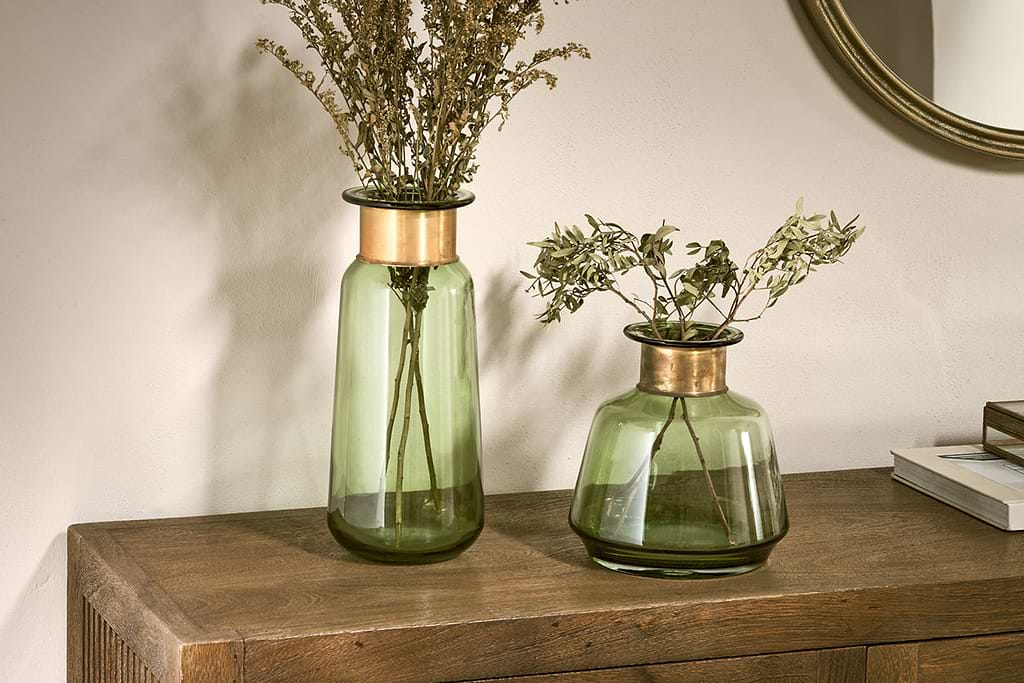
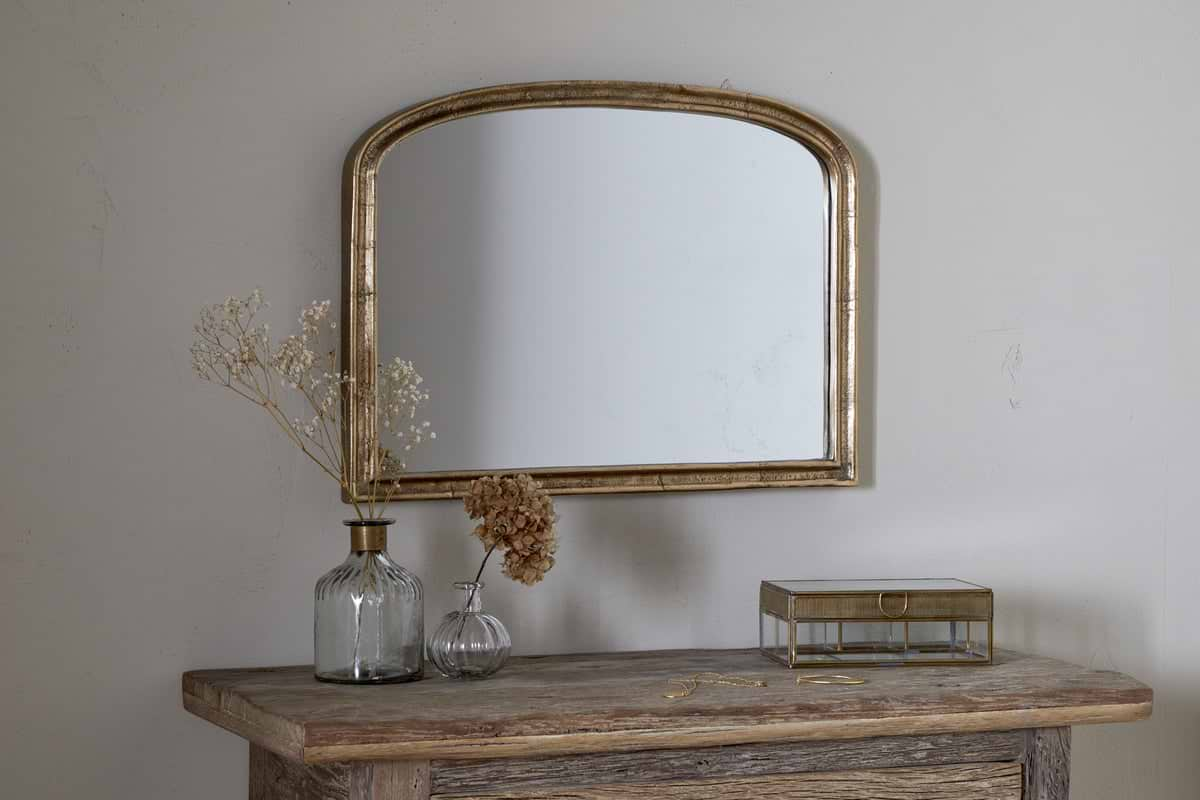
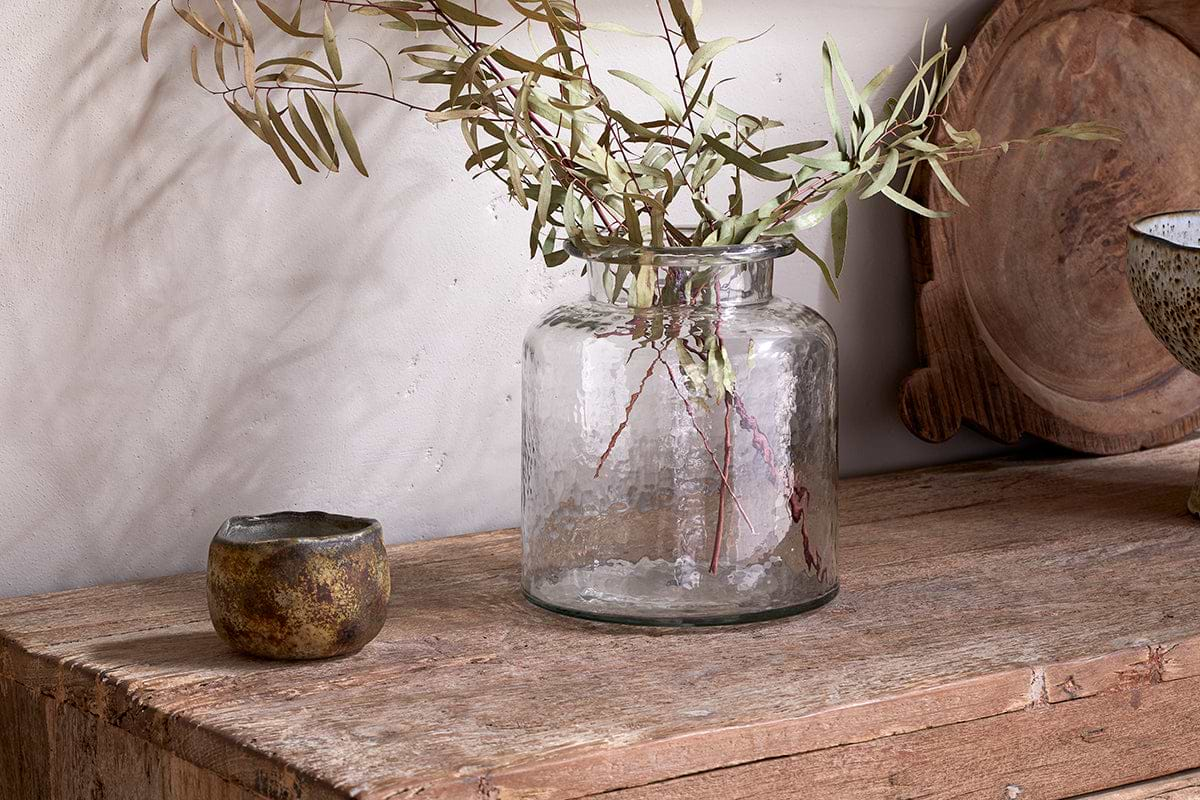
Akra Recycled Glass Vase
Clear cylindrical glass, pairs with stems or sits empty as a quiet accent.
View at Nkuku →Some links above are affiliate links. If you buy through them we may earn a small commission at no extra cost to you. We only suggest pieces we think fit a calm, lived-in home.
Free guide
The Calm Shelf
12 styling ideas to help you compose calm, balanced shelves in natural texture homes.