
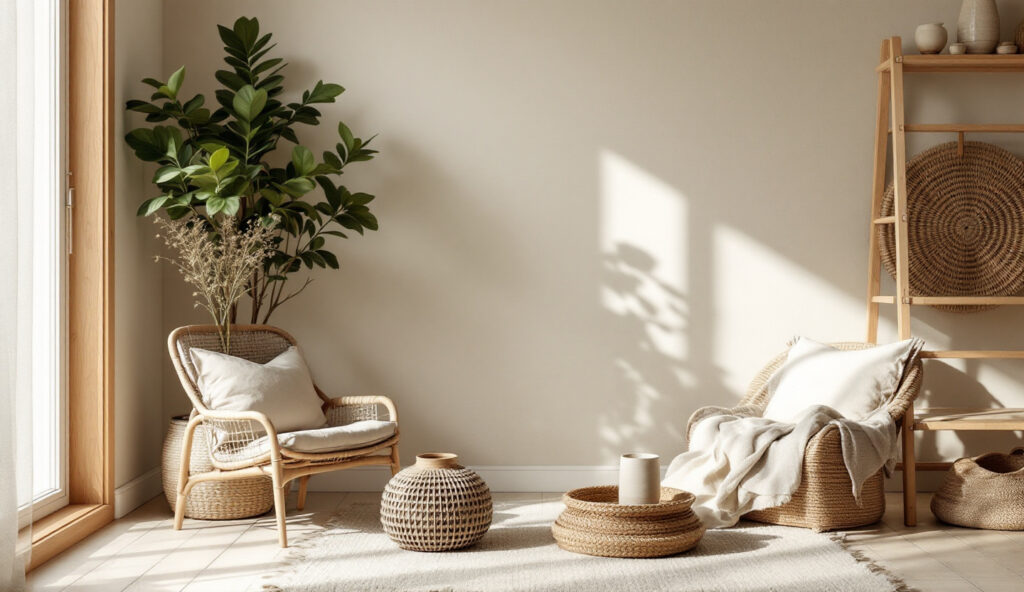
Clutter gathers quickly in a busy home, especially when every online routine promises perfect order. A home management book might land on your shelf, but the advice inside often feels strict or built for another era. Most people are looking for something gentler, guidance that doesn’t leave them tired or boxed in.
Today, you’ll learn how to pick and use a home management book that supports a slower, calmer way of living, not just another to-do list. We’ll cover how to spot which systems feel sustainable, what old advice to skip, and how to design routines that fit into your own days. This works especially well in a small apartment when life gets hectic because it removes pressure and leaves you more at ease.
The short version: A home management book can help you build calm routines if it focuses on natural rhythms and gentle systems instead of strict productivity rules. Choosing the right guide shifts the focus away from perfection, giving you practical ways to care for your space without overwhelm.
Key takeaways
- Home management books influence everyday routines by shaping how we handle cleaning, organising, and rest.
- Victorian household manuals, like Mrs. Beeton’s, shaped early home management but are often too rigid for today’s slower pace.
- Signs a home guide is calming: natural materials are mentioned, slow routines are encouraged, and perfection is never the goal.
- Most people find success when they start with one room and build simple habits, not a whole-house system at once.
- What is the problem with most home management books?
- How do you choose a home management book that feels gentle?
- 5 books for a mindful slow living routine
- What Victorian home manuals got right (and what to leave behind)
- Where this works best
- How to build a routine from your book, not someone else’s
- Styling and placement

What is the problem with most home management books?
Most home management books focus on productivity and strict routines, causing more pressure than support for many readers. A gentler approach centers daily care around small changes, not rigid checklists.
Kitchens that fill with paper, bedrooms stacked with baskets, schedules pinned to the fridge, many guides push for a busy pace. The glossy covers and bullet lists line up, but most homes won’t match their fast-clock structure. That’s not a failure; it’s a mismatch between advice and how real homes work under pressure.
Quiet routines fade out when every line must be ticked daily. Instead of feeling cared for, the room feels like it’s never quite enough. Pressing for tidy every moment leaves no room for materials that settle and shift, like linen draping over imperfect stacks or a wooden tray catching crumbs instead of hiding them away.
A bare, productivity-driven system makes a space feel colder, while one slow ritual, a single wipe-down, a bowl put away, suggests calm. Compared to endless scheduling, a slower pace brings relief to everyday maintenance. Try starting with one repeatable routine in a high-traffic space to ease resentment while still making progress.
How do you choose a home management book that feels gentle?
A gentle home management book describes steady routines using natural materials, and never treats missed tasks as failure. Look for one that leaves room for good-enough habits tailored to your days.
Living spaces shaped by softness and repeated actions read warmer than those run on rigid, fast systems. When comparing two books, see which one talks about cleaning with vinegar or folding throws, instead of just “maximising time.” The more a guide describes using a cotton cloth, airing out bedding, or choosing daylight over LED, the more it fits a gentle pace.
If the first few pages talk only about systems, schedules or reaching “peak productivity,” put it down. Instead, search for phrases about slow mornings, making tea, or adapting tasks to your own hours. One concrete rule of thumb: a gentle book always gives permission to leave some corners as they are.
Unlike a checklist that expects perfection, a flexible guide helps you build care into even the busiest days. Test-drive this by following one section for a week, not the whole book at once, to see what fits your mood and home rhythms before building up.
5 books for a mindful slow living routine
Books that support slow living include guides to natural cleaning, mindful organisation, seasonal living, calming routines, and home aesthetics grounded in sensory materials. Each style fits a different home mood.
“The Book of Household Management” by Mrs. Beeton covers all aspects of Victorian household care, meals, linen, cleaning, and repairs. Some parts read dated, but it remains a source on basics like boiling linens and simmering stock, according to Mrs. Beeton’s book.
Modern titles like “The Art of Simple Living” recommend gentle shifts: open windows, brush wool throws, treat tidying as pause, not punishment. Books focused on mindful organisation make space rather than just wrangling stuff, one asks readers to choose six items per drawer and let the rest go. “Calm Home, Calm Heart” leans into rituals, inviting you to group small chores with music, not a timer.
Unlike thick manuals of home duty, slow-living books often include color palettes, tips for open shelves, and suggestions for bringing in plant life. Each one offers quick wins: swap synthetic spray for lemon and water; put away outerwear when coming home. Use a slim basket in the entry to keep the pace simple.
What Victorian home manuals got right (and what to leave behind)
Victorian home manuals like Mrs. Beeton’s offered structure for daily household work, but their strict schedules rarely fit modern routines. The best advice combines timeless tasks with flexibility for today’s homes.
Victorian homes were managed by long lists, polish silver, beat rugs, line shelves with paper. Mrs. Beeton’s book gave step-by-step direction for every daily task, including meal plans and weekly cleaning. Today, most people need only some of the structure: such as “keep linens aired” or “do dishes after meals.”
The book’s instructions were once essential for large households or those with staff. Now, the same detail feels too rigid for a one-bedroom flat or busy midweek night. What lives on, though, is the value of steady routines, folding as you launder, keeping one shelf for basics.
Compared to contemporary advice about buying more storage or running decluttering marathons, these old routines stress repeating small things, not tackling everything at once. Choosing earthy soaps over synthetics and wood scrub brushes over plastic are two ways to honor the spirit but adapt the practice. Use one old rule, like “clean as you go”, in your kitchen to keep the demand low but the result steady.

Where this works best
Gentle home management guides work best in homes with shared spaces, open shelving, or low storage, where flexibility is key. Small changes create lasting results in high-use rooms.
Homes with small kitchens, shared bathrooms, or open living rooms see the most impact from slow-paced routines. In spaces where storage is limited or baskets are always in sight, a heavy structure falls flat but a single repeatable routine, like a nightly wipe-down, keeps the room feeling cared for.
Day-to-day, natural materials give some forgiveness, linen puckers when stacked, cedar trays hide chips, dried flowers soften a shelf’s edge. A checklist in these settings feels stiff. Instead, choosing one “reset” at the end of the day, a folded blanket, washed cup, open window, anchors care without cluttering the mind.
Avoid expecting a rigid schedule to fix a room that changes all the time, like a playroom or an entryway. Unlike permanent built-ins, flexible routines suit the shifting needs of family and guests. Begin with a single, visually calming action, such as tucking bags in a basket by the door, especially where floor space is tight.
How to build a routine from your book, not someone else’s
The best home management book is a starting point for creating habits that suit your own family, pace, and space, not a script for copying someone else’s schedule.
Begin by choosing just one habit from the chapter that speaks to your days. For some, that means wiping down kitchen surfaces every evening; for others, it’s an end-of-week laundry sort. A rule of thumb: routines settle in faster when matched to times you’re already at home, like quiet Sunday mornings or after the kids leave for school.
Test routines in the room that feels most cluttered. Rather than overhaul a whole house, start where the stress gathers, maybe the kitchen counter or a narrow hall. Breaking big tasks into small nightly actions works where binge cleaning backfires. This is the approach recommended by most gentle guides and slow living authors, who suggest repetition over intensity.
Unlike a strict checklist, using sensory cues helps keep habits going: the weight of a basket, the scent of natural cleaner, the sound of opening a window. Over time, the routine grooves itself in, without punishing blips when you skip a day. Try pairing your new routine with a favorite piece, a ceramic bowl for keys, a wool throw by the sofa, to signal its place in daily life.
Styling and placement
A home management book stays useful and calming when styled openly in rooms you use most, paired with natural baskets, soft linens, or a clay bowl. Placement shapes how you use it.
Keeping a cleaning or organisation book closed away means you rarely reach for it. Books stacked with a small tray of tools, a natural bristle brush, a cotton cloth, invite use. Place the book on a shelf in your kitchen or near the door, so routines grow out of visibility and easy reach.
Spacing matters: a crammed shelf looks heavy, while a book flanked by a ceramic vase or woven box feels quieter. Materials shape mood as well; linen softens a corner, while a pale wood tray ties in gentle order. A room with mixed plastic and metal can read busier than one anchored by a single textured basket or a stack of recycled-paper organizers.
Quick calm checklist:
- Pair one open book with a natural basket, shallow tray, or fabric bin.
- Keep palette to two calming tones (off-white and wood, or gray and wicker).
- Leave at least half the shelf clear to avoid a cluttered look.
- Choose textured materials, linen, terra cotta, or simple wood, over shiny synthetics.
A soft spot for your book, next to a reed diffuser or by natural light, makes returning to your routine simpler and more appealing day after day.
What tends to hold up with home management books and calm routines
Books and guides that last tend to suggest a rhythm, not a strict sequence. Reviewers repeatedly note that systems based on natural materials, baskets, open shelves, and cloth, get used more often because they fit into real, flexible routines. Heavy manuals fade away unless anchored by small, visible daily wins. Advice about folding linen or choosing a simple toolkit is recommended consistently across slow-living forums. Soft, familiar actions, airing out a space, sorting after a meal, often “stick” long after the initial enthusiasm for a strict system fades.
Matte finishes in baskets or trays are suggested near windows, since they don’t reflect light the way metal or glossy storage does. In summary, small, gentle habits grounded in tangible materials outlast any long checklist.
, Mara, Loom & Glow
Common questions
What is the problem with most home management books?
Most home management books focus on productivity and strict routines, causing more pressure than support for many readers. A gentler approach centers daily care around small changes, not rigid checklists.
How do you choose a home management book that feels gentle?
A gentle home management book describes steady routines using natural materials, and never treats missed tasks as failure. Look for one that leaves room for good-enough habits tailored to your days.
Which books support a mindful slow living routine?
Books that support slow living include guides to natural cleaning, mindful organisation, seasonal living, calming routines, and home aesthetics grounded in sensory materials.
What did Victorian home manuals get right and what should be left behind?
Victorian home manuals like Mrs. Beeton’s offered structure for daily household work, but their strict schedules rarely fit modern routines.
Explore more calm combinations inside our Shop The Look .
Shop the Look
Simple woven storage and quiet candlelight that make home routines feel calmer.
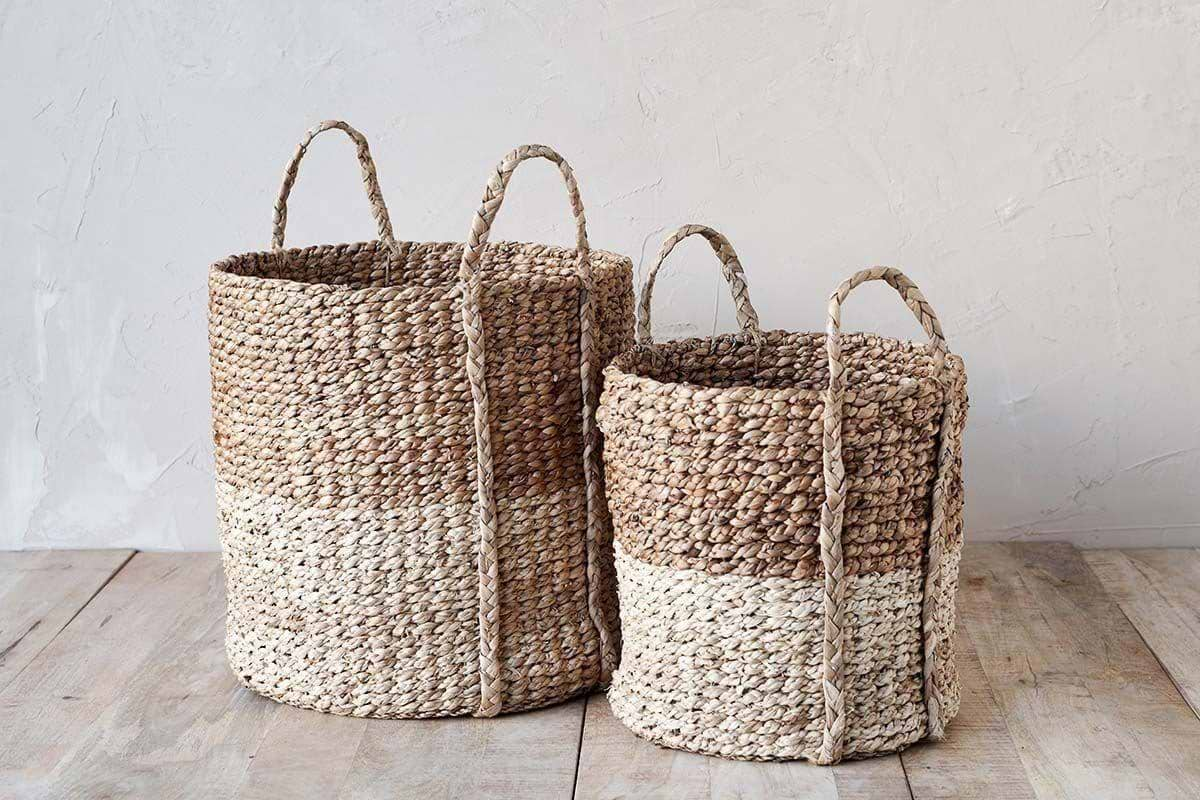
Nkomi Basket
Woven storage with a calm silhouette, works open or tucked under a console.
View at Nkuku →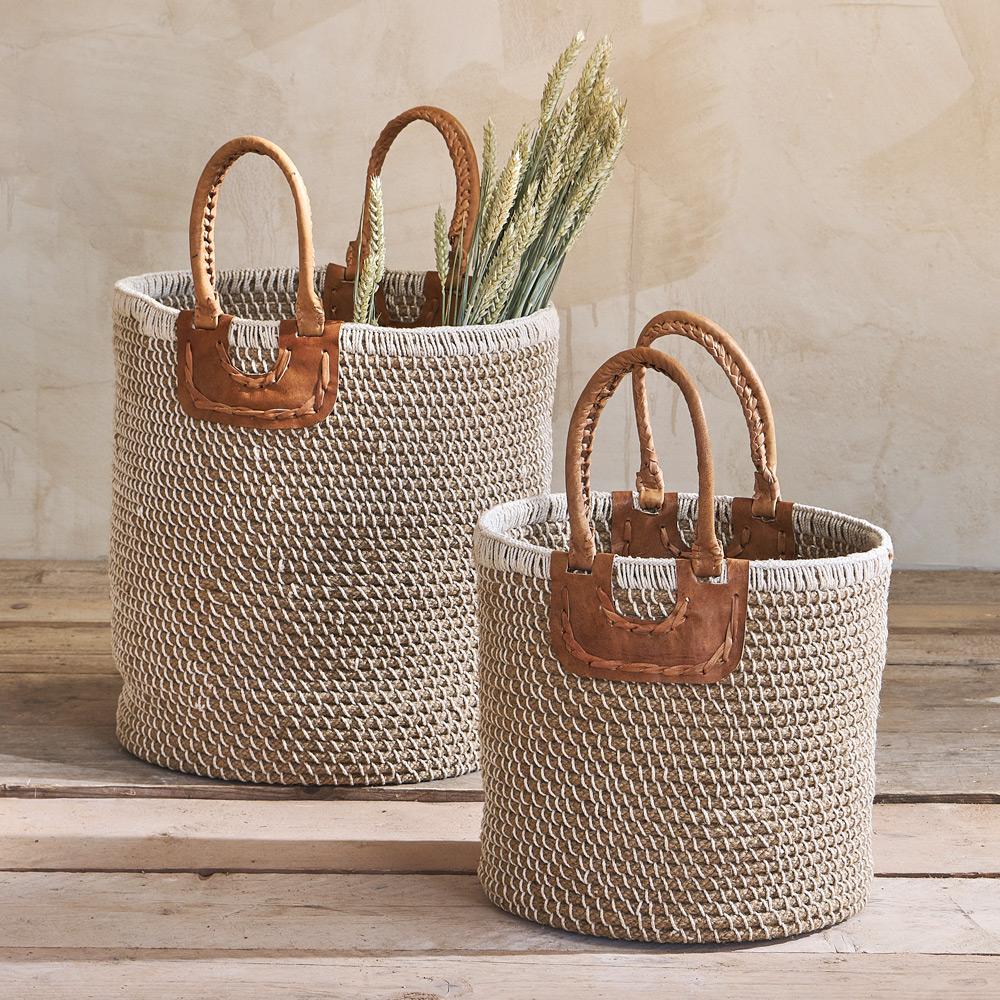
Indra Coil Basket
Natural coil weave, neat enough to leave out, large enough to hide clutter.
View at Nkuku →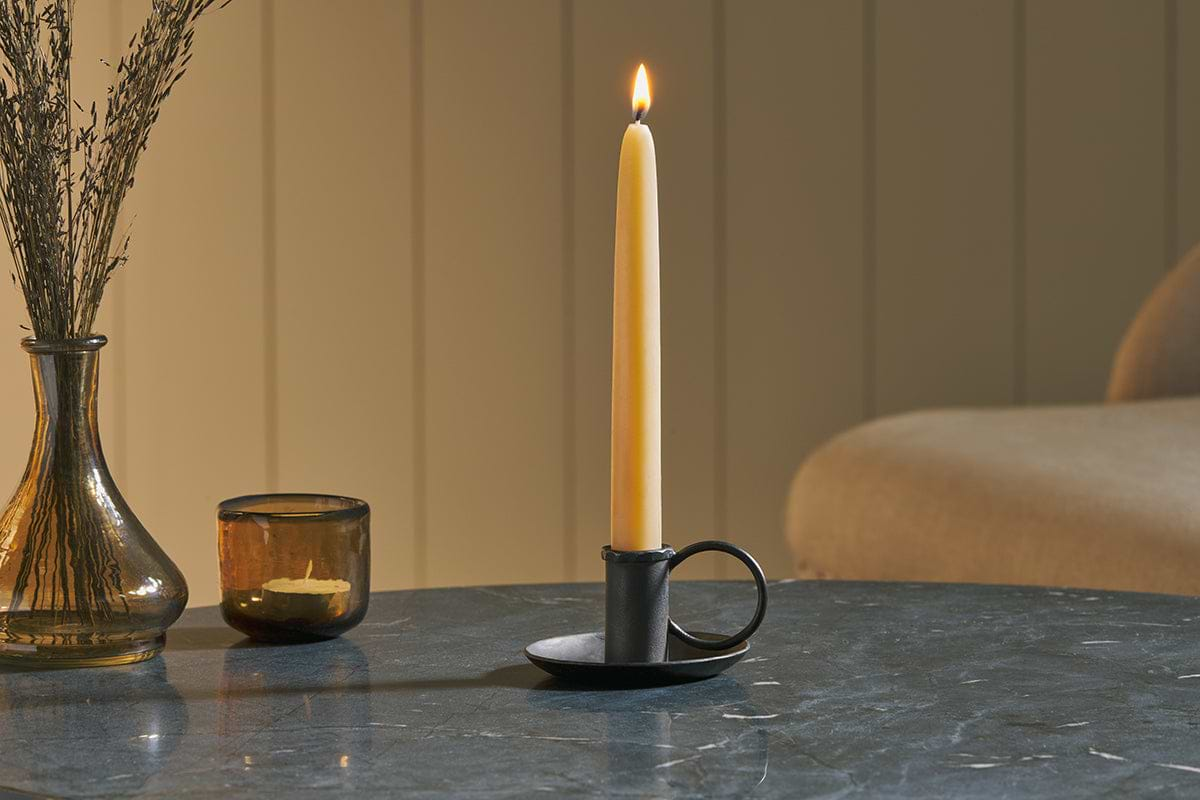
Amri Iron Candlestick
Slender iron with quiet presence, works alone or in clusters of three.
View at Nkuku →Some links above are affiliate links. If you buy through them we may earn a small commission at no extra cost to you. We only suggest pieces we think fit a calm, lived-in home.
Free guide
The Calm Shelf
12 styling ideas to help you compose calm, balanced shelves in natural texture homes.