

Handcrafted interior details, such as a handmade soap dish or a wood-carved soap holder, transform a bathroom into a personal, spa-like retreat. These unique, natural-material items add gentle warmth and a sense of calm to small spaces, grounding the room with quiet character and a slow-living atmosphere that mass-produced items cannot replicate.
A simple change such as a handmade soap dish or a naturally finished bowl can make all the difference. Small details, thoughtfully chosen, create a calm, collected home.
The short version: Handcrafted interior details bring gentle warmth and uniqueness to your bath. Simple craft touches help turn everyday spaces into calm retreats.

Incorporating Handcrafted Elements
A hand-thrown ceramic dish and a wood-carved soap holder add simple charm. These elements offer handcrafted interior details that set a grounded tone.
The use of handcrafted items in your bathroom gives the space a quiet uniqueness. A small jute basket placed on an open shelf holds folded towels with care. In one case, a worn wooden tray held simple essentials that spoke of a history. A unique craft becomes the centrepiece when paired with basic room elements.
Care in selection matters. A handmade bowl resting on the counter invites gentle admiration, and its natural finish softens the modern minimal style. The presence of these small details shows clear human touch. Their subtle imperfections add a lived-in comfort that large manufacturers rarely achieve.
A dedicated spot for a delicate, handcrafted mirror can change the mood instantly. A well-placed object can draw the eye and hold memories of skilled hands. The use of such items results in a room where calm flows naturally. This happens because a hand-finished piece reminds one of slow living values.
Handmade Decor with Soft Lighting
A wrought iron candle holder and a lantern set a mellow tone. The natural glow from warm ambient lighting reaches into every corner with gentle influence.
Defining a space with soft lighting adds warmth without the stark shadows of modern fixtures. When you choose handmade decor like a crafted candle holder, the light falls in a delicate way. The gentle flicker of a flame paired with soft tones enhances the intimate atmosphere. A careful blend of light and craft helps the room feel more inviting.
There is a clear cause and effect here: installing a softly glowing lantern creates a welcoming feel. One evening, a carefully designed fixture cast comforting shadows on the walls. The light from a hand-shaped piece reminds us to slow down and enjoy the moment. Although modern lights are efficient, they rarely capture the warmth of something made by hand.
Adding contrast with industrial accents can sometimes seem jarring, yet a crafted piece softens even bold lines. A nod to slow living is visible as the light gently dances across textured walls. Including quality fixtures such as warm ambient lighting makes a subtle but noticeable difference.
Slow Living in a Clutter-free Bath
A rustic soap dish paired with a woven bowl speaks of genuine care. The space tells a quiet story of slow living and handmade decor.
A bath that honours slow living invites a deep sense of relaxation. A simple towel rack near a reclaimed wood shelf provides a gentle contrast against crisp white tiles. A carefully placed handmade soap dish adds a personal note that speaks to simplicity. The overall effect is a mood of calm that is hard to replicate with mass-produced items.
You might find a handwoven basket lounging on a side table, keeping toiletries organised. This small addition keeps the room free of clutter, making daily routines more mindful. A slow, deliberate approach to design helps create an uncluttered backdrop for everyday rituals. The presence of such elements means that each item feels earned and thought out.
There is a simple cause and effect: choosing well-made items reduces visual noise and brings calm. The process of placing each object becomes a quiet act of care. The minimalism stems from a focus on fewer, better pieces. This blend of handmade decor and simplicity supports a living style where each object matters.
Creating a Natural Ambiance
A hand-rolled clay vase holds dried lavender on a wooden ledge. This natural ambiance comes from pieces shaped by patient hands.
The use of natural materials gives a bathroom a genuine softness. A simple clay bowl on an open shelf draws the eye with its earthy tones. Embracing handmade decor means each texture tells its own story. The contrast between smooth porcelain and rugged clay creates a gentle balance in the room.
A shelf lined with small, crafted items sets the stage for a relaxed day. A pair of hand-painted tiles near the sink hints at traditional methods used in creating art. The overall simplicity and natural elements help the space feel connected with nature. A scene unfolds where each piece contributes to an overall serene feel.
There is clear cause and effect: a handmade detail enhances the mood simply by being there. The nuances of a handcrafted piece make the ambience noticeably warmer. The handmade approach also introduces natural imperfections that enrich the new vibe. Here, a set of diy candle holders might add extra attention to the soft glow in the evenings.

Where this works best
Stone tiles meet wooden finishes in a modest bath. Materials like stone, wood, and leather enhance the everyday function in real spaces.
Bathrooms with exposed stone walls or simple wooden countertops are ideal for handcrafted items. Spaces with a mix of modern and natural elements need a touch from nature to feel real. Various fixtures, such as a handcrafted soap dispenser and a woven storage basket, help ground raw surfaces. A room with exposed brick or concrete can benefit from these gentle details.
Everyday actions like reaching for a towel or placing a bath mat feel smoother when worked into a handcrafted setting. A hand-finished shelf that holds neatly folded linens can bring a sense of order to your routine. The room feels more lived in. A practical tip: including a piece of linen wall decor in your powder room adds warmth to cold surfaces.
Avoid materials that clash or seem too bold in a gentle setting. The application of handmade items should speak softly and not overpower the natural light. A mix of rough and smooth textures creates a welcome contrast without heavy dominance. A hand, crafted accessory refreshes your mornings by turning routine into a quiet treat. This works because a delicate handcrafted element naturally softens a room’s stark edges.
Styling and placement
A detailed woven mat sits beside a simple basin. The placement of crafted items in the room sets the stage for quiet moments.
Choosing where to put each handcrafted element is as important as the object itself. A neat display on a wooden ledge or a shelf can bring coherence. Every handmade piece has a story that adds meaning to the placement. A carefully arranged grouping encourages the eye to move gently through the space.
There is direct cause and effect here: when items are placed with care, their influence multiplies. A hand-finishing detail on a storage chest can pull together various pieces of decor. An unplanned layout might feel out of step with the room. The natural order of items helps define the scene and sets a quiet pace.
Quick calm checklist:
- Set items on a soft-finished shelf.
- Group smaller objects to form a gentle vignette.
- Use natural materials to provide consistency.
- Keep the colours neutral to encourage calm.
A subtle reminder shows how a well-thought display makes everyday routines feel smoother. A handwoven basket or textile draped casually on a side table adds a personal note. Including touches like minimal table runners among bedside or vanity items creates order. The careful balance of objects ensures the room remains open and inviting.
Balancing Minimal Form with Warmth
A soft cotton towel and a time-worn stool complement each other. In this setting, handcrafted interior details blend with minimal design to add a soothing tactile warmth.
Keeping the bath minimal does not mean excluding personality. A single, well-chosen hand-thrown bowl on a plain countertop can catch the eye with its subtle texture. The integration of handmade decor in an otherwise simple room brings a heartening mix of detail. The soft influence of vintage handcrafts lightens the overall sterility.
There is clear cause and effect: when you introduce a crafted accessory, the overall room balance improves. A hand-painted tile or a woven mat helps bring together the minimal setup with layers of quiet charm. If you add an anchor piece from artisan makers, then your room finds a centre of calm. The presence of these items creates an atmosphere that welcomes both simplicity and warmth.
A final note in this section is how a small wooden box can bridge the gap between utilitarian and artistic. The inclusion of a wooden keepsake boxes on a vanity or shelf provides practical storage with a gentle touch. The balance between minimal form and warm materials results in a space that feels both organised and inviting.
SOLUTION CLARITY: The practical shift is a design decision to choose one standout piece to serve as an anchor. Reducing your palette to a few overlapping textures lets the space speak calmly, while each handcrafted detail keeps the room uniquely warm.
At a decision moment, you might notice that an area of your bathroom feels oddly mismatched. This is when the subtle differences between mass-produced items and handcrafted treasures become evident.
A frequent mistake is filling the space with too many items that have similar shapes and finishes, which can add confusion. Paying attention to the quality and story behind each piece brings a soft clarity and calm to your design.
Each thoughtful touch tends to harmonise the overall mood.
Save this idea for later.
Karaya Cotton & Wool Cushion Cover – Natural
adds quiet structure and warmth while keeping the room balanced.
What I’ve come to know about handcrafted bathroom details
I have learned that a home reflects who we are. In choosing simple, handmade elements, I found that every fixture tells a story of craft and care. These details remind me of quiet moments spent with loved ones and a slower pace of life.
The changes we make are not always big ones. Small additions, like a soft cushion cover or a gentle lamp, can bring relaxed joy to a space. Over time, it is these decisions that create the warm spaces we treasure.
, Mara
Common questions
What handcrafted touches create a spa-like bathroom?
The use of handcrafted items in your bathroom gives the space a quiet uniqueness. A small jute basket placed on an open shelf holds folded towels with care.
How does soft lighting affect a bathroom with handmade decor?
When you choose handmade decor like a crafted candle holder, the light falls in a delicate way. The gentle flicker of a flame paired with soft tones enhances the intimate atmosphere.
Explore more calm combinations inside our Shop The Look.
Shop the Look
A glass lantern and simple candlestick create spa-like warmth on bathroom surfaces.
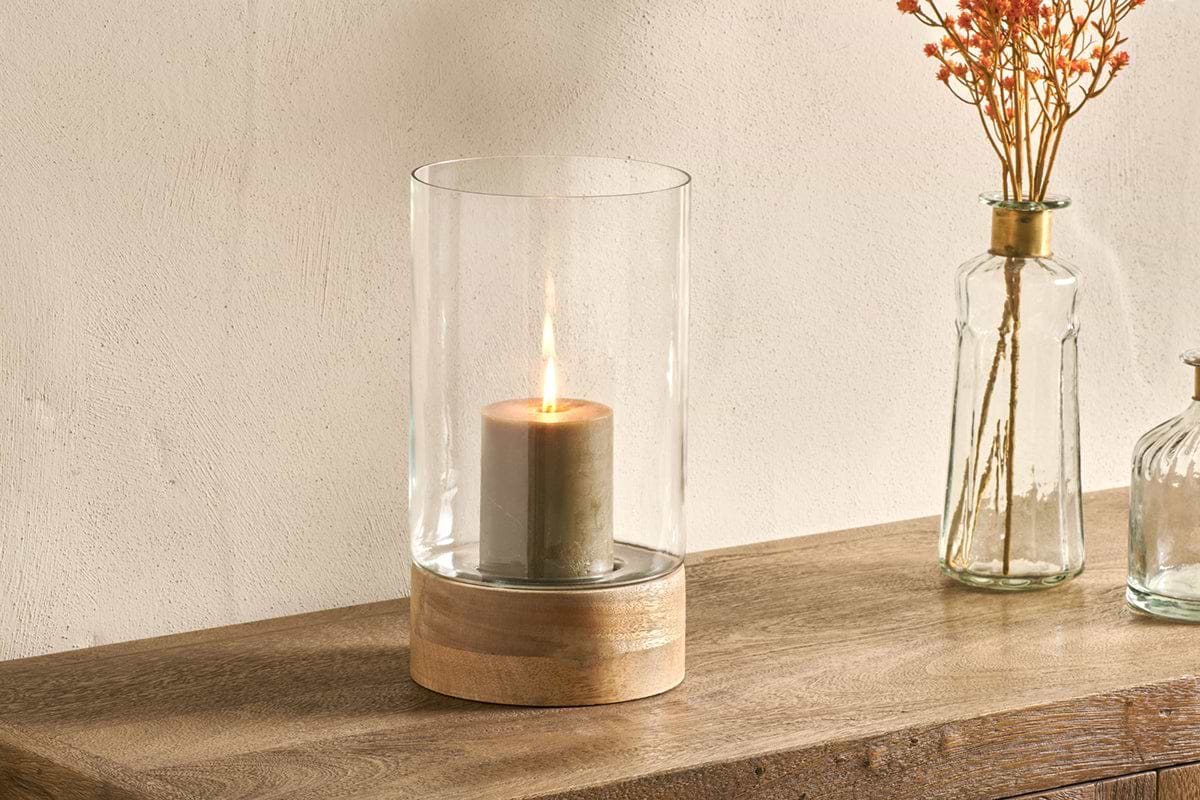
Idha Hurricane Lantern
Straight-sided glass, for candles indoors or sheltered patios.
View at Nkuku →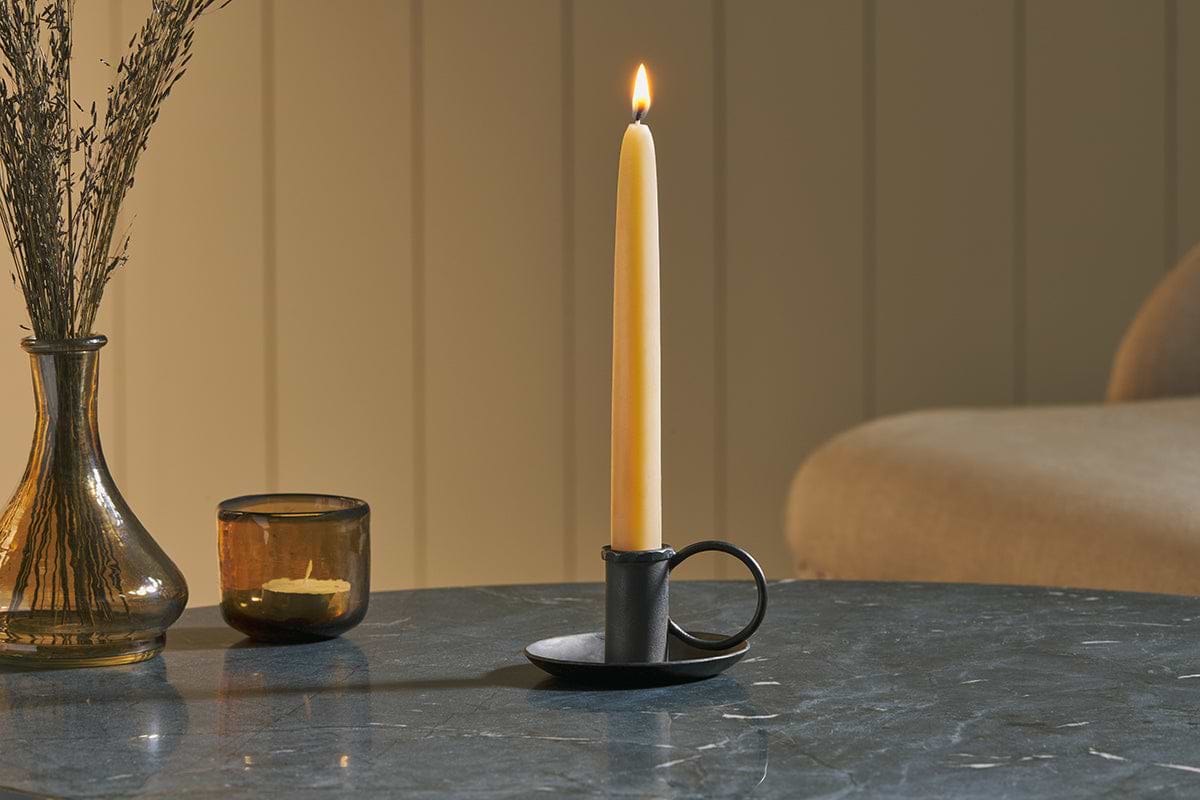
Amri Iron Candlestick
Slender iron with quiet presence, works alone or in clusters of three.
View at Nkuku →Some links above are affiliate links. If you buy through them we may earn a small commission at no extra cost to you. We only suggest pieces we think fit a calm, lived-in home.
Frequently asked questions
What are handcrafted interior details?
They are unique, handmade items like a hand-thrown ceramic dish, a wood-carved soap holder, or a woven basket. These pieces add gentle warmth and a personal touch to a bathroom, creating a calm, collected atmosphere through their natural materials and subtle imperfections.
How do I style handcrafted items in a bathroom?
Place items with care on a wooden ledge or open shelf to create a gentle vignette. Group smaller objects, use neutral colours, and ensure the placement encourages a calm, uncluttered flow. A well-thought display, such as a handwoven basket on a side table, makes daily routines feel smoother.
Why choose handcrafted decor over mass-produced items?
Handcrafted pieces bring a quiet uniqueness and lived-in comfort that manufactured items rarely achieve. Their natural finishes and human touch soften modern minimal styles, reduce visual noise, and support a slow-living ethos where each object in your space matters.
Free guide
The Calm Leaf
12 quiet ways to bring dried botanicals, stems, and natural textures into calm spaces.