
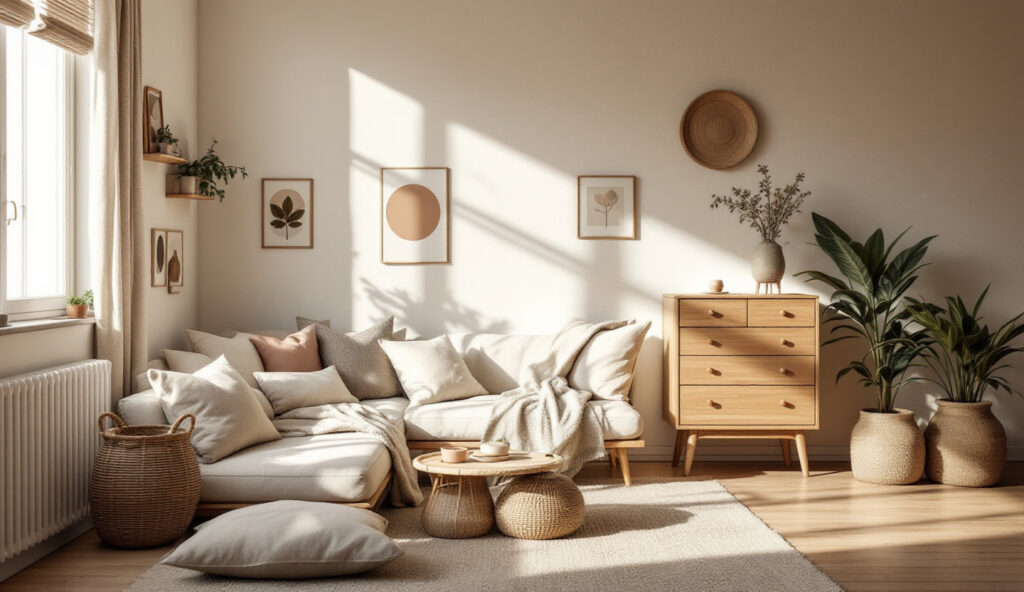
In many homes, heavy curtains, cramped layouts, and plain window frames can make a room feel boxed in. Gothic window design, especially the pointed arch style, often gets skipped because it feels too formal or ornate for everyday spaces. Yet the right approach can turn even a low-light apartment or rental into a lighter, calmer place to live.
Today, we’ll see how to use a few simple changes to bring the gentle arches and layered look of Gothic windows indoors, without making the room feel like a stage set or old church. You’ll learn how to shape a corner, what materials and colors help, and which details to skip. This works especially well in small living rooms with low ceilings when you need softness and a pretty focal point because pointed arches naturally pull the eye upward without taking over the space.
The short version: Gothic window design creates a calm interior by pairing pointed arches with light, textured materials and quiet shapes. Use one focal piece, lean on pale wood or matte finishes, and keep window zones simple for best effect.
Key takeaways
- Gothic window design uses pointed arches and layered frames to guide the eye without clutter.
- A single pointed arch feature, like a mirror or shelf, works best as a focal point in a calm room.
- Light wood and off-white finishes soften the strong lines of Gothic-inspired shapes.
- Most modern Gothic windows borrow historic forms but use contemporary materials for easy maintenance (source).
- Repeating just one motif, such as tracery or arches, brings order to tricky corners and window nooks.
- What is Gothic window design?
- How do you use pointed arches without making a room feel old-fashioned?
- Where this works best
- Materials that soften the Gothic line
- Styling and placement
- How to use a Gothic window mirror as a focal point
- Gothic-inspired shelves, arches, and plant trellises: which details work?
What is Gothic window design?
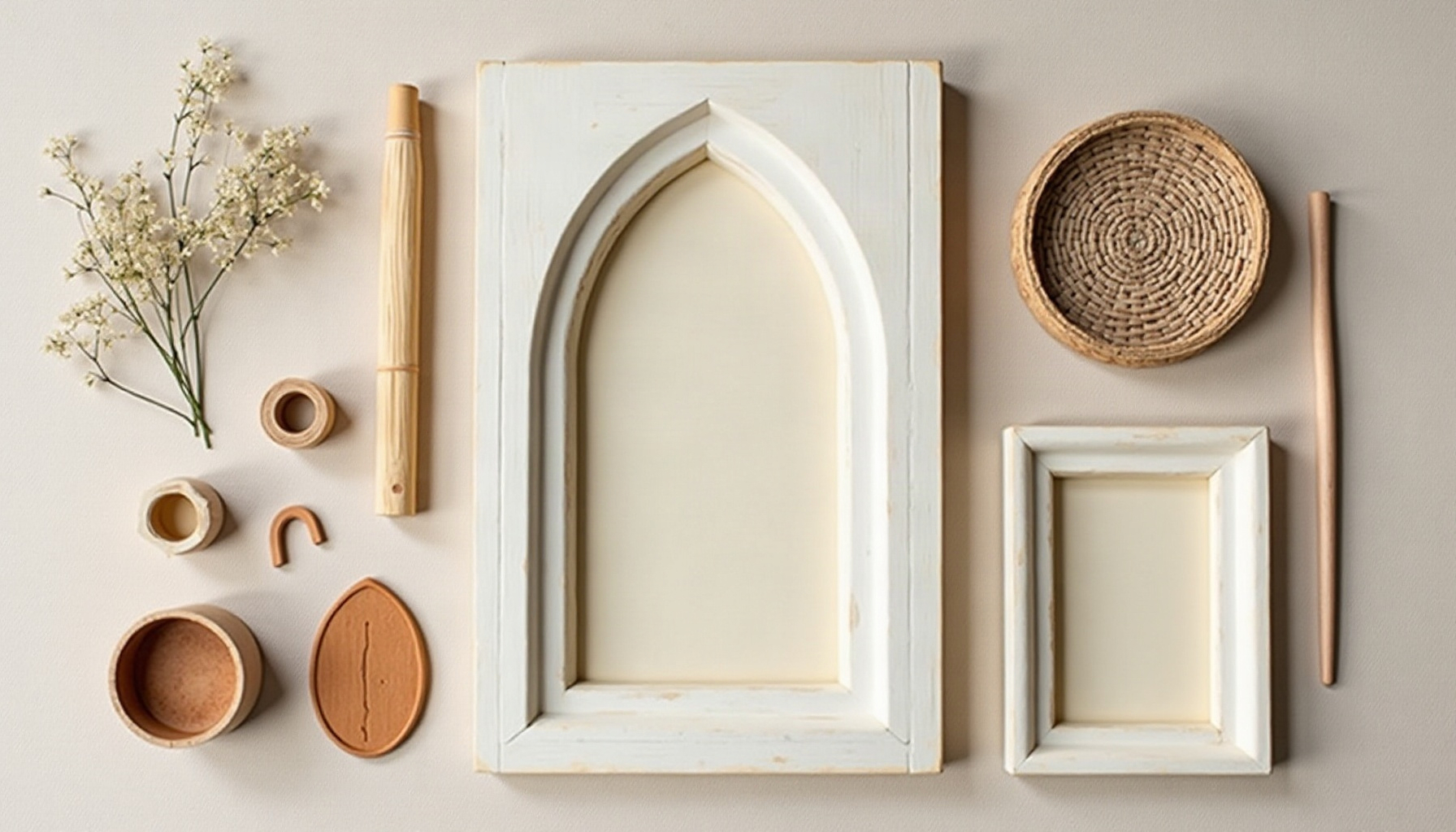
Gothic window design means using pointed arches, layered frames, and ornate details to gently draw light and attention upward. The style comes from old European cathedrals but works at a subtle scale in modern homes.
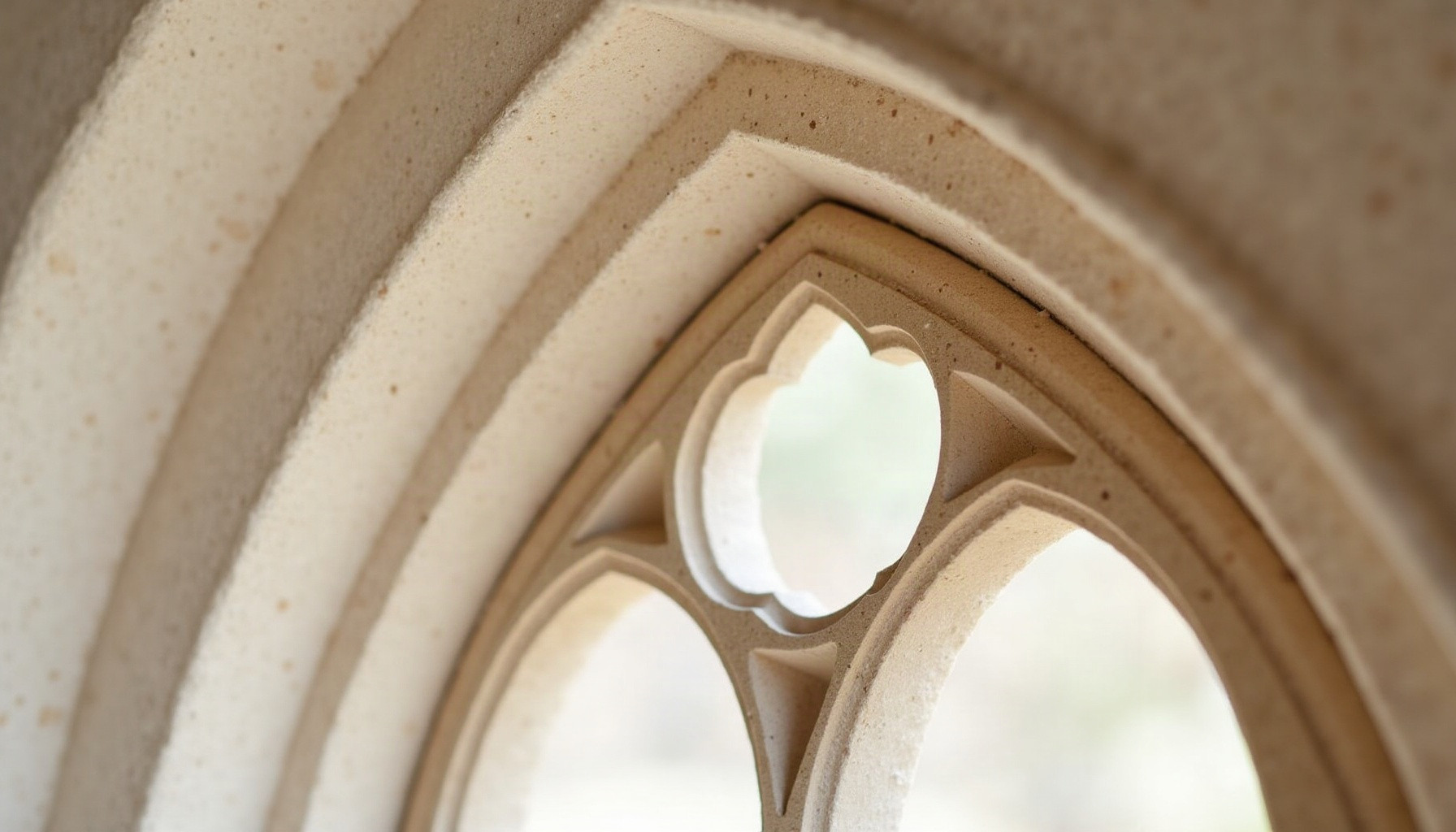
Gothic architecture first appeared in 12th-century Europe, with tall pointed arches and long, narrow windows, forms that create a sense of openness and airiness, according to MI Windows. Instead of big blocks or square frames, these shapes curve up and overlap, allowing more daylight into heavy stone buildings.
In today’s homes, using just one pointed arch, maybe as a mirror or niche, has a different effect. It stretches a short wall or window zone and breaks up straight lines. Unlike rounder arches, the pointed shape brings structure without adding bulk or heavy trim.
Modern Gothic windows often feature simple pale wood, leaded frames or even matte painted finishes, rather than carved stone. This makes them easier to fit into casual rooms. A bare, rectangular window feels colder and flat compared to the light-catching outline of a gently arched frame or mirror.
This works well in entryways or narrow rooms that need light movement and a spot to focus the eye when you first walk in.
How do you use pointed arches without making a room feel old-fashioned?
Pointed arches feel modern, not medieval, when paired with smooth finishes, pale colors, and simple shapes. The simpler the surround, the lighter the effect on the room.
Many people worry Gothic touches will turn a space museum-like. The trick is using only one or two arched details in a room. For example, a single mirror with a pointed top above a fireplace, or a plant trellis repeating the same slim arch against a bare bedroom wall.
Keeping the wall color pale and the palette soft (off-whites, light gray, or chalky colors work well) stops the arch from feeling theatrical. Unlike a wall of dark wood trim, a light arch frame fades into the background and looks more inviting.
Smooth limewash walls or plaster backgrounds soften the look even more. A pointed arch in a flat, matte finish reads as calm geometry, never as a busy statement. Using one arch per view, never overlapping shapes, prevents visual clutter in a small space.
The best place for this approach is a rental or open-plan home with few architectural features, where a single, slim arch window mirror can hint at history but blend with everyday life.
Where this works best
Rooms with low ceilings, awkward windows, or little natural light benefit most from a pointed arch feature, because the shape carries the gaze upward and breaks up straight lines.
Living rooms in small apartments, narrow entryways, and bedrooms with one short window are all spots where a Gothic-style arch adds value. In low-light rooms, a mirror in the shape of a pointed arch multiplies whatever daylight you have and stretches the wall visually.
In rental homes with plain square windows that can’t be altered, a freestanding arch mirror placed near the window echoes the look of Gothic tracery without construction or permanent fixtures. Unlike large Victorian or cathedral windows with busy stained glass, these smaller features remain subtle and practical.
Avoid putting a pointed arch feature on every wall or packing a small room with too many ornate frames, this can make the space feel crowded and fussy. Instead, restrict arches to a single wall or one shelf for the calmest effect.
Materials that soften the Gothic line
Light woods, chalky paints, and textured fabrics break up the hard edge of Gothic frames, making pointed arches sit quietly in any home.
Natural materials matter. Most Gothic windows of the past used stone and deep-toned wood, but lighter versions are now easier to use at home. For a calm look, stick with unfinished oak, ash, whitewashed pine, or even paper-based lamp shades with arched outlines.
A linen curtain draped over an arch mirror softens the vertical lines and keeps harsh sunlight from bouncing off glass. Compared to shiny metal or black-stained wood, these pale and powdery materials disappear more into the wall, letting the shape do the talking.
Plaster and limewash finishes, both popular among designers, remove the coldness and echo the aged texture of cathedrals but in a lighter, warmer way. Using matte over glossy paint for window trims avoids glare and looks calmer throughout the day.
Keep in mind: a room with too many smooth synthetic surfaces (like plastic frames or acrylic arches) feels less restful than one anchored by a single, unvarnished wood arch and a linen panel. Layering natural textures around the pointed arch helps absorb sound and soften the vibe.
Styling and placement
A pointed arch feature, placed at eye level and surrounded by clear space, carries the entire style. Place it on a wall in need of a gentle vertical pull.
The easiest spot for an arched frame or mirror is above a fireplace or console in a living room. The second best is at the end of a hallway that needs an anchor. Unlike a gallery wall, which can confuse the eye, a single focal point brings calm order to busy layouts.
Let the pointed arch be the highest object in its zone. Place any shelf, bench, or stool beneath it, leaving some wall area clear so the arch line stays readable, not hidden. Compared to clustering objects around the base, this open approach feels lighter and more balanced.
A window nook with just one arched lamp or plant trellis draws attention up without demanding constant styling or cleaning. Like a tone-on-tone palette, this trick helps everything feel linked without strict matching.
Quick calm checklist:
- Use unfinished or pale wood, stone, or matte metal for frames and trims
- Place the arch at eye or slightly above-eye height for best effect
- Limit to one pointed arch feature per main sightline
- Keep two-thirds of the wall around it free of other frames or art
- Choose a light, powdery palette for surrounding textiles and objects
This setup works best in a living space that feels flat or visually crowded and instantly adds quiet interest without busy detail.
How to use a Gothic window mirror as a focal point
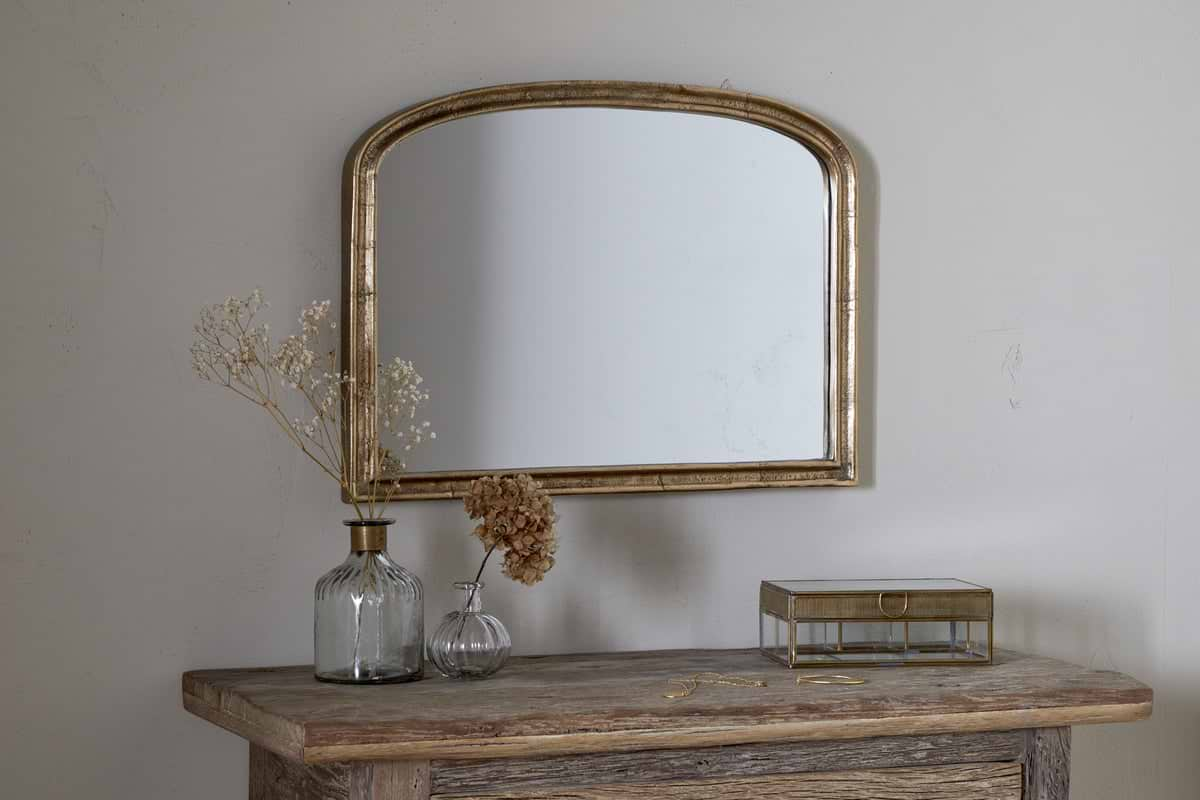
A pointed arch mirror draws the gaze upward while doubling light near a window or entry. The scale and placement matter more than the color or style.
Start with a wall that feels dark or missing a “center”, often above a console, bench, or narrow radiator. A mirror in the shape of a pointed arch here softens both the architecture and the proportions of the room. Unlike a square mirror, the arch frame stretches visual height.
Keep the finish pale: whitewashed wood, powder-coated metal, or even a painted chalk frame. Stained oak mirrors pull darker and look heavier, so use them only where you want weight. Placing the mirror within reach of a window or across from one doubles the daylight coming in, a common trick in both old and modern interiors (see examples).
For windowless or awkward corners, try a narrow arch mirror instead of artwork, the shape alone prevents the dead-end look. A plain rug and a woven bench below keep the focus on the mirror and don’t dilute the curve.
Most pointed arch mirrors range from small shelf-top styles to tall, wall-leaning pieces. A good rule of thumb: the mirror should be at least half as tall as the wall zone it sits in, but not so big it crowds side furniture.
Gothic-inspired shelves, arches, and plant trellises: which details work?
Shelves, arches, and plant supports echo Gothic window shapes best when used singly or in gentle repetition, never crowded together on one wall.
A narrow shelf with a pointed arch motif under a window or beside a bed provides both storage and vertical lift. These work especially well in small bedrooms or dressing rooms, where floor space runs tight. Unlike deep cabinetry, an open arch shelf lets light pass through and avoids blocking the wall.
Simple plant supports with a tracery pattern (leafy outlines, thin metal in curves) reference Gothic style without pretending to be windows. Place them where leafy vines can climb. A bold, vertical trellis behind a sofa makes more impact than scattered small ones.
Mirrored frames and panels with cut-out arches also find a place in entryways, multiplying natural or lamp light and making the space feel taller. Compared to crowded wall grids or gallery displays, one arch-framed shelf, mirror, or trellis always feels lighter.
If the rest of the room uses curved seating or round tables, a pointed arch shelf stands out clearly as a graphic accent. Where the lines get lost (for example, among many rectangular shelves or crowded books), the effect disappears, so keep contrast in mind.
A bathroom with a small Gothic shelf above a simple basin feels less boxy and introduces some pattern without bulk. Window sills can also take a narrow arch trellis when you want life and movement but not extra clutter.
Many people realise something is missing when the room still feels flat or a window corner looks empty, even after styling with plants or textiles. You might have tried layering vases, using larger art, or changing curtains, yet the space lacks a quiet spot for the eye to rest.
The turning point comes with choosing a single focal arch, setting the tone and telling the rest of the decor to make space for that shape.
It’s surprisingly common to over-decorate around a pointed arch feature, thinking the shape will stand out more with company. But too many objects (frames, plants, ornaments) trick the eye into seeing clutter, not calm. The room feels heavy or scattered, defeating the purpose.
When you define one focal arch and keep the wall clear, everything sharpens: proportions feel right, and cleaning up takes less effort. Save this idea for later.
One arch shape as a calm, lasting focal point
Reviewing many everyday rooms, the most reliable effect comes from picking one arch or tracery shape as a quiet focal point. Whatever the finish, wood, metal, or plaster, using a matte surface helps avoid glare and makes the shape more restful. Reviewers consistently mention that it’s easier to keep these accents useful and attractive when surfaces resist fingerprints and dust buildup, especially on mirrors and open shelves. Designers often suggest limiting ornate frames or repeating arches to a single spot, since too much detail feels fussy. Subtle color shifts, like chalk paint instead of bright white, tend to soften edges and anchor the piece.
Trial and error in real households show that pointed arches work best as a quiet anchor or visual lift, especially in spaces with limited natural light or awkward wall angles. Materials that catch a small amount of daylight, like pale wood or unpolished stone, are the easiest to live with long term and need less upkeep.
, Mara, Loom & Glow
Common questions
What is Gothic window design?
Gothic window design means using pointed arches, layered frames, and ornate details to gently draw light and attention upward. The style comes from old European cathedrals but works at a subtle scale in modern homes.
How do you use pointed arches without making a room feel old-fashioned?
Pointed arches feel modern, not medieval, when paired with smooth finishes, pale colors, and simple shapes. The simpler the surround, the lighter the effect on the room.
Where do pointed arch features work best?
Rooms with low ceilings, awkward windows, or little natural light benefit most from a pointed arch feature, because the shape carries the gaze upward and breaks up straight lines.
What materials soften the Gothic line?
Light woods, chalky paints, and textured fabrics break up the hard edge of Gothic frames, making pointed arches sit quietly in any home.
Explore more calm combinations inside our Shop The Look .
Shop the Look
A few Nkuku pieces that echo the quiet drama of a Gothic-inspired interior.
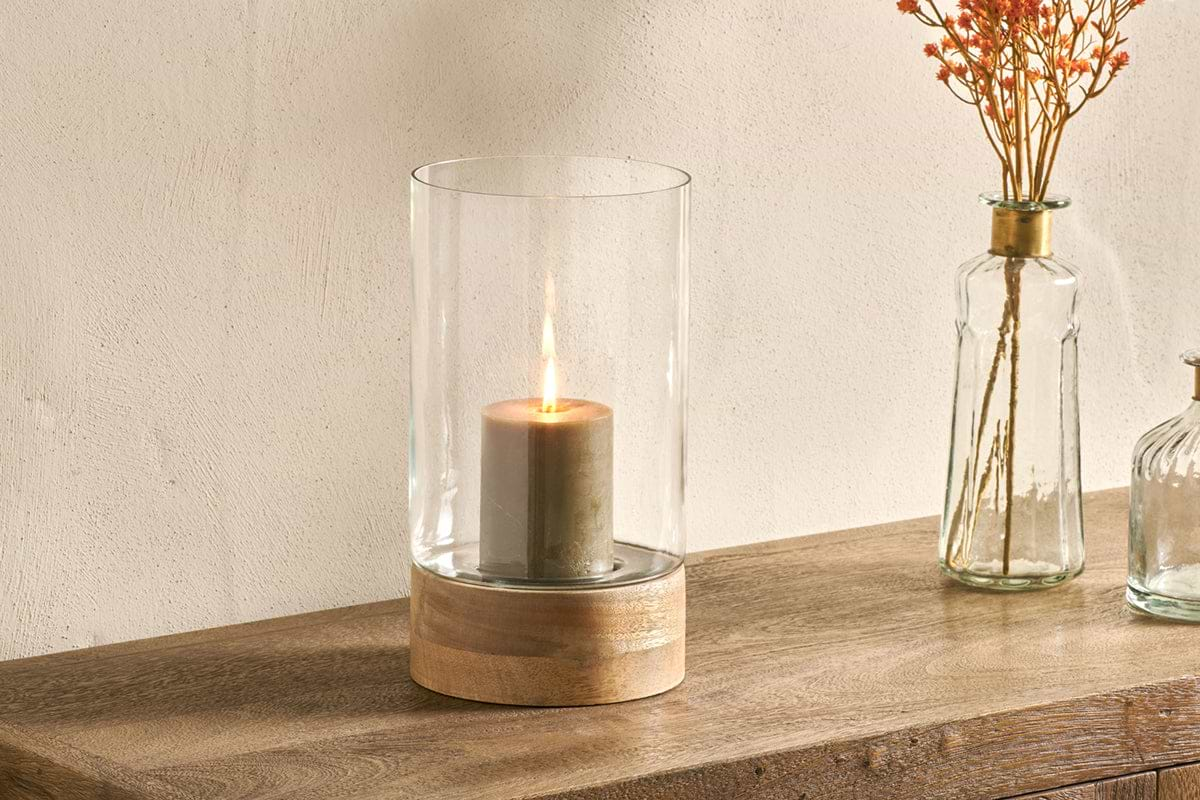
Idha Hurricane Lantern
Straight-sided glass, for candles indoors or sheltered patios.
View at Nkuku →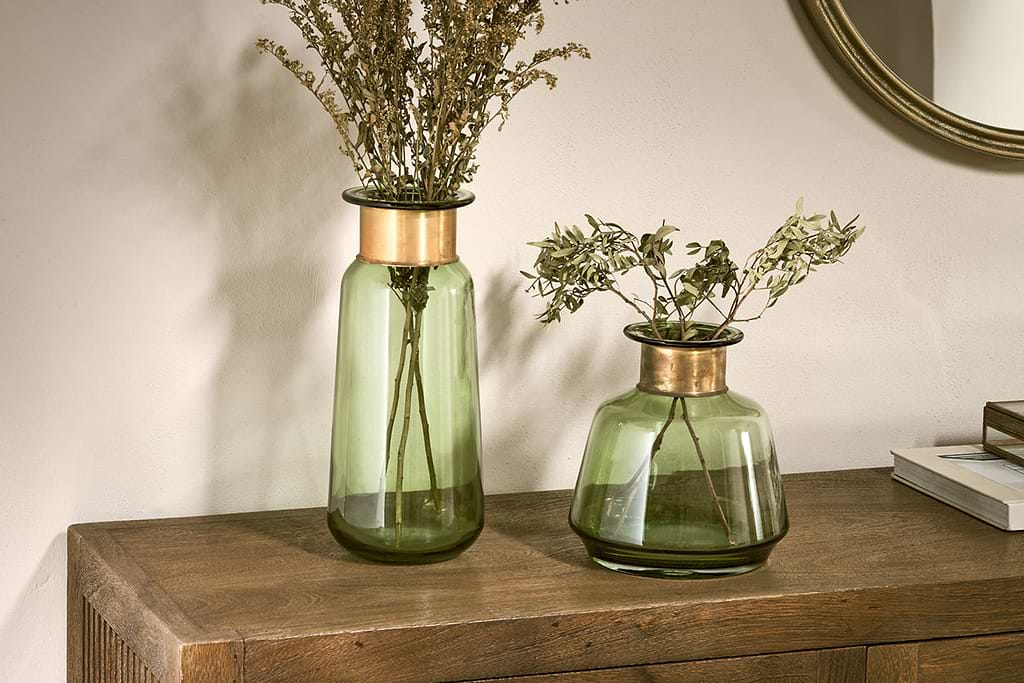
Some links above are affiliate links. If you buy through them we may earn a small commission at no extra cost to you. We only suggest pieces we think fit a calm, lived-in home.
Free guide
The Calm Shelf
12 styling ideas to help you compose calm, balanced shelves in natural texture homes.