

Awkward and empty corners are familiar in most homes. Decorative corner shelves promise a fix, but adding one often makes the area feel busier, not calmer. Set too many small things on an open shelf and it leans messy; leave it bare and the unused space sticks out even more.
You can change this by selecting just a few pieces—one or two objects with texture or weight—and placing them with care. Today, you’ll learn how to choose (and style) corner shelves to show what matters, hide what distracts, and keep the look grounded. This works especially well in a small apartment living room when you want to display books or baskets without closing off light or flow, because it makes the most of every gap while keeping things relaxed.
The short version: Decorative corner shelves work best when you show only a few well-chosen, textured pieces and keep most of the surface clear. This approach makes awkward corners useful and soothing, not cluttered, and helps every item feel more intentional and at home.
Key takeaways
- A decorative corner shelf stands out when objects are spaced apart and grounded with texture.
- Natural wood shelves in oak or pine add softness compared to glossy MDF finishes.
- Floating shelves are best for clean lines, while bracket-mounted shelves give extra strength for heavier pieces.
- Limiting each shelf to three or fewer items creates calm and focus.
- Most geometric decorative corner wall shelves are priced under £40, according to Dunelm.
- What makes a corner shelf decorative, not just functional?
- How to choose a corner shelf: shape, material, and installation
- Where this works best
- Geometric vs organic shapes: which reads calmer?
- Styling and placement
- How do you keep a decorative shelf from looking cluttered?
- Floating vs bracket-mounted: what changes in daily use?

What makes a corner shelf decorative, not just functional?
A shelf is decorative when it draws attention for its form or finish and lets one or two objects set the mood, not simply hold many small items.
Most homes have at least one corner shelf in a kitchen or bedroom, where spare candles, chargers, or odd mugs tend to collect. The surface fills quickly and blends into the background. A decorative corner shelf stands out differently. Its edges might repeat the soft arc of a chair leg or echo the grain in a table, marking it as purposefully chosen.
This works because the eye senses order when surfaces aren’t overloaded. Compared to a shelf lined edge-to-edge with jars or trinkets, a shelf with a clay vase and a single folded linen napkin has breathing room. The empty space serves as much as the objects do, making the shelf itself part of the display.
In rooms where storage is the main need, shelves naturally fill up with bits and clutter. But in a living space, a shelf that stays half-empty wins attention by contrast. Taking away what you don’t love is as important as what you put on. Even a handmade shelf feels different when it’s holding air between things instead of balancing a mess of odds and ends. One choice—a plain white ceramic pot, or a folded woolen scarf—helps the whole arrangement feel calm.
A decorative corner shelf works best when you remove unnecessary objects and focus on surface texture and open space, not just storage.
How to choose a corner shelf: shape, material, and installation
Choosing a shelf with the right shape, wood tone, and mount makes it blend in or stand out, depending on the mood you need in the room.
Small apartments often need storage, but what reads gentle in one spot feels out of place in another. A floating oak or pine shelf gives warmth and texture, while a high gloss grey MDF shelf looks sharper and more modern. According to PriceSpy, high gloss MDF floating corner shelves commonly come in a soft grey finish and standard compact proportions.
Materials matter: a thin pine board lets light move through a corner, where a heavy MDF unit draws the eye and feels more solid. Comparing a light oak shelf to a black lacquer one, the first absorbs daylight and softens hard walls. The second may suit a graphic look, but feels colder where you want the corner to feel relaxed.
Bracket-mounted shelves offer more strength for stacking books or baskets. If you want a clean look, a floating mount with no visible support fits best. Some geometric decorative corner shelves, such as those listed by Dunelm, cost around £35. Most popular shapes are quarter-round or triangle, but organic, slightly irregular edges can soften crisp modern rooms if you like a handmade touch.
For a room with little wall space, smaller floating shelves can tuck in behind doors or over radiators without weighing things down. A shelf with visible brackets makes more sense beside a busy kitchen counter, where it matches other fitted details.
Making this choice upfront saves time and keeps you from buying a shelf that feels wrong as soon as it’s up.
Where this works best
Decorative corner shelves suit small living rooms, bedrooms, or bathrooms—any spot where a gap collects dust until you put something calm and useful there instead.
Rooms with awkward spaces often make people uneasy without knowing why. The empty square beside a door, the angled nook by a window, or the bit above a radiator all slow down the flow of a home. A shelf in these places reclaims the gap in a gentle way. The living room is a favourite spot—sometimes, adding an oak shelf for a woven basket and one book feels more finished than lining the floor with extra storage bins.
Bathrooms with little storage benefit from a floating shelf up high, where a folded towel and a jar of bath salts look clean but not cluttered. In bedrooms, corners tend to gather bags or clothes if left open, but one shelf with a single wood bowl seems both useful and thought out. The entrance hall is another easy target; a shelf for keys and a single small plant tidies up what can otherwise get chaotic.
Avoid squeezing corner shelves into spaces already crowded with hooks, frames, or electric switches. The shelf should read as a relief, not one more object to dodge. Too many floating shelves in one room, especially when they don’t match in material or color, can break up the view and feel busy rather than calm.
For homes with limited square footage, corner shelves offer a practical way to bring texture and interest to dead zones without losing floor area.
Geometric vs organic shapes: which reads calmer?
Geometric shapes suit streamlined looks and sharper lines, while organic shapes relax the space and soften corners.
Many shops stock triangle or quarter-circle shelves, and according to PriceSpy and search results for ‘decorative corner shelf’ on Amazon, geometric styles come in wood, MDF, and sometimes metal. The regular line of a triangle shelf is clear and neat, which can work well against bold or patterned wallpaper.
But for rooms that feel too square or formal, organic shapes offer calm. A softly rounded shelf edge or a hand-carved wooden lip brings a handmade feeling and blurs the sharpness of a tight corner. A geometric decorative shelf stands out with edges and strong contrast; compared to this, an organic one melts in and puts the focus on the objects instead of the outline.
Pairing a hard-edged geometric shelf with circular or woven items balances the look. Organic shapes, on the other hand, suit plain and soft finishes. Too many strong shapes in one small space can fight for attention. The best version often brings a bit of both—a round basket anchored on a triangle shelf, for example, grounds the look without adding clutter.

One way to get the right feeling is to repeat a line already found in the space: if your table legs are rounded, a shelf with a gentle curve will feel connected and calm.
Styling and placement
A calm shelf uses just a few objects, each with clear space around it and a mix of texture, height, and color.
Start with the largest item first: a basket or tall vase. Anchor it off-center so the shelf doesn’t read stiff. Next, add one low, wide piece—like a shallow bowl or a stack of books—to break up the flatness. One plant or soft object brings life and prevents the shelf from looking too arranged.
Light matters. When the shelf sits near a window, natural wood tones seem warmer and reflect daylight down into the room. A matte finish, often recommended by decorators, bounces less glare back at the eye than a gloss surface does. In the evening, a candle or a small lamp softens the shadows and draws the eye to the shelf without feeling like extra clutter. For more, see shelf styling formula for a step-by-step method that applies to both open and corner shelves.
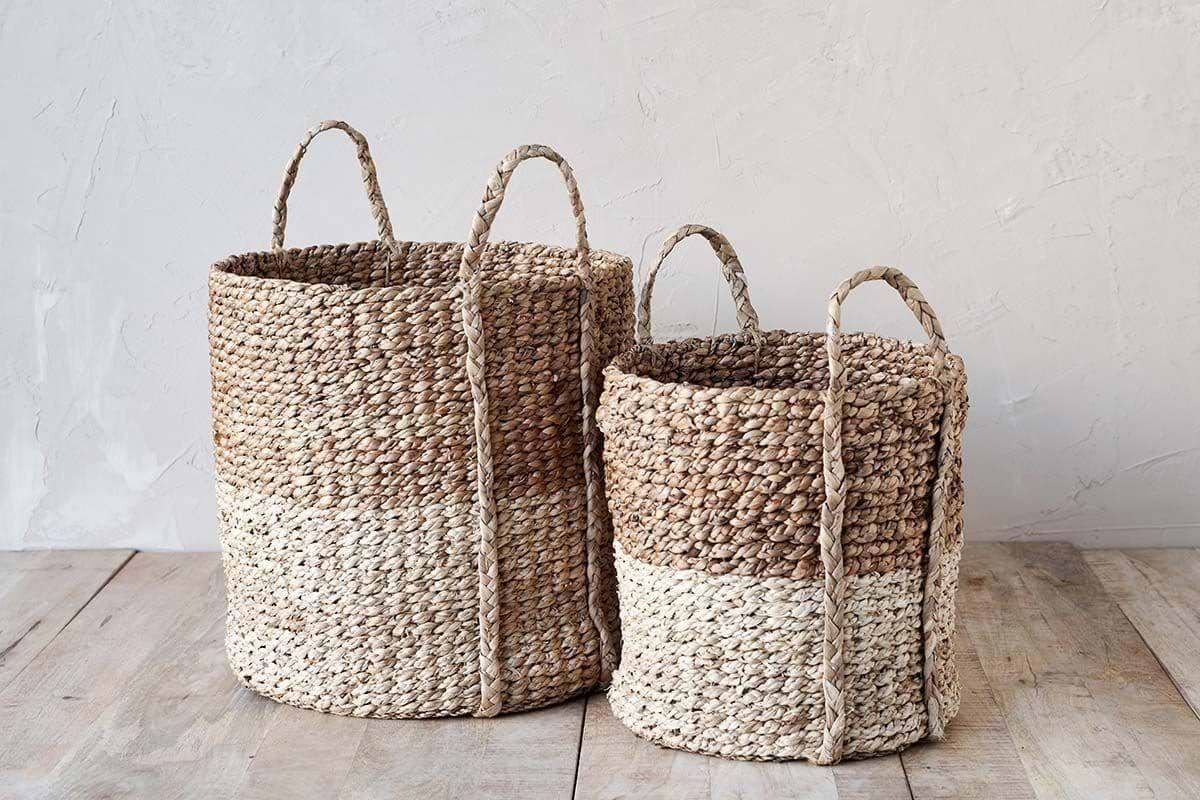
Contrast keeps the arrangement interesting: a bare shelf looks colder than one with a single woven basket, while a crowded shelf breaks up the mood. Mixing wood with clay, metal, or even one Nkomi Basket instantly varies the feeling. Compared to a row of small knick-knacks, this approach feels slow and easy to keep up.
Quick calm checklist:
- Pick natural material (oak, pine, or rattan for the main object).
- Leave clear space—don’t fill the entire length or width.
- Keep to two shades plus one neutral if possible for a simplified color story.
- Choose one taller and one lower piece to break up height.
- Repeat texture once—such as a linen napkin and a straw basket.
For homes with open-plan layouts, corner shelves work best at eye level next to entry doorways, not in high-traffic paths where they risk getting knocked or stacked with papers.
How do you keep a decorative shelf from looking cluttered?
A shelf feels less cluttered when emptied of extras, leaving three or fewer objects spaced irregularly but with a shared color or material.
After a few days, most shelves attract keys, chargers, or empty cups. The fastest way to keep clutter at bay is to limit what the shelf holds from day one. Books grouped together and a single basket draw less attention than five small plant pots. According to online retailers filter corner shelves by number of tiers and room use, which helps you choose a shelf that will never need to hold more than you want it to.
Swapping in one piece from another room keeps the look fresh. When the shelf feels crowded, start by taking everything off and putting only the biggest item back—usually the one with the most texture or heaviest weight. Then add one soft or living piece. A shelf works best when about two-thirds of it stays empty, letting the color of the wall or shelf itself break up the view.
Unlike storage-heavy bookcases jammed against the corner, a single-layer decorative shelf fits even in a narrow hallway without feeling busy. Instead of stacking things as you would in a bathroom cabinet, treat the shelf as a pause in the room. A calm shelf shows it is finished when you feel relief, not pressure to add more.
Pairing these guidelines with a repeat material—say, a linen tea towel and a white pot—keeps a look that feels quiet without being spare. For more styling ideas, neutral shelf styling offers further ways to use negative space and tone.
Floating vs bracket-mounted: what changes in daily use?
Floating shelves give a lighter, seamless appearance, while bracket-mounted ones offer more strength and show extra detail.
Floating corner shelves hide the hardware, so the shelf seems to skip out of the wall with no effort. This works well in small rooms where adding visual lines would make the space look choppy. Bracket-mounted shelves, especially in oak or matte black metal, can become part of the display, adding a different kind of detail to the corner.
Floating shelves aren’t ideal for stacking loads of heavy items—a vase and book or basket is safe, but a row of ceramics may sag over time, depending on the wall. A bracketed shelf supports more, stays dependable, and reads more traditional or functional. Some people mix styles: bracket shelves in kitchens, floating in living rooms.
Unlike floating shelves, which can disappear against a white or pale wall, bracketed shelves pull the eye and leave more shadow. In low-light rooms, this draws attention to the object, not just the shape of the shelf. Pairing a floating shelf with a high-gloss finish creates a clean, frameless look, but matte oak offers a softer effect.
For renters, bracket mounts call for more drill holes, while floating frames can sometimes use adhesive backing; both can be removed with less wall repair than large cabinets.
There’s a moment after you install a shelf when something still feels unsettled. The right objects are stacked, but the view reads untidy or unplanned. Often, it’s not too little or too much shelf—just a lack of focus, or too many textures competing with each other.
Many people grab whatever fits and line it up, hoping the clutter will sort itself out. Most rooms end up feeling busy, with corners pulling attention instead of letting the rest of the room breathe. Now, more than ever, these quick mistakes matter because homes feel crowded fast, and the difference between useful and beautiful is clear at the edges.
Simplifying down to a single anchor piece or repeating one material makes the corner settle into the room, not stick out.
Save this idea for later.
What tends to hold up with corner-shelf styling
One pattern stands out: shelves that mix open space and texture hold up better over seasons and changing trends. Reviewers often praise matte oak and natural fiber baskets for catching less dust and staying easier to clean. Too many layers, especially shiny or plastic items, tend to show fingerprints and leave the corner looking unsettled.
Decorators commonly recommend setting a single, heavier piece off-center instead of lining up arrangements in a row. This stops the area from feeling choreographed or artificial. Gentle contrast—one living, green leaf against a pale shelf—also stays fresh, even as tastes move from warm woods to lighter colors.
— Mara, Loom & Glow
Common questions
How do you decorate a corner with shelves without creating clutter?
The best way to decorate a corner shelf without clutter is to use only two or three pieces, each with clear space around it. Grouping by color or texture helps, while keeping the shelf about two-thirds empty limits mess. Choose objects with different heights for a lighter look.
Are floating corner shelves still a good choice for modern homes?
Floating corner shelves work well in modern homes because their hidden hardware helps rooms feel less crowded and lets objects take focus. Modern designs often favor simple geometry and soft finishes, which are easy to find in today’s floating shelf options. The clean look also suits open-plan spaces.
What are the practical benefits of installing corner shelves?
Corner shelves reclaim unused wall space, offering display or storage without taking up floor area. They suit small rooms where every bit of space counts and help organize objects that otherwise get lost. Different mounting types allow flexibility for heavy or light objects.
How do you style shelves in a corner cupboard to look intentional?
Styling shelves in a corner cupboard looks intentional when each shelf holds only what is needed, with at least some open space left on each level. Repeating natural materials—such as wood, straw, or linen—adds order and keeps the view simple. Try grouping by purpose or tone for extra calm.
Explore more calm combinations inside our Shop The Look .
Shop the Look
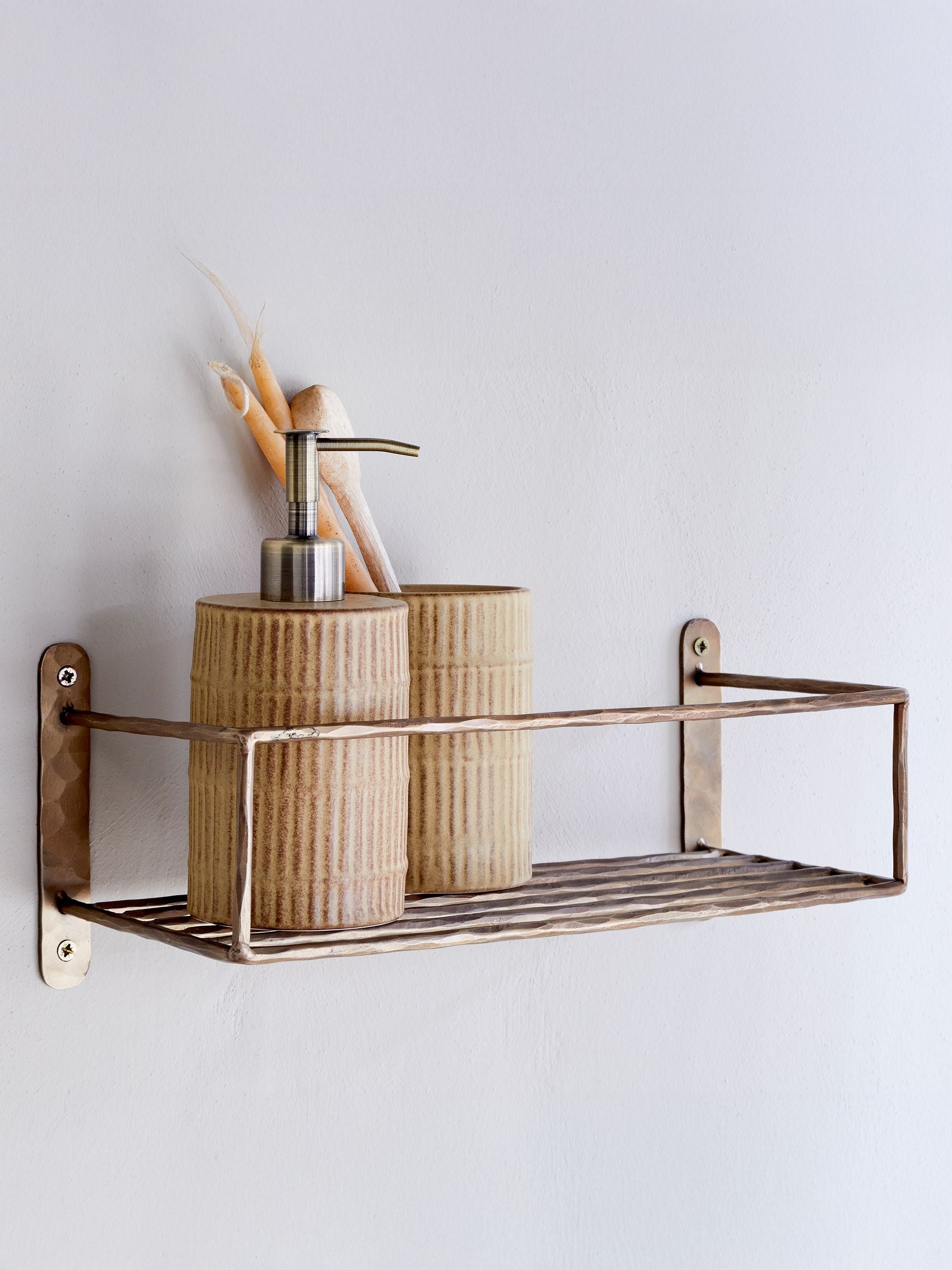
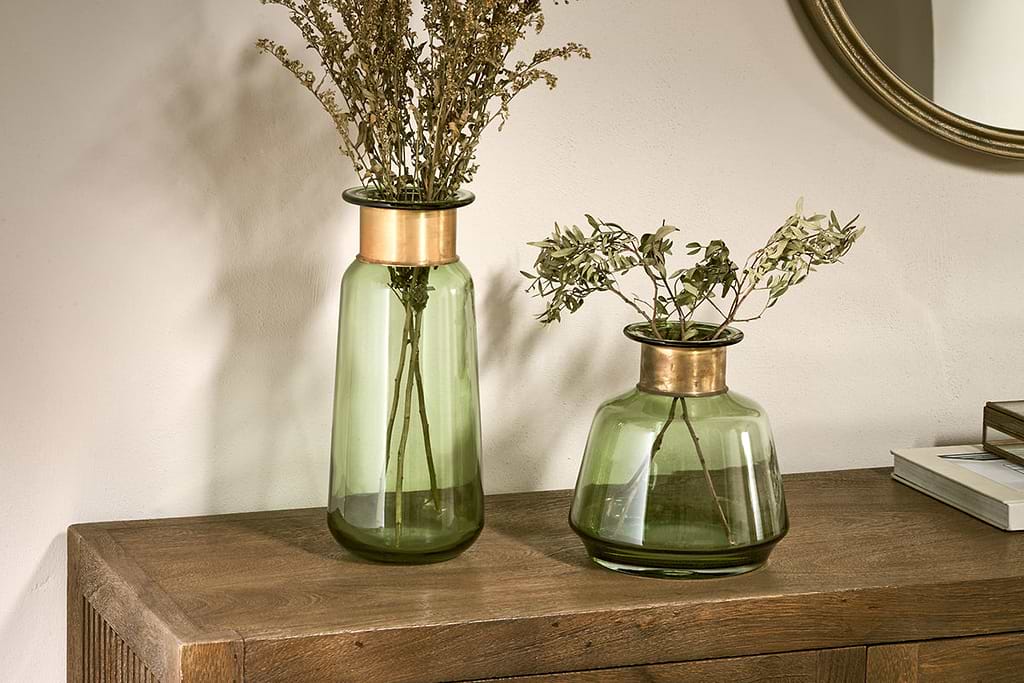
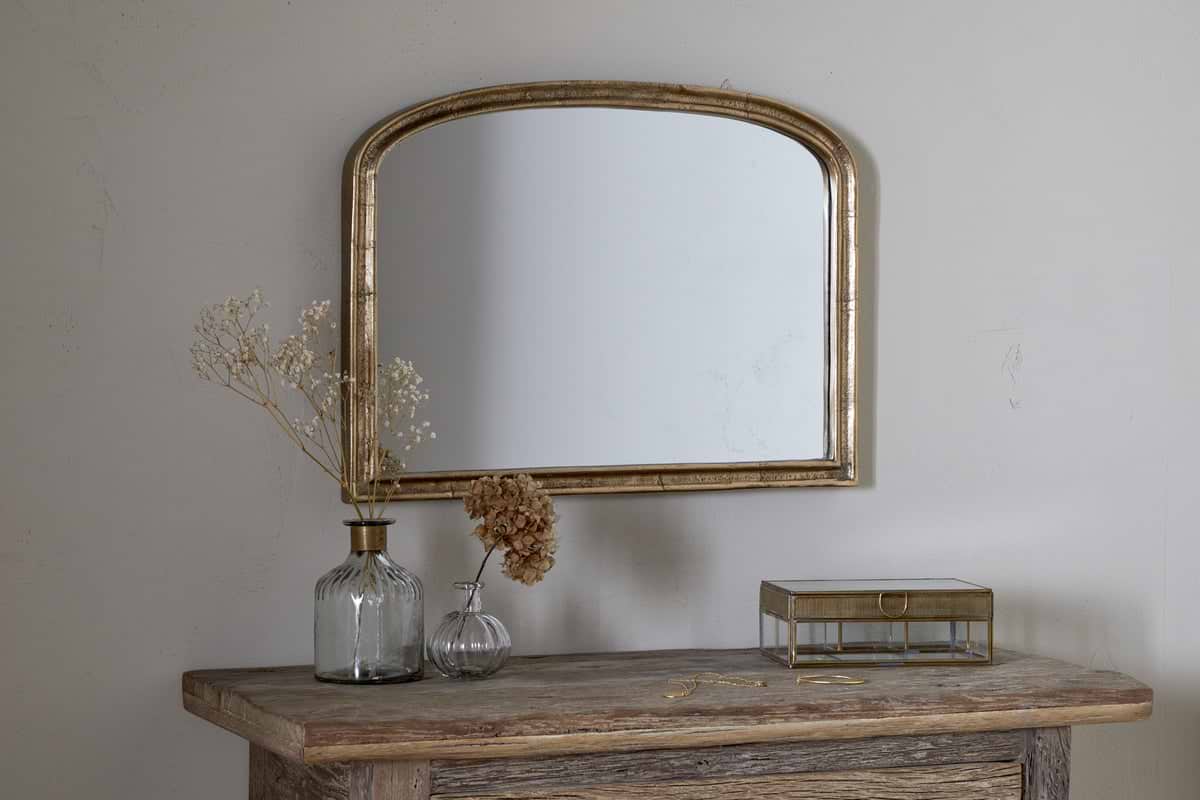
A few Nkuku pieces that bring calm intention to corner shelves.
Some links above are affiliate links. If you buy through them we may earn a small commission at no extra cost to you. We only suggest pieces we think fit a calm, lived-in home.
Free guide
The Calm Leaf
12 quiet ways to bring dried botanicals, stems, and natural textures into calm spaces.