

Dark floors are common in apartments where owners inherit the surface, or in rented homes where the base palette is locked in place. The deep shade can make small spaces, especially those with limited natural light, feel closer and less open than they really are.
Balancing out a dark base is less about big changes and more about choosing and placing the right pieces. Today’s guide shows how to lighten a room, add visual space, and create calm with small but practical tweaks. This works especially well in a small apartment when you have little control over flooring because each decision pulls the eye upward and softens what can feel heavy underneath.
The short version: To brighten a small space with dark floors, combine pale walls, light rugs, and simple, natural materials to reflect and scatter light. Small tweaks to placement and palette can open up the room and make it feel gentler day to day.
Key takeaways
- Pale or mid-tone walls next to dark floors reflect more light and help a small room feel larger.
- Loose-woven rugs soften the look of dark flooring and break up heavy color.
- Wood or jute baskets and pale curtains create a gentle, natural contrast against deep floor tones.
- Commercial dark flooring often uses click or tongue & groove systems for easy install, according to UK Flooring Direct.
- Floating furniture away from the wall brings in pockets of brightness and prevents a boxed-in feel.

Where this works best
Rooms with dark floors work best when there’s enough vertical space or natural light to bounce off lighter surfaces. Light walls and textiles can make the color feel anchored, not overwhelming.
Bedrooms with small windows often feel boxed in with a dark wood or laminate floor. In a narrow hallway, a deep-colored surface can crowd the field of vision, especially if the walls are also dark or muddied by heavy runners and little ornamentation.
In these cases, using soft wall colors and open shelving gives each element more breathing room. Light-toned decor, linen throws, pale lampshades, blonde wood stools, brings the eye up and out from the deep base.
Avoid heavy, dark bookcases or drapes in a room with deep floors and low light. The match can double down on shadows and make the whole space feel sunk, instead of anchored.
Main living areas in rental flats benefit from this balance the most. The right palette turns a feature that could feel like a hobble into an asset.
How do you keep dark floors from making a room feel heavy?
Adding visual breaks, like a natural rug or pale baskets, keeps dark floors from pulling the room down. Breaking up a flat stretch of color splits the visual weight.
In a small living room, a rug with cream or off-white threads softens the contrast at ground level. Even with kids or pets, using a loose-woven cotton or jute rug layered over the dark floor adds texture without covering every inch.
Compared to a bare expanse, a single wide rug lets shoes and feet land on a forgiving surface, a bonus for noisy floors too. The benefit is immediate: less echo, fewer hard lines, a bit more warmth underfoot.
A plain, dark floor paired with black plastic storage bins can look colder than one with a scattered set of seagrass or wood baskets. Natural pieces break the stiffness, adding a gentle shift in color and material.
In busy homes, these small additions show up as less visual clutter and gentler noise, both in the way the room sounds and the way it feels to walk through.
Which wall colours actually brighten dark flooring?
Pale greys, soft white, or gentle taupe walls next to dark floors reflect light better than bold colors do. The room feels larger and less closed in.
Choosing a wall paint with a bit of warmth, like a creamy white or blush-tinted neutral, bounces more natural and artificial light around, especially when the lower half of the room is dark. This isn’t just an old decorator trick; pale surfaces really do keep the boundaries feeling wider and fresher.
Some people go straight to bright white, but softer off-white walls pair better with deep floors, especially brown or nearly-black wood. They avoid the “checkerboard” effect that happens with a pure-bright floor-to-wall contrast.
Unlike heavy jewel tones or deep greys on the wall, pale paint leaves space for other things, artwork, a textile drape, even a simple willow hook. Light walls make deep floors seem more like an intentional base rather than a limitation.
Painting is simple and can be done with rental-friendly products. Most can be applied in a single afternoon, with a dry-down time of a few hours for water-based finishes.
Styling and placement
Floating the largest furniture off the darkest parts of the floor prevents the room from feeling boxed in. Light, open bases break up a solid base better than closed blocky legs.
Sofas with exposed wood legs or thin metal frames introduce pockets of light underneath, instead of letting all the mass drop to the ground. Adding a basket or a pale felt box beside a dark sofa pulls attention upward from the floor line.
Open shelving lifts the eye up as well. For an especially tight entry, replacing a shoe cabinet with a simple bench and basket gives a brighter feel, and makes cleaning up easier too.
Compare a wall-to-wall, heavy-lidded ottoman with a two-piece open bench and short runner; the lighter set keeps feet visible and surfaces easy to sweep, which feels less cluttered day-to-day.
Quick calm checklist:
- Stick to pale or gently patterned rugs to break up heavy floor color.
- Opt for furniture with tall or open bases instead of dark skirts or blocks.
- Keep floor accessories (like baskets) to a tight range of three finishes for visual calm.
- Limit darker pieces to one main object (like a coffee table) to avoid crowding the lower half.
- Hang curtains higher and lighter, stopping just at the floor for softness.
This approach works wherever you want the bottom third of the room to feel lighter, living area or hallway, or as a guide for setting up rooms with a fixed dark base.

What furniture finishes help balance a deep floor?
Pale oak, pine, or rattan furniture on dark floors separate the masses of color. Matte natural materials scatter light better than high-gloss alternatives.
Locating a side table of blonde wood or a lightweight rattan chair by the window can tip the balance away from a deep surface below. The contrast is subtle but real: wood in pale finishes reflects both daylight and lamplight, while dark pieces double up on the room’s weight.
Fabrics play a role too. Linen, cotton, and wool in soft shades soak up less light than velvet or synthetic blends in deep tones. A set of pale linen cushions on a dark ash or brown sofa does more to lighten the mood than a single white accessory set down alone.
The effect works as a combination: compared to glass or metal, unfinished woods and woven materials add texture even before adding color, and the finish looks less smudged over time.
| Finish | Light Reflection | Best Use With Dark Floors |
|---|---|---|
| Pale wood | High | Side tables, shelves |
| Rattan | Moderate | Chairs, baskets |
| Matte black metal | Low | Accent only |
Setting a few of these pieces on top of a deep floor clears visual clutter and resists the “all one note” look that can happen when the floor and large furniture share the same dark shade.
How much contrast is too much?
The strongest contrast, a very dark floor with very white walls and baseboards, can feel jarring and shrink the space. Softer contrasts create calm and feel easier on the eye.
The “60-30-10” rule, often used by color consultants, means covering most of the space with a main tone, then layering a mid-tone and one accent. With dark floors, following this can be tricky: the floor takes up the whole bottom, and if the rest of the room is too stark, everything declares itself at once.
A better match for small rooms is to bring in a middle color via textiles or furniture. For example, pair dark flooring with pale walls and a mid-tone rug or table, this makes the gradation softer.
Compared to high-contrast black-and-white rooms, spaces that layer in just one or two steps of color between the lightest and darkest points feel smoother. A dark floor next to an oak table and sand-toned curtains works because the jumps between shades are gentle, not abrupt.
Carefully spacing these items, so no two dark pieces touch, helps each one stand out without crowding the eye. That small change makes the room look wider and more relaxed.
Do rugs really make a difference on dark floors?
A woven or pale-tone rug on dark flooring lifts the visual base and quiets busy lines. This simple layer softens both look and sound.
Soft rugs underfoot make rooms feel less cavernous, especially with dark wood or laminate floors that can echo footsteps. Most people notice how the acoustic shift arrives first, a plush or thick-weave rug dampens the bounce and noise from above.
Using natural fiber rugs, jute, wool, or cotton, also brings a new texture that contrasts with the smoothness of laminate or finished wood. Commercial dark flooring products, as noted by UK Flooring Direct, are often made with easy-install click or tongue & groove systems, so adding a rug does not interfere with how the floor sits or wears.
The change is clear: a bare floor with dark tone looks colder than one topped with a basket-woven, pale mat. Even a small rug under a table makes a difference, especially in entryways or in small bedrooms.
Many people reach the point of moving in and sense that a room just feels heavier than it did in photos. The floor is darker, the overhead light is patchy, and the simple fix, throwing in more color, ends up making things busier instead of lighter.
Too often, the next step is to add small bright pieces in every corner: a pile of cushions here, a lamp there, but these scatter the focus and the heaviness at the base stays. The room starts to look cluttered, not light, and it becomes harder to settle anywhere without feeling the gap.
Choosing to limit your palette, use softer finishes, and anchor one bright element is the shift that makes the space feel open and modern, instead of thick and unbalanced. The change feels tangible, the eye is drawn upward, surfaces read softer, and the room works at any time of day.
One of the most common mistakes is covering the whole floor with dark, boxy furniture, or using too many competing colors on lamps and baskets. The room can feel unfinished and crowding, which is tiring after a long day at work.
When you swap in a lighter rug, limit basket tones, and keep furniture bases narrow, the space reads cleaner and softer each time you walk in.
Save this idea for later.
What tends to hold up with working with dark floors
Across room photos, show homes, and reader notes, light textiles and open-base furniture make the most lasting difference in brightening a space with deep flooring. Reviewers who mix textures, wool, jute, rattan, say they notice less dirt and more visual softness. Paint experts consistently suggest warm, off-white walls next to dark floors for gentle contrast, because stark white can make the division sharper and less forgiving.
Laminates and wood floors in deeper finishes tend to hide scuffs better in high-traffic spots, but they show dust more quickly, so a simple cleaning routine supports the look. Homeowners who plan just one strong material, rather than layering many, find their rooms feel fresher and less crowded over time.
, Mara, Loom & Glow
Common questions
Are dark floors a good idea for a small space?
Dark floors can work well in a small space if you use light walls, pale rugs, and open furniture. These simple changes create a sense of openness and prevent the area from feeling cramped. Choosing gentle contrasts is key to keeping the room comfortable and practical.
What colour walls work best with dark floors?
The best wall colours for dark floors are pale neutrals, gentle greys, and soft whites. These shades reflect light and reduce the visual weight of a deep floor. Warmer off-whites help avoid a harsh or overly sharp contrast between the base and the wall.
What is the best way to clean and maintain dark flooring?
The most effective way to clean dark flooring is frequent vacuuming or sweeping, plus a gentle, damp mop using a wood-safe cleaner. Dark finishes can hide scuffs but reveal dust, so consistency matters. Using rugs in high-traffic areas can help reduce visible wear.
Where can I watch Dark floors?
You can watch “Dark Floors,” the 2008 horror film featuring monster characters from Lordi, on streaming or DVD where available. For more information about the film and its details, visit Solar Films or check major film rental platforms by title.
Explore more calm combinations inside our Shop The Look .
Shop the Look
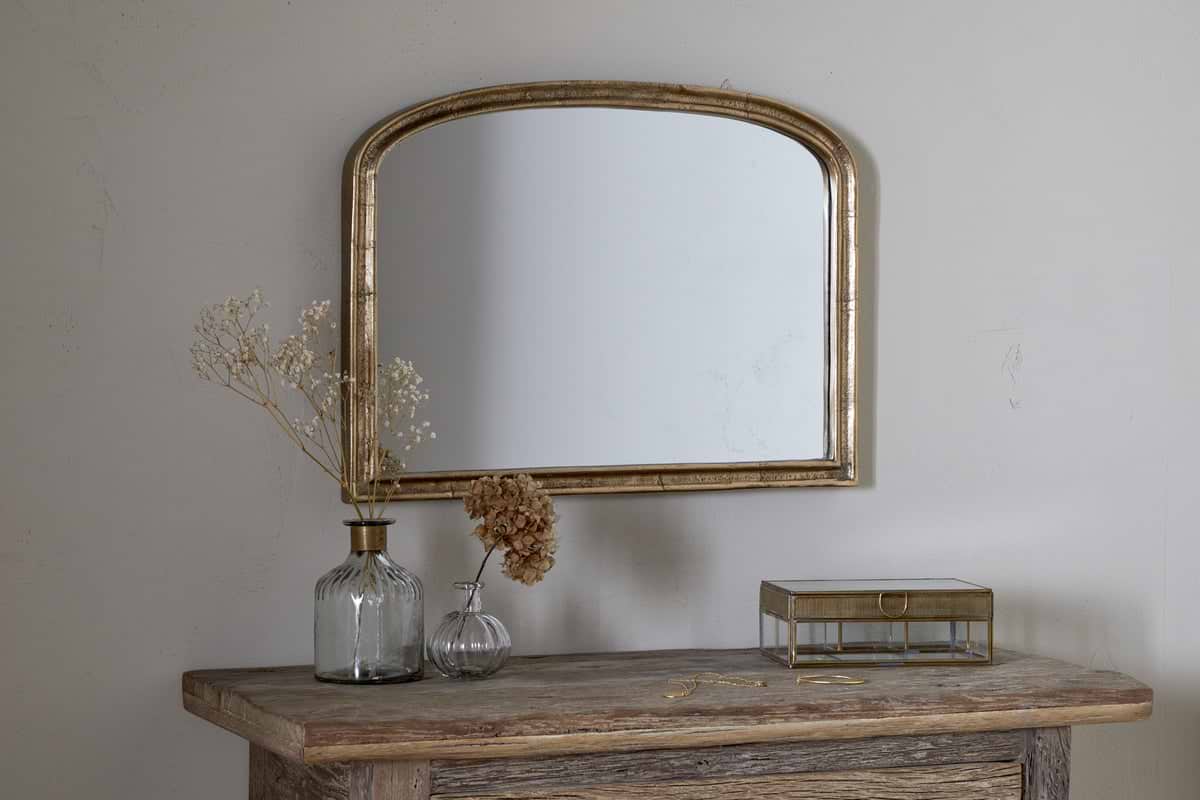
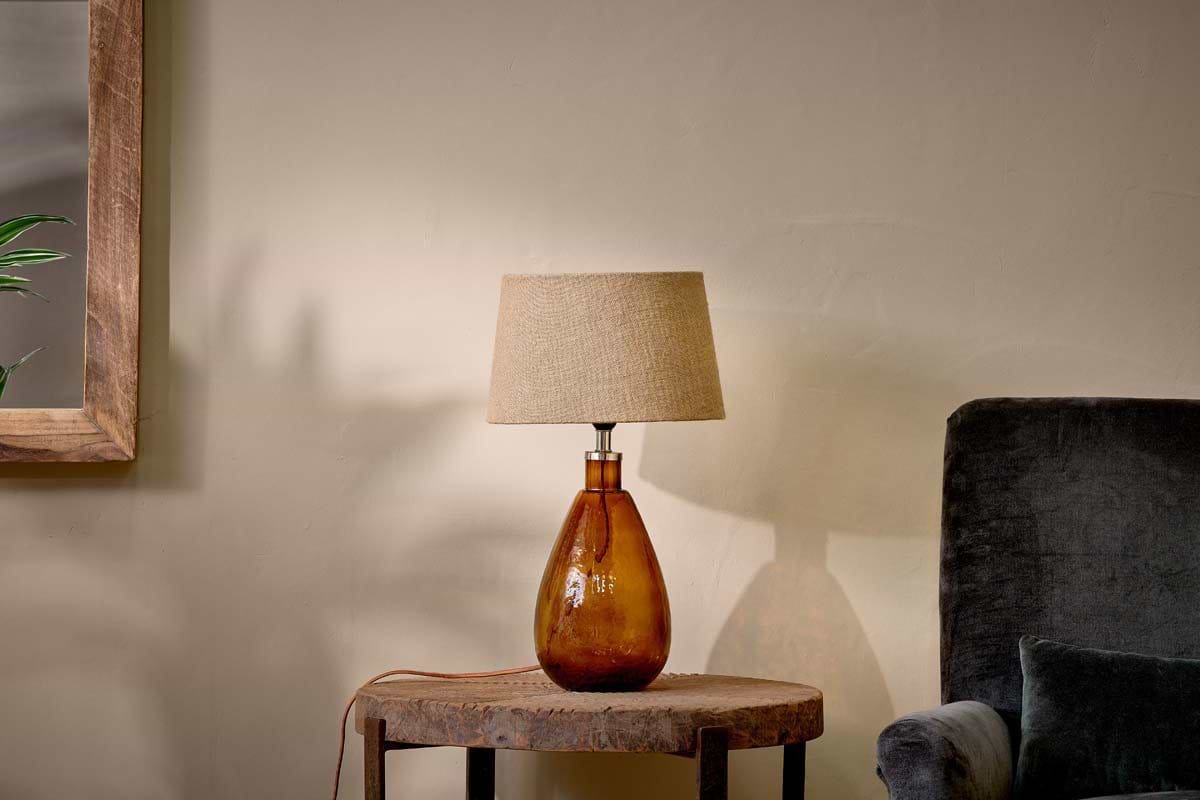
These pieces work gently with dark floors, reflecting light without competing.
Some links above are affiliate links. If you buy through them we may earn a small commission at no extra cost to you. We only suggest pieces we think fit a calm, lived-in home.
Free guide
The Calm Shelf
12 styling ideas to help you compose calm, balanced shelves in natural texture homes.