

Clutter crowds the floor in many small entryways, with wet shoes, coats, and bags stacked up because landlords don’t allow drilling or big changes. Most boot room ideas sound out of reach for renters with little space or awkward hallways. The biggest barrier isn’t budget, it’s finding solutions that work in a lived-in, shared flat where tools and permanent fixtures are off the table.
Today, you’ll see how to set up a calm, working boot area that fits a tight spot and shared space, using portable storage and a handful of simple swaps. This works especially well in flat entrances when wall mounting is off-limits because loose, lightweight pieces go right where you need them and move out when you do.
The short version: The most practical boot room ideas for rented flats use portable benches, baskets, and racks to keep entries clear with no drilling. Making a small entry work means picking a few calm pieces, a tight palette, and gentle textures, no tools required.
Key takeaways
- A rented flat boot area stays tidy with portable storage and freestanding racks instead of fixed joinery.
- Natural textures, like jute, canvas, or pale timber, soften a crowded hallway and hide dust better than dark plastics.
- A bench with storage underneath provides both a place to sit and a simple home for shoes (according to Howdens).
- One colour palette across shelves, hooks, and baskets cuts down visual clutter in small spaces.
- The under-stairs spot handles most boot and bag overflow, even in a shared flat, if baskets or racks are kept tight to the wall.

What should a small boot area include?
A truly useful small boot area needs a bench or stool to perch, hooks for bags or coats, and a basket or shelf for shoes. Leaving out floor mats or extra furniture stops the entry from feeling squeezed.
A galley flat entrance often runs straight from the outside door to the kitchen, so shoes and coats drop anywhere there’s space. The smartest fixes use just three non-negotiable parts: a portable seat, a coat hook or rail, and a storage bin or low rack. More pieces make it crowded fast.
Unlike mudrooms with closed cabinets, a rented hallway calls for openness, you need access but can’t use screws or drill. Instead of built-ins, stick to loose bench seats and baskets that can slide under tables or along a wall. A simple wooden stool parked by the door or a jute basket right under the rail does the job without fuss.
The core point: a bench with slots or open base clears the look and gives a spot to pull shoes on and off, especially in a narrow hall shared by flatmates or visitors. Anyone living in a rented space with a busy door area will benefit by limiting items to what is used daily.
Where this works best
A small, shared hallway or flat entrance benefits most from quick-change storage that moves easily without damaging the space. Portable hooks and tuck-away benches fit where fixed joinery cannot.
Many city flats and new builds have little or no entry zone, just a blank wall, radiator, or the first stair tread. A boot zone works especially well in these spots because it stops outdoor mess before it tracks deeper into the home. Open racks or baskets keep the edges soft and block piles from building up on carpets.
For rooms with an awkward shape, maybe an L corner, a radiator under the mailbox, or a door that bumps the wall, soft baskets or narrow racks are safest. These slip out for a deep clean or for a landlord’s spot check, and don’t clash with bulky winter coats. Guests can spot where to drop wet boots at a glance, which keeps the rest of the space dry.
Avoid closed shoe cabinets or fixed hooks in these halls, which can crowd the walkway and leave dents or holes in the wall. Sticking with portable or self-adhesive options protects deposit and hands back a neat place at move-out.
What materials help a boot room feel calm?
Jute, pale timber, and canvas are the most forgiving materials for a boot room, they hide scuffs and brighten small spaces. Avoid heavy plastics or deep colours in a cramped entry because they visually close in the area.
Natural-fibre baskets and light oak shoe racks handle dirt in daily use and look lived-in without showing every splash. A woven runner, even with repeated damp days, dries quickly and collects less dust than a heavy doormat. These materials allow small flaws to blend in, which matters where boots and umbrellas come and go all season.
Heavy plastic caddies might seem tough but mark up the floor and show scuffs. Glossy bins can glare in overhead light, calling attention to every boot mark. Instead, jute, linen, and pale timber soften the space and invite you to relax as you come in. Sticking to calm, unvarnished textures turns a pass-through into a working part of the home.
Shoe racks in timber or powder-coated steel hold up in damp conditions, making them a good choice in a busy mudroom or for open storage beside an entry door. A jute basket by the rail makes quick storage for hats and gloves, sets the material palette, and disappears visually into the background after the first week’s use.
How do you store shoes and coats in a rented flat?
A combination of friction hooks, hanging rails, baskets, and low open racks keeps shoes, boots, and coats organized without permanent fixtures. Keeping storage below eye level makes the entry feel less busy.
Shoes left loose by the door trip up flatmates and drag in mud, so a compact rack or shallow basket gives them a real home. Tall free-standing racks can double as coat drop zones if wall hanging isn’t an option. A third solution is a hanging rail on a tension bar, spanning a nook or corner, no holes required.
Compared to tall cabinets, an open shoe shelf or a pair of baskets along the skirting lets you sweep the floor and see what is stored at a glance. Baskets woven from jute or seagrass hide marks from wet trainers and look less busy than clear bin boxes. This setup works best for a renter who wants to keep clutter under control without risking the deposit.
The under-stairs nook in many UK flats is an overlooked spot for boots. According to Howdens, even a shallow under-stairs cupboard can be set up with hooks and counter offcuts for custom shelves as an easy storage upgrade. Tucking shoes and umbrellas here means the hallway stays open.

Styling and placement
A neutral palette and repeated textures help a rented entryway feel settled, even when storage is portable and the layout must stay flexible. Run pieces low and tight to keep walkways clear.
Layering shoe baskets in similar shades, natural jute, cream, or washed canvas, keeps the space from looking spotted or busy. Hanging one or two lightweight coats on a single rail (not a jumble of parkas) pulls the eye out of the mess and brings calm. A plain white or grey bench takes up less visual space than anything patterned or dark.
On the floor, use a runner in a subtle stripe or solid to connect the entry spot with the rest of the hall. Open bins look lighter than lidded trunks and tuck cleanly under a seat. Unlike open shelves without bins, these contain shoes and soften sharp corners. Keep only a handful of items visible; cycle off-season gear to a cupboard or top shelf.
Hooks should run at chest or shoulder height. Placing them too low makes the entry look slumped; too high, and guests lose track of their bags. Grouping two or three pegs right by the door keeps clutter where it’s easy to grab on the way out. A single statement piece, like a terracotta bowl for keys, anchors the look and gives everything a place.
Quick calm checklist:
- Choose baskets in natural fibre or washed cotton, never gloss plastic.
- Limit coat hooks or racks to the minimum needed, grouped close to the entry.
- Keep to one or two light, neutral colours for all visible storage pieces.
- Place the bench or stool at the edge, not in the walkway.
- Store off-season boots and sports gear out of sight, above head height if possible.
How do you keep a busy boot area from feeling messy?
A tight colour palette for coats, racks, and baskets cuts down visual clutter in a crowded entryway. Pairing textures with similar tones lets the practical pieces fade back instead of fighting for attention.
Small spaces look fuller, fast, if every coat is a different colour and bags are flung on every rail. Instead, use soft neutrals or two main colours across all storage pieces, creams and greys, woods and linens, to keep the view simple. A rack with open bars shows fewer shadows than a closed bin.
Unlike rooms with bold walls, an entry with pale paint and baskets in the same family as the wall colour appears larger. Mixing in a single wooden peg rail rather than many single metal hooks focuses the storage without dividing the wall. A bench with a plain finish stores shoes underneath, allowing open space above; a bare shelf reads colder than one with a single woven basket.
A boot area works best when visible items are kept to a minimum, and the section nearest the door is kept fully clear for coming and going. Even a narrow passage or “bootility” cupboard makes space to stash muddy boots out of the main traffic flow, according to Howdens. Try keeping the main palette slim to cut cleaning time and visual fuss.
Can you fit a washing area into a boot room?
A compact washing machine or laundry bin can tuck into a boot area near the door in some flats, letting you drop muddy clothes straight from outside. This works best where plumbing is close by or the space is meant for utility use.
In some flat layouts, the hallway backs onto a small utility spot or kitchen. If so, placing a laundry basket near the boot rack or a compact washing machine in a closet-sized boot area streamlines the process. Removing muddy gear by the threshold saves the rest of the house from splashes and stray grit.
Compared to UK homes without utility space, fitting washing into a boot room keeps chores out of the living zone and hides piles from guests. Adding a washing machine to a boot area is a common tip in practical boot room advice, even if all you can manage is a bin for dirty kit, it makes a difference.
For a rental without plumbing access, a sealed canvas bin or lidded basket by the entry keeps laundry sorted until it goes to the laundrette. Stick with materials that handle damp, like enamel or heavy canvas, so the area never smells musty after a wet walk.
What tends to hold up with rented-flat boot areas
The most consistent pattern, from both designers and renters, is that calm boot storage rarely comes from over-solving the problem. Compact, changeable pieces, benches with storage below, repeated neutral baskets on open racks, age well, even when the flat changes hands. Matte natural materials, especially jute and unvarnished timber, get recommended again and again for holding up to drips, dust, and repeated cleaning.
Adding more hooks or closed storage often invites more clutter, not less. A flat boot area almost always looks calmer when the palette is cut to two or three tones and only daily-use items are left out. Even quick creative fixes using small entryway ideas borrowed from larger homes tend to last longest when materials stay soft and placement stays flexible.
, Mara, Loom & Glow
Common questions
What are the essential items to include in a boot room?
The essential items for a boot room are a bench or stool, shoe storage (such as baskets or open racks), and one or two strong hooks for coats or bags. These basics handle most entry clutter without crowding the space. Adding a washable runner helps keep dirt in check near the door.
How much should I budget to create a boot room?
A renter-friendly boot room can be put together for under £100, £150 using simple benches, baskets, and racks. Most good jute baskets cost around £20, £40, while a basic bench or small shoe rack from major retailers is usually affordable. Set a maximum for extras like runners or key bowls to avoid overspending.
What are some space-saving boot room ideas for UK homes?
Space-saving boot room ideas include using the area under stairs with floating shelves, picking double-duty storage benches, and stacking baskets or box racks. Vertical coat rails or tight wall-mounted peg systems for rentals open up the walkway. Many UK homes work best with solutions that can be relocated or swapped out at move-out time.
What should be in a boot room?
A boot room should have a spot to sit while removing shoes, open baskets or racks for shoes and wellies, and sturdy hooks for coats and bags. A washable rug and a compact umbrella stand help deal with wet weather. Materials that handle mud and moisture make a boot room last longer and feel less chaotic.
Explore more calm combinations inside our Shop The Look .
Shop the Look
A few Nkuku pieces that keep a boot room tidy and grounded without fuss.
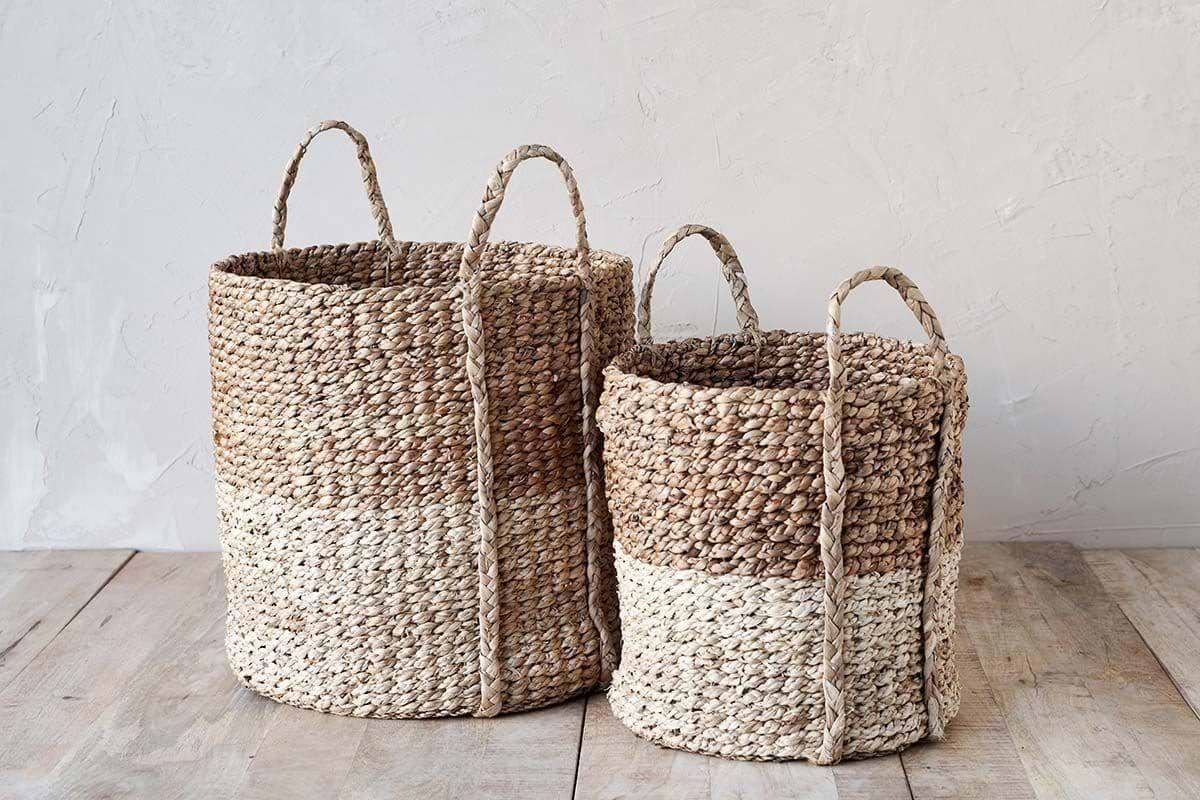
Nkomi Basket
Woven storage with a calm silhouette, works open or tucked under a console.
View at Nkuku →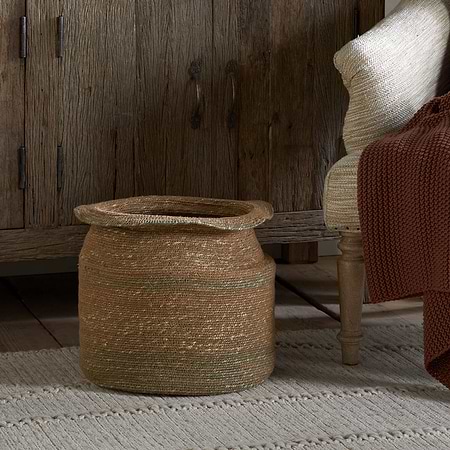
Some links above are affiliate links. If you buy through them we may earn a small commission at no extra cost to you. We only suggest pieces we think fit a calm, lived-in home.
Free guide
The Calm Shelf
12 styling ideas to help you compose calm, balanced shelves in natural texture homes.