

Glare can make a bedroom feel exposed and restless, especially when the light comes through bare glass or the window is surrounded by too many objects. Many bedroom window ideas add more than they solve if they pile on layers or distract from natural daylight. In a busy space, even well-meaning frames, deep sills, or fussy curtains can pull the eye in every direction.
Today we focus on how to quiet the edges around bedroom windows and keep the light natural, using just a few, well-placed layers and mindful materials. This works especially well in a small apartment bedroom when there is very little built-in storage, because controlling windows here sets the whole mood. By the end, you’ll see how to reduce clutter, choose the right treatments, and let your windows recede so daylight becomes the main feature.
The short version: The best bedroom window ideas use soft, layered treatments and simple styling to keep light natural and cut visual noise. Thoughtful placement and two or three quiet textures work better than heavy curtains or scattered decor.
Key takeaways
- Layering window treatments such as sheers and blinds is widely recommended for bedrooms to manage light and privacy.
- Sills stay calm when styled with only one or two natural objects, not a collection.
- Wooden shutters lend privacy and structure without making the window look busy.
- Modern casement or fixed light windows suit calm, minimal bedroom designs, according to Colin’s Sash Windows.
- Simple window dressing options like blinds, curtains, and shutters can suit any bedroom style.

How do you style a bedroom window for less visual noise?
A bedroom window looks calmest when the treatment and the sill both use natural, understated textures and the palette stays quiet. Fewer focal points at the window keep the eye from bouncing around the room.
Many bedrooms have blinds, curtains, and extra decor crowded around the glass, causing the wall to feel overfull. Cutting back to a light linen curtain or a single well-fitted shade simplifies the look instantly. Unlike heavy, gathered drapes, natural fabrics hang softer and don’t demand attention.
Adding a wooden blind, painted matte or left raw, can cut harsh morning sun without blocking the view entirely. A window trimmed with pale wood or brushed metal looks steadier than a mix of loud patterns or bold colors. One rule of thumb: A window treatment works best when it draws less attention than the daylight coming through.
In a rented bedroom with thin walls and awkward window placement, try using sheer curtains that skim the frame. This filters the light and lets the wall fade back, without collecting dust like thicker layers. Mount the curtain close above the frame, not much wider than the sill, and keep hardware plain.
Where this works best
Layered, natural window treatments suit bedrooms with low light, small spaces, or minimal built-in storage. These ideas work anywhere a window brings too much focus to itself or disrupts sleep.
Rooms with only one window—or where a window sits off-center—often show this problem most. A tiny bedroom, a side-facing window in a rental, or a guest space without deep sills all benefit from quieter styling. In these places, focusing on texture and keeping the frame clear makes the window stop shouting for attention.
Hung over a simple bed or a narrow dresser, soft linen curtains or wooden blinds bring order, not display. Instead of trying to balance bright patterns or large hardware, one or two quiet pieces help ground the whole wall. Compared to windows filled with plants and decor, these approaches actually make the room feel bigger.
Avoid piling decorative items across the sill or hanging layers so dense the frame disappears. Too many focal points—or combining lace, velvet, metallics, and glass—can pull the eye in six directions and make even a large room feel restless. Keep the focus on daylight and only soften the glare, not hide the light entirely.
What helps natural light without losing privacy?
Layering a sheer curtain over a simple blind is the easiest way to keep natural light in the bedroom while protecting privacy. This works better than thick, single-layer drapes that block both light and sight.
In many bedrooms, daylight comes in at a harsh angle or streetlights hit the window at night. A translucent sheer does most of the light softening, letting the main curtain or blind step back visually. According to Hillarys, this layered approach also works well with rental blinds or shades you can’t change.
If a bedroom faces a neighbor’s window, switching from thick blackout curtains to double layers keeps things bright but hides movement inside. Compared to roller blinds or opaque shutters alone, a layer of voile or muslin still lets the sky color through. Wooden slat blinds, left in a barely open position, are another practical choice for balancing both needs.
A small guest room or a room at street level often needs layered privacy more than deep insulation. Add one white or sand-colored layer on a slim rod, then drop a lighter blind inside the recess. Place furniture away from the window so air and light can move freely.
Styling and placement
Bedroom windows look simpler when curtains, blinds, and objects around them stay within a two- or three-color range and nothing blocks the glass edge. Placement matters more than size.
When sills are wide, it’s tempting to line up candles, jars, or vases, but these create distractions. Instead, a single clay pot or a flat-edged bowl calms the sightline. Windows benefit from treatments that just kiss the floor, not puddle or break the lines.
The palette should match the wall or be one step softer—think pale oatmeal, dove grey, or muted sand. Compared to bold color, a softer tone lets the window fall back while the daylight stays alive. For those working with built-in blinds or old hardware, paint the frame or rod a color close to the wall for less contrast.
Curtains or blinds need space to stack back; avoid cramping the look with overlapping treatments or oversized holdbacks. One well-fitted Roman blind can be enough for privacy, while sheers rides over for day use. Leave at least half the window clear, especially in a narrow bedroom where soft, open space has the most effect.
Quick calm checklist:
- Stick to natural, matte materials (linen, cotton, light wood).
- Limit the palette to two or three colors.
- Keep sills mostly clear; one object only.
- Hang treatments close to the frame, not ceiling-height in a low room.
- Make sure nothing blocks or overlaps the edge of the glass.

How do you dress a window sill without clutter?
A bedroom window sill feels calmest with only one plant, one texture, or one low object. Too many small items make the wall look busy.
Many people scatter candles, trinkets, and picture frames along the sill, but this creates more lines for the eye to track. Instead, a single trailing plant or a pale stone bowl softens the window and pushes nothing forward. Unlike grouping, a solo piece feels like it belongs and doesn’t interfere with cleaning or opening the window.
For sills sitting above heaters or furniture, a slim, flat item such as a terra-cotta saucer or a squat vase gives just enough definition without blocking daylight. According to Colin’s Sash Windows, “the new trend is to let window dressings and sills create a low-key frame for light, not a crowded display.”
Where there’s low storage, avoid treating the sill as a shelf. Instead of stacking books or chargers, move anything practical to a drawer or bedside table. A plant with trailing leaves looks softer and more alive than a row of succulents or picture frames. If possible, pick one with a matte pot and no extra cover.
Which window type feels calmest in a bedroom?
Simple casement or fixed windows create the calmest feel in a bedroom because their frames are thin and don’t break up the glass with heavy lines. Fewer breaks in the view keep the space open.
Modern bedrooms now use plain casement windows or fixed panes to let daylight fill the wall evenly. As noted by Colin’s Sash Windows, “a calm and minimal bedroom window design can be achieved with modern casement or fixed light windows.” These let you avoid wide crossing bars or ornate trims that catch the morning sun too strongly.
Bedrooms in converted lofts often use skylights for extra light, but those without deep reveals benefit most from a flush frame. Bay windows feel restful only if left open and undecorated—not padded with seating or filled with baskets. For older homes with sash windows, paints with a matte finish help the frame recede. Compared to vinyl or strong gloss, this cuts glare and visual noise.
For privacy, install a slim wooden shutter—pale for minimal, or a soft warm wood for texture. Do not treat the shutter or blind as focal art; simple is better for peace. Modern casements are also usually easier to dress with bedroom blinds or bedroom curtains that hang flat and add no bulk.
| Window Type | Best For | Look & Feel |
|---|---|---|
| Casement | Modern, minimal rooms | Thin frame, soft daylight |
| Sash | Older homes, heritage style | Vertical lines, charm, matte paints recommended |
| Bay | Guest rooms or reading nooks | Spacious, but best left open, not decorated |
| Skylight | Attic or loft bedrooms | Bright overhead light, best kept clear |
Small bedroom window ideas that keep it simple
For small bedrooms, clerestory windows and sheer fabric are best for letting in daylight without making the space look cluttered. Keep treatments light and frames clear.
In a tight bedroom, space for window dressings can be limited. Hanging heavy drapes, layered prints, or deep pelmets quickly fills up visual space. According to Colin’s Sash Windows, “for small bedrooms, clerestory windows and sheer layers are recommended to create big impact.”
Stick to a slim pole with a pale linen or cotton sheer. Mounting blinds inside the frame rather than across the wall keeps the window tidy. Unlike floor-length curtains, a half-height shutter or hidden roller shade interrupts less wall space and makes the room feel more open.
Furniture with a low back near the window—like a short bench or open-frame chair—helps avoid blocking the light path. For rented spaces where small windows often face other flats, add privacy with a sheer that covers only the lower half. This keeps the upper glass free for daylight. For more on calm, layered options in tight spots, see small bedroom ideas.
What tends to hold up with bedroom window ideas
Reviewing countless bedroom schemes and product reviews, one pattern shows up: the simplest, most natural options tend to work for nearly everyone. Matte finishes—on fabric, rods, or window trim—are praised for reducing glare and letting daylight do the main work. Layered window treatments, especially sheers combined with a plain blind, keep coming up in both decorator advice and homeowner feedback, as they cut harshness without weighing down the wall.
Another lesson: a single object on the sill, instead of a row, always reads calmer, no matter the room size. The practical difference is clear after a week of daily use—less dust, less clutter, and a window you barely notice until the light changes.
— Mara, Loom & Glow
Common questions
What type of window is best for a bedroom?
The best bedroom window types are casement, sash, or fixed windows, as they maximise natural light and are easy to dress. Modern casements and fixed profiles suit minimal rooms, while sash windows feel quiet with matte finishes. Consider noise, privacy, and property style alongside daylight needs for the best fit.
What are some modern window ideas for bedrooms?
Modern bedroom window ideas include layering sheer curtains with blinds, using wooden shutters, and choosing windows with slim frames. Natural materials and fewer objects around the window keep the look calm. Framing the view simply creates a peaceful wall instead of a busy display.
What should you consider when dressing a bedroom window?
When dressing a bedroom window, consider light, privacy, materials, and the number of focal points on and around the frame. Light layers work better than heavy curtains. The best result often comes from using two treatments and leaving the sill mostly clear.
What is the new trend for windows?
The new trend for bedroom windows is to keep the frame and sill simple with slender lines and natural materials, focusing on natural light. Layered treatments like sheers and soft blinds are growing more popular. Busy window displays and bold patterns are now less common in restful spaces.
Explore more calm combinations inside our Shop The Look .
Shop the Look
Subtle Nkuku accents that catch natural light without competing with calm window styling.
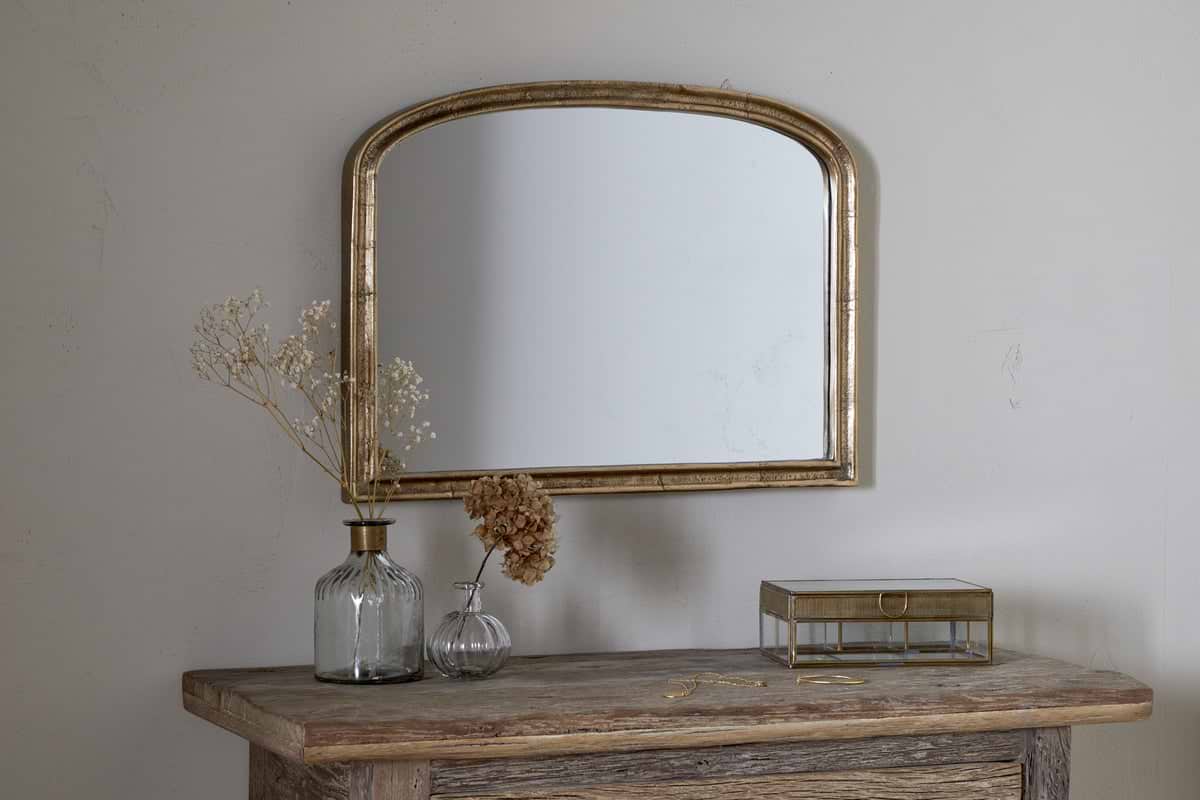

Akra Recycled Glass Vase
Clear cylindrical glass — pairs with stems or sits empty as a quiet accent.
View at Nkuku →Some links above are affiliate links. If you buy through them we may earn a small commission at no extra cost to you. We only suggest pieces we think fit a calm, lived-in home.
Free guide
The Calm Shelf
12 styling ideas to help you compose calm, balanced shelves in natural texture homes.