

Many homes add teak shelves hoping for warmth but end up with cluttered corners. The wood’s rich color and detail can feel heavy, especially in smaller rooms or when storage needs outgrow simple open shelves. Shadows form where objects gather, what started as minimal turns busy without a clear plan.
Today, you’ll see exactly how to choose, style, and place teak shelves for practical warmth. You’ll learn what to keep, what not to crowd, and how to decide between floating and fixed options. This works especially well in a small apartment entry or living room when storage is limited because teak’s color and grain look organized but still soft.
The short version: Teak shelves in a natural finish give warmth without clutter when you use them as a subtle anchor, not an accent wall. Choose floating or compact shelving, keep most surfaces clear, and add only a few soft details like linen or jute for balance.
Key takeaways
- Teak shelves work best with less: leave at least half the surface open for a calm look.
- Floating shelves suit hallways and small rooms where floor space is limited.
- Low, wide shelving units in solid teak add warmth to living rooms with colder floors.
- Reclaimed teak options are often available in natural brown tones, with beige and black filters common on major marketplaces.
- Pairing linen and jute textiles with teak keeps the style soft and never heavy.

Why is teak the calm choice for shelves?
Teak shelves offer a grounded look because their natural brown tones settle visually, even in busy rooms. The grain feels soft, unlike the sharp edges of pale engineered wood.
In living areas with hard floors and blank walls, teak’s rich color adds swatch-like definition. A simple solid teak shelf looks stable, never flashy, holding a mug or a favorite bowl without grabbing all attention. The grain’s matte shimmer gives depth in low light, where a laminate shelf might read flat or cold.
Choosing teak for shelving means less visual noise compared with painted MDF or shiny metal. Teak’s naturally high oil content, according to solid teak shelves retailers, gives each shelf a subtle finish that resists stains but doesn’t look plastic. Some teak darkens over time, which lets it sit quietly against cream or clay-colored walls.
Compared to pine or birch, teak looks deep but never dark, making it easier to keep palettes simple in an open-plan space. A single shelf above a bench works to anchor keys and baskets, where a cluster of narrow pine ledges would just feel busy.
How do you choose between floating shelves and shelving units?
Floating teak shelves keep the floor clear and suit narrow hallways, while shelving units in teak add more storage for larger living rooms or kitchens.
Floors matter. In a compact apartment or rental, floating shelves let you avoid drilling cabinet-sized holes or blocking vents. Floating styles, mounted at eye level, look lighter, especially when finished with a rounded edge. A shelf placed above a radiator or beside a doorway keeps clutter off side tables.
If there’s space for a wider solution, a low shelving unit in solid teak forms a sturdy base for plants, books, or cushions. According to Vinterior, vintage shelving often comes with adjustable sides and a soft-worn finish, so you can rearrange your display as daylight shifts.
Compared to floating versions, a full shelving unit grounds a living room but can overpower in a galley kitchen. A floating shelf gives flexibility for change, while a teak cabinet with closed sides will store more but dominate the wall.
| Floating Shelves | Shelving Units | |
|---|---|---|
| Floor space needed | None | Some |
| Best for | Entry, hallway, above desks | Living, dining, home offices |
| Visual weight | Lighter | Grounded, heavier |
| Flexibility | Can move/adjust easily | Fixed once placed |
| Cost | Usually lower | Tends higher |
Where this works best
Teak shelves settle most easily into small living rooms, quiet bedrooms, and entryways with little wall space. Rooms without much natural light benefit the most from their warmth.
Hallways with cold tile or open-plan rooms that feel echoing can use the mellow color of teak to draw the eye down, without blocking light or floors. Shelves fit above coat hooks or alongside an entry bench, breaking up long blank stretches that would otherwise look unfinished.
In a shared kitchen, a single floating teak shelf keeps mugs and coffee beans within reach, placing storage up off the worktop. Unlike metal rails, a warm shelf tames the hard lines of appliances in a galley layout.
Avoid combining teak shelves with cabinets in other strong grains, like oak or heavily patterned walnut. Mismatched woods pull attention in too many directions, making the room look busier, especially where space is tight. Instead, keep the largest wood surface, the shelf or the table, the focus, and repeat only one or two other textures nearby.
How to pick the right size and proportion for teak shelves
A teak shelf should be deep enough for your main items but never so wide that it dominates the wall. Leave space to let the wood itself breathe.
Sizing comes down to habit. In a reading corner or bedroom, one small floating teak shelf fits a bedside lamp and a single book. In the living room, a standard shelf depth works for framed photos or vases, keeping the look easy to dust and adjust. Most floating shelves sit about 25-30 cm deep, which suits everyday storage without sticking out too far.
The gap between shelves also matters, leave at least the same height as your tallest book or basket, but not so tall that shelves look stranded. A shelf too close to the ceiling flattens the room, while one placed at chest level feels more settled, especially above a desk or workspace.
Compared to deeper units, a narrower shelf works well above a radiator or in a narrow hallway, where projecting storage would just get in the way. Let the teak’s edge line up with other furnishings for a joined-up look, not a shelf floating disconnected from the rest of the room.

Styling and placement
Keep teak shelves calm by anchoring one feature item, using textiles to soften the edges, and keeping the rest of the surface mostly clear.
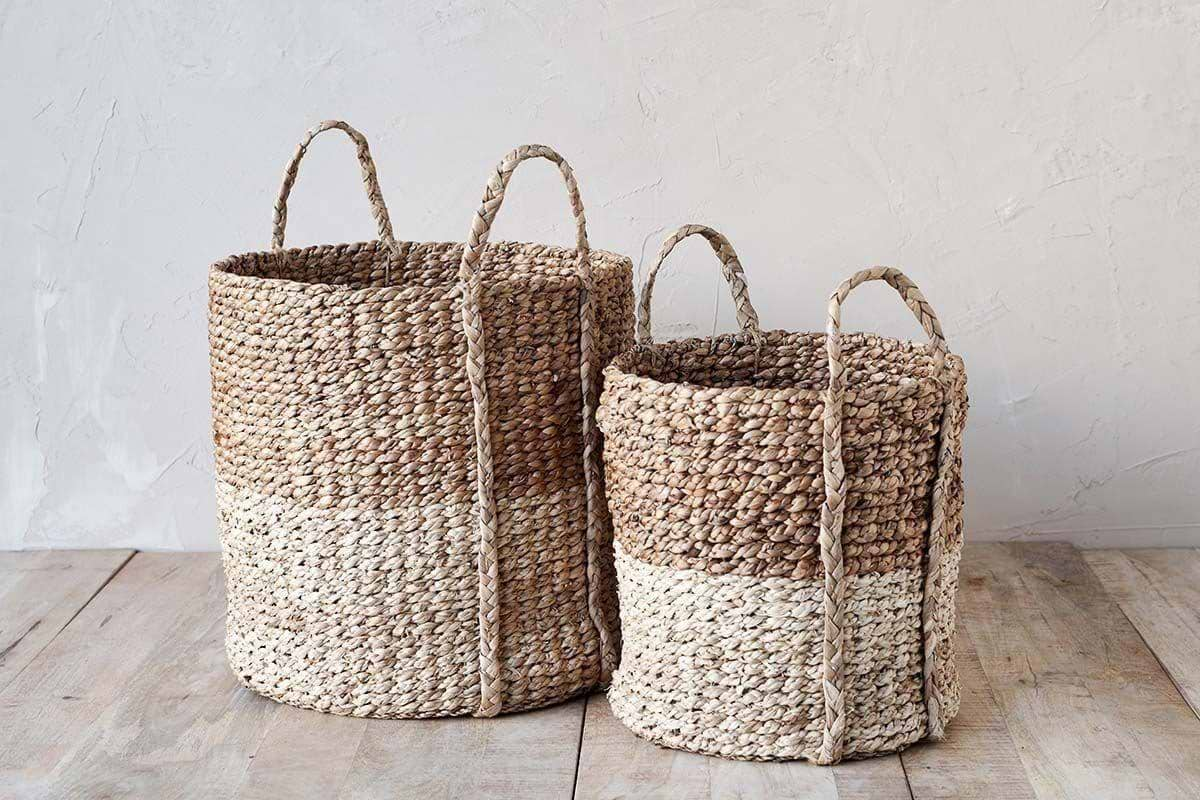
Start with a neutral backdrop, white, warm grey, or clay walls work best behind the mellow grain. A simple arrangement on open shelves helps the wood stand out without added fuss. Place a small linen runner, a matte clay pot, or a woven Nkomi Basket for texture without extra color.
One vertical piece, like a taper candle, tall jug, or trailing plant, breaks up the horizontal line. Soft linen, washed cotton napkins, or a rolled-up tea towel lighten the look and mute hard transitions against the wall.
Natural textures like jute or unglazed stone work best for accents; too many glass or metal items read cold beside the brown. A bare shelf reads colder than one with a single woven basket.
Quick calm checklist:
- Keep no more than one “hero” object per shelf (like a basket or bold vase).
- Space shelves far enough apart for breathing room, let light fall between objects.
- Stick to neutrals, ochres, or pale greens with teak’s brown grain for palette discipline.
- Repeat just one or two textures: linen, jute, or matte ceramic only.
- Align shelf and wall art edges for a clean sightline.
How do you avoid a cluttered look on teak shelves?
Leave most of the shelf open, display one or two favorite things, and repeat a single color or texture for quiet balance.
In real homes, clutter creeps in quickly, spare mail, stacked mugs, small tech. Grouping everything on one shelf invites visual noise. A simple bowl to catch keys clears space fast, while a linen napkin softens the edge of harder objects.
The single biggest change: remove any object that doesn’t work with the rest. A shelf works best when two-thirds of the space is left clear, and only one shape stands tall. According to colour filters for teak shelves listings, most people prefer beige or brown accents, as they calm the mix whether the shelf is new or reclaimed.
Compared to shelving full of boxes or small collectibles, a shelf anchored by something woven, a jute basket or a Nkomi Basket, rails in the eye and gives somewhere soft for daily essentials. Don’t line up a row of mugs if the shelf is already above a busy worktop; pull objects apart for visual breathing room.
Caring for teak shelves: what matters most?
Teak shelves last because the wood naturally resists stains and doesn’t warp in low light or dry air. Clean gently, avoid harsh chemicals, and keep textiles nearby to cushion wear.
Most dust wipes away with a soft, damp cloth. If a cup leaves a ring or a plant overflows, a bit of unscented mild soap is enough, because teak has natural oils, it won’t dry out easily. For shelves near a window, a matte finish prevents glare, especially in rooms with a lot of sun.
Vintage and reclaimed teak shelves hold up against scrapes, but can show marks if they’re used to store heavy ceramics in the same spot. Rotate heavier pieces from time to time, or add a woven runner. Unlike open metal units, solid teak needs less ongoing care and won’t rust in a humid kitchen.
A shelf that looks dusty or worn works in a kitchen or mudroom, but a freshly oiled teak shelf brings out the brown and orange tones for places seen often. A simple textile buffer, like linen, keeps pots from scratching against the wood’s surface.
Often, the moment things feel off comes when a freshly stacked shelf starts to close in the space without warning. Light bounces oddly, or every little item seems to pile up itself. It’s a signal that what was intended as calm is reading crowded, usually when too many materials pile together or when objects collect out of habit not need.
Homes feel visually lighter and calmer when the anchor shelf has a single point of focus, a pale wall behind, and room to breathe on both sides.
It’s easy to miss how quickly “everyday extra” builds up on a teak shelf and how much that undermines the look. Most homes crowd shelves with small odds and ends, old chargers, books you aren’t actually reading, miniature decor that doesn’t suit the wood. This makes even the best material feel noisy and the room hard to settle in. Right now, this matters because a crowded shelf takes away from the calm you set out to create, and in a busy season, that’s the last thing you need.
Once the right piece is in, the space reads softer, the wall looks finished, and moving through the room feels easier.
Save this idea for later.
What tends to hold up with shelf styling and natural wood choices
Pulse through hundreds of rooms and two patterns repeat: shelves that keep most of their surface bare stay pleasing longer, and shelves with a single strong texture, linen, jute, or unglazed clay, never look tired. Reviewers consistently note that matte finishes hide dust better than glossy varnish, especially near windows or under daylight bulbs. Decorators often steer people to reclaimed teak when warmth matters but budgets run tight, since the color is soft but the price lower than full-new solid wood.
Keeping shelves against pale, chalky walls helps the wood stand out without feeling sharp. Most well-liked shelving photos on social feeds feature no more than three items per surface, often a basket, a small stack, and a bit of greenery, leaving everything else out. That restraint is the real secret to shelves that feel minimal but lived in.
, Mara, Loom & Glow
Common questions
Is teak wood worth anything?
Teak wood is considered valuable, especially for furniture and shelving because it resists warping and holds its color for many years. The strength and oil content make it popular for both indoor and outdoor use. On furniture resale sites, even small reclaimed teak shelves can fetch a premium over common woods.
What wood is best for shelves?
Teak is one of the best woods for shelves due to its strength, durability, and resistance to pests. Other strong choices include oak and maple, but these have a different color and pattern. Softwoods like pine may be cheaper but dent or bow more easily under weight.
Is teak a luxury wood?
Teak is often called a luxury wood because of its price and how long it lasts without much maintenance. It appears in upscale homes but is also found in affordable, reclaimed forms. The even grain and honey-brown color are key reasons people choose teak for visible shelves.
What sort of wood is teak?
Teak is a dense, tropical hardwood known for its natural oils and smooth grain. This makes it naturally weather-resistant and ideal for shelving in warm, damp, or variable spaces. The surface of properly finished teak never feels sticky or rough, even after years of use.
Explore more calm combinations inside our Shop The Look .
Shop the Look
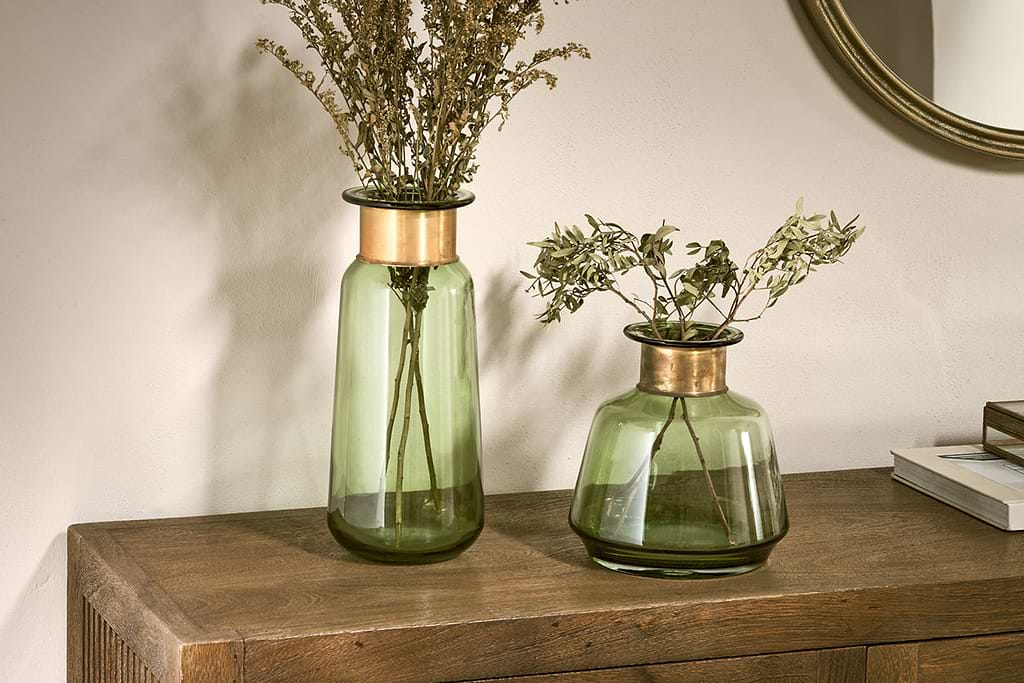
A few Nkuku pieces that pair naturally with warm teak and minimal shelving.
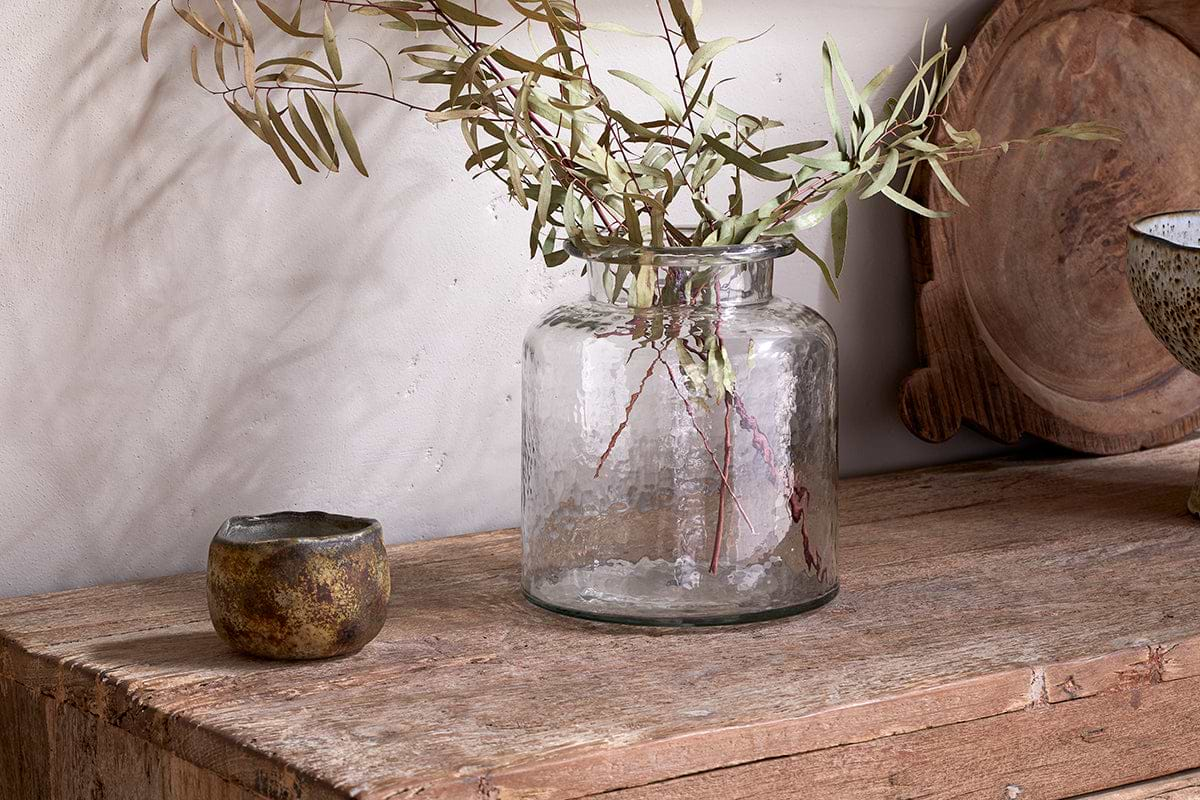
Akra Recycled Glass Vase
Clear cylindrical glass, pairs with stems or sits empty as a quiet accent.
View at Nkuku →Some links above are affiliate links. If you buy through them we may earn a small commission at no extra cost to you. We only suggest pieces we think fit a calm, lived-in home.
Free guide
The Calm Shelf
12 styling ideas to help you compose calm, balanced shelves in natural texture homes.