

Hallways are often first to collect shoes, coats and mail, but last to receive thoughtful attention. Many decorating ideas for hallways leave the space as an afterthought, a walkway crowded by baskets or forgotten with bare walls. The result is a passage that feels cluttered or forgotten, where no one wants to linger.
With a few careful changes, a hallway can become calm and inviting. Today, you will learn how to choose, place and edit the right pieces, removing what weighs the room down and working with what you already have. This works especially well in a small apartment when hallway storage is tight because the right objects help keep things tidy without blocking the flow.
The short version: Decorating ideas for hallways work best when you commit to a single focal point, light touch and clean palette. Even the narrowest hallway can feel calm if you edit out extra pieces and choose natural materials that fit the space.
Key takeaways
- A hallway feels more finished when one soft runner or rug pulls the sightline and softens sound.
- A mirror bounces light in a dark hallway and opens up tight corners.
- A good hallway bench does not block foot traffic and keeps storage simple.
- Neutral paint or pale natural wood helps a hallway connect calmly to the rooms it serves.
- Most small hallway sideboards with drawers suit narrow spaces, according to House Beautiful.

The hallway problem: why it feels cluttered, not cosy
A hallway feels cluttered when storage and decor fight for space instead of guiding movement and light. The solution is to limit surfaces and lighten the palette.
In many homes, the hallway acts as a buffer zone. It collects things headed to the laundry, returns left by the door, and the overflow from rooms that feel too full. When every surface becomes a landing spot, the hallway quickly turns into a visual catch-all that is hard to clean and even harder to style.
Comparing a hallway with a sideboard covered in bags to one with only a slim bench, it’s easy to see why less feels better. One neat runner or a slender mirror on the wall draws the eye forward. A crowded collection of hooks and prints distracts from the path and makes the passage feel shorter and busier, especially if coats hang at different heights.
The main reason this happens is that most advice ignores how much movement passes through these spaces. A hallway needs to stay open, with only a few well-chosen touches. A bench works best when it can tuck baskets beneath and adds texture without blocking the way into other rooms.
The best way to avoid hallway clutter is by picking storage and decor that do not block the flow. One good rule: a hallway should offer just one spot to pause, not several busy points that interrupt movement.
Where this works best
Calm decorating ideas for hallways are most convincing in busy family homes, rental flats and anywhere the entry opens straight into living space. These changes relieve stress for anyone passing through each day.
In apartments with limited square footage or in period houses with narrow corridors, every hallway feels like a missed opportunity. Some entries open right into kitchens or living rooms, while others serve just as a link between bedrooms and the rest of the home. Even wide hallways risk looking like leftover space if left bare or filled with random storage.
Applying these ideas in a busy home often requires thinking about time as well as space. A single hook for a market tote is easier to keep tidy than a line of pegs that gather bags and make the wall look cluttered. A flat sideboard with natural wood or light laminate can stash mail and keys out of sight, doubling as a drop zone without adding visual noise.
Avoid putting large or dark furniture in a hallway that already feels tight. A chunky sideboard or bold gallery wall can overwhelm in a passage with low natural light. Instead, pick a lighter piece and keep big colours for adjoining rooms. A hallway connects best when it feels like a pause, not a destination.
Try a pale rug or a muted print by the main door. This connects visually to other rooms and prevents the hallway from reading as an afterthought.
Hallway colour palette: the three calm rules
A soft, neutral palette helps a hallway breathe and supports rest of the home’s flow. Warm, muted colours work better than stark contrasts or busy patterns for small or transitional spaces.
Many hallway problems start with paint that feels disconnected from the rest of the house. A stark white makes marks and scuffs jump out, while dark colours can squeeze a narrow space even tighter. Best practice is to choose one of three colour directions: very pale neutrals, quiet mid-tone hues like soft sage or clay, or gentle bases like natural wood panelling or pale laminate.
If the hallway gets little daylight, picking a colour one tone lighter than the adjoining rooms prevents shadows from feeling gloomy. A wide, sunny hallway can handle deeper, earthier shades or a single colour carried from floor to trim. Unlike bold stripes or high-contrast accent walls, a simple palette with limited colours gives the eye somewhere to rest.
The effect of a calm palette is that walls and storage pieces do not fight for attention. A single tone running from skirting to ceiling draws the space together. According to House Beautiful, hallways work best when colours connect to the rooms they border, not just the front door.
For any rental or home where paint rules limit options, bringing in natural materials through mats, baskets or a pale wooden bench creates a similar calm effect.
How can you use lighting to shape a hallway?
One warm light source placed at eye level softens harsh shadows and makes a hallway feel finished. Too much overhead light can make a narrow passage look flat or severe.
A common problem in windowless hallways is flat, cold light that leaves the space feeling more like a tunnel than part of a home. The mistake is often relying solely on a harsh ceiling fixture, which throws light downwards but leaves corners and wall textures untouched.
A combination of a wall lamp or table lamp (if there is any surface at all) and one soft overhead fitting often works better. For most halls, a single shaded pendant or frosted globe is enough. The key is avoiding exposed bulbs, which can cast hard lines and break up pale wall colours.
Compared to a cold LED spot, a woven lampshade or shade made from paper, linen, or clay naturally diffuses light. The rounded edges prevent glare and create a softer line. Doubling up with a mirror near a fixture will bounce brightness through even the darkest stretches, making the space seem wider and less closed-in.
Try placing a lamp on a corner sideboard or a plug-in sconce in rentals where wiring limits choices. One good light can turn a hallway into a spot to pause, not just pass through.

Styling and placement
Styling a hallway succeeds when you let one item anchor the space and keep surfaces mostly clear. Placement is about flow, not display.
The simplest way to style a hallway is by picking one piece, like a neat bench, small sideboard, or single large artwork, and using it to set the focus. Adding too many objects along the same stretch makes the space feel lighter at first, but soon starts to read as a line of clutter the eye cannot rest on.
For materials, linen cushions, a chunky wool throw, or a woven basket offer texture without adding visual weight. A single clay bowl on a narrow shelf can corral small items like keys without looking messy. Unlike a shelf packed with vases or trinkets, one quiet object keeps the hallway usable and calm.
Sideboards or benches with legs that expose the floor suit narrow corridors best because they let the eye keep moving. Closed baskets or drawers allow for mess to hide out of sight, while leaving most of the surface clear. Compared to tall coat trees or deep shoe racks, a slim profile feels lighter in space-constrained halls.
Quick calm checklist:
- Keep only one large or two small anchor pieces per hallway stretch (bench, sideboard, art).
- Choose warm materials: pale wood, linen, wool, rattan or unglazed clay.
- Leave at least half the wall and floor space open.
- Use a muted or matching colour palette to link hallway objects.
- Pick placements that don’t break the walkway (against wall, not centered).
Apply this by clearing excess storage and letting one unfussy piece pull focus along the main stretch.
What is a practical storage choice for a narrow hallway?
A bench with a shelf or baskets below gives efficient storage in a small hallway without blocking traffic. Natural materials hide scuffs and keep dust less visible.
Most narrow hallways become crowded when open shoe racks or piles of bags creep outward, shrinking the space left to walk through. A low, open-below bench, ideally with one or two wide baskets, solves this by providing a spot to sit or set things down, while everything else stays tucked out of view.
If built-in furniture isn’t an option, look for a hallway bench with slim wooden slats or a rattan shelf underneath. Compared to a closed cabinet or sideboard, an open bench looks lighter but still sorts the everyday mess. Even in period houses or rental flats with slim corridors, the right seat can make the entry more practical without closing in the walls.
Unlike plastic baskets, which slide and show dirt quickly, woven baskets or thick felt bins have softer edges and collect dust less noticeably. A beige, clay or light wood tone keeps things calm. According to House Beautiful, a small sideboard with doors or drawers can also work in tight spots, provided it runs parallel to the wall.
For day-to-day use, keep the bench or storage piece near the main entry, not the middle of the hall, so people can step in, sit, and pass by with shoes or bags in hand.
Hallway walls: is art or a mirror better?
Mirrors bounce light and make a hallway look wider, while a single large-format print adds interest without visual noise. In most cases, a mirror gives more benefit for small or dark spaces.
Choosing what to hang on hallway walls sets the whole tone for the entry. A bare stretch can feel cold or forgotten, but a cluster of busy prints, a gallery wall, often ends up looking messy, especially in narrow corridors. Instead, one big print or a single framed textile draws the eye and makes the passage feel confident but not overwhelming.
Compared to art, a well-placed mirror brings both brightness and depth. Hung at face level, it reflects daylight from the nearest door or window, bouncing it down the length of the hall. That softens shadows and helps even a low-light rental look less cave-like. The downside: a mirror multiplies clutter too, so it’s best kept above tidy storage or standing solo.
Decorative and acoustic wall panels are now common low-maintenance solutions for hallway walls, according to Easy Panels. They soften sound and add a layer of warmth without busy details.
Apply this by picking one main piece, mirror or art, per wall and hanging it so it lines up with the sightline through the hall. For shelf ideas that work with this approach, see shelf styling formula.
What tends to hold up with decorating hallways
Consistent feedback, both from designers and everyday homeowners, points to the durability of natural materials in high-traffic hallways. Benches with exposed-grain wood, tightly woven runners and soft, matte wall finishes are less prone to scuffs or marks and need only light cleaning. Matte finishes get recommended again and again for hallways near large windows, because they don’t glare or highlight patchy paint the way gloss does. Another pattern that holds up: a bench or sideboard with legs almost always feels lighter than a solid box or closed unit low to the ground.
In small or narrow homes, hallways styled with one main anchor piece age better visually. Too many small decor pieces quickly start to look tired or become dust traps. Keeping the palette and material choices minimal cuts down on the need for future overhauls, as there’s less to date or fade.
, Mara, Loom & Glow
Common questions
What are the trends for decorating hallways in 2026?
Key hallway decorating trends for 2026 include natural wood benches, woven runners, soft matte wall colours, and single big mirrors. Earthy palettes and slim sideboards are replacing busy gallery walls and high-contrast paint. Many homes now prefer practical, storage-minded pieces that still feel gentle underfoot, with acoustic panels becoming more common for sound and warmth.
What is the best colour to paint your hallway?
The best colour for a hallway is a pale neutral, like soft beige or chalk white, or a muted earth tone matching adjoining rooms. These shades hide everyday marks and help hallways connect calmly to living spaces. Avoid harsh whites and strong contrasts, as they can show scuffs or make the space look smaller.
What are some good, practical ideas for decorating a hallway?
Good, practical hallway ideas include a slim bench with baskets below, a mirror to reflect light, a warm runner, and a simple sideboard for keys. Keep one anchor object per wall and use only a few calm accents. Aim for natural finishes like wood or rattan, which hide wear and add softness.
What are some modern but calm ideas for decorating my hallway?
Modern but calm hallway ideas focus on one pale runner, clean-lined storage, matte finishes and natural textures. A single large-framed print or acoustic panel keeps the look fresh but quiet. Using fewer, larger elements and avoiding busy patterns means the hallway will stay inviting but not overwhelming over time.
Explore more calm combinations inside our Shop The Look .
Shop the Look
A few Nkuku pieces that bring calm definition to a narrow hallway.
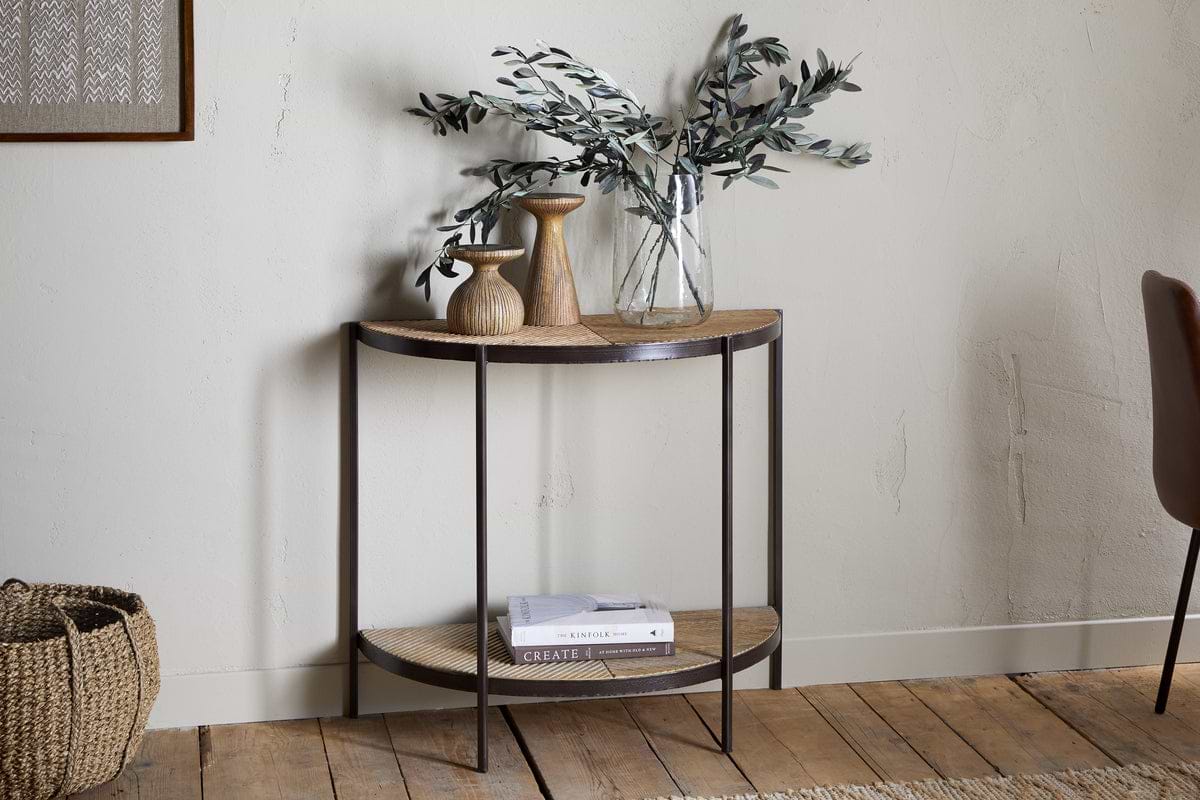
Aasha Console Table
Half-moon silhouette in mango wood; anchors entryways and narrow walls.
View at Nkuku →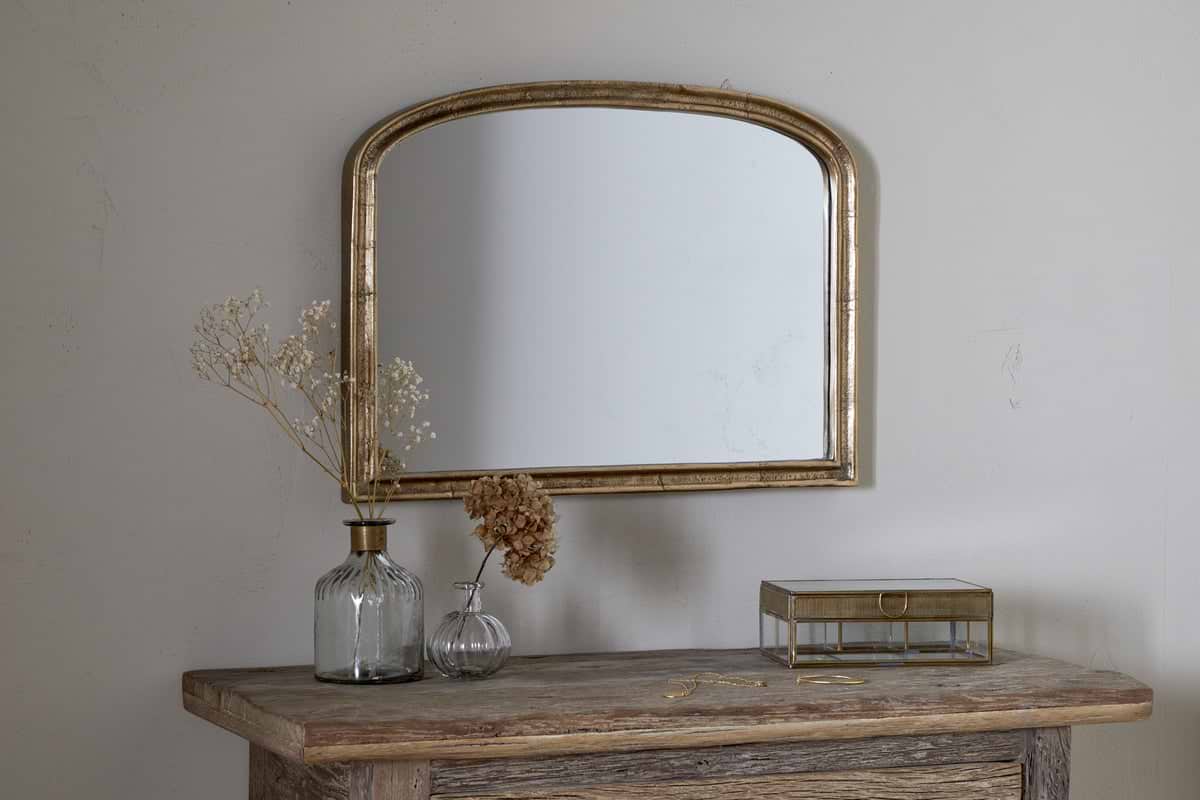
Some links above are affiliate links. If you buy through them we may earn a small commission at no extra cost to you. We only suggest pieces we think fit a calm, lived-in home.
Free guide
The Calm Shelf
12 styling ideas to help you compose calm, balanced shelves in natural texture homes.