

Finding the right oak shelf board for your home can be confusing. Many shelves look thin or have an orange shine that never quite fits with quieter spaces. If you want storage that feels solid and easy on the eye, it’s hard to know what to choose, especially if you’re not ready to spend a fortune.
Instead of filling more corners with wobbly MDF, this guide will show how solid oak changes the feel of a room. Today, you’ll learn what makes oak shelf boards different, how to spot true quality, and ways to use them in your home. This works especially well for a small alcove when every bit of storage counts because oak keeps the space looking clean without drawing too much attention.
The short version: A well-made oak shelf board is solid and resists sagging, offering both storage and a calm, natural look that holds up over time. Oak’s clean finish and quiet grain reduce visual clutter and help small rooms look organised with less effort.
Key takeaways
- A solid oak shelf board feels heavier in the hand and sits level without flexing.
- Most oak shelf boards are available in thicknesses around 20mm, which is a sturdy choice for most rooms.
- Planed, square-edged oak boards handle daily wear and damp less noticeably than softer woods or veneers.
- Brackets in matte black or brushed metal let oak look simple instead of busy.
- Oak shelf boards can be sourced in many widths and finishes from UK timber specialists.

What makes oak shelf boards a calm choice?
Oak shelf boards stay visually quiet because of their simple straight grain and pale colour, which helps a space feel open and collected. Finished oak resists chips and marks, so the shelf looks fresh with less fuss over the years.
Many living rooms have wall shelves that look thin or overly shiny, breaking up the space. Solid oak shelf boards feel grounded. Their gentle warmth and fine texture add a sense of calm, especially when the rest of the room uses soft fabrics or pale walls.
Unlike pine or laminates, oak doesn’t show every scrape or cup ring. A shelf board in European oak will keep its surface smoother and cleaner over time, helping you avoid regular sanding or repainting. The grain is there, but it doesn’t shout, just a close pattern that keeps things steady and predictable.
Because oak boards are heavier and sit flatter than hollow-core shelves, they don’t wobble or sag. A shelf board with a natural finish works best when you want storage that blends in without extra busy texture.
For a hallway with low light, oak stays neutral and reliable, while glass or high-gloss options may glare or look cold. Placing a few books or a basket on an oak shelf board can make even a narrow space feel finished rather than cluttered.
Where this works best
Oak shelf boards work especially well in small alcoves, kitchens, or bathrooms where storage looks messy on open brackets. They suit rental homes, busy family rooms, and any spot needing extra storage without sharp contrast.
A small apartment with little built-in storage often ends up with cheap clip-on shelves or nothing at all. Using planed, kiln dried oak shelves brings real weight to a wall without adding thickness or an orange tone. They help books, towels or simple vases sit quietly, and the wood does not warp with damp or heat changes.
For a kitchen above the counter, oak boards are strong enough to hold stacks of plates or jars, making the space easy to wipe and less likely to fall apart with regular use. In a bathroom, the solid edge keeps toiletries looking tidy instead of sinking between brackets.
Avoid pairing thick oak shelf boards with busy patterned wallpaper or heavy metal brackets, which can make the storage feel blocky or forced. Instead, keep walls neutral and brackets slender for a finish that feels light and fits in most rooms without fuss.
How do you choose the right oak shelf board for your space?
A good oak shelf board for most homes is around 20mm thick, planed for a square edge, and comes in widths from about 95mm to 250mm for different uses.
Selecting shelf boards can be overwhelming. Look for words like “Solid Oak,” “Planed All Round (PAR),” and “Kiln Dried” for a shelf that won’t bow over time. Most specialists offer 20mm shelf boards, as listed on Oak Store Direct, which is sturdy enough for a row of books or a lamp.
For hallways or narrow bathrooms, a 95-120mm wide board keeps things slim, letting the shelf hold cups or jars without sticking out. Deeper shelves (up to 250mm wide) let you display larger items or use baskets where needed.
Compared to rounded or bevelled boards, a true square-edge finish feels cleaner and lines up better with modern or period homes. Most oak shelf boards have a smooth planed face and edge, so dusting is quick and small objects stand up evenly.
The right size shelf works best when the depth suits the objects placed on it, plates never hanging off, baskets easy to pull down without knocking other things.
How do oak shelf boards compare to other shelving materials?
Oak shelf boards feel smoother, wear better, and hold more weight than lightweight pine, chipboard or melamine, all while looking quieter on the wall.
Chipboard shelves often bend if you place more than a row of books. Pine marks quickly and can go sappy or warp in damp homes. Unlike those, solid oak shelf boards, especially oak shelves made to measure, age slowly and rarely need refinishing.
Where pine feels soft and shows every bump in the hallway, natural oak holds its form. Compared to glossy MDF, oak appears less busy because its grain is subtle and its finish is matte or oiled, not coated in plastic.
A shelf made from American white oak or European oak lets you keep to a calm, light palette, while rustic oak brings more knots and variation for a softer cottage look.
A bare melamine shelf reads colder than one trimmed with a strip of oak and accented with a single handmade bowl or quiet ceramic. Matching wooden boards with simple containers makes a stronger impression than layering several competing colours.
| Material | Appearance & Feel | Strength & Wear |
|---|---|---|
| Solid Oak Board | Pale or classic, matte grain, warm touch | Heavy, resists sagging, ages well |
| Pine Board | Light colour, softer grain, sometimes knots | Can dent, warps in damp rooms |
| MDF/Melamine | Papery smooth, bright white or gloss, flat | Bends easily, chips at corners |

Styling and placement
A plain oak shelf board looks best when you keep the display simple, one or two objects per shelf, spaced out, and with a bit of space at the ends.
Many people try to cover every shelf with stacks and jars, but the board itself looks better when some wood shows around each object. A single woven Nkomi basket, a small glass pot, or a neat bowl makes use of the solid surface without hiding it. Too much on display, and the wall reads busy, especially in small flats with limited natural light.
Unlike chunky supports or painted boards, simple oak works with matte black, white, or brushed metal brackets. Avoid combining natural oak with strong colours or shiny hooks nearby, the shelf stands out best beside soft textiles, pale walls, or a linen curtain.
Placing a shelf near a window in a bedroom makes use of the forgiving grain, which does not reflect glare. For kitchens, a short line of jars keeps the practical look and stays easy to clean.
Quick calm checklist:
- Stick to solid oak or lightly oiled finishes over varnished or glossed surfaces.
- Leave at least as much empty shelf as filled with objects (aim for open space on both sides).
- Use only 2-3 colours per shelf including basket, pot, or book spine.
- Mix no more than two materials (oak plus one other natural texture is usually enough).
- Keep brackets slim and matte to avoid extra distraction.
How do you install oak shelf boards securely?
A solid oak shelf board should be fixed into brick or timber studs when possible, using level brackets that match the board’s width for full support.
Wall type matters. Masonry holds screws better than plasterboard, so heavy oak boards work best anchored to brickwork or joists. If walls are hollow, use strong wall plugs made for weight, and keep brackets close to the ends to prevent flexing in the middle.
According to Oak Store Direct, most floating shelf brackets fit 20mm oak boards. L-shaped or concealed brackets that screw through the back make for a neater look. Double check that the bracket width covers most of the board’s width, narrow supports can make even oak look crooked.
Bracket colour shapes the mood. Black steel feels industrial, brushed silver suits brighter kitchens, and white blends in for small bedrooms. A shelf line that sits level across the back wall works best when measured with a spirit level before drilling holes.
Unlike thick window boards, most oak shelf boards are designed for quick DIY fitting, so you can change the position or height without much mess. Even in a rental, careful fixing and a light touch with putty when you move keep things looking neat.
Where can you buy oak shelf boards in the UK?
Oak shelf boards are widely available in the UK from timber specialists, DIY stores, and some online marketplaces, offering both standard and made-to-measure options.
Most timber yards and online sellers list “solid oak shelf boards” from 20mm thick, with widths up to 250mm. For a close look at finish and grain, visit a local timber merchant first. If you need very specific sizes or want floating shelves, some suppliers such as Celtic Timber allow you to order to fit your space.
High street DIY stores often keep narrower oak shelf boards in smooth or rustic grades, and a few sell matching brackets. Many online listings, as found at this oak boards for shelves page, include both planed and rough-cut options, so read for words like “PAR” or “Square Edge” to get smooth, dust-free shelves.
Unlike flat-packed MDF, most oak boards come unfinished or lightly oiled, so you can match the colour to your own floor or furniture. Bracket kits or floating supports are sometimes included, but it is worth seeking matching hardware if you want a seamless look.
Made-to-measure shelves from a specialist shop cost more upfront, but are less likely to need replacing in a couple of years. For entry halls or family living rooms, a few strong shelves can mean less furniture fighting for floor space.
Often after fitting a new shelf, something still feels unsettled, maybe the brackets stand out, or the wood turns yellow under bright bulbs. The room might look more cluttered than before, especially if each shelf holds too much or mixes too many colours. Noticing these small mismatches is the moment to pause and rethink, rather than adding even more objects.
Refocusing on one solid shelf in natural oak, spaced cleanly and dressed with only things you use or love, brings an immediate sense of order. Choosing one calm anchor, then pulling back everything extra, lets the materials and your display share the space without competing.
Many homes end up with too many small, thin shelves or short-term fixes, white wire racks, plastic cubes, or wobbly floating boxes. These pieces don’t hold real weight and quickly look untidy, drawing the eye in a dozen directions. Over time, it just gets harder to keep things looking calm and collected.
When you simplify to a solid oak shelf board that fits the wall and isn’t crowded, the space feels steadier and more restful, even with daily use.
Save this idea for later.
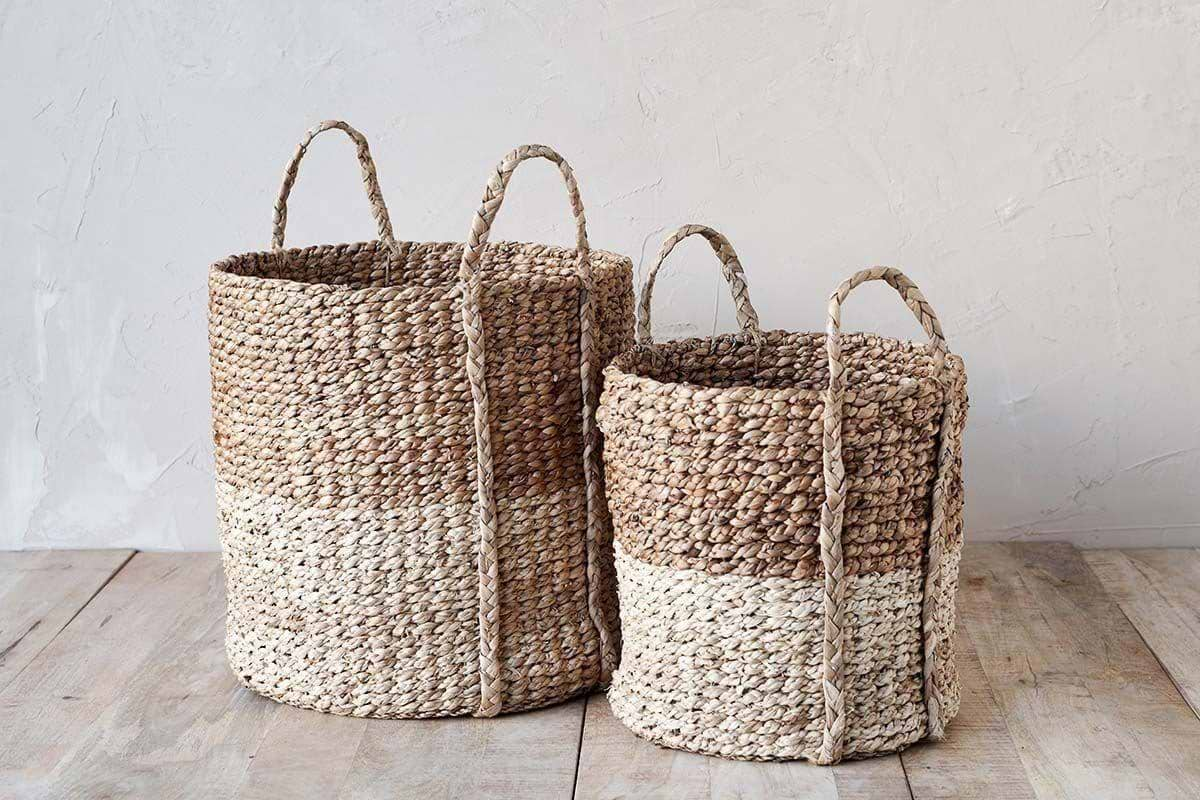
What tends to hold up with oak shelving and calm storage
Strong, well-finished oak shelving is one of the few options that rarely looks dated or worn after a year of use. Reviewers and decorators consistently point out that natural or oiled oak boards hide dust, dings, and fingerprints better than painted or veneered shelves. Even busy homes with children or pets tend to find fewer scuffs worth fussing over. Matte finishes get recommended again and again near windows, because they don’t bounce light sharply the way glossy boards do. Shelf brackets kept slim and quiet let the wood stand out without adding weight to the room.
, Mara, Loom & Glow
Common questions
Is oak a good material for shelf boards?
Oak is an excellent material for shelf boards because it is strong, stable, and ages well. It holds more weight than most softwoods and keeps a level surface. Many people prefer it for its even grain and softer finish, which stay looking good even with regular use.
Where can I buy oak shelving in the UK?
You can buy oak shelving in the UK from timber specialists, online stores, some DIY shops, or made-to-measure suppliers. Look for boards described as solid oak, planed all round, or kiln dried. Many suppliers offer standard sizes but will cut to order to fit your home.
What is the best material for shelf boards?
Solid oak is among the best materials for shelf boards due to its strength, appearance, and durability. Other good options are ash and walnut, but oak is widely available and resists marks well. Veneered or MDF shelves are cheaper but can sag or chip more easily.
Is it cheaper to build a shelf or buy one?
Building a shelf can be cheaper if you already have tools and need a very simple fit. Buying a ready-made shelf is often easier and saves on mistakes or wasted material. Oak shelf boards cost more than MDF, but last much longer and feel more substantial.
Explore more calm combinations inside our Shop The Look .
Shop the Look
Nkuku vases and mirrors that pair naturally with solid oak shelving.
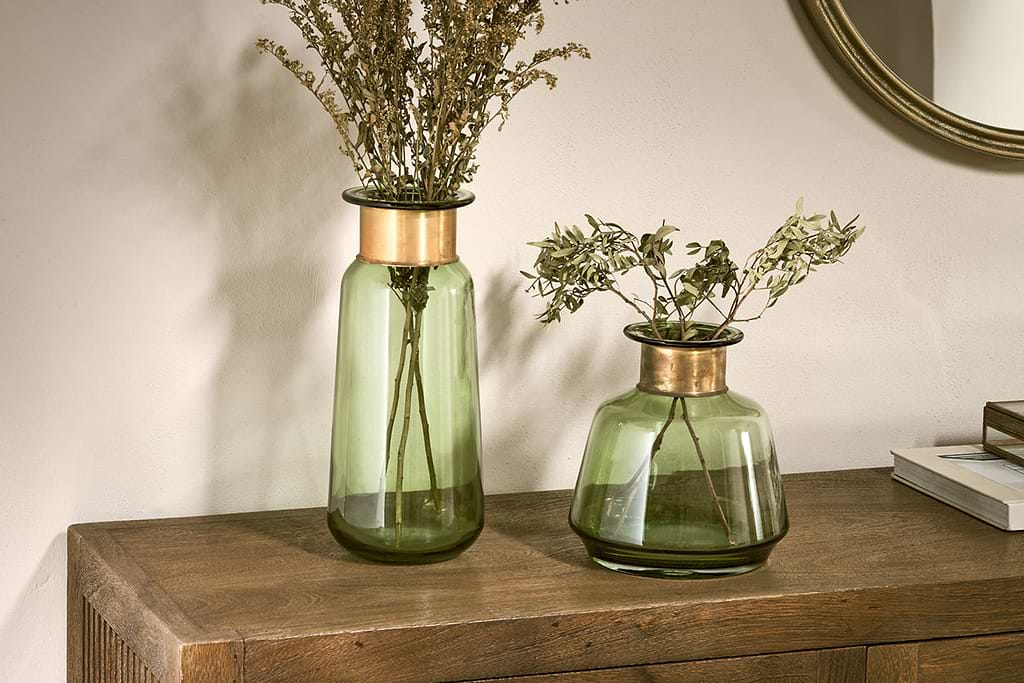
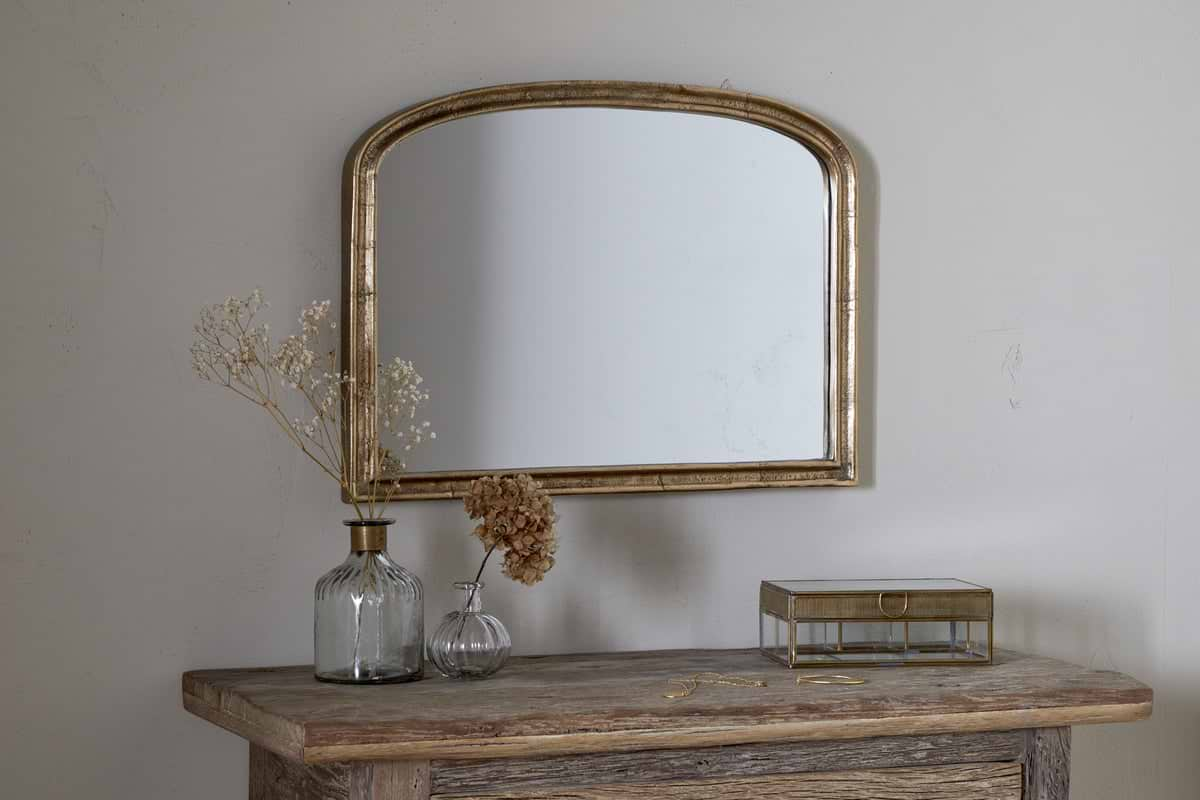
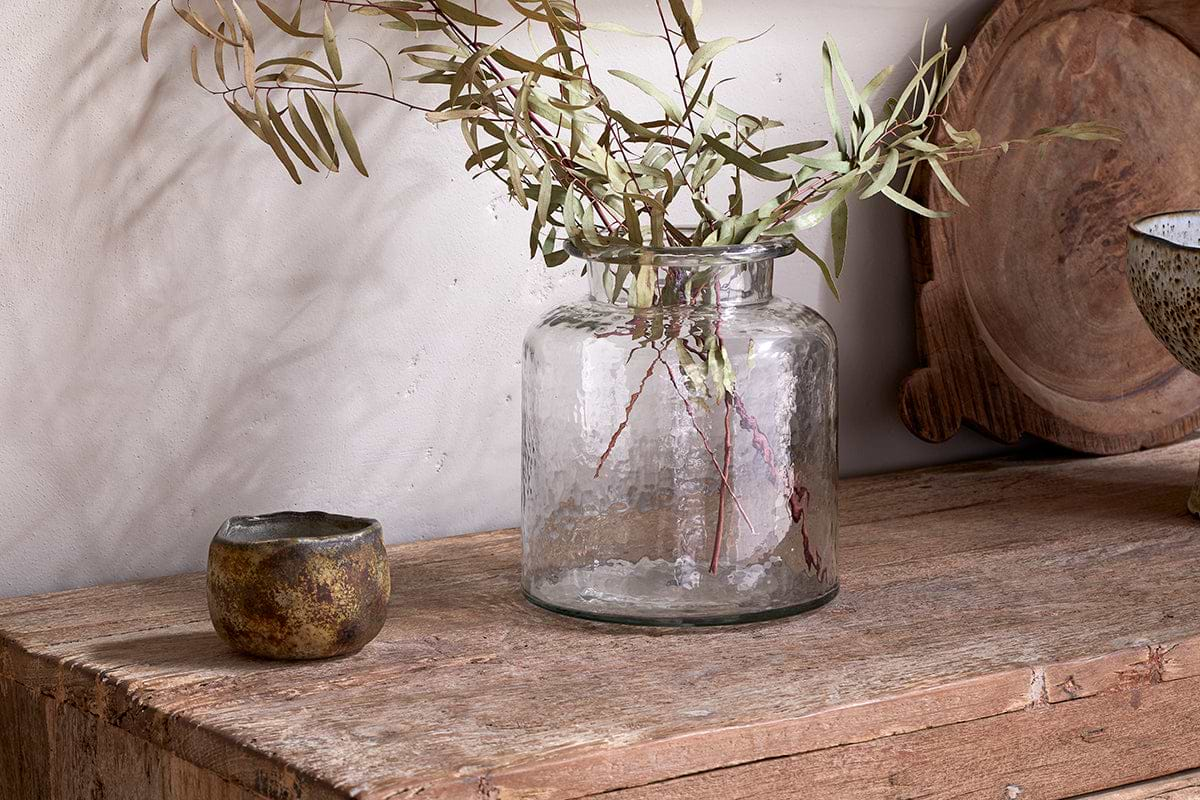
Akra Recycled Glass Vase
Clear cylindrical glass, pairs with stems or sits empty as a quiet accent.
View at Nkuku →Some links above are affiliate links. If you buy through them we may earn a small commission at no extra cost to you. We only suggest pieces we think fit a calm, lived-in home.
Free guide
The Calm Shelf
12 styling ideas to help you compose calm, balanced shelves in natural texture homes.