

Attic bedroom ideas usually start with a challenge: sloped ceilings, tight corners, and low light. Clothes pile up fast. Headspace near the eaves runs out even faster. The wrong furniture makes the whole room feel squeezed and unsettled, especially if you just moved in or are trying to reclaim extra space in an old house.
Today, you’ll find out what to keep and what to remove to turn an awkward attic into a calm retreat. The goal is a room you can settle into—no crowding, no coldness, and no lost sock zone behind bulky dressers. This works especially well in an attic bedroom with low ceilings when you use light textures and build in storage because less visual clutter brings more air and calm.
The short version: The most effective attic bedroom ideas use low beds, built-in shelves, and soft, pale materials to make low ceilings and sloped walls work for rest instead of fighting the architecture. Gentle placement, fewer objects, and a focus on horizontal lines change the whole mood of the room.
Key takeaways
- An attic bedroom works best with built-in storage fitted tightly to sloped walls.
- Keeping furniture low and simple keeps the ceiling from feeling lower than it is.
- Soft, pale bedding and curtains reflect light and reduce heaviness in small attic spaces.
- Adding a skylight or extra lamp prevents attic bedrooms from feeling dim or boxed in.
- Thermal insulation is essential for comfort, according to Sonno.
- Where this works best
- How do you choose furniture for an attic bedroom?
- What textures actually help low-ceiling rooms feel softer?
- Styling and placement
- How can you use light to make an attic bedroom feel bigger?
- What’s the best way to add storage without crowding the space?
- Why do horizontal lines matter in attic bedrooms?

Where this works best
An attic bedroom setup works best in rooms with strong slopes, low headroom, or dormer windows that make standard pieces difficult. Built-in storage and low beds turn tight corners into cozy sleeping nooks.
Low ceilings and angled walls usually show up in the cramped tops of older houses or a newly finished attic conversion. A central window, one exposed beam, or a long blank slope: those features drive the feel of your finished space. Some rooms get awkward light through only one side or a narrow dormer—others offer more openness, but lose usable wall height fast.
In a standard attic, extra space under the eaves often gets used for lost things—boxes, bags, whatever won’t fit elsewhere. The calmest rooms turn those tricky corners into soft, usable zones: a built-in drawer set that slides right to the edge, or a floor-level bed that sits low enough for you to sit up without bumping your head.
Avoid forcing tall wardrobes or heavy armoires under steep slopes. Those pieces stand out and block sightlines, making a small attic feel even boxier. Instead, work with the lines you already have, letting the room stay open around the floor and walls. Beds placed away from sharp eaves and shelves tucked under slants leave more air and fewer obstacles.
How do you choose furniture for an attic bedroom?
Attic bedrooms do best with furniture that sits low, skips sharp corners, and has a light look—think platform beds, slim shelves, or a soft pouf instead of a high armchair.
A floor-level bed works better under a sloped ceiling than a high headboard. Platform frames or even a firm mattress on a woven rug keep the eye level low, so the ceiling feels higher than it looks. Built-in nooks or anchored storage cubes tuck close to the walls, filling awkward spots without crowding the room.
For bedside or reading, a short floating shelf or a carved stool avoids tipping the balance. A chunky nightstand with legs poking upward can weigh the room down, while rounded corners soften hard angles made by the roofline. If the room has exposed beams, stick with wood in similar tones—mixed woods can create more visual “noise.”
Unlike heavy oak dressers, lightweight frames in birch or pine blend quietly with walls and don’t fight for attention against the ceilings. Before adding a desk or side table, check how much room the drawers need to open under the slope—that gap near the edge matters in daily use. Place movable storage away from entries so nothing blocks your path late at night.
What textures actually help low-ceiling rooms feel softer?
Soft, natural textures—like linen, felt, and unvarnished wood—absorb light and muffle sound, stopping echoes and making low-ceiling attic bedrooms gentler to use.
A flat-painted ceiling paired with wool throws on the bed takes the edge off hard surfaces. A jute rug laid under a low bed soaks up extra light, stopping glare and catching warmth from any morning sun. Window corners, often sharp and bare, look calmer with washed cotton curtains hung just wide enough to graze the floor.
The right touch helps: thin, glossy textiles can leave a room feeling colder than it is. Instead, a thick knit or even a faded quilt lays weight across bedding and calms restless corners in cool weather. Walls with whitewash or chalk paint look less harsh than synthetic gloss finishes, and prevent reflections from making the ceiling feel even lower.
Compared to shiny surfaces, matte textures show less dust and keep the room grounded. Hand-thrown clay bowls on a bedside shelf or woven baskets under a bench add storage and warmth—no extra clutter. Try a small handmade storage piece for a practical lift that doesn’t steal space or light.
Styling and placement
Styling attic bedrooms works best when you keep surfaces clear, repeat gentle materials, and use symmetry—one focal wall, matching baskets, or two plain lamps can settle the eye.
Keep decor gentle on the walls—too many frames or shelves under an angled ceiling tangle the room’s flow. A single piece of art or a low shelf with just a few objects carries more calm than lots of mismatched knick-knacks. Place main items, like the bed or desk, parallel to the widest wall if possible—trailing everything along the long axis of the room makes the space read wider, rather than taller or narrower than it is.
Colors matter. Monochrome or soft pastel bedding stretches space by not breaking up the visual field. Compare this to strong, patterned duvets, which cut the room into busy zones and shrink it further. One near-white cushion or a pale beige throw can change the mood of a room with just one simple swap.
Wood, linen, and rattan all absorb and bounce light differently, so repeating the same finish twice (a woven lamp, a rattan bench) stops a room from feeling patchy. If you swap nightstands for wall shelves, keep them at a matched height below the slope to anchor the room without adding bulk.
Quick calm checklist:
- Stick to two or three textures—such as linen bedding and a jute rug.
- Leave at least half the floor open for easy movement.
- Keep bright colors below eye-line, especially near dormer windows.
- Group objects—two baskets, two lamps—rather than scattering singles.
- Choose art or mirrors in a similar color as the main bedding or curtain.

How can you use light to make an attic bedroom feel bigger?
A skylight, dormer, or soft lamp placed beside the sloped wall brings more daylight into an attic bedroom and stops corners from feeling closed.
In attic bedrooms, direct window light is rare—most rooms gain light from one small end or a roof window. According to Sonno, skylights and ambient lighting are especially smart picks for bringing softness into awkward spaces. Soft shades, off-white curtains, and rounded lamps throw light deeper into eaves and soften harsh ceiling breaks.
A large lamp with a heavy shade can pull the room down—smaller lights with diffused covers, or LED ribbon lights hidden under a shelf, cast a gentle glow without taking over. Unlike standard ceiling fixtures, a floor lamp on a timer next to the bed lets you keep the room calm and flexible for reading or winding down at night.
Try pairing white sheers with a wall-mounted sconce on the darker edge. Place mirrors opposite any window or skylight, but keep frames slim so the reflection stays soft. That little shift opens the space and makes corners less shadowed, brightening every surface.
What’s the best way to add storage without crowding the space?
Built-in drawers, under-bed bins, and shelves that hug the slope offer more storage in attic bedrooms than free-standing furniture.
Attic bedrooms work best with hidden storage—anything too bulky can box the space in right away. Flat baskets under a floor-level bed or a long, shallow drawer set along the eaves keep shoes, bedding, and off-season clothes out of sight. Built-ins done in white or pale wood nearly disappear, so the wall doesn’t break into pieces.
Off-the-rack wardrobes often stick out awkwardly into walkways. Instead, a custom open shelf or a narrow clothes rail under the highest part of the slope frees up more floor space and easier access to everyday things. This principle also applies to nightstands—an open floating shelf beside the bed stores books and a lamp, but keeps feet clear for getting up at night.
Compared to a packed closet, a simple rail plus basket setup means less wasted space and no digging for items lost in dark corners. Wide, low drawers or baskets arranged against the longest wall store more with less clutter—especially in children’s or guest attic bedrooms.
| Storage type | Space needed | Visual effect |
|---|---|---|
| Built-in drawer | Under eaves | Blends in |
| Floor basket/trunk | Open floor | Adds texture |
| Open shelf rail | Tallest wall | Keeps air clear |
| Free-standing closet | Needs clearance | Blocks flow |
For more inspiration, see small bedroom storage for simple, airier ways to store daily items.
Why do horizontal lines matter in attic bedrooms?
Horizontal lines—made by a low bed, bench, or pendant—stabilize an attic bedroom by drawing the eye wide along the longest wall or floor, not upward toward tight ceilings.
Attic bedrooms feel taller and less boxed in when beds, benches, or long shelves run parallel to the main floor, not stacked vertically. Horizontal lines act as visual anchors. If too many objects pull upward, the low ceiling crowds in on you—beds that stretch wall-to-wall, long shallow drawers, or a run of hooks placed at waist height push attention sideways, expanding the space visually.
Unlike tall cabinets or stacked decor, horizontal repeats—two baskets in line, a ledge holding books—keep each side of the room in balance. Even a narrow rug or band of wallpaper pulls the glance across, softening random angles. This principle keeps awkward corners from feeling cut off and lets the whole room read as one flow.
Try a long, slim bench under the slope, or paint a monochrome band along the wall to echo the edge of a raised beam. These lines ground furniture and keep every part of the attic usable, no matter how much headspace you have left.
Usually, the first time you settle into a finished attic bedroom, something feels slightly off—either the space is too heavy near the furniture, or there’s not enough “breathing room” to use corners calmly. The fix is less about adding things and more about subtracting: limiting colors, keeping most storage hidden, and placing the bed low. The shift is real. The floor opens up, mornings start with less shuffle, and the room finally stops feeling like overflow storage. For example, picking a single focal point—like a built-in under-eaves nook or a cushion in one strong shade—can quiet the room and stop the chaos at the door.
Many try to fix attic bedrooms by squeezing in more storage or taller dressers, but this only makes the space feel busier and reduces usable headspace. When a room gets crowded, it can feel unsettled, especially when natural light is already limited. Instead, a single built-in along the sloped wall, bedding in simple tones, and one repeated texture shift the mood for good. Save this idea for later.
What tends to hold up with attic bedroom styling
Soft materials like linen and warm wood have proved reliable in attic bedroom styling—they draw attention away from hard lines without demanding notice themselves. Reviewers often mention that pale, flat finishes on walls and shelving reflect limited daylight better than gloss, especially in rooms with only one skylight or window.
Decorators consistently suggest starting with the minimum: low storage, simple bedding, and one main zone for sleep, then adding personal touches. Designs that use matched pairs—a pair of light lamps, two storage bins—usually age better and show less visual mess day to day. Matched heights and repeated textures anchor the space when ceiling height and angles keep changing.
— Mara, Loom & Glow
Common questions
How do you style an attic bedroom?
The best way to style an attic bedroom is to use low, simple furniture, soft bedding, and a limited color palette. Built-in shelves and storage make use of sloped walls, and the bed feels better if kept away from the lowest edge. Small details like a woven rug or a clay bowl on a floating shelf help soften sharp angles.
What are the key steps to turn an attic into a bedroom?
The key steps are adding proper insulation, checking ventilation, installing safe access, and choosing storage that fits under slopes. Start with thermal and soundproofing insulation, according to Sonno, then add flooring, build in shelves, and select bedding that matches the room’s light and texture. Simple choices last longest.
How can you keep an attic bedroom warm in winter?
The best way to keep an attic bedroom warm is to use thermal insulation under floors and in the ceiling, plus draft stoppers at doors and windows. Thicker rugs, linen bedding, and heavy curtains add another layer of warmth and comfort. Avoid big gaps near eaves and keep windows sealed for best results.
What type of flooring is ideal for an attic bedroom?
The ideal flooring for an attic bedroom is soft, warm underfoot, and light in color—most people choose wood, cork, or a thick rug. Solid wood or laminate handles changes in humidity, while wool or cotton rugs add comfort and muffle footfall. Avoid heavy tiles, which can feel cold and raise weight on old joists.
Explore more calm combinations inside our Shop The Look .
Shop the Look
A few Nkuku pieces that work well in tight attic spaces with sloped walls and limited floor room.
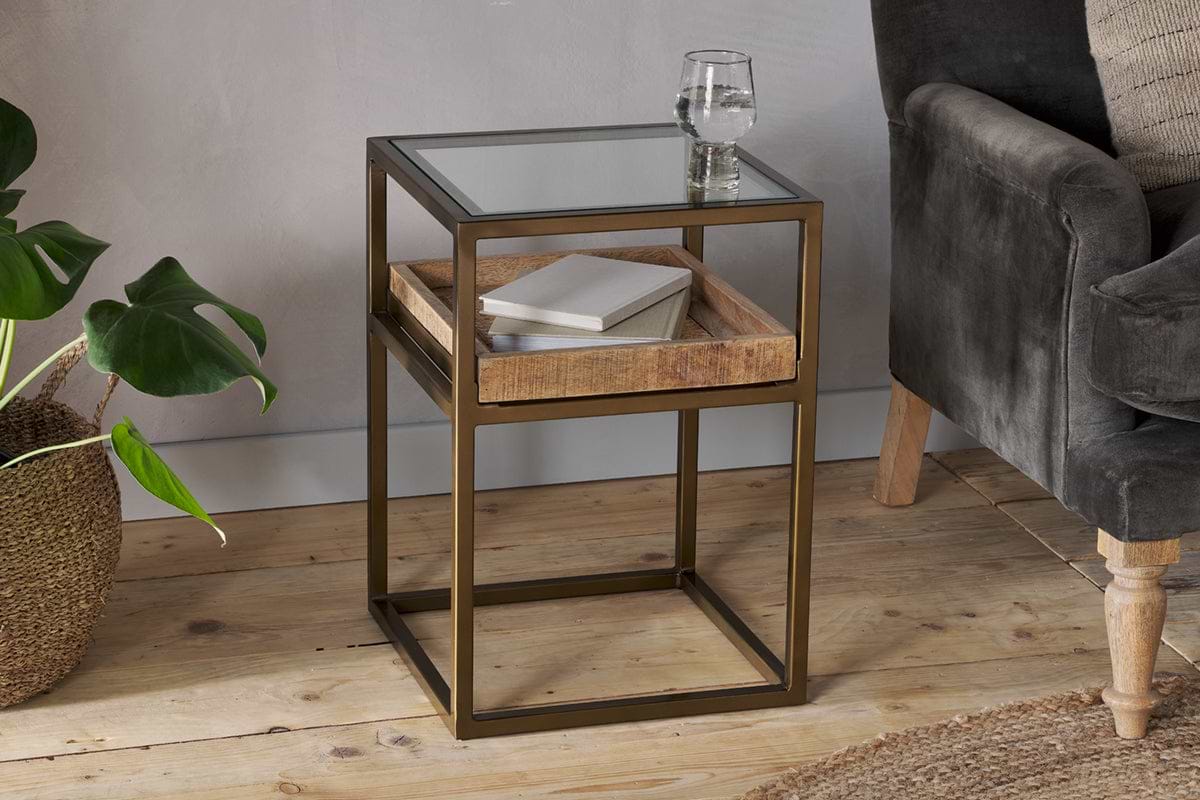
Luzon Side Table
Iron and mango wood with display shelf — small footprint, double function.
View at Nkuku →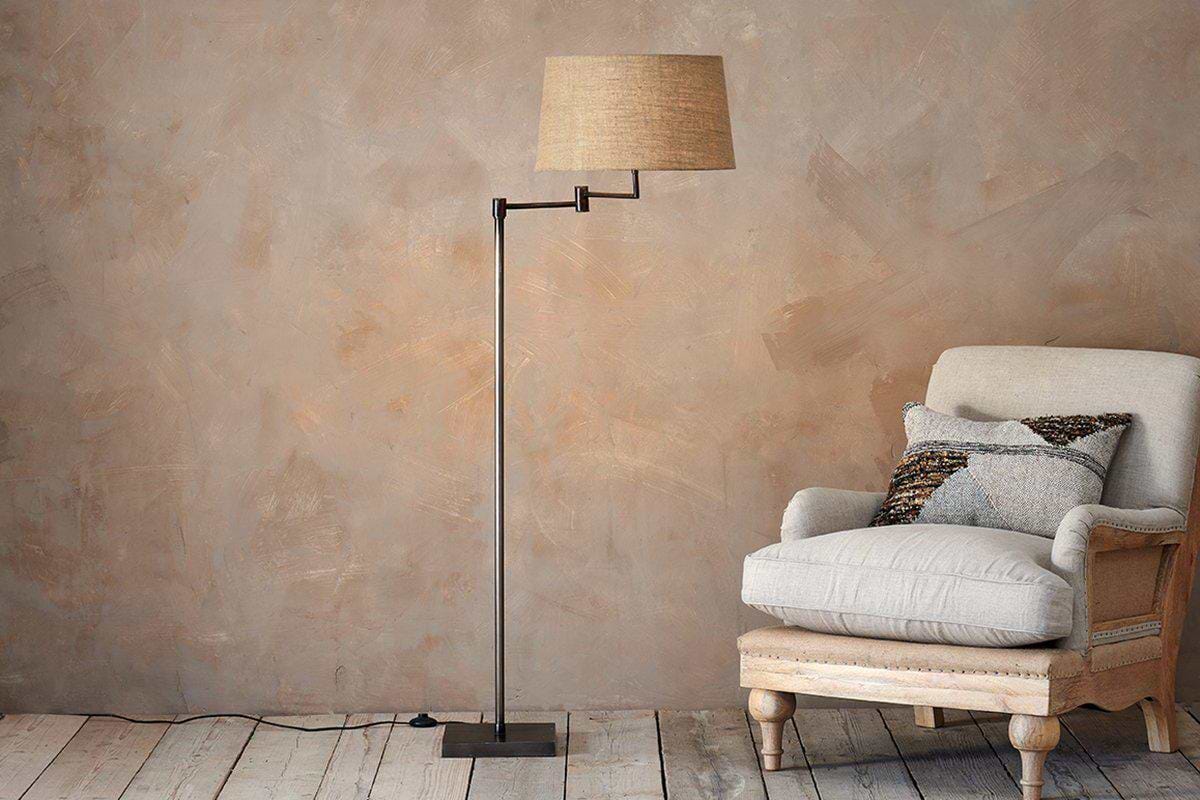
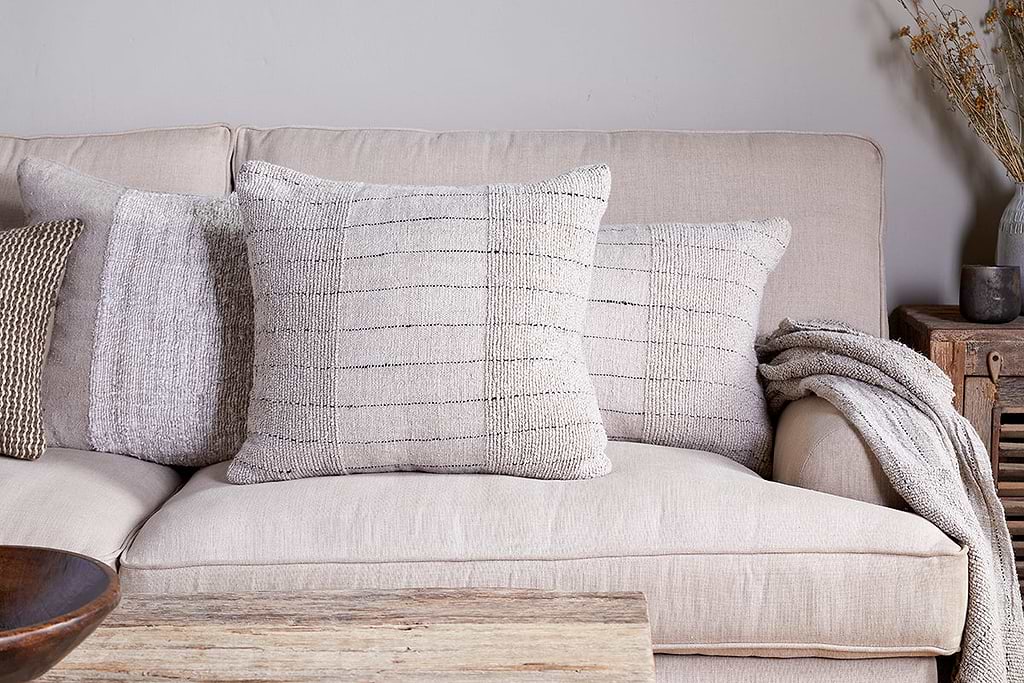
Mayla Cushion Cover
Soft hand-textured cover — instant warmth on linen sofas or chairs.
View at Nkuku →Some links above are affiliate links. If you buy through them we may earn a small commission at no extra cost to you. We only suggest pieces we think fit a calm, lived-in home.
Free guide
The Calm Shelf
12 styling ideas to help you compose calm, balanced shelves in natural texture homes.