

Too many pinterest bedroom ideas suggest huge beds or built-in features that work fine in big homes, but not in a small bedroom or rented flat. Most of the time, those images leave out awkward radiators, dim corners, and the very real issue of what you can actually change without drilling or painting walls.
The simplest bedroom adjustments can feel impossible when every pin assumes you own the place, or have room for a wall of closets. Today, you’ll pull a handful of clear ideas from Pinterest — the ones that actually fit in real rooms and follow real-life rules. This works especially well in a rental or shared bedroom when storage is limited because each change either uses space you forget or relies on easy-to-move pieces.
The short version: Most pinterest bedroom ideas can work in small rentals if you choose only portable fixes—like low lights, single textured surfaces, or a slatted headboard—that do not rely on permanent changes. This approach means your room looks calm, works day to day, and nothing is wasted when your layout shifts.
Key takeaways
- Bedroom ideas from Pinterest often need adapting before they suit a rental or small space.
- A space feels calmer if you pick one textural or focal change instead of many small decorations.
- Picture molding and removable panels are renter-friendly ways to add visual structure.
- Lighting with a warm bulb and closed shade looks softer than sharp white or bare bulbs.
- Master bedroom pins focus on fewer, larger decor pieces to avoid visual noise.
- Pinterest’s Bedroom Problem: Inspiration That Doesn’t Fit Your Room
- Where this works best
- How do you use picture molding in a rental bedroom?
- What makes a minimalist headboard feel inviting?
- Styling and placement
- How can you reduce bedroom visual noise fast?
- Which lighting shifts change the mood of a small bedroom?

Pinterest’s Bedroom Problem: Inspiration That Doesn’t Fit Your Room
Most Pinterest bedroom ideas show wide, uncluttered spaces, but real rooms have limits like odd walls and rental rules. Adapting an idea means focusing on what is removable, reversible, and works with your existing size and light.
Small bedrooms often have an awkward window, an immovable radiator, or a bed that barely fits the room. Most pins skip these details, so the inspiration falls flat once you try to move things around at home. The main difference is rental living forces you to make changes without drilling or painting, so your options narrow to what sits on the surface, not in the structure.
Pinterest usually shows walls dressed up with huge art, intricate paint tricks, or built-in shelves. In a real flat, that means sticky picture strips, light furniture, and quick fixes like a draped textile or a tall floor lamp. Unlike a full repaint or a fixed wardrobe, these changes move with you and do not damage the walls when you go.
Trying to copy an exact pin, most renters hit a point where the room looks crowded, or the layout fights the door swing. A single oversized throw or a low daybed solves more than scattering lots of tiny pillows, because it adds stable structure and still works in the next flat.
Choosing one key calm feature—like a plain wooden headboard or a closed storage basket—anchors the room so even when space is tight, nothing feels lost or clashing. This reduces the urge to fill every surface and keeps every use simple, not busy.
Where this works best
The small bedroom, shared flat, or rental with strict rules all benefit from portable, reversible bedroom ideas. Choosing easy-to-move pieces handles the limits of both size and ownership.
These calm Pinterest bedroom ideas suit rentals, small bedrooms, or even split-use spaces like a guest room that turns into an office. In rooms where you cannot patch walls or swap flooring, portable objects are the only real way to make change. The power comes from workable pieces: a slatted headboard that leans, a light that plugs in, a solid bench at the end of the bed.
In practice, this means using furniture and decor made from natural textures like linen, jute, or unfinished wood. They cast soft shadows and wear in a way that feels settled without needing constant care. With color, sticking to a quiet palette allows even a single basket or lamp to look planned, not scattered.
Avoid putting large, rigid systems like wall wardrobes in a room that can only handle a small bedside table or trunk. These pieces dominate the ground and draw attention to how little space you have, rather than making the best of it.
How do you use picture molding in a rental bedroom?
Removable picture molding strips, fixed with adhesive, mimic traditional wall trim without leaving marks or holes. The visual structure they add helps fake height and shifts the focus from floor clutter.
According to Pinterest users are searching for bedroom ideas featuring picture molding on walls in 2026, but permanent millwork is never a rental option. Instead, lightweight, foam-based picture molding can be trimmed with scissors and attached using removable adhesive—meaning it comes down clean for your exit inspection. On a pale painted wall, just a few strips near the ceiling draw the eye up, offering structure without closing the room in.
In a master bedroom, vertical molding frames the headboard, making even a narrow bed look balanced. Unlike full wall paneling, which demands tools and multiple people, a single row of molding highlights the wall you want, giving shape without the mess or risk.
This works especially well above low beds or behind a desk zone, where it gives a sense of layout even in the smallest rooms. A bare wall with nothing but hooks often feels unfinished, while just one band of picture molding adds rhythm and focus.
Use this method in a room where art feels out of place or permanent install is impossible; it works best on plain, flat walls in soft colors.
What makes a minimalist headboard feel inviting?
A slatted wood headboard adds visual width and warmth without bulk, and the open slats keep small rooms from looking closed or heavy. Choose pale wood for a soft, non-intrusive look.
Minimalist bedroom ideas, including slatted headboards, draw a lot of attention on Pinterest’s bedroom boards. Unlike deep, upholstered beds that fill the entire wall, a thin slatted headboard works well even when your bed rests against a radiator or low sill. It only needs to be tall enough to catch the window’s light or the lamp’s shade, not full height—so it avoids making the whole corner feel closed in.
Slatted wood changes the way light lands in the room, catching early sun without sharp glare. The gaps in the slats allow air and vision to pass, so the furniture never blocks your view or breaks up airflow in a tight spot. Instead of a flat panel, the shadow play keeps things soft and adjustable—no special mounting needed.
Compared to padded headboards, which are hard to clean and quick to stain, a simple slatted style wipes clean and gets warmer as it ages. The pale wood suits a Scandinavian palette and helps a rental stay neutral, so even bold bedding won’t look chaotic.
This choice anchors a bed in a small or master bedroom, no matter where the outlets or window fall, and it plays well with plain furniture or textured throws.

Styling and placement
Calm bedroom styling starts with spacing—leaving at least one side of each major furniture piece clear. Repeat one natural material in different spots for quiet balance.
Unlike busy gallery walls or scattered decor, keeping the number of surface objects low means dusting and tidying actually fit your day. The floor feels lighter if only minimal objects touch it, while a single wooden stool works harder than three small tables. Most calm bedrooms in popular pins use a focused palette: two colors for linens, one material repeated (such as jute or pale oak), and a small group of low, closed baskets.
If your bed is against a wall, set the lamp or books in a row, not a cluster, to avoid visual crowding. Pale curtains left long soften the window’s profile and draw the eye away from any quirks, like off-center sills. A well-placed bench at the end of the bed helps with storage and folding, without filling the airspace that makes a room feel breathable.
Compared to stacking wall art or fitting multiple rugs, repeating the same material (like linen bedding and a matching blind) reads as finish, not excess. Every object you leave out serves a need and keeps the edges of the room flexible for changes.
Quick calm checklist:
- Choose at least one repeated material, like linen or jute, for bedding and baskets.
- Leave space on either side of major furniture (bed, shelf, wardrobe) for light and cleaning tools.
- Stick to two calm colors for most textiles—white/cream plus a dusty neutral works best.
- Keep shelves and tables less than half full to avoid clutter.
- Use closed baskets to hide cables and daily mess.
Set up your main pieces first, then add soft objects last to keep every corner easy to use.
How can you reduce bedroom visual noise fast?
Reducing visual noise in a small bedroom is as simple as using one textured object—like a jute basket or clay lamp—on each surface, and removing unneeded decor. One textured item per zone reads calmer than scattered, varied objects.
Low-contrast, natural surfaces like woven baskets, linen bedding, or unpolished stone stop the eye from stuttering across lots of little shapes and colors. If your room feels fussy or filled with tiny patterns, let one big basket or single vase anchor each surface. Too many mixed textures and bright colors make a room busy; fewer, larger natural pieces let surfaces look open and settled.
A bare shelf reads colder than one with a single woven basket; the basket draws the eye and catches morning light, while a row of collectibles just looks cluttered. In a bedroom, a properly-sized basket usually runs about £10–£20 and hides spare chargers or daily mess easily—practical, not just decorative.
This is why small bedroom storage always suggests closed or textile bins for surface clutter. Compared to open trays or dish displays, a closed container signals “nothing extra here,” which settles the look for sleep and morning reset.
Group the softest, most textured object in the corner that catches the least light. The contrast draws attention to neatness, not accumulation.
Which lighting shifts change the mood of a small bedroom?
A small bedroom feels warmer and calmer with a single, shielded bulb in a low lamp, compared to ceiling lights or bare bulbs. Soft shadows reduce harsh corners and flatter fabrics in any light.
Most master bedroom pins focus on side lighting or floor lamps that plug in behind the bed or shelf, skipping overhead lights. A lamp with a fabric shade or mirrored base reflects color softly and makes rooms with low or off-center windows feel less stark. In a rental or small space, lighting shapes the feeling of safety and warmth faster than nearly any other fix.
Low lighting works better in the evening, reducing glare on pale walls and making natural textures—like a clay lamp base or woven shade—stand out. Compared to open bulbs or strip LED, which can turn a room clinical fast, a closed shade keeps the focus low and soft.
Most calm bedrooms measured by professionals use just two light sources per room: one at bed height and one near the wardrobe or door. A surface lamp with a warm bulb costs little to run, and the swap-out is reversible for rental living.
Try a single lamp placed near your favorite furniture piece—bed, reading chair, or shelf—and see the texture and calm tone reflected clearly at the end of each day.
There’s a moment—usually late, when you turn on the main light and stand by the bed—when a small bedroom just feels off. Nothing sits together; the shelves catch your eye in the wrong way, or the splayed lamp cord tugs your focus from the floor upward. You move a basket, then three more things still look wrong.
Often, this “off” feeling comes from too many kinds of storage, scattered textiles, or pivoting between bright and dull light. This is common because rental rooms change shape fast, making clutter collect in different places each week. A single bold piece, or a controlled palette, corrects the mood in minutes by stopping your eye in one spot and letting calmer surfaces blur away.
The room settles when you pick one repeated texture—like low linen curtains and a linen bench—or gather loose storage into a small zone, out of sight. Once the right calm piece lands in your room, mornings and evenings take less energy, and the bedroom stops nagging for constant adjustment.
Save this idea for later.
What tends to hold up with pinterest bedroom ideas in small spaces
Over many room reviews and client questions, one point repeats: ideas that ask for big architectural change rarely go the distance. Simple, natural pieces and limited palettes age much better. Matte finishes get recommended again and again for shelves near windows, because they don’t catch glare the way a glossy tray does. Portable objects and soft textures not only survive moves but also adapt easily to seasonal or layout shifts. If a piece doesn’t work in the new flat, it’s only a swap—not a sunk cost, paint job, or ruined wall.
— Mara, Loom & Glow
Common questions
What are the key bedroom decor trends for 2026?
The top bedroom decor trends for 2026 are flexible wall treatments, slatted wood headboards, natural textures, and warm, low lighting. These trends fit flats and rentals because they focus on portable fixes and gentle, reversible changes without permanent commitment.
What is a new bedroom trend that works in small spaces?
The daybed-desk combo is a new trend that fits small bedrooms well. This setup uses one wall for both sleep and work, saving ground space and making shared rooms easier to rearrange for different needs.
What are the UK bedroom trends for 2026?
UK bedroom trends for 2026 highlight removable picture molding, pale linen textiles, closed storage baskets, and neutral palettes. These shifts allow renters and small-space dwellers to keep rooms soft and unified with very little commitment or mess.
How can I make my bedroom look nice on a budget?
Swapping in one natural-textured piece—like a jute basket or linen throw—makes the biggest difference on a budget. Focus on removing clutter and using closed storage to keep the room light, then choose one calm color for new accessories or bedding.
Explore more calm combinations inside our Shop The Look .
Shop the Look
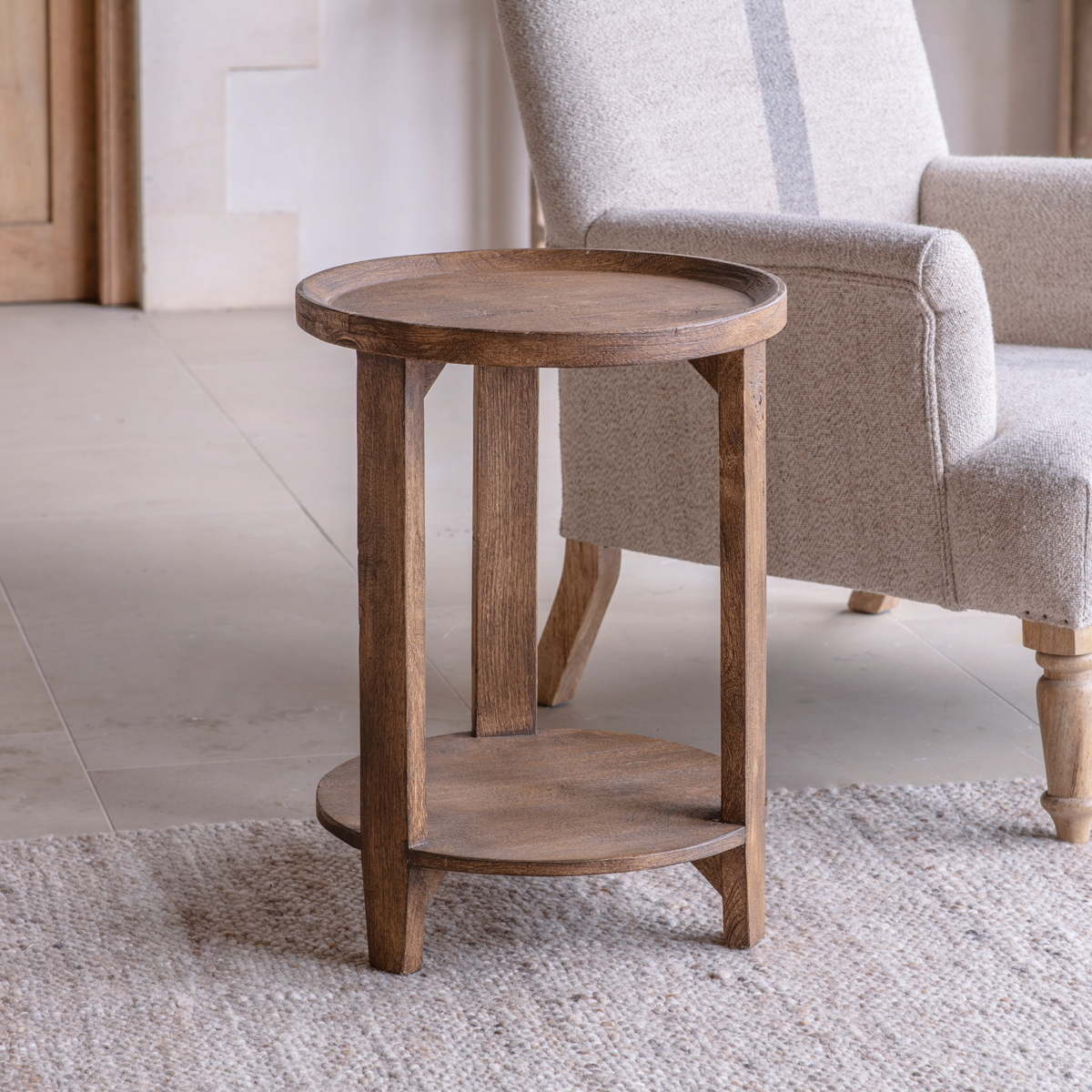
Space-conscious Nkuku pieces that work beautifully in a minimal single or double bedroom.

Nkomi Basket
Woven storage with a calm silhouette — works open or tucked under a console.
View at Nkuku →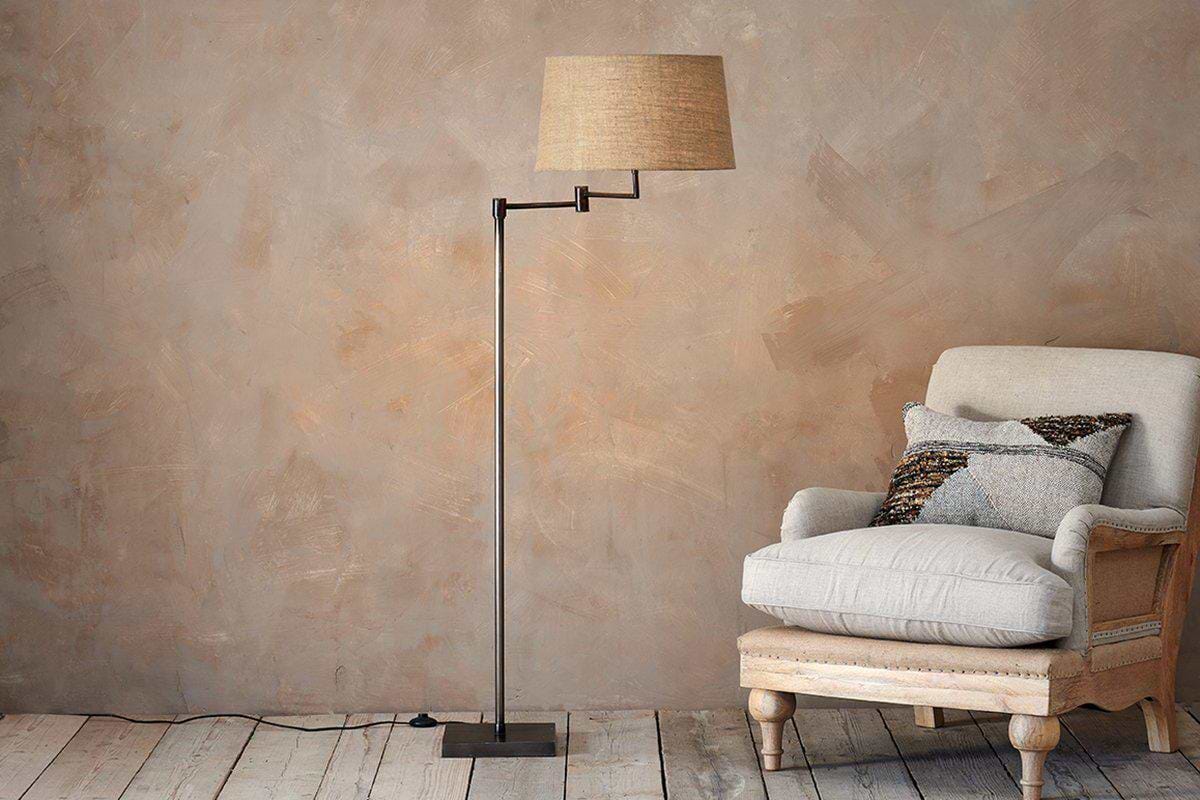
Some links above are affiliate links. If you buy through them we may earn a small commission at no extra cost to you. We only suggest pieces we think fit a calm, lived-in home.
Free guide
The Calm Shelf
12 styling ideas to help you compose calm, balanced shelves in natural texture homes.