

Most people only notice their wall when something feels wrong, dark corners, a long blank area, or a shelf clutter that makes the living room busier than it should be. A wall left undone in a small home can either pull you in or leave you cold, depending on how it’s treated.
This guide helps you figure out what you actually need, art, mirror, tile, a storage wall, or greenery, based on your own room. This works especially well in apartments with low light when you need to open up the space visually because it shifts focus from what doesn’t work to what calms and anchors the room.
The short version: The best wall idea always solves a specific real problem, like darkness, clutter, or heavy furniture, rather than copying what works in a photo. A wall works as a tool to quieten, brighten, or organize a space by matching what the room actually needs.
Key takeaways
- A wall mirror instantly brightens a dark corner by reflecting both natural and lamp light.
- Living wall panels soften a boxy room and work in low-light spaces with hardy plants.
- Large format wall tiles reduce grout lines and help a small bathroom feel more open and less busy.
- A gallery wall reads cleanest when there are fewer, larger frames, too many small pieces bring visual clutter.
- Wall units with closed storage help living rooms stay calmer and pick up less daily mess than open shelves.
- Why ‘wall’ as a search term hides a much more specific problem
- The most common wall mistakes in small and rented living rooms
- Where this works best
- Gallery walls that look styled, not cluttered
- How do you use a wall mirror to fix a dark or boxy room?
- What is the best wall unit for living rooms that need storage?
- Styling and placement

Why ‘wall’ as a search term hides a much more specific problem
People search “wall” when their room feels off, but the problem is nearly always clutter, darkness, or lack of a focal point. Every wall decision starts with naming what’s missing or what’s too much.
In many homes, the question isn’t really about the wall at all, it’s about what feels wrong in the room. A bare entryway stretch can feel cold, while a bulging gallery behind the sofa can look overwhelming in a small apartment. The search for a fix starts with naming whether the room feels too heavy, too empty, or too dim.
The difference between an awkward space and a calm one often comes from changing the size or style of one wall feature, not adding more. Compared to copying a Pinterest photo directly, starting with your room’s weak spot leads to better choices, fewer mistakes, less trial and error.
A narrow hallway with windowless walls won’t suit the same solution as a sunlit studio that needs separation. Rooms always reward honesty about what needs help before style comes into play. A wall feature only helps when it solves the actual problem.
The most common wall mistakes in small and rented living rooms
Small living rooms and rentals often end up with crowded art or too many open shelves, which highlights clutter instead of calming the space. Pick one statement wall idea rather than layering several trends.
Renters add peel-and-stick wallpaper over old paint, then hang floating shelves, small mirrors, and lights. The intention is good, but too many features make every corner ask for attention. In a small room, a busy wall grabs the eye and leaves the space feeling squeezed.
Unlike open-plan rooms that can handle a bolder feature or colorful mural, boxy living rooms benefit from fewer, larger wall pieces. A single large wall mirror can reflect the entire room and quiet stray details at once. A slim wall unit hides mess better than open cubes that show everything.
If the wall is near the door, avoid hooks and racks unless there’s hidden storage for coats and bags. More often, calm means subtracting, not layering on every quick-fix. Simpler choices keep the room lighter day to day.
Where this works best
Wall ideas work best in rooms with a problem: a narrow layout, a lack of natural light, or little built-in storage. Simple focal points suit these spaces because more details make them feel smaller.
Boxy living rooms, small bedrooms, and windowless hallways typically struggle with blank stretches or too much function crammed onto a single wall. Rental apartments also tend to have hard boundaries and pale paint, making any new texture or focal piece noticeable.
Centering a feature, like one full length wall mirror or a paneled section behind the sofa, anchors the space without scattering attention. A low plant shelf or tidy single row of art gives purpose to zones that otherwise collect random objects.
Avoid trying to squeeze every idea onto one wall. A crowded unit or layered decals can make a long wall read as clutter, not comfort. Choose one main use per area for the clearest result.
Gallery walls that look styled, not cluttered
A gallery wall with just a few large, related frames looks calmest, while a scatter of many small pieces quickly starts to feel messy. Stick to one type of frame or artwork for ease.
Gallery walls are popular, but most rooms don’t suit more than 3-4 well-chosen pieces. Too many art prints, family photos, or souvenirs fill a small area fast. One large abstract or calm landscape sets tone better than trying to tell a whole story in a meter of space.
The practical reason: Similar tones and finishes keep the wall from feeling jumpy. A wood frame next to black and silver never looks as soft as a whole set in blonde oak. Gallery walls work best with simple, flat mats (or none) and spacing that leaves plenty of visible paint around the group.
Compared to “salon style,” lining up two or three horizontal frames above the sofa is easier on the eye. A single shelf for frames or art books gives flexibility and avoids nail holes on rental walls, which makes it easy to swap pieces without new marks.

How do you use a wall mirror to fix a dark or boxy room?
A wall mirror brings light deeper into the room, especially when placed across from a window or lamp. In a narrow room, a vertical mirror breaks up the length and makes the space feel wider.
In living rooms and side halls, a wall mirror changes the whole mood by reflecting whatever softens the space most, greenery, daylight, even fabric drapes. The glass bounces both sunlight and lamp glow, helping a dark nook feel less boxed-in. Most large wall mirrors for living room use are designed to stand tall so a seated person sees both room and window behind.
When deciding between a full length wall mirror and a standard size, the height of the mirror matters: full length covers head to toe, while wide but shorter pieces suit above-sofa or entry walls. Too small a mirror gets lost; too large crowds a tiny apartment.
Unlike a wall of art, a mirror calms the mood by bouncing existing colors and making boundaries less harsh. A woven or wood frame warms up metal or glass, but matte edges also keep reflections soft and not cold at night. Place a mirror where its reflection earns its space, a plant or soft textile in sight works best.
What is the best wall unit for living rooms that need storage?
Closed wall units hide clutter and anchor storage without making the room feel heavier, while floating pieces keep the floor line visible and the space open. Choose a low-profile style for tight living rooms.
Wall units for living room storage fix two problems at once: they lift mess off the floor and cut down on open shelving, which tends to collect odd objects. Closed doors in a wood finish read lighter than dark lacquer, and drawers keep toys and cords out of sight. Floating units, attached just above the floor, not touching it, help the room look taller.
Compared to bookcases and open cubes, a single run of cabinets keeps the look quiet. Most designers suggest keeping about two-thirds of the upper wall empty above the unit to let the room breathe, a tip often repeated by apartment stagers trying to make small spaces feel bigger.
A small sideboard or modular cube wall works best in shared spaces, where pets and kids ride past every surface. Keeping the lower level of shelving closed means less visual mess day to day.
| Wall Unit Type | Best For | Downside |
|---|---|---|
| Closed cabinet (floating) | Small rooms, limited mess | Less display space |
| Open shelving | Book display, easy access | Can look busy fast |
| Low sideboard | Shared living, rentals | Needs clear floor in front |
Styling and placement
Styling a wall works best when every piece relates in color, weight, or texture, and there is generous breathing space between items. Fewer, larger elements keep the wall calm and useful.
Start with what already sits on or near the wall, a sofa, console, or window. Place the feature (art, mirror, wall unit) in direct relationship with these, so nothing floats randomly. Color is practical here: repeat tones from nearby textiles or flooring for instant match, rather than forcing a big accent.
Mixing natural materials makes every wall read softer. Linen wall hangings, pale oak shelves, or soft wool throws layered over a bench build contrast against painted plaster. Compared to gloss finishes, using matte or lightly textured materials prevents glare and feels warmer in low light, especially with early morning or late afternoon shadows.
Layout matters: A wall feature works best when it sits at eye level and leaves open space above and below. A heavy element above eye line makes a room feel shorter, while something too low feels unfinished. If you’re layering items, the lower anchor goes in first, with art or mirror higher up, and keep the overall palette narrow.
Quick calm checklist:
- Choose matte frames or panels to avoid glare, especially near a window.
- Space art or shelves with plenty of wall visible around and between each item.
- Limit the number of finishes (wood, fabric, metal) for a softer look.
- Keep large wall mirrors for living room areas on walls that face natural light sources.
- Always relate colors to your main furniture or floors, repeat, don’t clash.
Finishing with clear space lets walls breathe, which is almost always what’s needed in tight, multi-use rooms. The best-styled wall in an apartment is the one that feels useful and fades into the background as often as it catches your eye.
There’s usually a moment after a move or a big clean when you’re standing in the living room and something still feels busy, flat, or unfinished, sometimes even just from a blank wall or a piece you know isn’t working.
The practical shift: naming which single feature the room needs, a mirror for light, a reliable shelf, or one strong artwork, then matching materials and shapes to what’s already there. This anchors the space and lets the rest of the room settle down.
Many homes double up on fixes: small frames everywhere, lots of temporary hooks, or painted panels that don’t match the rest of the room. The result is a wall that never quite settles, sometimes feeling busy in daylight, sometimes just lost at night. People often stack new ideas on top of old, without ever starting fresh.
The moment a wall is styled with one main piece and supporting calm textures, the room changes, open, lighter, and much easier to keep tidy.
Save this idea for later.
What tends to hold up with wall solutions in real homes
The strongest results come from matching size and material to the real constraints of the room. Reviewers and designers both say large pieces, whether a wall mirror or closed storage, bring more calm than many small ones. Matte finishes get recommended again and again for rooms with sunlight or multiple lamps, since gloss and mirrors can bounce glare and look colder at night than wood, unglazed tile, or linen. In rooms that feel busy even when clear, reducing visible detail, fewer frames, larger tiles, smooth cabinet faces, works best.
Surfaces and layouts change most when one element leads and the rest follow. People who keep wall plans simple tend to find it easier to live with them, with less need to rearrange over time.
, Mara, Loom & Glow
Common questions
How do you use a wall mirror to fix a dark or boxy room?
A wall mirror brings light deeper into the room, especially when placed across from a window or lamp. In a narrow room, a vertical mirror breaks up the length and makes the space feel wider. In living rooms and side halls, a wall mirror changes the whole mood by reflecting whatever softens the space most-greenery, daylight, even fabric drapes.
What is the best wall unit for living rooms that need storage?
Closed wall units hide clutter and anchor storage without making the room feel heavier, while floating pieces keep the floor line visible and the space open. Choose a low-profile style for tight living rooms. Wall units for living room storage fix two problems at once: they lift mess off the floor and cut down on open shelving, which tends to collect odd objects.
Explore more calm combinations inside our Shop The Look .
Shop the Look
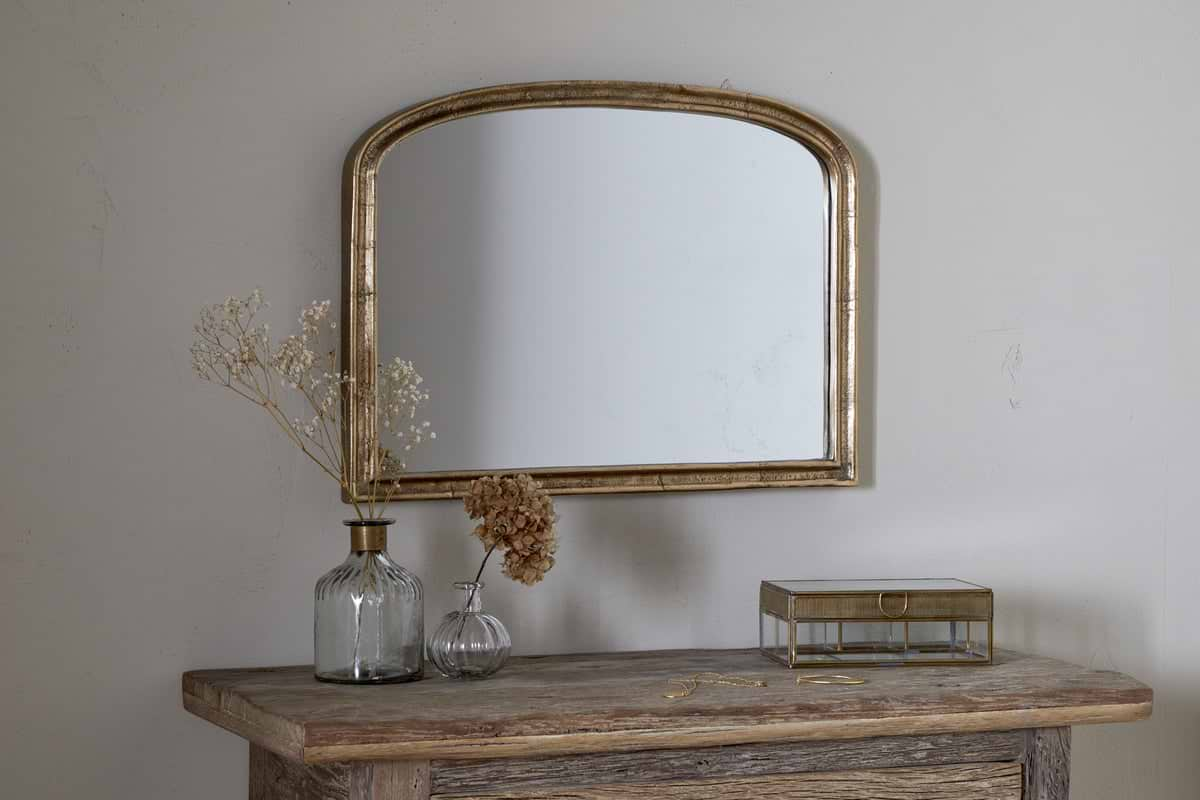
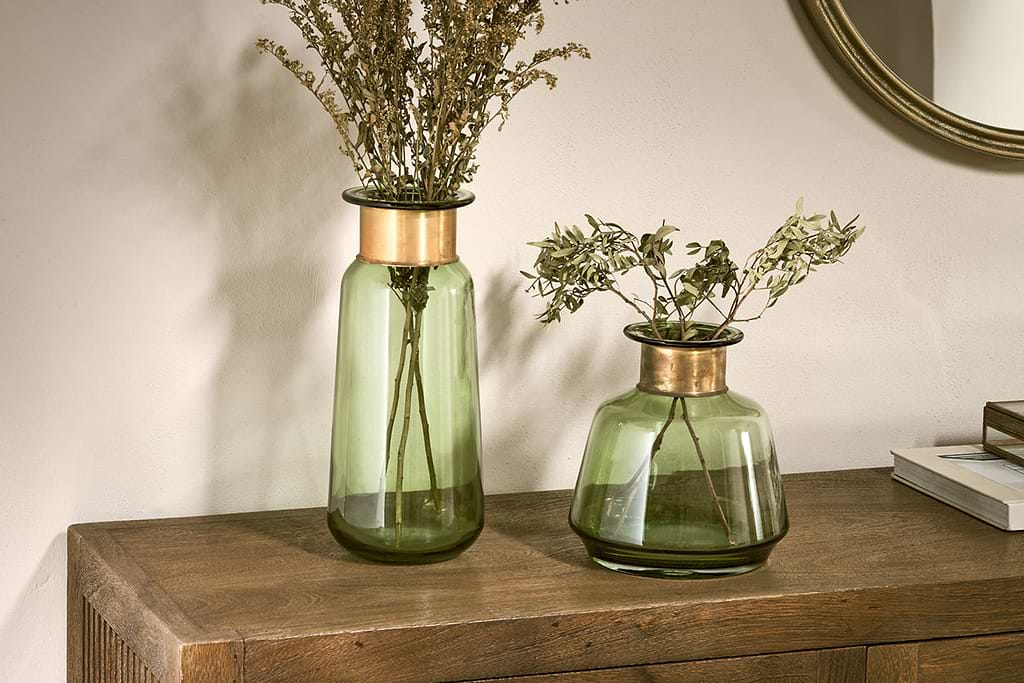
A small mirror and soft glass vase bring quiet light and presence to a gallery wall.
Some links above are affiliate links. If you buy through them we may earn a small commission at no extra cost to you. We only suggest pieces we think fit a calm, lived-in home.
Free guide
The Calm Shelf
12 styling ideas to help you compose calm, balanced shelves in natural texture homes.