

Spare bedrooms often end up as cluttered storage or neglected guest spaces, and any search for spare bedroom ideas quickly turns up the same awkward multi-purpose rooms that never quite work. It’s a struggle to create a spot that feels restful but still handles work, hobbies, or last-minute guests, especially in a small home with little extra storage and limited floor space.
The good news is, choosing one main purpose for the spare bedroom changes everything: you’ll see what to keep, what to clear, and how to use the right materials and design moves to layer in those secondary uses. This works especially well in smaller homes when the only spare room sits off a busy hallway because avoiding visual noise helps the whole house feel calmer.
The short version: The best spare bedroom ideas pick one clear function, like work, sleep, or hobbies, then use storage, colour, and flexible furniture to support everything else. A calm, neutral palette, tactile materials, and simple styling keep the room feeling open but not cold. This article shows how to set up a flexible spare room you can actually use.
Key takeaways
- A spare bedroom works best when you decide on one main use and let other activities layer in quietly.
- Daybeds, fold-down desks, and under-bed storage free up floor space and hide clutter in small guest rooms.
- Neutral colours with natural textures make a multi-purpose room feel restful without feeling bland.
- Testing the guest bed yourself catches comfort issues before visitors notice, as Nina Campbell recommends.
- Mirrors and soft lighting can help a spare bedroom feel lighter and more spacious, according to Harbour Lifestyle notes.

What is the main job of a spare bedroom?
A spare bedroom works best when you define one lead role, like sleeping or work, then let other uses fit in as supporting parts. This means less clutter, fewer mismatched pieces, and rooms that never default into a dumping ground.
Most small spare bedrooms fall into chaos because no one agrees what purpose matters most. The door stays closed, or it becomes a half-empty dumping zone for everything the main rooms can’t store. Picking a clear priority, guest room, quiet office, hobby spot, stops that feeling of confusion every time someone steps in.
Once a primary function is set, all pieces and storage decisions support that task. For example, in a spare bedroom that is mainly a home office, the bed is lighter, less permanent, and maybe a daybed instead of a rigid frame. In a room meant mostly for guests, storage and surfaces step back so you can actually unpack a bag or sleep without staring at paperwork or hobby kits.
A bare, undefined room often feels colder than one built around a single main use. Unlike a catch-all storage room, a spare bedroom with one focus stays usable throughout the year and doesn’t get overrun with leftover boxes.
A simple bed, a clear desk, and closed storage all support a spare bedroom that adapts to real life but never loses its point.
Where this works best
Flexible spare bedroom setups work especially well in homes with only a single extra room, narrow hallways, or rental restrictions. Defining the use and storage up front stops rooms from reading untidy or closed-off.
Many small homes have just one spare bedroom, and often it sits right at the intersection between private and public parts of the house. In these layouts, the spare room needs to hide clutter, suit occasional guests, and feel private even if the door is open. Rental flats with small spare rooms often have limited built-in storage and bright but uneven light.
This approach is most at home in spaces where guest visits are rare and daily use matters more, such as working from home or crafts. If the spare room sits close to the living space, neat borders and calm colours keep visual noise contained to that one doorway. For older houses with shallow built-in closets, adding closeable storage avoids the piles of spare bedding and suitcases that build up over time.
Avoid assuming every spare bedroom must look like a hotel guest suite. Guest rooms that try to do everything, all at once, bed, work, gym, crafts, quickly end up scattered and stressful. Compared to open-plan spaces, a small spare room needs even tighter control over what stays out and what disappears when not in use.
In day-to-day use, one key surface, a low-contrast palette, and tightly edited storage keep spare bedrooms in small houses as calm as any main room.
How do you make a small bedroom restful and flexible?
A small spare bedroom feels restful and flexible when it uses soft textures, simple shapes, and hidden storage, with only a handful of decorative colours. Letting daylight in and keeping floors mostly clear helps the room reset fast between uses.
Many spare bedrooms in small homes get overfilled, with leftover chairs, laundry baskets, and lamp cords fighting for space. To make it restful, start with the background: pale, neutral wall colours (soft grey, warm white, oat) and bigger pieces, like a natural wood or cotton rug, pull the eye out to the edges instead of bunching up clutter.
Fabric does the quietest work here. A linen curtain floats in the window and gives privacy, but doesn’t swallow light. Even a plain white duvet on a low-profile daybed softens sharp corners and stops beds from feeling like storage tables. Soft materials are easy to clean and don’t look dated quickly, a common risk for spare rooms left uncared for.
Clutter multiplies quickly on top of dressers, desks, or window sills. Instead, add storage that closes: a woven basket below a bench, a small set of drawers, a lidded box on the wardrobe top. Compared to open shelves, these hide odd-sized objects and keep dust from collecting.
In practise, this means a spare room that doesn’t need cleaning or restyling every time someone wants to work, sleep, or reset between guests.
Why does a daybed beat a spare double bed?
A daybed works better in most small spare bedrooms because it can change from sofa to bed, takes less visual space, and offers storage underneath. This lets one piece do more than a rigid mattress set does in compact rooms.
Most spare bedrooms in small homes rarely host overnight visitors and work better with a seat-back daybed that can double as a nap spot or a sofa. Unlike a standard double bed, a daybed sits closer to the wall, pulls in with pillows, and allows the rest of the room to function as office, reading corner, or hobby space without always looking like a bedroom.
Compared to standard frames, a well-built daybed takes up less floor area and invites fast resets, just switch the linens and add extra pillows. According to Harbour Lifestyle, foldable and pull-out beds also let rooms flex between uses, which matters most in small houses.
The best reason to pick a daybed is hidden storage. Many come with drawers underneath, which hold spare sheets, seasonal blankets, or even off-season clothing. Unlike tall guest beds with low clearance, a simple daybed makes cleaning and rearranging far easier.
Place a daybed on the wall opposite the door, keep a washable throw on hand, and use pale colours so it feels more like a sitting area most of the week.

Styling and placement
Styling a spare bedroom works best when you keep large pieces close to the walls, use one main textile across the bed and window, and limit decorative objects to odd numbers or one group per surface.
Start with the daybed or main sleeper, place it on the visually dominant wall, not blocking doors or windows. Next, pick a neutral-coloured rug that fills the centre but leaves a border of floor visible; this anchors the bed and keeps the room from feeling boxy. Repeat the main textile (like washed linen in taupe or off-white) in both bedcover and window dressing, pulling the room together quietly.
Side tables work best when they’re open, slim wood, pale metal, or even a sturdy stool. Choose natural ceramics or glass on surfaces, and avoid plastic bins or shiny trays, which read busier. A round clay bowl or plain-woven basket softens straight lines and collects small daily-use objects.
Lighting is important, use two types: a small table lamp and a narrow, upward-facing floor light. This adds interest without feeling staged or cluttered. Mirrors opposite a light source give the room a breath of visual space, especially for low-light rooms, according to Harbour Lifestyle notes.
Quick calm checklist:
- Pick one upholstery fabric for both daybed and curtains.
- Keep floors mostly clear, with storage only under the bed or in closed baskets.
- Limit decorations, one surface is enough, usually on the bedside table.
- Use a neutral rug or seagrass mat in the centre, leaving edges exposed.
- Choose natural ceramics or glass for bowls and vases; skip plastic and shiny trays.
This reduces daily tidying and keeps the room easy to use for both guests and work, less shifting, more living.
How do you keep storage useful but subtle?
Spare bedroom storage works best when it blends with the main material palette and stays mostly out of sight, using built-in wardrobes, under-bed drawers, or matching baskets. Closed storage reduces stress and clutter, especially before guests arrive.
Instead of visible plastic bins or open cubes, subtle storage uses matching baskets, a low chest, or an extra drawer under the bed. This keeps the look soft and hides seasonal bedding, shoes, or hobby gear. Built-in wardrobes, if the budget allows, stretch right up to the ceiling, maximising vertical space and blending into neutral wall colours, as Harbour Lifestyle recommends.
For spare rooms that double as a work or hobby zone, a lidded box or file drawer can quietly shift desks from home office to clean guest-ready space. Unlike open shelving, closed storage stops papers, cleaning gear, or craft tools from breaking up the visual calm. A good basket or trunk holds spare pillows and is easy to move when changing the room’s use.
Open baskets in natural fibres add texture under windows or beside the bed but still hide their contents. A jute basket with a lid collects loose ends, guest towels, book piles, even a spare cable, without looking like clutter.
| Storage Type | Best For | Placement |
|---|---|---|
| Under-bed drawers | Bedding, spare blankets | Hidden under daybed |
| Built-in wardrobe | Clothes, luggage | Along main wall |
| Woven basket with lid | Small objects, craft tools | By bed or desk |
This balance of closed storage and soft textile surfaces keeps the room flexible, so it never feels like a lost closet or a catch-all zone.
What makes a guest feel comfortable?
Good guest bedrooms quietly meet basic needs: a supportive mattress, simple bedding, clear surfaces, and one or two “soft” hospitality touches like a water carafe or a lightweight welcome basket.
Hospitality in spare bedrooms doesn’t have to mean hotel-level detail. Most homes do better with just a few thoughtful touches. According to DIY.com’s guide, a small refreshment tray, maybe a carafe, one glass, and a bar of soap, costs little but instantly makes the room feel cared for.
Comfort starts with the mattress. Interior designer Nina Campbell suggests sleeping one night in the guest bed before inviting anyone else, checking for creaks or too-soft pillows so no one has to mention it later [source]. Most guest mattresses do not get much use, so add a medium-firm topper if it feels too spare; even a simple cotton blanket folded at the foot helps soften a hard mattress.
Clear surfaces make the biggest difference, leave just a small lamp, a spot for a water glass, and, if space allows, a plain tray with a woven or linen cover. A dark room at night is easier with blackout curtains, especially for east-facing windows. For a quick upgrade, a woven jute mat by the bed adds a warm surface underfoot.
These small touches go further than fancy décor, giving guests just what they need but never more clutter to clear.
The moment something feels “off” in a spare bedroom usually comes right as you try to switch uses, working, then suddenly needing to host a guest, or pulling out a blanket and finding clutter in the way. With most homes, the problem starts when too many functions, colours, or objects come together without a clear reason, leaving the room unfinished or always half-ready. It matters now because almost no one has time for a deep restyle before friends or family arrive; the risk is the room always falls short of its real use. A single focal point or textile palette smooths out everyday decisions and lets even small spare bedrooms feel complete.
Often, most of the disorder comes from not deciding up front which use matters most. Guests, hobbies, or quiet work all need something different in terms of surface, privacy, and light, but the room can’t handle all at once. Once the primary function is clear, maybe work, maybe rest, the room stops fighting itself and starts working day to day.
Save this idea for later.
What tends to hold up with calm, flexible spare rooms
Reviewing many spare bedroom setups, the rooms that feel calm and useful usually share certain traits regardless of style. Almost all avoid bold, busy colours and use soft, natural textures, linen, unfinished wood, or jute, on big surfaces. Decorative reviewers mention that matte or lightly textured finishes stand up better for small bedrooms, especially near strong window light, since they don’t show scuffs or dust easily. Rooms that keep the bed or daybed closer to the wall, rather than floating in the centre, feel larger and easier to use. A pattern most home experts recommend is using one repeating texture, such as a woven rug plus a matching basket or a pale unfinished table, to ground all the small shifts in purpose across days.
This approach leaves even the smallest spare bedrooms flexible, usable, and evocative of calm, without ever sliding into neglected or cluttered territory.
, Mara, Loom & Glow
Common questions
What should I do with a spare bedroom?
The most practical use for a spare bedroom is to assign it one main function, like guest space, office, or craft zone, and then layer in storage or seating for other occasional needs. This sharpens the room’s purpose and keeps it from becoming a dumping ground. Simple styling and closed storage make it easy to reset when needs change.
What is the new bedroom trend?
The new bedroom trend is multipurpose design, combining sleep, work, and hobbies in one space using subtle, adaptable furniture like daybeds and fold-down desks. Natural textures, neutral colour palettes, and hidden storage hold this look together. Calm, flexible bedrooms let even small homes feel less cramped.
What are common guest room mistakes?
The most common guest room mistakes are overcrowding with furniture, poor mattress comfort, and leaving surfaces cluttered or dusty. Closed storage and layered bedding handle these problems. Neutral colours and a simple hospitality tray help guests relax without feeling like they’re staying in a forgotten storeroom.
What are some good ideas for a spare room?
Good ideas for a spare room include using a daybed for both seating and sleep, installing under-bed storage, opting for a neutral palette, and layering textures. Add mirrors and lighting layers so the space feels larger. Welcome baskets and clear surfaces round out a guest-ready look with almost no daily upkeep.
Explore more calm combinations inside our Shop The Look .
Shop the Look
Multi-purpose Nkuku pieces that fit spare rooms and work quietly as guest spaces.
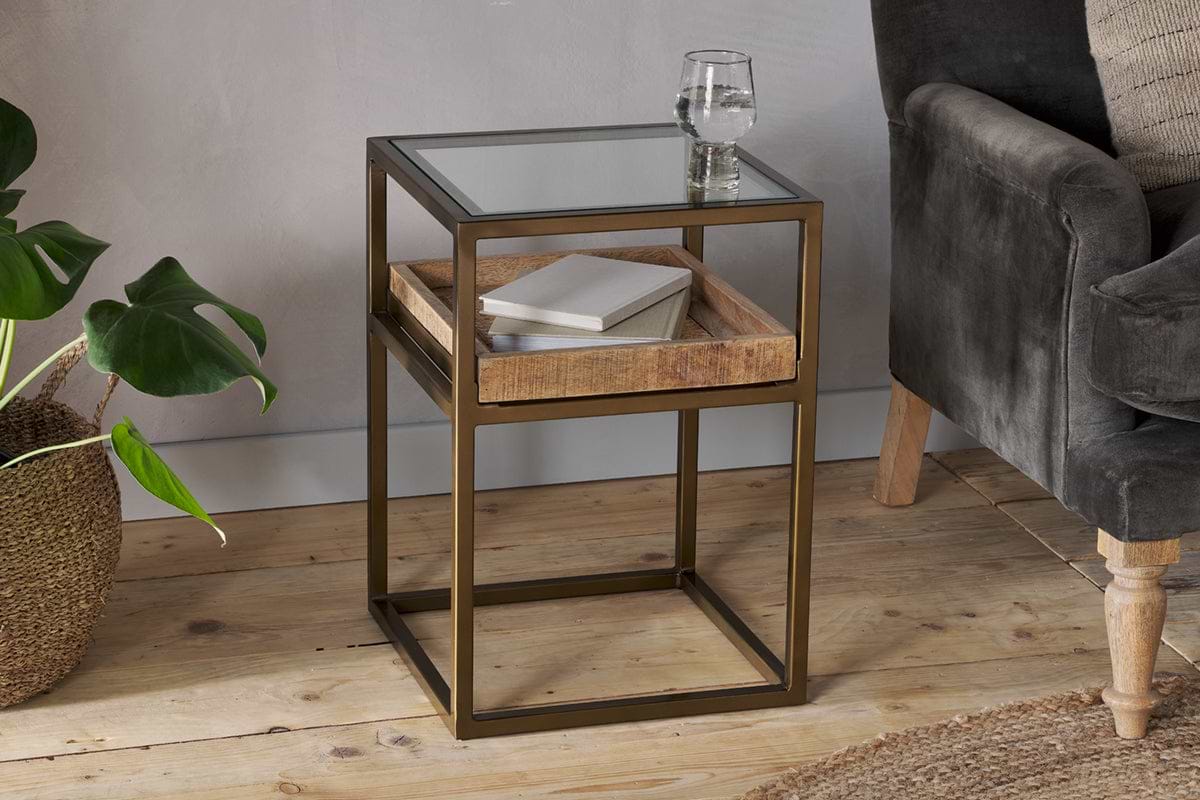
Luzon Side Table
Iron and mango wood with display shelf, small footprint, double function.
View at Nkuku →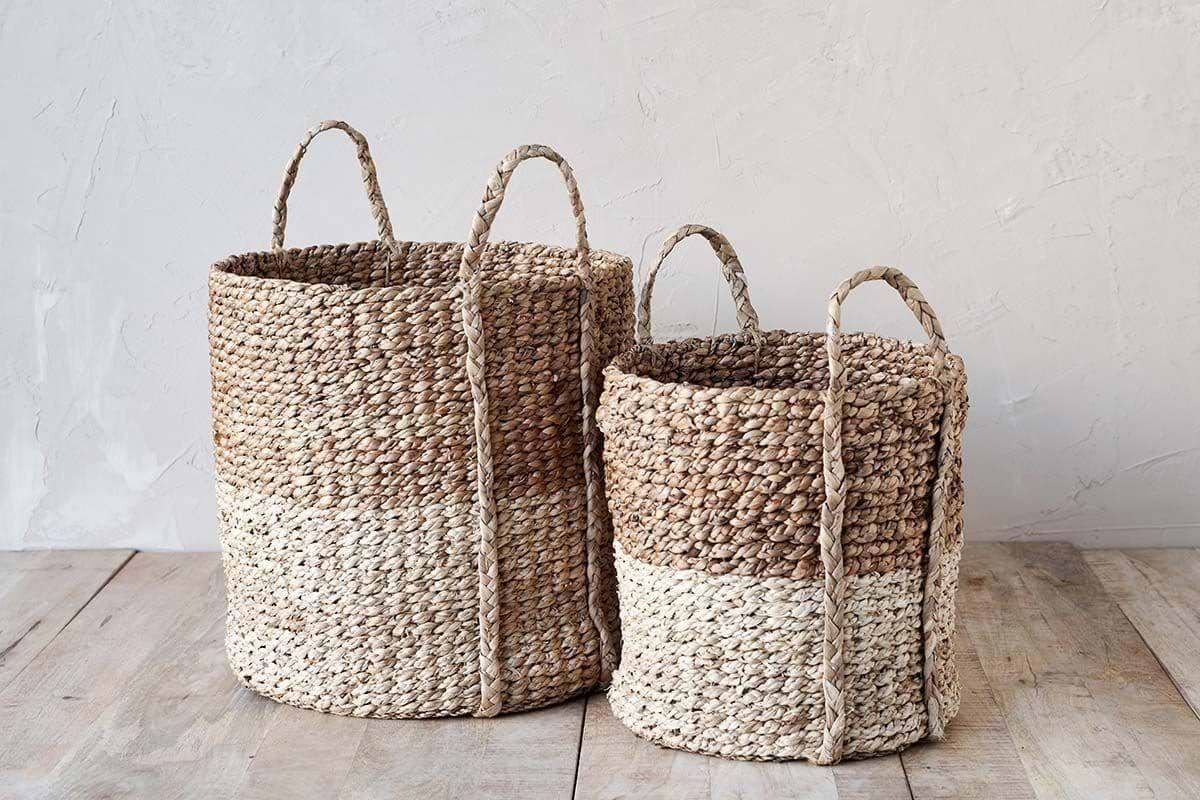
Nkomi Basket
Woven storage with a calm silhouette, works open or tucked under a console.
View at Nkuku →
Some links above are affiliate links. If you buy through them we may earn a small commission at no extra cost to you. We only suggest pieces we think fit a calm, lived-in home.
Free guide
The Calm Shelf
12 styling ideas to help you compose calm, balanced shelves in natural texture homes.