

It’s easy to misjudge a bedroom mirror. In a typical bedroom, a mirror might get squeezed onto a wall near the door, set on a dresser, or propped up in a corner to check an outfit. Too often, it feels like a fix for dark corners or tight spaces—until the glass shows a pile of laundry or throws odd light onto the bed.
This guide strips away the confusion. You’ll see the best way to choose a mirror size, pick between framed and frameless, and place it so your bedroom feels lighter and less crowded. This works especially well for small bedrooms when clutter or lack of sunlight is a problem because the right mirror adds both function and a sense of space.
The short version: The best bedroom mirror is sized to fill blank wall space across from a window, set to reflect light but not clutter. This guide shares quick checks that make mirror buying and placement straightforward—keeping your bedroom calm, bright, and tidy.
Key takeaways
- A bedroom mirror has the most impact when positioned opposite a natural light source.
- Framed mirrors soften a space, while frameless mirrors feel lighter and less busy in a small bedroom.
- Most wall mirrors come in a wide range of formats; oversized options are popular, especially arched and leaner mirrors (Mirroroutlet).
- Shape matters: round or arched mirrors soften harsh lines and help a bedroom feel less rigid.

What size mirror works in a bedroom?
A bedroom mirror should be about the same width as the furniture beneath it or fill a blank patch of wall naturally, never too small or too large. The best size runs in line with your storage or window and sits where it adds light, not visual weight.
In a main bedroom, a mirror can break up empty wall space above a dresser or make a small room look bigger. Most people wonder whether a full-length leaner mirror or a wide wall mirror suits their bedroom layout. There’s no single standard size; IKEA’s bedroom mirror range includes small squares for vanities and large panels tall enough to check your outfit head to toe.
The goal is to keep the mirror balanced with the surface it lives above, or to anchor it as a focal point on a blank wall. A tall mirror next to a bed pulls the eye up and is less bulky than a horizontal mirror crowded by nightstands. A vertical shape fits tight corners; a wide round one softens an empty stretch above a chest of drawers.
Compared to a mirror that floats alone on a huge wall, a mirror framed by art or small shelves feels more at home. A mirror that’s too small can look accidental—while one oversized for the room edges up on “fun house” effect. Place a full-length mirror where there’s at least as much floor space as the mirror is tall, and avoid corners trapped behind open doors.
A large-format arched mirror stays popular because it draws in light and makes a narrow bedroom feel deeper (Mirroroutlet’s bestselling bedroom leaner and wall mirrors). In practice, a good rule is to fill at least two-thirds of the width of the dresser or storage unit you hang a mirror above.
An oversized mirror enhances a plain wall, but pick a small accent style for tight nooks where you dress or check makeup.
Where this works best
A bedroom mirror works best opposite or next to a window, pulling daylight deeper into the room and softening shadows alongside the bed or wardrobe. Wall mirrors also help narrow layouts feel wider or less boxed in.
Many find that small bedrooms or spaces with few windows leave the room feeling dim. Mounting a wall mirror directly across from or close to the main window lets the glass double the daylight, brightening even dull corners. In a shared or rental bedroom, a well-placed mirror also gives the impression of open air, reducing that boxed-in feeling that heavy wardrobes can bring.
Try the mirror on the wall behind your bedside table or to one side of the wardrobe. The effect is a bedroom that feels fresher, even when the only natural light spills in late afternoon. Leaner mirrors are especially good for guest rooms, adding both function and visual space to limited floor areas.
Avoid installing a mirror where it only reflects clutter—like facing an open shelving unit, laundry basket, or busy dresser top. A mirror that faces a blank section of wall or a simple bed looks neat, while one reflecting a crowded nook doubles the visual mess. For best calm, keep the reflected image as clear and empty as possible—even if that means moving a mirror you’ve always kept in one spot.
Hang a mirror where the view stays peaceful, such as opposite the window with light curtains, or behind a simple arrangement of bed pillows.
How do you place a mirror so it doesn’t show clutter?
Placing a bedroom mirror on a wall that faces quiet space, not busy storage, keeps the reflection clean and the room feeling calmer. Always check the view in the glass before fixing the mirror in place.
Lots of people install a mirror directly across from a dresser or wall shelving, then find themselves constantly tidying so the reflection doesn’t double a mess. Instead of guessing, stand where you’d place the mirror, then look back: if the only thing in its line of sight is a blank wall or neatly made bed, you’ve found the right spot.
If your room layout means the mirror will face the bottom of the bed or a spot that sometimes accumulates clutter, switch to a smaller mirror on a side wall. A vertical leaner mirror next to the wardrobe is less likely to pick up shoes or wires in its reflection compared to one beside the door.
Compared to one big mirror that catches open wardrobes or home office gear, placing two small mirrors either side of a window keeps attention focused outward—toward the light, not the stuff. The reflection adds brightness without mirroring disarray.
Always look at the reflected view before settling on placement. A mirror works hardest for calm when what it shows is as simple and quiet as the wall it hangs on.
Framed vs frameless: which is right for a calm bedroom?
A framed mirror softens hard wall edges and anchors a space, while a frameless mirror feels lighter and keeps the look airy and uncluttered. The best choice depends on your room’s style and storage needs.
Bedrooms with natural wood, linen, or neutral bedding often benefit from a simple wood or woven frame around the mirror. These materials warm up cold glass and tie the mirror into the rest of the room, especially when the bedframe or storage repeats some of the same color. Oversized, ornate frames tend to grab attention, so in a calm, minimal bedroom, slim wood or unobtrusive metal works best.
Compared to frame-heavy vintage mirrors, frameless wall mirrors feel barely-there. They disappear into a white or pale wall, making a low-light room seem bigger—especially in small bedrooms where every bit of visual space counts. Frameless mirrors can also fit well into open shelving units as a quiet accent, giving a neat reflection without adding lines or weight.
If you want the mirror to act as a statement or anchor above a storage piece, choose a frame with texture—something that pairs well with baskets or soft throws. To keep things even simpler, opt for frameless glass where storage and wall décor already have plenty of warmth or color.
Try a slim, pale wood frame in a neutral bedroom, or install a frameless round mirror to keep a small space open and clear.

Styling and placement
A bedroom mirror comes together best when styled as part of an arrangement, not standing alone, using one or two natural materials nearby and keeping the palette limited. Placing with purpose helps avoid that “filler object” feeling.
The most peaceful bedrooms keep mirrors in step with other objects—rather than letting the mirror float alone, layer a small basket or a simple vase nearby. Placing a mirrored bedroom furniture piece or a linen-covered bench underneath can help the mirror feel grounded, especially when color and texture repeat elsewhere in the space.
Quick calm checklist:
- Wood or woven natural frames, not glossy metals
- Keep nearby surfaces tidy—no more than one decorative object under or beside the mirror
- Limit the color palette to two or three shades matching bedding or curtains
- Let the mirror reflect either open wall space, light fabric, or an uncluttered bed
- Echo the mirror’s shape or material in one other spot (basket, lamp, or bedside detail)
Unlike a cluttered shelf, a simple mirror with a single Nkomi Basket or plain linen cloth next to it doesn’t add noise or fuss. If you’re styling a mirror beside the bed, keep the top of the nightstand clear except for one useful object—a slip tray, a plant, or a book—and leave most of the table open.
Use the mirror’s frame and neighboring details to tie it into the bedroom, not a single statement piece adrift in the corner.
What shape mirror changes the feel of a room?
A round or arched bedroom mirror softens sharp lines and corners, while a rectangular mirror adds more structure and punch to the wall. Shape guides the eye and changes whether the room feels open or boxed in.
Sharp corners and straight lines dominate many rooms, especially in small bedrooms with low budgets—think rectangular chests and square windows. Adding a round, oval, or arched mirror interrupts these lines and breaks up rigid edges. The effect is easier on the eye and adds just enough softness, so the bedroom doesn’t feel all business.
According to Melody Maison, large curved mirrors—especially arched leaners—are favorites in modern bedrooms for this reason. Compared to a strictly rectangular mirror, which adds punch and presence, an arched top relaxes the look of built-ins or tall wardrobes, helping the space feel less boxed in.
Unlike strict rectangles, round mirrors pull the eye off-center and disperse visual weight. This looks especially good over a low, wide dresser or on an otherwise blank stretch of wall. The room will feel lighter, the corners less ‘stacked.’
Choose an arched or round mirror when your bedroom lines are harsh or space is tight. Use a simple, rectangular wall mirror for bedrooms already full of soft textures or shapes.
How to avoid a mirror making the room feel busy
A bedroom mirror feels busiest when it reflects clutter, mismatched colors, or too much light; calming the space means controlling both the view and what’s beside the mirror. Use repetition of texture and stay strict with storage.
People often mount mirrors opposite open shelves, desks, or walkways, thinking it will multiply light. Instead, it ends up doubling piles of books, stray clothes, or distracting shadows. Try switching the mirror to a side wall if your room always feels full, even after tidying.
Avoid mixing too many colors or gloss finishes in and around your bedroom mirror. A bare shelf reads colder than one with a jute basket or linen-covered box under the glass. If your headboard or wardrobe includes lots of pattern or color, keep the mirror and its frame simple and pale.
Compared to a bright, metallic-framed wall mirror, a wood or woven edge keeps visual heat down and doesn’t demand attention. Shifting furniture an inch or two away from the mirror can also cut the feeling of weight, especially in small spaces. Repeating a texture—like pairing a rattan basket nearby—helps blend the mirror into the bedroom instead of marking it out as another object to look at.
Keep the bedroom mirror clear of direct lamp or window glare, and tuck away objects that pull focus from the glass. The room feels calmer and less cluttered every day as a result.
Sometimes a bedroom just feels off. The corners don’t catch the right light, or the mirror seems to magnify every mess instead of helping. Frustration usually appears on laundry day or during a rushed morning, when the whole room reads busy instead of peaceful. This is when most people finally move something or decide to try a new mirror.
The practical fix comes down to changing what the mirror reflects and letting one object become the calm anchor—whether that’s a neat bed or a patch of painted wall. Pick placement that shows just what you want to see, every time you pass by.
Many bedrooms end up with the wrong mirror in the wrong spot. That usually means a glass pane catching clutter, bright light, or a jumble of colors. The result isn’t restful—it’s another thing that feels out of place, often making the room seem smaller or busier than it should.
When the mirror finally finds the right spot and sits alongside the right details, the whole space feels lighter and more finished.
Save this idea for later.

What tends to hold up with bedroom mirror choices
Over years of reviewing bedroom setups and hearing from readers, one thing stands out: rooms that feel calm usually have mirrors that echo their shape or finish somewhere else in the space. That might mean a round mirror above a natural wood dresser, or a slim, understated frame that doesn’t fight for attention. Matte materials and gentle curves get recommended often; they’re easier to live with over time, don’t collect fingerprints, and work even when the bedroom style changes. Regular feedback from designers points out that the reflection itself matters most: the emptier the view, the more peaceful the room feels.
— Mara, Loom & Glow
Common questions
What type of mirror is best for a bedroom?
The best type of mirror for a bedroom depends on wall space, light, and how much function you need. Leaner mirrors and large-format wall mirrors work well across from windows, while accent mirrors suit dressing tables. Choose a frame or finish that feels quiet and matches the tone of your room.
Is it okay to put a mirror in your bedroom?
It is okay to put a mirror in a bedroom and is common in most Western homes. Many people use mirrors to brighten dark corners or check clothes. Consider placement and what the mirror reflects to avoid visual clutter or nighttime glare.
Why do people put mirrors in their bedrooms?
People put mirrors in their bedrooms to help reflect light, create a sense of space, and allow them to get ready. Bedroom mirrors often serve as functional tools and decorative elements, adding interest to blank walls and supporting a tidy look in smaller rooms.
Why does Feng Shui say no mirrors in the bedroom?
Feng Shui suggests avoiding mirrors in bedrooms because they can bounce energy around and disrupt sleep. Some practitioners believe mirrors opposite the bed reflect movement and cause restlessness. Many people choose mirror placement for practical or aesthetic reasons instead of following Feng Shui rules strictly.
Explore more calm combinations inside our Shop The Look .
Shop the Look
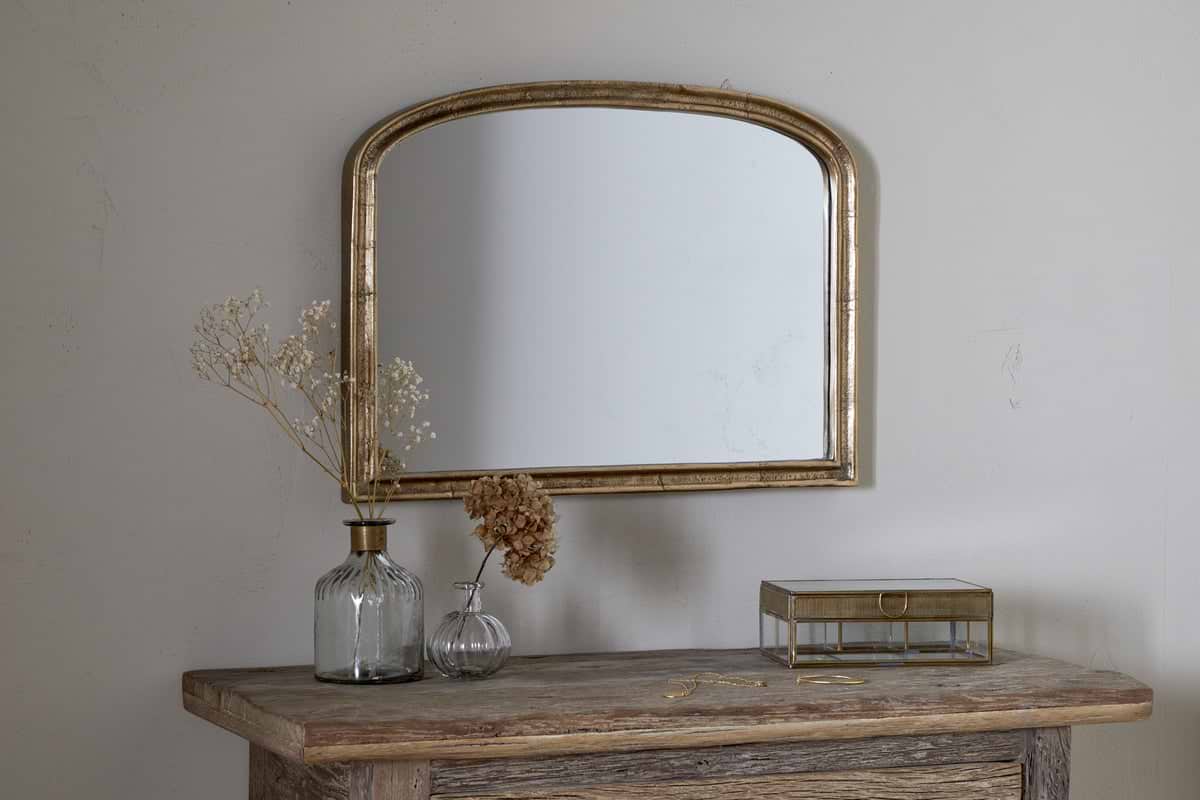
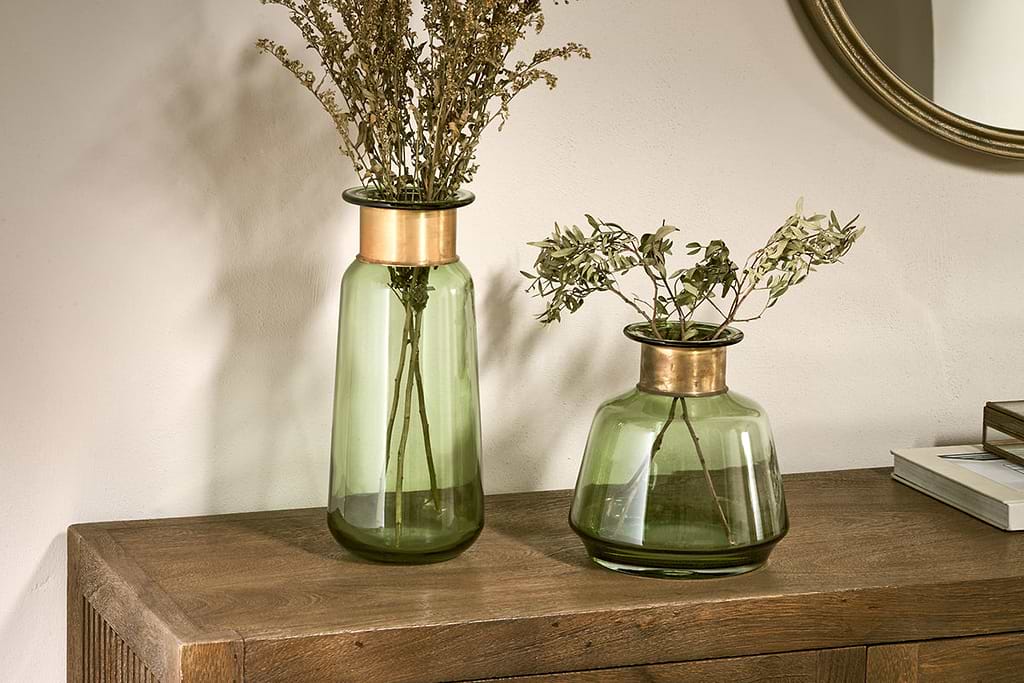
The Almora Wall Mirror and Miza Glass Vase pair naturally on a bedroom shelf or dresser, both restful in scale and finish.
Some links above are affiliate links. If you buy through them we may earn a small commission at no extra cost to you. We only suggest pieces we think fit a calm, lived-in home.
Free guide
The Calm Shelf
12 styling ideas to help you compose calm, balanced shelves in natural texture homes.