

Clutter piles up fast in a small home, and working with low budget small house interior design often means making hard choices. Missized sofas, extra cabinets, or even an extra chair can tip a room from “neat” to “overstuffed,” while storage runs out before you’ve finished unpacking.
Good design here is less about buying extra organizers or filling every corner, and more about removing, editing, and choosing a handful of high-impact items for each room. This works especially well in a small living room when there is no room for a console because wall-mounting frees up floor space and calms the whole view.
The short version: Low budget small house interior design works best when you buy fewer, multi-use pieces sized to your square footage, not your wish list. Swap crowding for space, use neutral colors and vertical storage, and keep everyday items out or easy to reach, not hidden in more “solutions.”
Key takeaways
- Wall-mounted mirrors or shelves free up precious floor space in entryways and living rooms.
- Picking one large focal piece in a small room creates order; more small items add clutter.
- Compact interiors encourage more careful choices than large rooms, according to House Beautiful.
- Soft textures and light woods can make even a tight hallway feel more relaxed, not crowded.
- Skip full furniture sets—one storage or Murphy bed may do the job of three smaller pieces.
- Why does a small budget mean you need fewer items?
- Where this works best
- How do you pick a living room focal point that doesn’t overwhelm?
- Bedroom edits: What works when there’s barely room to walk?
- Styling and placement
- What budget decorating habits should you avoid?
- Which materials and colours keep small spaces calm?

Why does a small budget mean you need fewer items?
A limited budget in a small house works best when every purchase is chosen for daily use, not just for looks. Too many items, even if affordable, add up to more clutter faster than you expect.
In most small houses, every new item added means giving up space somewhere else. Cabinets eat into walkways. Too many hooks on a wall make the entire entry feel crowded. When funds are tight, the real risk is filling up with “bargain” pieces that don’t solve your main problem—lack of space to move, or lack of clear surfaces.
Compact interiors encourage a more careful choice of furniture and storage, according to House Beautiful. A floating shelf over a desk works two jobs, while side tables with hidden storage do a third. If the budget stretches only to two or three upgrades, prioritize fewer but more useful pieces. You will notice daily that it is easier to keep things tidy than to dig through bins for what you need.
Compared to filling up a bigger room full of stuff, a low budget small house interior design plan asks you to decide which three things you actually use in each space. Start with the basics, see what is missing, and stop before adding extras for the sake of filling corners. A single piece made of honest material like birch or jute feels warmer than three small plastic bins.
Where this works best
Low budget, pared-back design works best in rooms with limited floor space and competing needs, like living/dining combos or L-shaped studios. These areas benefit from clarity and leaving most surfaces open.
Rooms that double up—like a dining corner within a living area or a workspace squeezed into a bedroom—really show the advantage of the “less and better” approach. Place one small dining table by a window, not two stools at the counter and a separate breakfast nook. Let your bed serve as both sofa and sleep zone in a studio, with a lightweight linen cover through the day.
Entryways, especially in open-plan or narrow layouts, can feel crowded with consoles. Instead, try a wall-mounted mirror paired with a single floating shelf or a small hook rail. A wall basket stores keys and gloves, freeing the surface entirely. Most small home owners find that traffic flows more smoothly when shoes are kept in a single box under the bench, not spilled out on extra mats.
Avoid stuffing bookcases, sideboards, or double rows of hooks into any passage space. Too many “storage solutions” turn even a bright, freshly painted hallway into a tight squeeze. Instead, one or two anchor pieces on each wall (mirror, shelf, or hook) look settled and aren’t visually busy.
How do you pick a living room focal point that doesn’t overwhelm?
A living room works best with one visible anchor, like a petite sofa or a wall-mounted TV, instead of lots of small decor. One large, simple feature draws eyes and creates space around it.
Most compact living rooms can’t take both a big couch and a media console. Mounting a television to the wall avoids the need for bulky furniture, according to Interior Company. Leave the spot below open, or place just one woven basket for throws. A petite sofa or bench, with slim arms, holds its own but doesn’t shrink the room. The lower back rests under most windows, while a standard size two-person length still lets you stretch out without hogging an entire wall.
Wood or rattan coffee tables work, but only if nothing else sits beside them. Unlike glass, matte wood hides fingerprints and reads gentler in sunlight. Instead of three nesting tables, use just the largest as a main spot for tea or books and store the others away. This keeps the walkways clear for everyday living.
Against a bare wall, one oversize wall mirror bounces light and makes the room feel twice as deep. Compared to a gallery wall of small frames, the single mirror is easier on the eyes and quicker to wipe down. Place it so that it reflects a window or plant for extra lift. For more compact-living inspiration, see our guide to small living room furniture ideas that work when square footage is tight.
| Option | Pros | Cons |
|---|---|---|
| Wall-mounted TV | Frees floor, less dust, clean look | Needs wall checks; wires to hide |
| Media console | Hidden storage, surface for decor | Eats up space, looks heavy |
| Single mirror | Makes room brighter, deeper | Less storage than shelves |
Bedroom edits: What works when there’s barely room to walk?
A small bedroom stays open with a low headboard and one storage bed, instead of matching sets or dressers. These pieces let you keep clothes and bedding out of sight without blocking natural light.
With limited space, skip bulky four-poster beds or tall wardrobes that force you to climb around. A bed without a prominent headboard can even double as a day sofa, according to Domino. Stick to a single storage bed—drawers below or a lift-up base replace the need for extra bins or bedside tables.
Soft, laundered cotton bedding in a sand or oat shade makes the whole room look wider. A single slim rail above the bed holds one or two favorite pieces—a print, a clay vase, or a reading lamp—without crowding the wall. Unlike adding shelves next to the bed, the rail keeps sight lines clear, and there’s less risk of bumping elbows or knocking things off in the night.
Compared to filling up the corners with loose baskets and storage cubes, placing everything under the bed keeps the visual “weight” low. If you share with a child, one Murphy bed or daybed lets the room serve as both kid room and guest space. For more space-saving layouts and smart storage, see small bedroom storage ideas for tight quarters.

Styling and placement
A small home looks calmer when each piece is spaced so the tops and sides are exposed, using only a few materials and one repeating color. Leave gaps on shelves and floors to draw the eye in.
With cramped living and bedrooms, try anchoring one main item on each wall, then stopping. For shelves, keep about two-thirds of the length clear—fill the rest with one larger basket, not an assortment of smaller boxes. A bed looks more relaxed with nothing stored above or beside it, and instead, bedding edges kept just above the floor.
In kitchens, stack plates vertically, not in piles of three per cupboard. One open shelf with bowls and mugs (not every glass) doubles display with storage; the rest live inside the main cabinet. Unlike setting small appliances out, this approach keeps the counter usable for prep and makes it easier to wipe up. Entryways benefit from one hook rail placed at eye level; keys, scarves, or dog leashes hang flat for grab-and-go. Try placing hooks or a rail about the width of your outstretched arm apart, not crowded together.
Quick calm checklist:
- Choose natural materials like birch, jute, or linen for main pieces.
- Place only one or two items per surface—leave at least half bare.
- Limit your palette to two neutral tones and one subtle accent.
- Use open shelves, floating or mounted, instead of closed cabinets where possible.
- Keep the largest wall clear except for one focal piece (mirror, rail, artwork).
Set up your next space by clearing surfaces, then adding back only the items you use or like to see daily—this works just as well in rentals as it does in owned homes.
What budget decorating habits should you avoid?
Buying more storage bins, shelf organizers, or matching sets usually amplifies clutter in a small house. Instead, prioritize leaving space empty and choosing multi-use furniture that does at least two jobs.
Too many stackable baskets, packs of adhesive hooks, or “clever” containers pile up quickly. A clear box for every small item makes for a full room, not a finished one. Instead of adding a second shelf when the first is crowded, move items to a single drawer or pare down what you own. Buying cheaper versions of every trending accessory, like gallery wall frames or nightstand trinkets, divides attention without adding function.
Multifunctional furniture worth the spend under £50 might include a shoe bench with lift-up storage or a fold-down desk for workdays. Small space solutions like a Murphy bed can cost more, but a folding chair or rolling island often does double duty on a tight budget, as noted in small space solutions. A compact table used for eating and as a desk, or a storage pouf that holds magazines, helps you skip multiple single-use pieces.
Avoid the urge to fill blank wall space with extra wall art or to match every visible item in the room. Compared to one or two meaningful pieces, too many “cheap” updates end up costing more to replace and create a busier view. Keep the focus on comfort and practicality—then see what looks good around that foundation.
Which materials and colours keep small spaces calm?
Light woods, woven baskets, and soft neutral cottons help a small space feel relaxed, not stark. Using only a few colors and matte finishes prevents harsh contrasts and keeps visual noise low.
Natural and pale finishes like oak, birch, and rattan reflect light better than dark, glossy furniture. Linen curtains diffuse harsh light, making even windowless entryways look softer. Compared to metallics or lacquered surfaces, unfinished wood feels warm if you brush your hand over it and gets less smudgy than glass or shiny plastic. Place one large woven basket on a bare shelf to break up straight lines.
Palette matters: Use white, cream, taupe, or sand as your main colors, adding a moss green or navy blue for subtle depth. A room with too many different shades—purple chairs, teal side tables, orange bins—reads noisy. Neutral color schemes make a studio or pocket-door bedroom feel more open because there is less “jump” between items. For even more tips on layering natural materials, see one anchor piece in our materials guide.
Open shelving or floating storage works, as it exposes the wall and floor edges, making the whole area seem bigger. Unlike full-height glossy cabinets, low, pale shelves turn corners into useful spots for everyday items. A neutral colour palette with just one accent color draws the eye around the room without stopping short at one jarring object.
There’s a point, maybe a few weeks after moving in or after a big tidy-up, when you sense something is still “off.” The room is clean but feels busy. Too many good pieces—extra bins, hooks, small artwork—don’t quite pull together.
The design shift is choosing fewer, larger or multi-use pieces, and leaving more blank wall and open floor. This step, more than any clever container or trendy paint color, is what finally makes a small home easy to clean and easy to live in day to day.
Most people, without noticing, add items to fill visible gaps—a new storage bench, another narrow shelf. The downside shows up in how quickly the room fills up with extras, and how hard it is to sweep or move around. Fixing this, by paring down or anchoring just a single main object, leaves the room breathable and calmer. When you get the balance right, cleaning takes less time and the room feels “finished” at last. Save this idea for later.
What tends to hold up with low budget small house interior design
Reviewing how real homes adapt, the single strongest pattern is that open space matters more than adding clever storage. A well-placed floating shelf or a single wall mirror outperforms a whole storage system when floor space is tight. Matte finishes get recommended again and again for shelves near windows, because they don’t catch glare the way a glossy tray does.
Most compact living rooms look more inviting when the seat height and major surfaces sit below window level. Fewer colors and one or two natural textures—jute, linen, light wood—hold up well to daily life and don’t date as quickly as trending accents. The best feedback comes from people who find tidying easier, and who aren’t fighting queues for storage or running into furniture every time they cross the room.
— Mara, Loom & Glow
Common questions
What is the 3-5-7 rule in interior design?
The 3-5-7 rule in interior design means grouping objects in odd numbers, usually three, five, or seven, for visual balance. This approach helps arrangements look casual and less forced. For shelves or gallery walls, odd groupings guide the eye smoothly across instead of halting on pairs or quarters.
What colours make a small house look bigger?
Light colors such as white, off-white, pale gray, and soft beige make a small house look bigger. These shades reflect more natural light and fade into the background. Using just one accent color, like green or blue, also prevents rooms from feeling cramped by too much contrast.
What is the 70/30 rule in decorating?
The 70/30 rule in decorating says use your main color or texture for about 70% of a space, then add 30% of a second color or accent. This keeps rooms from looking chaotic while still allowing personality. Applied to bedding or shelves, it means most surfaces stay calm while one detail stands out.
How can I decorate my home without spending money?
You can decorate your home without spending by rearranging existing items, using found natural objects, clearing flat surfaces, and moving art or textiles between rooms. Open shelves can be cleaned and redressed with bowls or books you already own, making the space feel new with zero extra cost.
Explore more calm combinations inside our Shop The Look .
Shop the Look
Three Nkuku pieces that earn their space in a small home: a side table that doubles as display, a basket for hidden storage, and a slim floor lamp that lifts the eye without taking up room.
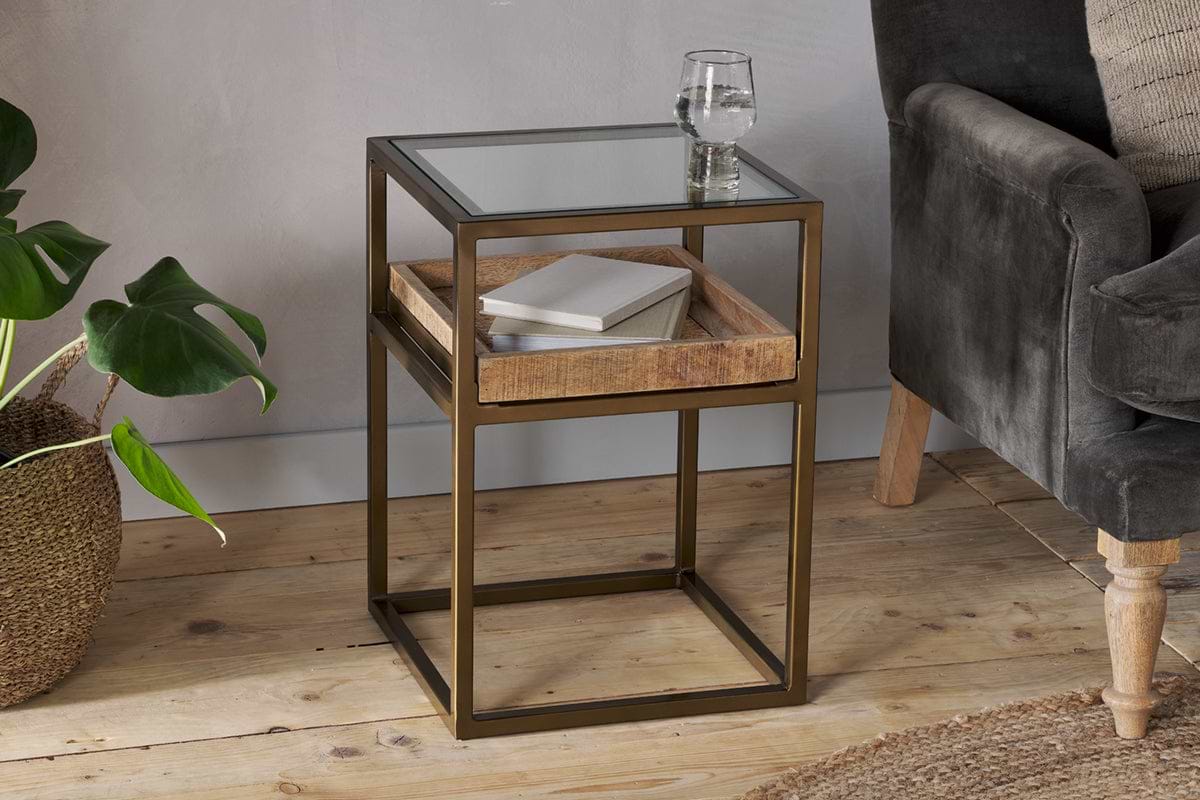
Luzon Side Table
Iron and mango wood with display shelf — small footprint, double function.
View at Nkuku →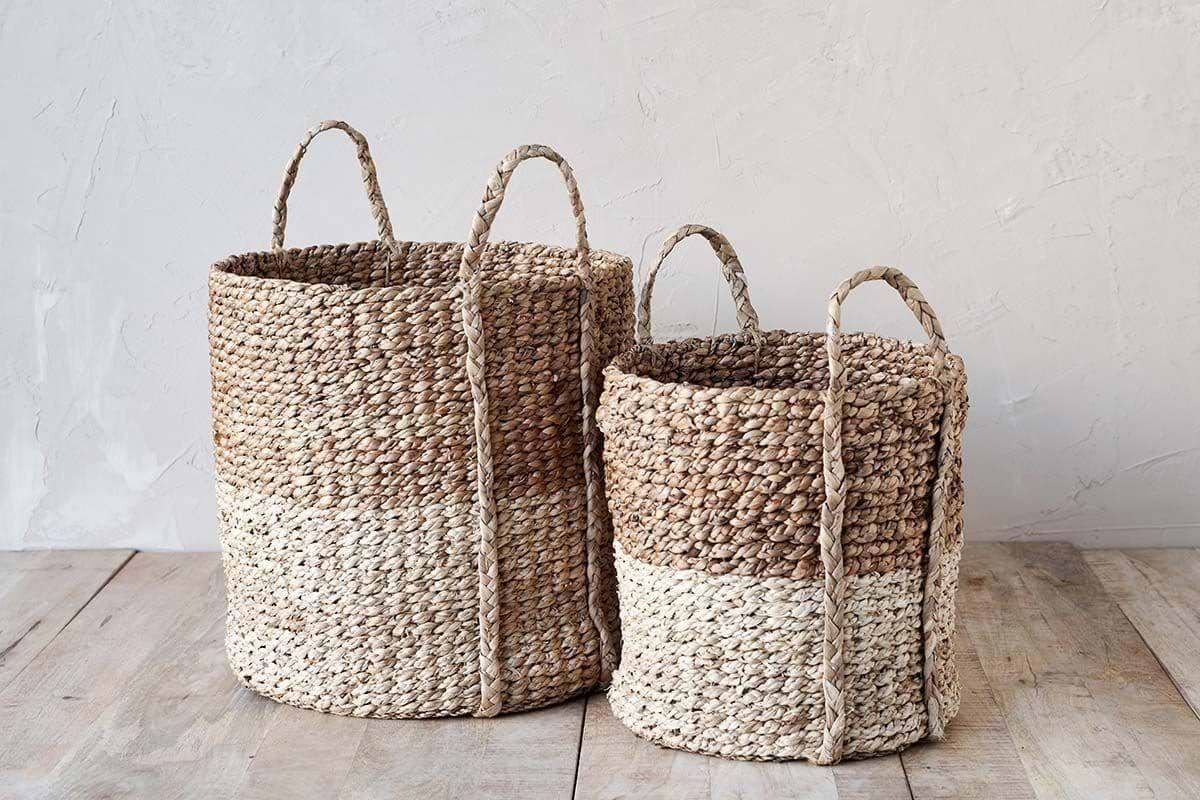
Nkomi Basket
Woven storage with a calm silhouette — works open or tucked under a console.
View at Nkuku →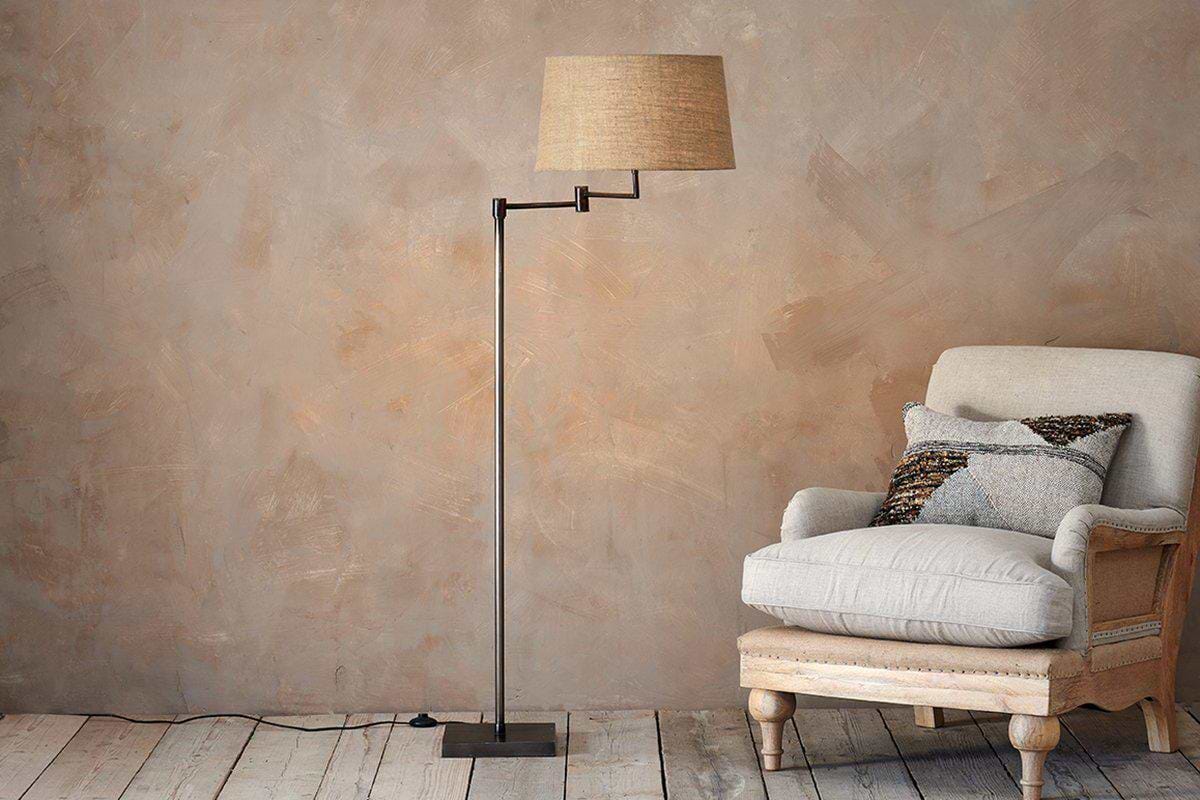
Some links above are affiliate links. If you buy through them we may earn a small commission at no extra cost to you. We only suggest pieces we think fit a calm, lived-in home.
Free guide
The Calm Shelf
12 styling ideas to help you compose calm, balanced shelves in natural texture homes.