

Wall paneling brings soft texture and depth to a living room without permanent changes, using removable peel-and-stick panels, paint-based grid effects, or lightweight MDF battens. Renters benefit most from adhesive-free or removable options that avoid deposit loss. Board and batten layouts, half-wall grids, and feature walls behind the TV all anchor furniture and break up blank surfaces without the clutter of gallery walls.
Many renters and homeowners find their living spaces fall flat or feel too busy when every wall houses only paint or a run of posters. Wall panelling ideas living room searches spike when people want more depth but run into rules, budget, or the fear of making a big change they can’t undo. Decisions end up delayed, and the room stays stuck between feeling unfinished and overcrowded.
Good wall panelling doesn’t have to mean a full-scale renovation or permanent fixes. Today you’ll see exactly which removable, renter-friendly and low-commitment methods bring in calm detail without risk. This works especially well in a small apartment living room when you want interest on a blank wall because panelling adds depth without taking up floor space.
The short version: A calm, layered look is easy to achieve with removable wall panelling ideas living room options that suit both renters and homeowners. Adding simple panels or textures gives the walls a soft visual weight and lets you move beyond flat paint or busy gallery groupings.
Key takeaways
- Wall panelling can add quiet texture, helping a living room feel more finished than a plain painted wall.
- Peel-and-stick panels, paint tricks, and MDF battens are budget-friendly for renters and owners.
- Common panel layouts are full wall, half wall, and single feature wall, each suiting different room shapes and light.
- Using panels on the TV wall keeps surfaces from looking stark without making the area too heavy.
- People spend roughly three hours a day in their living room (according to Wall Panels World), making these changes worthwhile.

Why try wall panelling instead of another gallery wall?
Wall panelling adds visual texture and soft detail to a living room wall, breaking up blank surfaces without the clutter of framed art collections.
In many homes, gallery walls turn into catch-alls for mismatched prints or half-framed art, making living rooms feel crowded or unfocused. Panels create a subtle structure that pulls the eye along the wall, instead of scattering it across lots of frames.
With a basic wooden batten or even paint-based ‘panel’ effect, you set a calm boundary. The result is a room where the TV and furniture don’t float but feel anchored. Panels act like a quiet backdrop; a flat wall with only art can look sparse in the corners or draw attention to awkward wall outlets.
Unlike gallery walls, which ask for continuous rearranging and dusting, panelling needs little maintenance. A board and batten layout, for example, frames the wall so you can lean a single piece of living room wall art or layer in small ornaments for living room charm without crowding every inch. Most people find this approach works best for rooms with one dominant wall that often feels empty if left plain.
A wall panelling idea works best when you want weight and texture without committing to permanent changes. Use this behind a sofa, TV, or even as a partial border in an open-plan space to anchor your layout.
Choosing the right panel style for small or rented spaces
Removable panels and paint-grade MDF battens let renters and small-space dwellers add definition without risking damage or losing deposits.
Many renters need wall decoration living room options that avoid holes and permanent adhesive. Peel-and-stick slatted panels or lightweight strips of painted MDF attach with removable strips, offering a reversible upgrade. Paint-only ‘panelling’ (using taped-off rectangles or squares) gives the look of grid or shaker panelling on a tight budget and is easy to repaint when you move.
Unlike heavier architectural wainscoting or structural wood, these lighter options stay flexible. A narrow hallway feels larger with vertical battens, while a compact lounge benefits from a half-wall grid in a soft green or natural beige. In rental properties with strict rules, paintable wallpapers or panel decals give you the lines and rhythm of full panelling, with none of the commitment.
Acoustic slat panels, especially in walnut or oak finish, add both texture and a bit of extra sound absorption, handy for shared walls. For straightforward cottage living room ideas, look for tongue and groove wall coverings that work with lightweight adhesives. Compared to installing heavy mouldings, these approaches reduce labor, cut cost, and keep things simple to remove or update.
Peel-and-stick panelling works best for anyone who wants to change up their living room wall design several times without leaving marks or needing a toolbox. Place panels on one large wall or split up an open living-dining room to create zones.
Where this works best
Wall panelling makes the most impact on walls that feel empty or cold, especially in rented flats, small lounges, or narrow open-plan homes.
Spaces with plain painted walls or visible radiators, like many rental living rooms, often look untidy around the edges. Wall panelling draws attention upwards and frames furniture, making low-slung sofas and TV units feel more connected to the room. Half-wall panelling also hides mark-prone areas in busy homes with pets or small children.
In a room with little natural light, board and batten or shaker sections make flat surfaces livelier, while pale acoustic slat panels reflect what sunlight is available. Small homes with awkward wall lengths can use vertical battening to lengthen lines, while wider grid panelling calms deeper spaces that tend to swallow art.
Avoid running thick, dark panels around every wall in a tight or already dim living room. This makes the space feel smaller and shuts out light. Instead, panelling a single feature wall gently centres the layout, letting the remaining walls breathe.
Place panelling behind the TV, around a single window, or to zone off a workspace corner so the room feels thought-through but not boxed in.
How do removable and paintable panels compare?
Removable panels offer flexibility and minimal damage, while paintable panels and tape-based designs create depth at a lower cost for renters.
Removable options, such as peel-and-stick wood slats or foam-backed panels, pop off without ripping the wall, ideal for tenants or those who swap styles often. Paint-based panels use painter’s tape and topcoat to mimic classic shaker or grid shapes, giving relief and shadow where none existed before.
Compared to MDF panel mouldings, which sometimes require nails or strong adhesives, lightweight solutions don’t stress old plaster or cost much to refresh. Panel wallpaper, another renter option, offers genuine texture and detail for a low up-front spend.
Acoustic slat panels, in walnut or ash, pull double duty as style and sound absorption, as explained at Wall Panels World. When weighed against most full MDF panelling, these versatile formats let you go big or small with less hassle and are easy to trial in one room before committing elsewhere.
| Option | Main Benefit | Best Use |
|---|---|---|
| Peel-and-stick panels | Removable, renter-safe, quick install | Feature walls, rental homes |
| Paint-only ‘panelling’ | Ultra-budget, easy to touch up | Temporary updates, DIY first-timers |
| MDF battens | More real texture, holds up to touch | Longer-term or owner-occupied |
| Panel wallpaper | Detailed print, hides small imperfections | Rental properties, feature corners |
| Acoustic slat panels | Style and muffled sound | Lounge walls, TV areas |
Removable panels work best for shared apartments or anyone who likes to update color palettes seasonally; paint-based approaches suit those who want a light but lasting change.

Styling and placement
Styling a panelled wall relies on a limited palette and careful object spacing to avoid the wall feeling too busy or too bare.
After the panels go up, some rooms look nervous if every panel is filled or if nothing sits in front. Simple focal points, like a linen-shaded lamp, a clay bowl, or a single striking DIY wall art piece, bring warmth without fuss. Board and batten or grid styles invite you to prop a light wood-framed mirror or drape a folded throw over a sideboard, making use of vertical lines for calm impact.
A panelled wall reads flatter when loaded with mixed decor, small sideboards for living room storage suit wider, grid panels, while vertical slats look clean when left mostly clear. Compared to crowding art and ornaments for living room style onto every ledge, picking a single accent per section looks deliberate and keeps dusting easy.
Painted panels pair best with soft-textured furniture, linen sofas or nubby wool throws, to stop the room looking secondhand shop busy. Open shelves can break a long wall into friendlier sections, as shown in styling open shelves tips.
Quick calm checklist:
- Pair no more than two main panel colors with one wood or brass accent.
- Leave at least one section near the panel edges free of ornaments or art.
- Keep small storage, like baskets or sideboards, flush with the wall, not blocking panel lines.
- Choose wall lights with a linen or matte finish to soften panel edges.
Styling works best when every piece on or near the panelled wall plays a role and doesn’t compete for attention.
How much does wall panelling really cost?
Most DIY wall panelling ideas for living rooms cost less than a full mural or pro wallpaper install, especially when you use paint, MDF battens, or removable strips.
A set of MDF battens for half-wall shaker panelling usually runs less than a night out, and paint or panel wallpaper comes in at an even lower entry cost. Peel-and-stick slat kits, available online, give the look of professional joinery for a fraction of the price, and typically don’t require any special tools.
Compare this to a run of framed art or heavy floating shelves, which can run higher and add risk if you need to patch walls on exit. According to DIY panelling guides, most renters and owners can update one wall with basic materials in a single weekend. People spend roughly three hours a day in their living room (Wall Panels World), making these changes worthwhile over time.
Budget options work best where you want instant impact and don’t want to commit to tools or contractors. A panelled wall with calm, neutral colors adds more quiet interest for less outlay than redecorating all four walls.
How to prevent panelling from making a room feel busy
Keeping palettes tight and spacing decor lets panelled walls breathe, avoiding the heavy, crowded feeling that can follow bold patterns or overlapping gallery art.
Too many textures or colors make panelling lose its calming effect and quickly tip the room into confusion. Use one soft color family, like off-white or pale green, across walls, panels, and furniture, and repeat a single texture, such as linen or oak, throughout.
Unlike dense gallery walls, panels naturally slow the eye. Rooms with a busy patterned rug and heavy drapes should keep wall detail plain and let texture do the lifting. Instead of teaming reeded panels with large art clusters, hang a single oversized canvas or even leave sections clear for light to play across grooves.
Acoustic slat panels and wide grid panelling help by stretching lines from skirting to ceiling, making ceilings appear higher. Place a small lamp on a sideboard, nestled against a blank panelled section, to break up long runs. This technique suits homes that want character without excess furniture or wall clutter.
What tends to hold up with layering wall panel textures
Reviewing many living rooms, quiet colors and matte finishes on panelling are repeatedly recommended because they absorb light and avoid glare, no matter the time of day. Wood slat and reeded panels wear better than thick paint on high-traffic walls, especially where pets or bags brush past. Several decorators suggest that half-wall panelling works in both small and larger rooms, and renters share that removable options hold firm as long as surfaces are properly cleaned first. Minimal filling and clean lines keep these looks calm and easy to adjust seasonally or as tastes shift.
, Mara, Loom & Glow
Which wall panelling style works best for renters?
Removable panels and paint-grade solutions are your safest bets if you’re in a rental. Peel-and-stick slatted panels attach with removable strips and peel off cleanly without damaging plaster or risking your deposit. Paint-only ‘panelling’ using painter’s tape and topcoat costs almost nothing and is easy to repaint when you move. Panel wallpaper offers genuine texture and detail for a low upfront spend. Acoustic slat panels in walnut or oak finish add both style and sound absorption, making them practical for shared walls. Unlike heavier architectural wainscoting, these lighter options stay reversible and flexible.
Where should you place panelling to make a small living room feel larger?
A single feature wall behind the TV or sofa centres your layout without making the space feel boxed in. Vertical battening on one wall lengthens sight lines in compact rooms, while pale acoustic panels reflect available light in darker spaces. Avoid running thick, dark panels around every wall, as this shrinks the room and blocks out light. Half-wall panelling also hides mark-prone areas in busy homes with pets or children, keeping the upper walls clean and visual weight distributed. Open shelves or a single accent piece (a mirror, lamp or folded throw) on the panelled wall keeps it from feeling either too crowded or too bare.
Common questions
What are the latest trends in wall panelling?
The latest wall panelling trends for living rooms include fluted slats, acoustic panels in walnut finishes, and paintable grid or shaker panel wallpaper. These updates add subtle depth and suit both classic and modern furniture. Removable and lightweight options stay popular for renters, while bolder colors are starting to appear in feature wall designs.
Is panelling outdated in 2026?
Panelling is not considered outdated in 2026. Clean shaker, slim grid, and slat panels stay relevant because they add depth and work for both rented and owned spaces. Modern paint colors and removable formats mean the look continues to evolve with current tastes.
Which wall panelling is best for a living room?
Board and batten, shaker, and acoustic slat panels are commonly used for living room walls due to their versatility and ease of installation. MDF battens suit DIY beginners, while peel-and-stick options are better for renters. Texture and finish choices depend on room size and furniture style.
Do you need to panel every wall in a living room?
It is not necessary to panel every wall in a living room. Feature or half-wall panelling tends to look more balanced and leaves space for art or open shelving elsewhere. Limiting panels to one focus area helps prevent the room from feeling heavy or overworked.
Explore more calm combinations inside our Shop The Look .
Shop the Look
A console and mirror that work with panelled walls to anchor the room without overwhelming it.
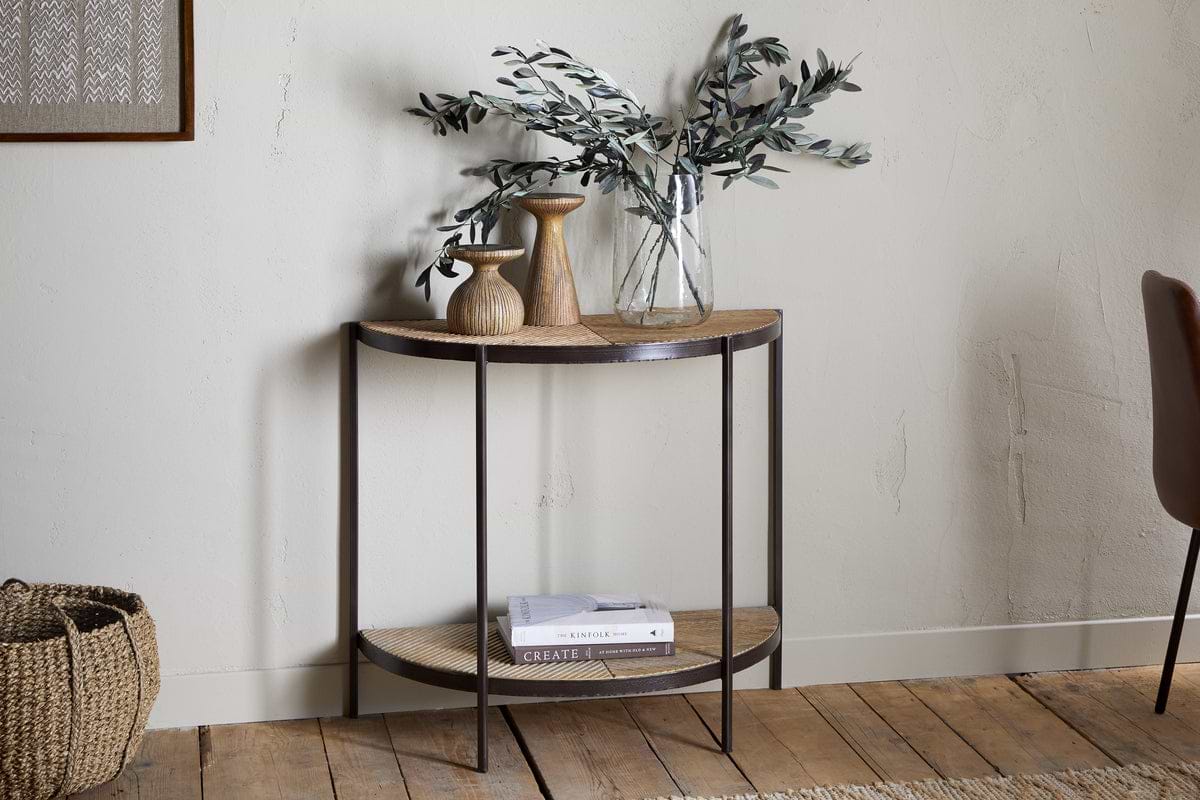
Aasha Console Table
Half-moon silhouette in mango wood; anchors entryways and narrow walls.
View at Nkuku →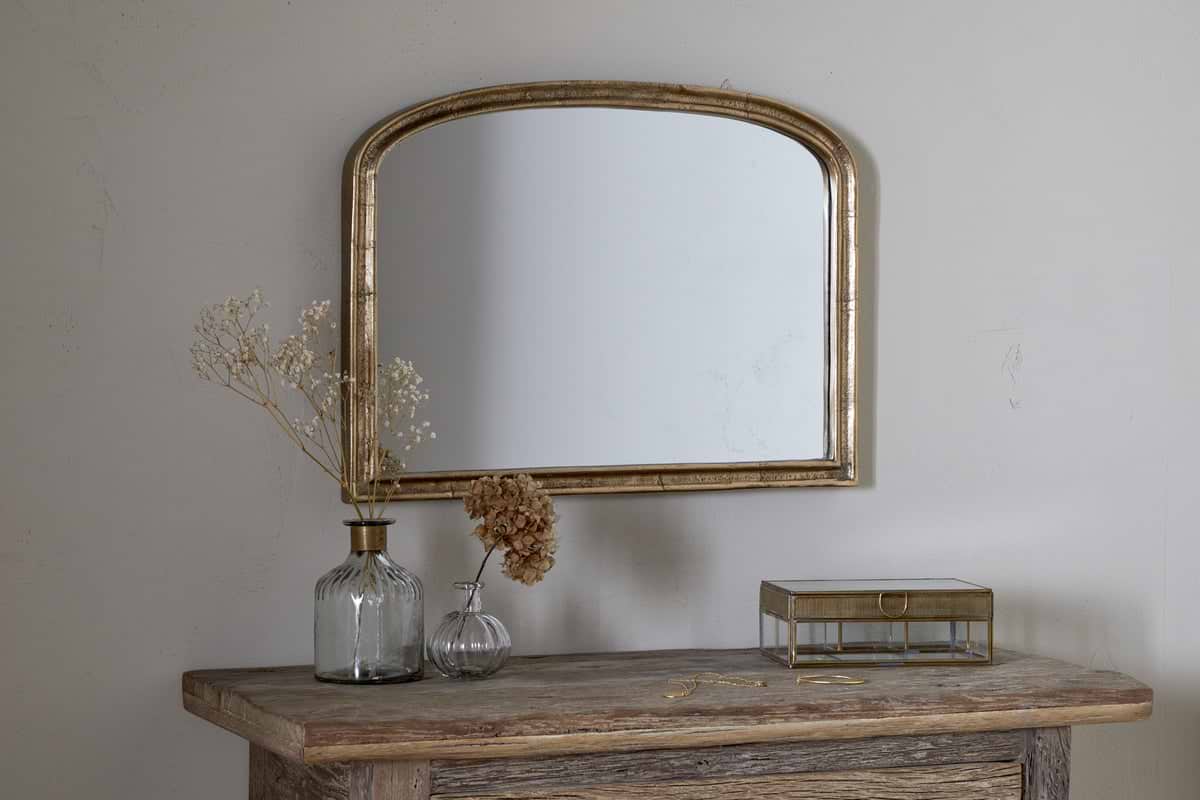
Some links above are affiliate links. If you buy through them we may earn a small commission at no extra cost to you. We only suggest pieces we think fit a calm, lived-in home.
Free guide
The Calm Shelf
12 styling ideas to help you compose calm, balanced shelves in natural texture homes.