

In most homes, a missing home detail can keep a finished room from feeling truly complete. Common issues like scattered storage bins, mismatched handles, or single-function furniture make the layout look almost done, but something still feels off.
The right small change—swapping a handle, placing a woven tray, picking a matte over a shiny finish—can anchor a space and tie each piece together. This works especially well in a small apartment’s living area when furniture edges feel abrupt because a soft material or textured accessory can pull the look together without clutter.
The short version: The fastest way to finish any space is to add a single home detail that brings texture or contrast. Most rooms need only one strong piece or swap—like a natural handle, a textured tray, or a simple layered throw—to look and feel more intentional.
Key takeaways
- One visible home detail, like a textured accessory, often finishes a space more than extra decor.
- Handles and switch plates are a low-cost swap that changes the first impression of a room.
- Natural materials—linen, jute, clay—soften hard surfaces and reduce visual flatness.
- Two-thirds of a shelf or console should stay clear for the detail to stand out.
- Seasonal updates using autumn home decor require only one or two changes, not a full redecorate.
- Why does a room feel unfinished even when it looks done?
- The one-object rule: how much detail can a shelf hold?
- Hardware and finishes: what people notice first
- Layering texture without adding visual noise
- Where this works best
- How do you update a room for autumn without a full redecorate?
- Styling and placement

Why does a room feel unfinished even when it looks done?
A room often feels unfinished when key surfaces lack a single clear detail or finish that connects the furniture and decor. One material or accent can pull together an entire look.
In many living rooms, you might see coordinated cushions, art above the sofa, and the right-sized coffee table, but the space still feels off. Often the problem is a lack of surfaces that break up the sameness or add a point of interest. A flat console with only framed photos, for example, can feel cold.
Choosing one strong home accessory—such as a woven basket, a matte ceramic bowl, or natural-fiber tray—serves as that connector. In a dining area, a plain wooden table looks more inviting with a simple linen runner or a bowl of fruit in the center.
Rooms where every detail is small or similar blend together and look unmemorable. A bare shelf, for instance, seems colder than one grounded with a rough jute basket or a sculptural vase.
One contrasting finish or unique home decor object lets the eye rest and defines the space. In practical terms, it’s better to add one standout than scatter lots of small ornaments that compete for attention.
The one-object rule: how much detail can a shelf hold?
Most shelves look calmest when only one or two standout details anchor the display, with space left clear to breathe. More than three objects can make the shelf appear cluttered.
On a living room shelf, people often add too many small accessories. The result is a crowded display where each piece loses impact. Instead, place one medium vase, a stack of two books, and leave most of the length clear.
Compared to lots of tiny trinkets, a single clay bowl or a textured box reads as intentional and practical. According to Home Detail Limited, furniture and home decor work best when individual items don’t fight for attention.
The same applies in bedrooms. A nightstand with only a lamp and a ceramic dish stays inviting and useful, while an overload of candles, frames, and tech starts to feel messy.
A simple rule of thumb: a shelf works best when two-thirds of the visible surface is clear and most of the height stays unblocked by tall objects. This leaves space for the chosen detail to feel considered, not accidental.
Hardware and finishes: what people notice first
Most visitors notice handles, knobs, and finishes in a home before any object or wall color. Swapping even one hardware piece changes how the room feels to the touch and the eye.
Entry doors, kitchen cupboards, and even light switches are handled every day, yet usually go unnoticed until switched. A brushed brass pull or a wooden toggle stands out in a line of plastic or metal hardware. In a bathroom, changing a shiny chrome handle for matte black or wood creates a quieter feel instantly.
The reason this works: hardware sits at the handshake level—people touch it first and see it close up. Unlike big paint or furniture projects, a simple handle swap costs little and brings a new material to the space.
On wardrobes or chest drawers, a swap from standard metal knobs to hand-shaped wooden ones introduces warmth and texture. Switch plates in the main living area can be replaced with painted metal or ceramic designs for a small but effective shift.
Functional items like hooks and outlet covers count as home essentials, too. Small changes to these often get more compliments than larger projects, since guests interact with them right away.
Layering texture without adding visual noise
Layering different textures—like linen, jute, and smooth clay—makes a room more inviting but stays calm when the palette is simple and the shapes are few. Two textures is usually enough.
In open-plan spaces, the urge is to fill every seat or surface with layers of throws and baskets. Adding too many soft pieces, though, starts to feel heavy and busy. Instead, pair a linen cushion with a jute rug, or a ceramic lamp with a woven tray.
Unlike printed or glossy synthetic pieces, natural fibers don’t catch too much light or glare. A clay bowl provides weight and stops a floating shelf from feeling flimsy, while a fine wool throw at the end of a sofa softens edges without crowding the view.
The main effect: contrast in texture breaks up flatness, especially against smooth painted furniture and hard flooring often found in rentals. The practical result is a room you want to touch, not just look at.
For more ideas, browse neutral home decor examples showing texture without clutter, or see organic modern decor for simple, grounded materials that catch light differently across the day.

Where this works best
Single home details stand out in small apartments, rental flats, and mixed-use rooms with limited space. Corners, entryways, and bedside tables benefit most from these practical accents.
Rooms with minimal natural light, narrow hallways, or open-plan layouts often feel empty or echoing. A single textured basket in the corner or a pottery lamp on a console makes the spot feel settled. These areas rarely need more than one or two details to feel finished.
Layering different home accessories in bedrooms or living rooms with awkward shapes can help define small zones for reading, relaxing, or entry storage. In an open living-dining area, a clay bowl on the sideboard or a chunky wooden candleholder grounds the display.
Avoid adding oversized decor in tiny spaces, as the proportion throws off comfort and just feels impractical. In a small rental bedroom, matching ceramic handles work better than heavy metal pulls, which can look out of place next to lighter flat-pack furniture.
The best placements are shelves, nightstands, console tops by the entry, and the gaps beside or behind the sofa. These surfaces benefit from a single accent that brings color, hand-feel, or gentle shine.
How do you update a room for autumn without a full redecorate?
The easiest autumn home decor swap is to add one textured piece—like a rust linen pillow or amber glass vase—that brings seasonal warmth without replacing bigger items. Small changes reset the mood.
Instead of buying new throws or cushions for each season, use what you have and layer on an autumn-tone basket or a dried leaf branch in a clay jug. In an entry, change out a summer hat rack for a wool scarf or woven shopping tote. A single burnt-orange accent sets the tone without crowding the space.
Compared to a total color change or a complete re-style, adjusting one or two details feels lighter and costs less but still reads as timely. According to The homedetail.co.uk site, free shipping and buy now pay later options make it easy to try new accents without a big commitment.
Home improvement for autumn room styling means focusing on warmth—swap glass or metal for cane, felt, or wool, and use earthy tones. Small-batch candles or ceramic mugs add comfort to tables and open shelving. There’s no need to fill every surface; one statement is usually enough.
For more seasonal shifts, see warm minimalist home ideas that use only one or two pieces per update.
Styling and placement
Home details work best when placed where light and touch meet—such as next to a bed, on an entryway console, or at sofa-arm height. Grouping one or two textures nearby helps the room feel lively but not busy.
Move key home accessories—like a linen tray, basket, or small lamp—into high-use spots. Place a bowl where keys land, a folded blanket by the sofa, or a low jar on the coffee table. Lighting matters: a detail under a window will pop more than behind a door.
Unlike shelves crammed at eye level, one small group in the lower half of a room brings weight and keeps surfaces clear. Instead of scattering similar objects, pick a favorite and repeat that texture once more nearby, such as a jute rug with a matching footstool.
The most noticeable changes come from rearranging, not simply adding. Taking away unused or too-bright pieces before trying anything new gives your chosen detail room to breathe.
Quick calm checklist:
- Use only one woven, textured, or raw item per surface.
- Leave at least half of tables or shelves empty for visual rest.
- Pair materials that feel different—like soft linen and smooth ceramic—to avoid flatness.
- Stay within a tight color palette: two main colors and a warm neutral.
- Anchor groups at hand height, not just eye level.
One clear and visible home detail grounds a busy corner the moment you enter the room.
What tends to hold up with home detail choices
Consistently, reviewers and designers agree that well-chosen details—the right handle, an honest texture, a piece that stands out—make more impact than adding extra accessories. Matte finishes get recommended again and again for shelving and hardware near strong daylight, because they diffuse light and look softer to the eye.
Natural-fiber accents, like jute baskets or linen cloths, wear in gently over time and rarely go out of style. The rooms that look finished in photos and in daily use almost always have one standout detail, not a collection of small objects fighting for space.
— Mara, Loom & Glow
Common questions
Is Home Detail a good company?
Home Detail Limited is a private furniture and home accessories retailer based in Glasgow, Scotland, incorporated in 2012. Its focus on furniture and lighting makes it a specialised store. Customer reviews often mention practical options and budget solutions for home improvement projects.
How long does home detail take to deliver?
The homedetail.co.uk site advertises free standard delivery on most items. Actual delivery times vary by product and address, but most customers report their orders arrive within a few working days. Updates are sent by email after purchase for tracking.
What are the latest home detail trends?
Current home detail trends include swapping hardware for natural or matte finishes, layering different textures, and using warm autumn home decor accents. Social platforms like Instagram and TikTok often highlight single accent pieces—such as jute baskets or boucle sofas—for a finished look that works on a budget.
Which is the best furniture store in the UK?
The best furniture store in the UK depends on what you need. Home Detail is known for practical essentials, while other shops may focus on design or luxury. Look for proven reviews, clear delivery details, and options like buy now pay later when choosing where to buy.
Explore more calm combinations inside our Shop The Look .
Shop the Look
A few Nkuku pieces that bring calm weight and soft light to furniture-focused spaces.
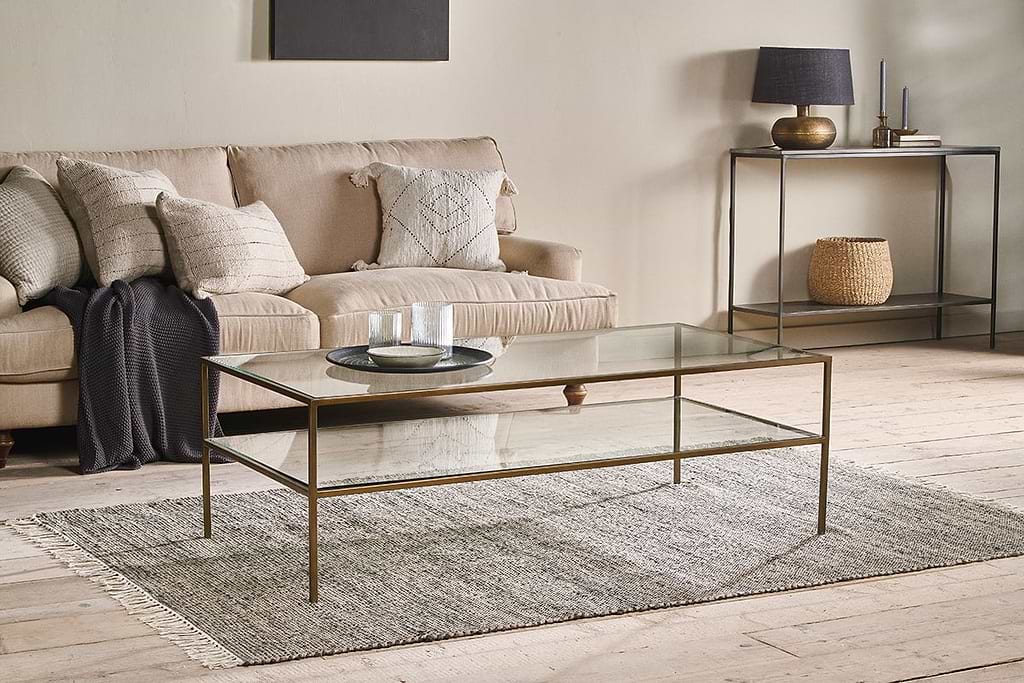
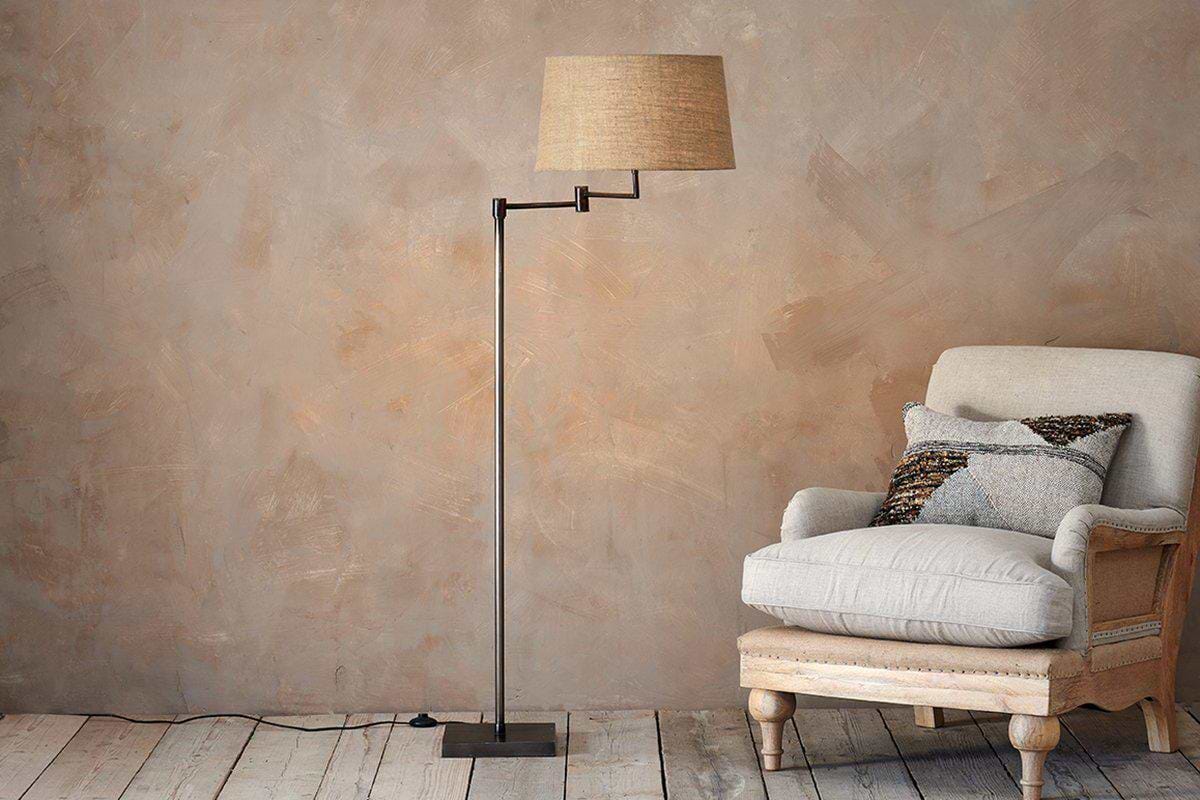
Some links above are affiliate links. If you buy through them we may earn a small commission at no extra cost to you. We only suggest pieces we think fit a calm, lived-in home.
Free guide
The Calm Shelf
12 styling ideas to help you compose calm, balanced shelves in natural texture homes.