

Most balconies and patios never quite become an extra room. They end up crowded with old chairs, dusty pots, or storage bins and not much else. So many calm, simple clay ideas for adults get skipped because these spaces feel like afterthoughts—leftover, rarely used.
With one or two small shifts, you can add grown-up clay pieces that make the outdoors feel soft, usable, and inviting. Today you’ll see how to pare back clutter, choose the right project, and place just a few handmade pieces to carve out a calm spot for coffee or quiet moments. This works especially well for a small balcony when furniture is limited because clay projects add interest without blocking precious floor space.
The short version: Clay ideas for adults focus on simple, useful projects—like trays, planters, and coasters—that bring calm texture and soft shapes to balconies or patios. Choosing the right clay and styling a few key pieces can change your outdoor area from neglected to welcoming in one afternoon.
Key takeaways
- Air dry clay is ideal for light, renter-friendly balcony decor because it needs no kiln or oven.
- A small clay dish or planter works best when placed near seating as a soft visual anchor.
- Layering two to three clay pieces creates a finished look without crowding surfaces.
- Polymer clay offers strong, bright colours for accent pieces like keychains and magnets.
- A calm outdoor space benefits from repeated matte textures to keep the look gentle, not busy.
- Where this works best
- Air dry clay or polymer clay: which is right?
- How do you make clay pieces look intentional, not homemade?
- Ring dishes and trinket trays for everyday ease
- Clay planters and vases: soft shapes for shelves and sills
- Styling and placement
- What are the biggest mistakes to avoid with balcony clay projects?

Where this works best
Clay pieces suit small patios and rental balconies because they anchor outdoor surfaces without adding clutter or needing built-ins.
Balconies, narrow patios, and small terraces have limited space for furniture. When every square foot matters, a few calm air dry clay ideas for adults work where larger decor overwhelms. These are places where a folding chair and plant pot have to do double duty.
Placing a handmade clay dish or subtle vase on a side table gives a landing spot for keys, coffee mugs, or friendly sprigs. The matte finish and soft lines add a grown-up touch that looks put together but not fragile or fussy. You can move pieces around as needed without chipping paint or drilling holes—especially key for renter balcony decor.
Avoid using oversized, brightly coloured clay objects on tiny balconies. These can dwarf an outdoor nook and make limited floor area feel tighter. A clay planter the size of a loaf of bread fits better than a heavy, knee-high urn. Simple shapes and muted tones help a small space read as calm and ordered, not crowded.
Air dry clay or polymer clay: which is right?
Air dry clay works best for larger, organic forms like vases and trays; polymer clay is suited to small, detailed items like jewellery or magnets.
For adults starting with outdoor decor ideas, the type of clay matters. Air dry clay is lightweight, dries at room temperature, and doesn’t need baking. This makes it ideal if you live in a rental, don’t want fumes, or need to keep projects simple and mess-free. Most air dry clay offers a soft, natural look, which blends into calm balcony styling ideas.
Polymer clay is easily moldable, comes in a variety of vibrant colours, and suits detailed projects such as jewellery making. Use it for a small, accent piece—a striped keychain for your plant hook, or subtle fridge magnets for an outdoor kitchen cart. Polymer clay projects bake quickly in a home oven but stay small and focused for better contrast.
Compared to heavy ceramic, both air dry and polymer clay are lighter and more flexible in how you use them. A large planter made from polymer clay will look flat and less stable than one from air dry clay. If the aim is to craft a focal tray or dish, air dry clay resists cracking better at larger size, according to most project reviewers.
How do you make clay pieces look intentional, not homemade?
A clay piece looks intentional when it has smooth, finished edges, a balanced shape, and sits alone or paired with one textured object.
At-home crafts sometimes read “unfinished” on a shelf or a table, especially outdoors. Uneven rims, rough bottoms, or awkward shapes draw the eye. To avoid this, use a simple mold—like a rounded bowl or glass—as a form while shaping both air dry and polymer clay. Sand edges lightly once dry for a slightly smoother feel.
A bare shelf reads colder than one with a single woven basket or well-placed clay trinket dish in a neutral tone. Keep the palette simple—think clay’s natural white, pale greys, or gentle blush. If you add one bold accent, keep it small and repeat the colour only once elsewhere (a clay coaster echoing a painted garden marker).
Unlike stacked DIY projects, a lone clay flower stem in a narrow vase feels considered. Instead of arranging several rough shapes on a tray, use just one textured piece next to a matte planter. This gives calm focus, especially right by a window or balcony door.
Ring dishes and trinket trays for everyday ease
A shallow clay ring dish or tray on a patio table gives clutter a home, so surfaces stay clear and welcoming.
Keys, rings, hair ties, and headphones collect in outdoor spaces—especially when you slip on shoes or water plants. An air dry clay trinket dish or impressioned tray controls this loose clutter gently. Shallow trays are easy to move, clean, and refresh with plant cuttings each week.
You can add calm texture by pressing a fern, linen napkin, or small branch into damp clay. Once dry, the imprint catches morning light, softening the piece without much work. Most adult-oriented clay ideas extend beyond decor—according to DIY Candy, ring dishes and trinket trays are among the most functional picks for grown-up spaces.
Compared to piles of scattered clutter, a ring dish or tray marks a spot for daily items and cuts down on visual noise. Place one by your balcony chair or on a low, plant-filled table for best results. A basic tray project can be made and dried in a weekend, making it practical for those looking for handmade home decor without a long wait.

Clay planters and vases: soft shapes for shelves and sills
Handmade clay planters and small vases bring softness to balcony shelves without the weight or risk of breakage common with ceramic.
Exposed shelving or railing ledges feel sparse until you fill them. Large plastic pots look bulky on a small balcony, where stability and airy views matter. A clay planter fits on narrow sills, holds herbs or flowers, and absorbs water gently, softening its finish over time.
Clay vases catch and reflect outdoor light differently than glass or metal, cutting overall shine. Their tactile surface makes an entryway feel more settled. Most air dry clay works well for short, wide planters or bud vases, while polymer clay suits mini or hanging styles due to its lighter hold.
Compared to bright, glossy resin, clay planters appear grounded but not heavy. One or two on a shared balcony shelf looks mature—three or more risks clutter unless you vary height and tone. Place them near chairs or reading spots for a gentle touch with utility.
Styling and placement
Grouped in pairs or threes, clay decor sits best on side tables, window ledges, or empty railings—never blocking movement zones or crowding surfaces.
For practical outdoor living ideas, start with placement. Clay dishes, trays, and vases work well where you place coffee or set down sunglasses. A quiet balcony corner suits a single vase. On a narrow ledge, two small planters with matching texture look finished, while a crowded cluster appears cluttered. The best tip is to give each piece space around it.
Colours and finishes matter. A palette of clay’s own white, beige, and soft grey keeps the look calm. Contrasting a rough planter with a smooth vase breaks the flow. Instead, repeat one texture—matte or pressed pattern—so each piece feels part of the same scene. Most decorators suggest no more than three visible clay items per five feet of surface for balance.
A bare table or railing can look forgotten next to a single clay dish and a plain mug. When styling, space each piece at least a hand apart and angle them slightly—never in a straight line. Adding a linen runner under trays stops pieces from scraping and adds softness.
Quick calm checklist:
- Stick to one or two natural clay tones—avoid too many colours.
- Leave space around each piece (never lined up edge to edge).
- Pair rough texture with smooth for gentle contrast.
- Use trays and dishes where clutter collects (by doors, on tables).
- Repeat one motif—like pressed leaves or stripes—to tie pieces together.
What are the biggest mistakes to avoid with balcony clay projects?
Most clay pieces fall short when they are too large, painted with loud colours, or placed in high-traffic areas where they get bumped or cracked.
Overdecorating is a risk—especially when inspired by many air dry clay project ideas online. If you fill ledges with multiple bright pieces, the space starts to feel crowded fast. Choose one larger object—like a planter—and one small item—a dish or trivet—rather than many tiny or oversized crafts.
Painting clay with heavy glazes or vibrant acrylic creates a look that stands out, but often reads amateur if the finish is uneven. Stick with soft washes or the plain natural tones of the clay, especially for garden markers, coasters, or trays. Busy or harsh patterns show smudges quickly outdoors, while neutral texture hides wear and sunlight changes over time.
Surfaces matter too. Positioning clay items in “knock zone” areas—a balcony step, busy path, or loose table—risks chips and cracks. A stable secondary shelf or a low, weighty table makes the most of each piece. With regular movement, pieces last longer near walls, away from direct foot traffic. A clay piece works best when placed where hands naturally rest or pause.
Most outdoor corners feel off when there’s no single anchor—a tray, dish, or planter catching both light and your eye. People notice the disconnect when their balcony is tidy but forgettable, or cluttered but doesn’t invite them to linger. Recognising that moment lets you pull back, clear space, and choose a grown-up clay feature to set the tone. Reducing visual noise (too many mismatched objects) means your few, well-chosen clay pieces have presence and purpose.
Too often, people crowd small balconies with loose, scattered objects, making them feel busier and less relaxing. Extra trinkets or bold paint can turn a calm spot into a chaotic one very quickly. Once the space feels gentle and clear, adding the right clay piece gives you a practical perch and a sense of quiet progress. Save this idea for later.
What tends to hold up with outdoor clay decor and calm balcony layouts
Neutral, matte clay objects consistently win for long-term use. Reviewers rate air dry clay vases and trays higher for shelf stability than ceramic or plastic in open spaces, since they don’t glare or feel too precious to move.
Decorators often recommend limiting each outdoor zone to one or two handmade elements per small surface—an approach that stands up over seasons as trends change. Clay shows best where light hits softly and hands can use it often, not just for display.
— Mara, Loom & Glow
Common questions
What to make out of clay for adults?
Adults can make practical home pieces out of clay, such as vases, planters, trays, coasters, jewellery dishes, and wall sconces. Grown-up projects work best when they combine subtle design and everyday function on shelves, sills, and tables, blending into calm outdoor spaces without looking childish.
What are some clay art ideas for beginners?
The easiest clay art ideas for beginners include small trinket dishes, coasters, magnets, and simple vases. Air dry clay keeps the process simple—no kiln or oven needed—so pieces are quick to finish and style in real rooms. Focus on smooth edges and one soft texture for best results.
Is clay a good hobby for adults?
Clay is a rewarding hobby for adults because it’s relaxing and produces objects you can actually use at home. Simple starter sets let you learn basic shapes and finishes before moving to more complex forms. Working with clay can give you quick results or long-term projects based on your interest and time.
What can I make out of clay to sell?
Popular clay items to sell include ring dishes, planters, wall hooks, keychains, jewellery trays, coasters, and kitchen trivets. Pieces with smooth finishes and useful forms appeal most in markets or online shops. Neutral tones and small-batch texture give these projects broad appeal for grown-up buyers.
Explore more calm combinations inside our Shop The Look .
Shop the Look
Two Nkuku planters that pair beautifully with handmade clay work.
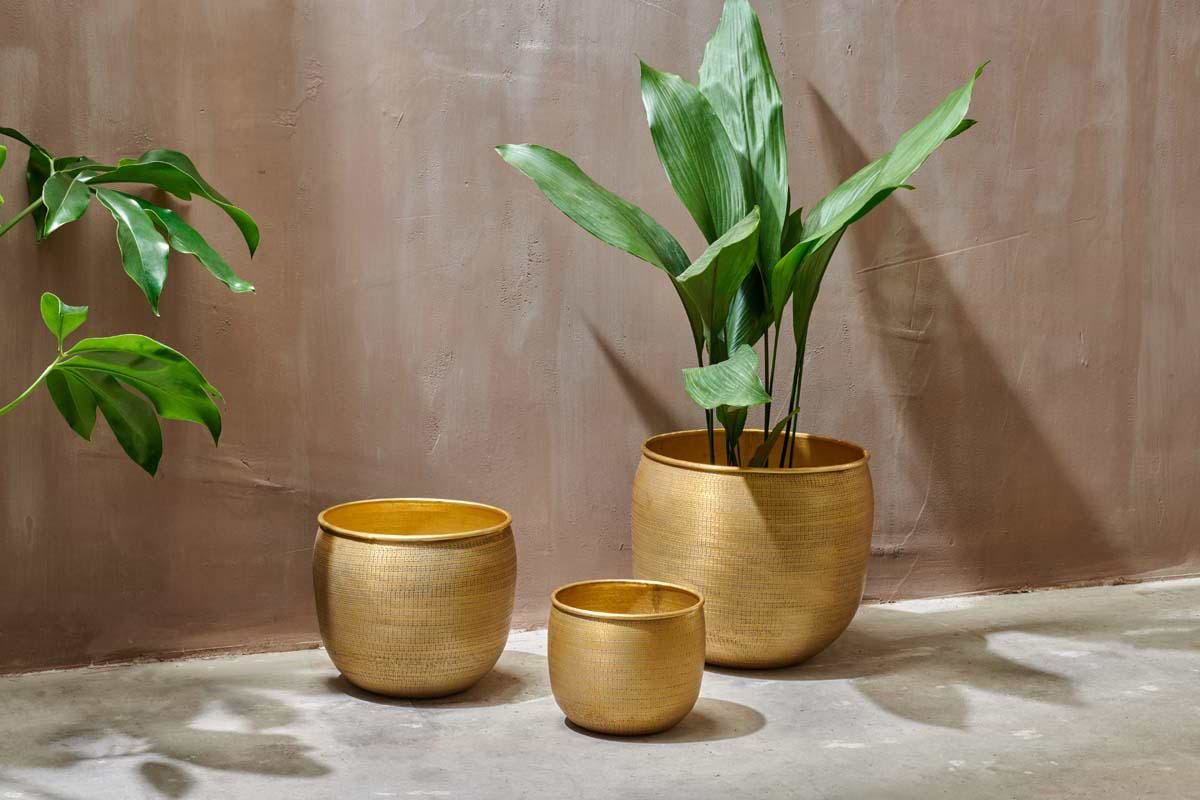
Tembesi Etched Planter
Antique brass with detailed metalwork — refined accent for plant displays.
View at Nkuku →
Some links above are affiliate links. If you buy through them we may earn a small commission at no extra cost to you. We only suggest pieces we think fit a calm, lived-in home.
Free guide
The Calm Leaf
12 quiet ways to bring dried botanicals, stems, and natural textures into calm spaces.