

The best air dry clay for home decor is a fine paperclay or DAS that dries hard with subtle matte texture and requires no kiln. Choose based on how it feels in your hand and its drying strength: Creative Paperclay is lighter and forgiving for beginners making bowls and coasters; DAS is sturdier for larger pieces; porcelain paper clay offers the smoothest, most refined finish for sculptural vases or trays. Prevent cracking by drying pieces slowly on a flat surface, away from radiators or direct heat.
Too many side tables crowding a room can make it feel frantic, but the wrong kind of handmade accent, especially if it looks fussy or cracks easily, leaves the space still unfinished. The best air dry clay for home decor solves both: it fills the gap with simplicity, texture, and a personal hand, without the fuss of firing or extra equipment.
Today, you’ll learn how to choose, handle, and style air dry clay for calm, mindful home decor. We’ll cover simple swaps that work even in tight layouts or rentals, removing extra pieces, picking one anchor material, and giving each surface breathing room. This works especially well in a small living room when floor space is tight because a handmade object can add focus without taking over.
The short version: The best air dry clay for calm, handmade home decor is a fine paperclay or DAS that dries hard with subtle matte texture, never needing a kiln. Choosing the right clay and method leads to a quieter, more personal space with less clutter and more presence.
Key takeaways
- Most air dry clay projects succeed when you keep the palette simple and the shapes unfussy.
- DAS Modelling Clay and Creative Paperclay handle differently, even though their specs are similar, according to Susie Benes.
- Archival-quality clays matter if you want pieces that last and stay colour-true, especially for gifts or keepsakes.
- Air dry polymer clay offers more flexibility than traditional options, making it suitable for fine detail work.
- Many calm home decor looks use only one or two handmade pieces on a surface to avoid fussiness.
- What makes an air dry clay good for mindful home decor?
- How to choose between DAS, Creative Paperclay, and porcelain paper clay?
- The best air dry clay for beginners making bowls and coasters
- Where this works best
- Styling and placement
- How can you prevent cracking with air dry clay?
- Is polymer clay better than air dry clay for slow living decor?

What makes an air dry clay good for mindful home decor?
A good air dry clay for mindful home decor dries evenly, keeps its shape, and holds subtle texture without flaking or sagging.
In a slow living home, the objects you choose should work with daily routines, not against them. A vase that feels pleasing to touch, a tray that can be wiped clean, a bowl that’s lightweight enough to move from shelf to table, air dry clay makes these pieces accessible without heavy craft skills or equipment. The result is personal but still practical, fitting ordinary habits.
Different clay brands matter less than the feel in your hand and the strength once cured. A rough, sandy clay usually cracks more, while a finer one allows cleaner lines and softer curves. This cause-effect is visual: the smoother the clay, the more refined and calm the result. A rough edge catches light and shadow; a fine clay keeps details subtle and soft.
Compared to mass-produced ceramics, even a plain air dry clay cup feels lighter, gentler, and much less likely to glare under overhead lights. Handled correctly, it becomes the visual anchor on an open shelf or sideboard, showing handmade touches in a way thick, commercial gloss never does. For a practical start, try making air dry clay bowls for keys or salt; they keep clutter down and lift the mood of even a small entry table.
How to choose between DAS, Creative Paperclay, and porcelain paper clay?
DAS, Creative Paperclay, and porcelain paper clay each handle differently: DAS is sturdy but less refined, Paperclay is lighter for details, porcelain paper clay offers the smoothest finishes.
Most people start with DAS Modelling Clay because it’s easy to find, affordable, and works for nearly any home craft. Creative Paperclay feels softer in the hand, dries lighter, and sands for a powder-smooth finish. Porcelain paper clay is the best choice for sculptural vases or thin-walled trays, its velvety texture hides fingerprints and holds delicate shapes. Switching between DAS and Creative Paperclay requires more than just swapping the brand; according to Susie Benes, the handling is different, and each takes water and detail in a different way.
A DAS bowl comes out denser, with a slight grain, good for larger, rougher pieces that don’t need intricate lines. Creative Paperclay bends a little as it dries and is less likely to crack on curves, making it good for small coaster stacks or sculpted trays. Compared to these, porcelain paper clay dries harder and looks closest to fine ceramics, but can be a little more brittle in thin spots.
Unlike basic craft clay, artist-grade paperclays are tougher and best for pieces that are picked up daily, utensil holders, match strike pots, stacking dishes. For a calm home aesthetic, using the smoother clay gives a softer look, while a grittier DAS piece settles in well with rustic, linen-heavy rooms.
The best air dry clay for beginners making bowls and coasters
For beginners, Creative Paperclay is often the easiest air dry clay for bowls and coasters because it’s forgiving to shape, dries without much shrinkage, and sands smooth.
A small apartment with shared surfaces benefits from handmade bowls or coasters because they don’t have to match existing dishes or fit a big set. Paperclay shapes well even if your first few tries aren’t precise. Most beginners have fewer issues with fingerprints showing or sides collapsing on Creative Paperclay, so you can relax and enjoy the making part.
The practical rule: a home-made object from paperclay, or even a basic air dry clay idea, works best when you keep the shape broad and avoid thin, sharp edges. Thick lines stand up to daily use and cleaning. Compared to oven-baked options, air dry clays let you skip the oven (or kiln), so timing and placement become more flexible, especially for rental kitchens or craft tables in shared rooms.
Instead of buying a matching set, keep just two or three handmade pieces per space. A single low-edged bowl by a bed holds rings, lip balm, or headphones, cutting clutter without another tray or box. The bowl or stack sits quietly in the corner but creates a feeling of order, even in scattered rooms.
Where this works best
Handmade air dry clay decor fits best on surfaces with breathing room, such as a low bookshelf or single bedside table.
A calm home aesthetic requires places to pause; this works for bedrooms with low light, living rooms without much wall space, or hallways too narrow for extra furniture. On a floating shelf, a clay object draws focus without crowding out plants or frames. In a small kitchen, a handmade tray under an olive oil bottle or salt cellar replaces heavy-looking caddies.
People often overlook the feel under their fingers: paperclay bowls are lighter than ceramic and less likely to chip in a bathroom or entry. Placing a neutral clay piece on a white or pale wood surface works because the textures build quiet contrast, and matte or unfinished surfaces stop light from bouncing too harshly.
Avoid grouping too many clay pieces side by side on a shelf or dresser, this common mismatch ends up looking more like craft storage than decor, and can make a surface look busier, not calmer. Instead, place one air dry clay item on each major surface: a dish by the front door, a cup on the window ledge, a textural object (like the Ama Cup & Saucer – Splatter style) on a stack of books.

Styling and placement
Air dry clay pieces look their best when spaced out, paired with natural fibres, and shown on light, uncluttered surfaces.
Start by choosing a single, toned-down palette. Most slow home ideas rely on layering just one or two textures, like a clay dish on a linen runner, or a matte tray with a small branch of dried seed pods. Paler clays highlight soft grains in wood or neutral paint, making the edges fade in gently. A dark clay or a spot of color can anchor an otherwise quiet shelf, if used with restraint.
For rental homes or shared rooms, keep clay objects light and easy to move. Styling is practical: place a cup or saucer away from heavy traffic zones, a low dish in the middle of a table, or a small hand-formed vase on a tray so it can move with the sun. Placing a single bowl on a wide windowsill reads calmer than a whole group cramped together.
Quick calm checklist:
- Use natural materials: pair clay with linen, jute, or pale wood.
- Limit to one clay piece per major surface.
- Keep palette neutral or muted; work with unfinished or matte textures.
- Leave space around each piece, empty shelf space feels softer than packed surfaces.
A bare shelf reads colder than one with a single clay tray or bowl, and a clay cup on a soft runner absorbs midday or evening light with no harsh reflections. Pieces work best when placed where hands often land: by a door, on a bedside ledge, beside a lounge chair.
How can you prevent cracking with air dry clay?
To prevent cracking, let air dry clay pieces dry slowly on a flat, open surface, turning them gently to avoid warping and stress.
Clay cracks most often when it dries unevenly, near a radiator, in full sun, or if left sitting on cold stone countertops. Drying pieces on a wooden board or thick cloth slows down water loss, so the sides and base cure at the same pace. Covering the piece loosely with a cotton towel for the first day helps larger bowls keep shape without drying out too fast.
Different brands behave differently: DAS tends to shrink in thick shapes, while Creative Paperclay will flex slightly but resists cracks if kept out of rush airflow. Thin edges or very sharp turns invite fractures, smooth these down before leaving to dry, and keep the shape gently curved for strength. Commonly, a hand-formed bowl will be dry to the touch in about two days, but the interior may need another day or so to finish hardening.
If you spot small cracks, a dab of water and leftover clay can smooth over the join, but avoid patching once the piece is fully dry, this often makes the fix stand out more. Keeping wall thickness even helps, since thinner bits dry faster than thicker ones and pull against each other. The trick is patience: slow drying is nearly always better for achieving a lasting, calm home accent.
Is polymer clay better than air dry clay for slow living decor?
Polymer clay sets harder and can handle finer detail, but air dry clay suits a slow living home thanks to its matte, hand-touched finish and softer look.
Air dry clay and polymer clay differ not only in process but in lived effect. Polymer clay (like Sculpey) must be baked to cure; it comes out fully waterproof, glossy, and tends to feel less organic. Air dry clays cure in free air, keeping a gentle surface and faint tactile feel that homemade pieces display well, even in a low-light or quiet room setting.
The best air dry clay for mindful home decor dries to a subtle finish, allowing texture and hand marks to show slightly, which matches slow home ideas and hygge home decor moods. Some makers find polymer clay easier for very small, sharp details or jewelry; for larger room pieces, like texture experiments and bowls, air dry clay wins on looks and feel. According to Susie Benes, air dry polymer clay is its own category and can offer some of both worlds if you want flexibility.
Unlike polymer, air dry clay often leaves a more forgiving, approachable look that fits calm home aesthetic and easy styling. If you want to try both, start with a single bowl or trinket dish in each and see which fits your surfaces and pace of living more naturally.
What tends to hold up with slow, handmade decor projects
From reviewing slow home ideas and mindful home projects, it’s clear that the pieces which last in daily use are those that match the pace of home routines. Matte finishes get recommended again and again for open shelves and windowsills because they help avoid glare and soften visual edges. Reviewers consistently note that finely smoothed paperclay objects resist chipping and mark less easily than heavier, denser clays, making them suitable even for spaces with pets or children.
Decorators and stylists find that a little negative space around a handmade object almost always outperforms even the best arrangement of clustered small items. The visual pause gives weight to the handmade detail, letting the eye rest and the room breathe. Keeping to neutral, tactile materials seems to ground the choice, giving the slow living home a sense of ease and calm that lasts beyond the first week.
, Mara, Loom & Glow
Can you use air dry clay in a rental or small apartment?
Yes. Air dry clay works especially well in rentals and small apartments because it requires no oven or kiln, so you can make pieces on shared craft tables or kitchen counters without special equipment. Handmade bowls, coasters and trays are lightweight, easy to move between surfaces, and take up far less visual weight than mass-produced ceramics. A single paperclay bowl by your bed holds rings or headphones and cuts clutter; a small tray under an oil bottle on the kitchen shelf replaces heavier caddies. Because pieces dry slowly at room temperature, you can work at your own pace-ideal when you have limited, flexible space.
What is the difference between air dry clay and polymer clay?
Air dry clay dries by exposure to air and needs no heat, making it simpler for beginners and better suited to calm, minimal decor pieces. Polymer clay requires oven baking and offers more flexibility for fine detail work, but adds a cooking step and isn’t ideal if you share kitchen space. For home decor that feels handmade and textural without fussiness, air dry options like paperclay or DAS are quieter choices-they dry to a soft matte finish that pairs naturally with linen, pale wood and open shelves. Polymer clay tends to feel more plasticky and craft-like once baked.
Common questions
Which is the best air drying clay?
The best air drying clay for most home decor projects is Creative Paperclay or DAS Modelling Clay. These clays are easy to handle, dry to a consistent finish, and are widely available. For finer details and smoothness, opt for porcelain paper clay or artist-grade clays if your project will be handled a lot.
Is there an air-dry clay that doesn’t crack?
No air-dry clay is entirely crack-proof, but Creative Paperclay and DAS are less likely to crack if dried slowly and kept out of direct heat. Keeping thickness even and allowing gradual drying on a soft, absorbent surface reduces cracking for most standard projects at home.
Do professionals use air-dry clay?
Professionals do use air-dry clay, especially for prototypes, quick models, or gentle-use decor. Many artists recommend archival-quality clays, like DAS or Creative Paperclay, because they last and keep colour better for handmade objects and gifts, as discussed in this guide.
What’s better than air-dry clay?
For waterproof, dense, or fully food-safe decor, kiln-fired ceramics are better than air-dry clay but require special equipment. For fine detail and strength, polymer clays such as Sculpey or air dry polymer clay can suit some decor projects, especially small or intricate pieces.
Explore more calm combinations inside our Shop The Look .
Shop the Look
A couple of Nkuku vases that celebrate handmade surfaces and quiet glazing.
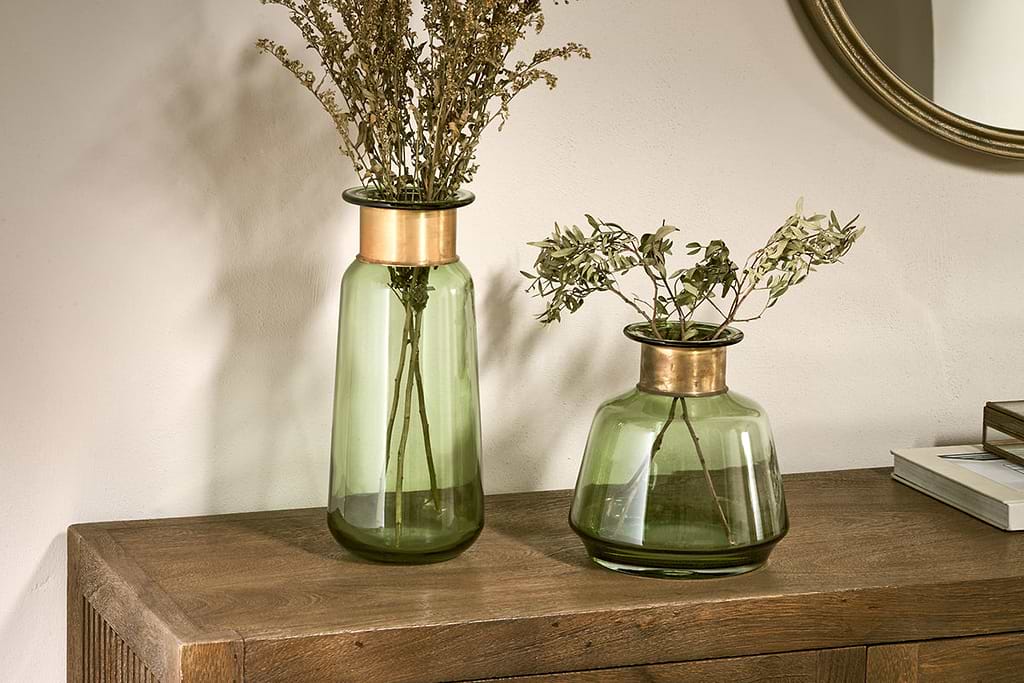
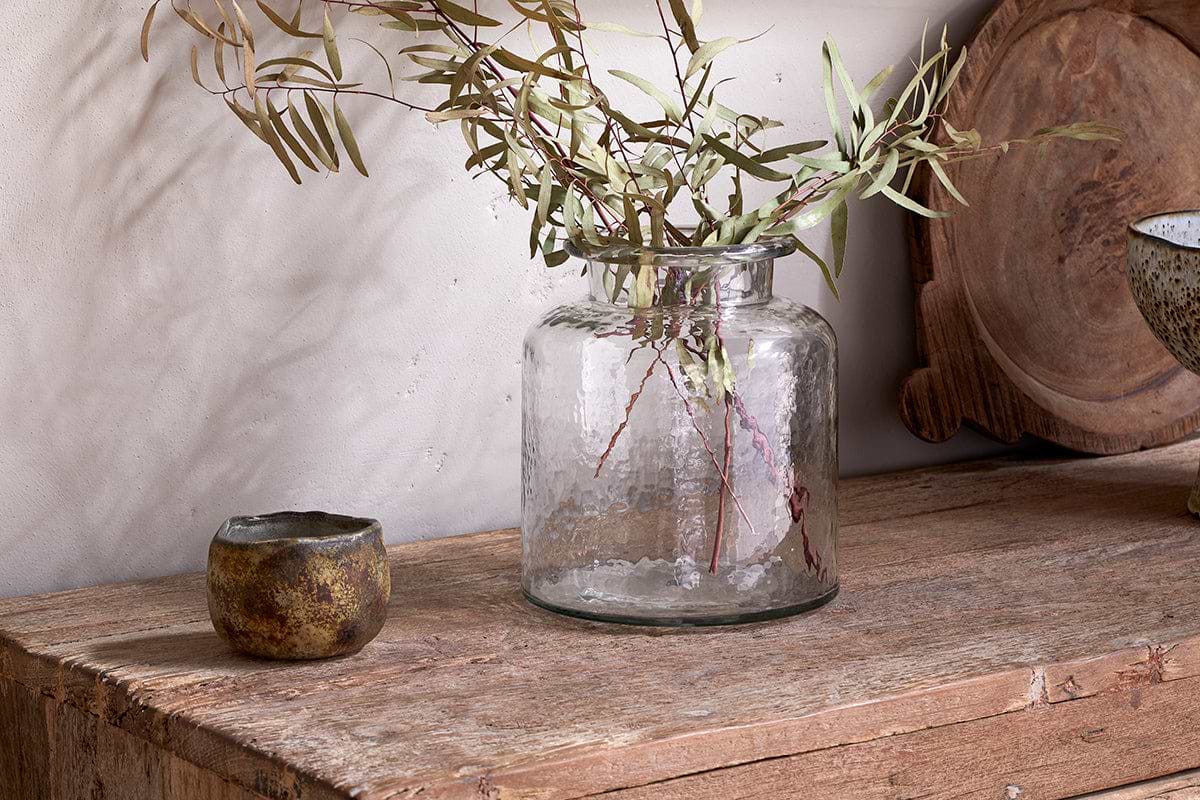
Akra Recycled Glass Vase
Clear cylindrical glass, pairs with stems or sits empty as a quiet accent.
View at Nkuku →Some links above are affiliate links. If you buy through them we may earn a small commission at no extra cost to you. We only suggest pieces we think fit a calm, lived-in home.
Free guide
The Calm Shelf
12 styling ideas to help you compose calm, balanced shelves in natural texture homes.