

Most very small bedroom ideas look simple online but turn tricky in real life, especially when you have wardrobes that barely close and floors cluttered with shoes. Trying to bring in natural textures like rattan and linen often ends up feeling busy instead of restful, especially in a cramped room where every object competes for space.
By the end of this guide, you’ll see the order for mixing jute, linen, rattan, and wood without chaos. You’ll know what to pare back and how to anchor the look. This works especially well in a small guest room, main bedroom, or rental when space is tight because clear rules keep the room from feeling heavy or cluttered.
The short version: Very small bedroom ideas for rooms under 3 square metres work best when you limit your furniture to essentials, use natural textures sparingly, and stack storage vertically. Using a single focal point and refining color choices make tight rooms remain calm and functional.
Key takeaways
- A platform bed with built-in drawers doubles storage without taking extra floor space.
- Wall sconces and narrow shelves replace nightstands in rooms with almost no floor area.
- One stripe or vertical motif adds height; repeating textures creates calm, not noise.
- Pale shades work well in low-light bedrooms and are easy to mix with organic home decor.
- Floor-to-ceiling curtains make the room feel taller, according to Dreams’ small bedroom tips.

What actually fits in a bedroom under 3 square metres?
A very small bedroom under 3 square metres can fit one narrow bed—such as a day bed or low platform—a slim wardrobe, and one small shelf or wall sconce. More than two bulky items usually crowd the room and reduce usable floor area.
A typical tight bedroom only has space for a single bed pressed against a wall, often with the window or heater dictating the placement. Any bedside table likely overlaps with the bed edge, so most people opt for a thin shelf or none at all. Wardrobes must be narrow and tall, or else clothes end up in visible baskets beneath the bed.
Day beds with built-in drawers or a basic platform bed frame are common because they allow storage below without adding extra weight above the floor line. Unlike double divans or ornate wooden headboards, these lower beds let the room breathe and give a place for woven baskets or linen under-bed boxes.
A room like this often feels tight when every surface is used for storage. Limiting your pieces to the bare essentials keeps the floor visible and the space feeling open, even when beds are tucked into odd corners. A floating shelf next to the pillow replaces a bulky nightstand, holding a small glass of water and a paperback.
In practice, the room feels much less crowded if you repeat the texture or color of the bed in one other object, such as using a rattan tray on a pine shelf. Unlike a busy arrangement of different baskets, this pairing settles the look and avoids the jumble that can so easily happen in tight areas.
A typical guideline: a small room reads best when you leave at least half the floor clear and avoid crowding both walls at once.
For more sample layouts, layout tricks for very small bedrooms offers detailed examples for fitting the essentials without crowding.
Where this works best
A pared-back, earthy approach works best in small bedrooms with little light or odd corners and in rentals where floor area is limited. Good placement matters more than expensive furniture in these tight rooms.
Rooms with almost no space benefit from these ideas most—think guest rooms, attics, box rooms, small apartment bedrooms, and rental flats with awkward doors or windows. The method also suits shared sleeping spaces, where one bed must slide under another or tuck behind a screen.
Using natural material home decor lightens the feel. A jute rug on a wood floor softens the step beside the bed. Linen bedding looks clean and is light enough to move for weekly laundry, unlike heavy quilts that can drown the limited space.
Avoid sticking large chests, boxy wardrobes, or multi-drawer dressers in these rooms. They block walking paths and often end up as a dumping ground for laundry or bags. If a piece doesn’t earn its footprint, leave it out. Stick to one vertical storage unit—a tall, narrow wardrobe or a wall-mounted rail works well and keeps corners free.
A room with a slim bed, a single wardrobe, and natural textiles stays visually open and simple to maintain. This lets you bring in organic home decor without feeling overwhelmed by things.
If the architecture includes sloped ceilings, a platform or day bed fits under the low side, freeing the rest for storage or a mirror. The bed anchors the visual focus so the other objects do not have to compete for notice.
A bedroom like this holds up well over time and cleans quickly, since there are fewer things to dust or move aside. Streamlined decor can feel more relaxing by taking five minutes to tidy at day’s end.
How do you keep natural textures from clashing?
Using just one or two natural textures—such as jute and linen—keeps a small room from feeling busy. Pair each surface: woven with smooth, solid wood with light fabric, to prevent visual noise.
It is easy to get carried away adding baskets, wooden trays, and different weaves, especially when layering organic home decor. However, too many different fibers side by side look messy, not relaxed. In a very small bedroom, choose either a jute rug or a large woven basket, not both on the same side of the bed.
A linen duvet on a plank bed softens the strongest lines and never looks heavy. Compared to a busy patchwork of cottons and blends, linen’s texture feels cool and quietly patterned, even in neutral home decor ideas. Set a clay bowl on one open shelf and keep the rest wood or white for a calm finish.
Repeating one visual motif, such as vertical wood slats, can tie the look together. Patterns are tricky—if you add a striped throw or pillow, keep other surfaces plain and light. Architectural Digest’s small bedroom ideas recommend choosing a statement headboard or one patterned wall, but not both, for this reason.
Try not to use more than two main colors. Pale sand and off-white hold up best; richer browns work for baskets or accent objects placed away from the window, where they don’t draw too much notice. Simple materials, like washed cotton or unfinished pine, reflect light softly and never read stark.
On a busy morning, you’ll appreciate that things look calm even after being tossed down. A wooden tray on a linen throw absorbs clutter and gives your eye somewhere to rest.
A single striped pillow on a neutral bed is more soothing than three patterned pillows mixing checks, florals, and stripes.
Choose a bed frame that does not eat the room
A platform bed or day bed with built-in storage lets you skip bulky frames and uses vertical space efficiently. Lower beds keep the room from feeling top-heavy.
Wirecutter’s tested storage picks include the IKEA Malm storage bed and under-bed drawers that maximize usefulness without extra clutter. Day beds, especially those with pull-out trundles or drawers, solve the daily need for storage beneath the sleep surface. IKEA’s HEMNES frame with three deep drawers is a renter favorite, as tall baskets slide right in. See Wirecutter’s tested storage for more.
Unlike an elaborate four-poster or footboard, a simple platform keeps sight lines open. These beds allow you to tuck boxes, baskets, and folded seasonal bedding beneath, instead of using up precious wall space with extra cabinets or bins.
Divan beds tend to feel blocky and add weight where the room can’t handle it. A low day bed or trundle, as seen in The Rosie Wooden Day Bed review, doubles for guests and stores shoes, sheets, or out-of-season clothes underneath.
If you use a sheet or linen cover, match it to the wall shade or keep it lighter than the floor for the least visual bulk. This is the spot for one accent, such as a woven home decor pillow or a rattan tray—repeat the texture on the opposite side of the room for balance.
Many storage beds fit standard under-bed organizers. Clear drawers, such as Wirecutter’s Iris Under Bed Drawer, save you digging for socks or scarves in the dark.
For layout inspiration, small bedroom ideas compares styles that open up tight footprints.

Push storage upward, not outward
Tall wardrobes, floating shelves, and wall-mounted hooks use more wall space and leave the floor clear. Slim vertical storage avoids crowding low, wide pieces against every wall.
A bookcase headboard or a skinny armoire fits in ways a deep chest cannot. In a rented flat or an odd-shaped small apartment bedroom, a wardrobe that is wider than it is tall feels bulky and blocks the light. Tall storage lets you keep the middle of the room free for moving around.
Most floating shelves for bedrooms are only deep enough for a few paperbacks or a plant. Architectural Digest’s small bedroom ideas also recommend using wall sconces in place of bedside tables, so you can slide the bed against the wall and still have a spot to read.
Compared to bins or baskets on the floor, wall hooks and rails use empty space above the eye-line and create less visual weight. This contrast is especially clear in rental bedrooms with shallow closets—rail storage works much better than a boxy dresser for daily clothes.
Keep shelf styling simple: one open shelf above the bed or desk with a light accent—such as a clay cup, a rolled towel, or a single framed print. Too many small items look cluttered and make dusting hard.
Most renters can use adhesive hooks if drilling isn’t allowed. Transparent storage boxes work well on higher open shelves, especially in low-light rooms where closed dark bins would make the space feel heavy.
House & Garden notes that even a patterned wall or bold paint color works in a small space, as long as you avoid crowding shelves with too much equipment or storage—one display shelf at eye-level is often enough.
| Storage Type | Best For | Visual Effect |
|---|---|---|
| Tall wardrobe | Clothes, shoes, bags | Makes ceiling feel higher |
| Floating shelf | Books, a small tray | Keeps floor clear |
| Under-bed drawer | Bedding, out-of-season items | No extra visual weight above floor |
| Wall hook/rail | Daily use clothes, bags | Minimal presence, easy to reach |
For expanded storage solutions, see storage solutions for small bedrooms for more.
Styling and placement
Simple placements—bed in the corner, shelf above the pillow, curtain hung high—reduce noise and help the small room feel larger. Repeating two textures or one pattern keeps the look calm.
Place the bed against the longest wall. This usually leaves one walking line open and makes space for a wardrobe or tall shelf beside the door. In a micro-bedroom, pushing the bed into a corner is often the only workable option and frees up more room for movement.
If your layout allows it, put the wardrobe or tall shelf away from the window. This prevents blocking light and keeps corners usable for changing or setting down bags. A mirror should hang where it reflects daylight, not the clutter on a shelf or desk—often beside the door, not directly across from the bed.
Nightstands rarely fit in these rooms. Swap them for a wall sconce and a narrow floating shelf. Architectural Digest’s small bedroom ideas feature wall-hung lights and shelves to save every needed inch.
Quick calm checklist:
- Limit the palette to two main natural textures and a pale wall color.
- Use a single wall-hung shelf or sconce as a bedside “table.”
- Repeat one pattern or vertical line (e.g., a striped pillow and a matching curtain).
- Keep the floor clear except under the bed.
- Hang curtains as close to the ceiling as possible for height.
Unlike movable trolleys, wall shelving and sconces free up more of the walkable area. Setting limits to color and materials is what keeps organic home decor usable and calm, not overwhelming.
To experiment with color and materials in tight quarters, calm bedroom palette shares small space-friendly ideas.
What makes a small bedroom feel calm?
Repeating one natural material, limiting patterns, and keeping surfaces clear create a calm feeling in a very small bedroom. Pale colors and lightweight bedding soften light and keep the room from feeling crowded.
The right calm comes from clear surfaces and gentle textures. A cotton or linen throw, folded at the foot of the bed, softens the room’s lines without adding clutter. Repeat the same fabric in a pillow or a curtain—using too many finishes looks messy and unsettled, especially late in the day when natural light is flat.
Floor-to-ceiling curtains, especially those lighter than the walls, make the ceiling appear higher and diffuse light gently, according to Dreams’ small bedroom advice. A striped motif, either on the bedding or floor rug, can stretch the space visually if not repeated elsewhere.
Earthy home decor comes naturally to small spaces: unfinished wood, neutral linen, and matte clay objects all absorb glare and prevent reflection. Unlike shiny metal finishes or glossy painted furniture, these keep the space feeling soft and forgiving to daily mess.
A bare shelf reads colder than one with a single jute basket. Paler shades work well when your room gets little natural light, especially in rental flats with north-facing windows. Dark walls can work, but only with crisp white bedding and plenty of open space on each side of the bed.
Small rooms often feel more restful when used for a single purpose. Keep gear and work items elsewhere when possible. A Murphy bed or fold-down desk is worth considering in a one-room studio but should be used only if really needed, as moving things daily can add stress.
Designers often suggest using mirrors to add depth. Place the mirror to catch daylight from the window, never across from a shelf or storage area. Doing this highlights clean lines and avoids reflecting shoes and laundry piles.
What tends to hold up with very small bedroom layouts
Experienced designers and renters alike say that focusing on what you touch and see first—such as lightweight bedding and tall storage—makes the biggest difference. Reviewers frequently mention that matte finishes and pale colors keep even darkest rooms from feeling gloomy. Surfaces you can keep clear and objects you really use day after day seem to be the solutions that last.
Simple wooden frames remain popular, as they work with any neutral palette and survive years of use. Natural fabrics like linen hold up to weekly washing and still look fresh. Vertical storage and high curtains get repeated again and again as tools for gaining light and keeping needed emptiness in a very small room.
— Mara, Loom & Glow
Common questions
What’s the smallest you can make a bedroom?
Most building guides classify anything under 3 square metres as below standard for a permanent bedroom. Still, you can sleep comfortably in a well-ventilated room with just enough floor space for a bed and clear path to the door. Many small bedrooms in city apartments use as little as 2.5 square metres, but always check local code.
What colours make small bedrooms look bigger?
Pale shades like white, cream, and light sand make small bedrooms appear larger by reflecting more natural light. These colors blend well with organic home decor and help soften the edges of tight spaces. Keep accents minimal to avoid visual noise.
What to do when your bedroom is too small?
Remove any furniture that blocks movement and use wall storage instead of heavy drawers or tables. A bed with built-in storage and wall-mounted lights leaves more floor area open. Choose calming, natural fabrics and keep colors simple to make a tight room feel more restful.
How to make a small bedroom feel cosy?
Layer a soft rug, add a linen throw or textured pillow, and use dimmable wall lighting for a cosy feel in a small bedroom. Choose earthy home decor in gentle finishes like wood and rattan. Avoid overcrowding by sticking to a few essentials and leaving surfaces clear where possible.
Explore more calm combinations inside our Shop The Look .
Shop the Look
Vertical and wall-mounted pieces that lift a tiny bedroom without crowding it-a slim lamp, floating shelf, and a small mirror.
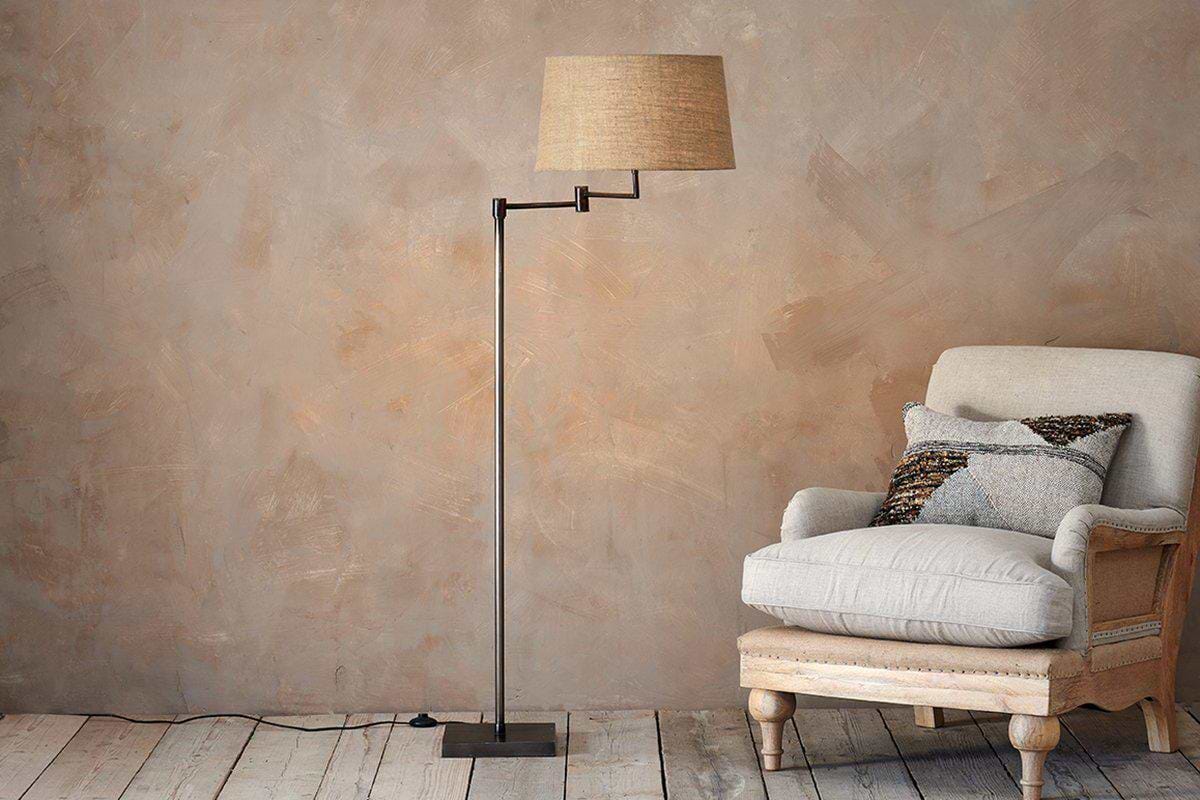
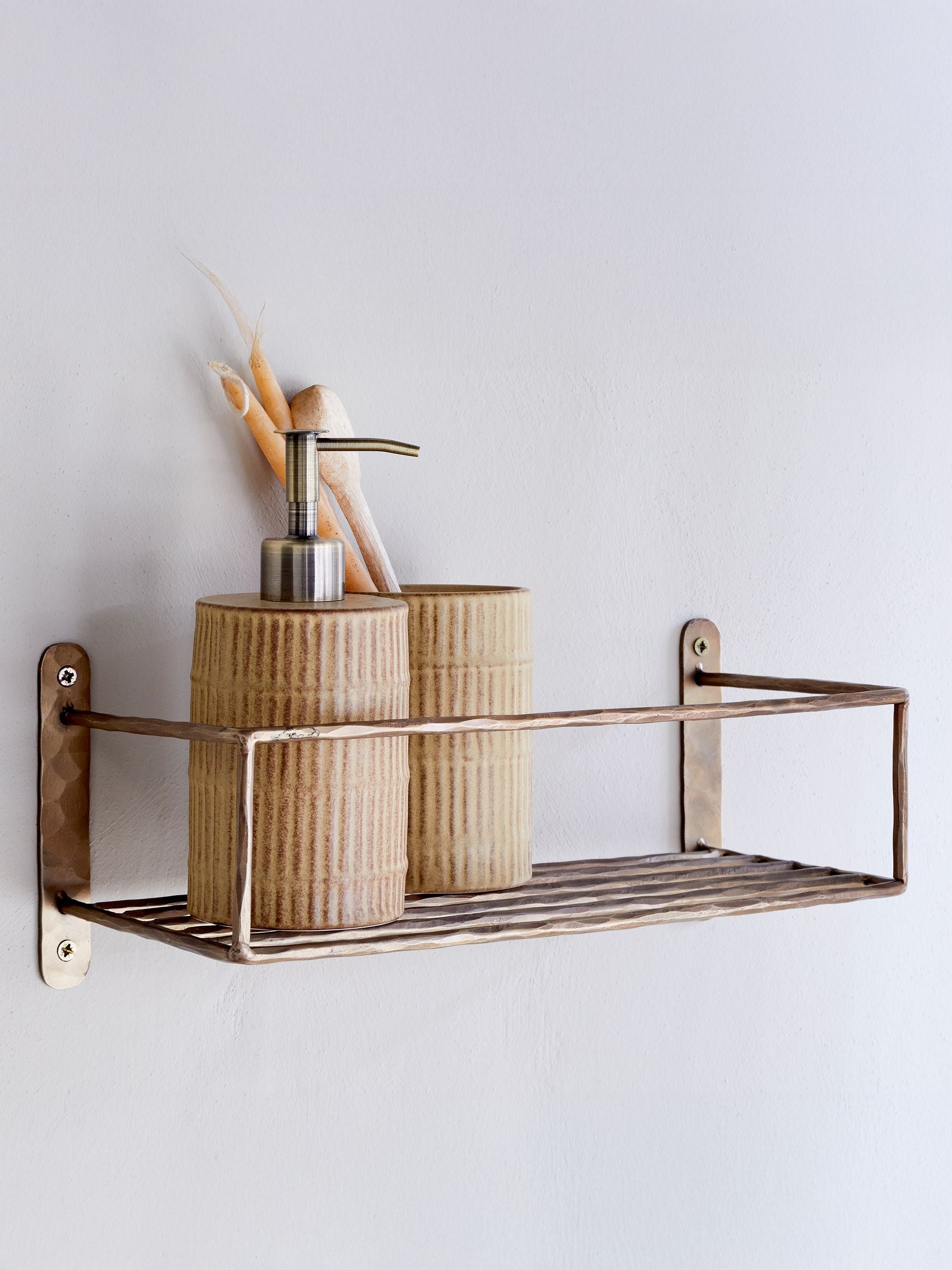
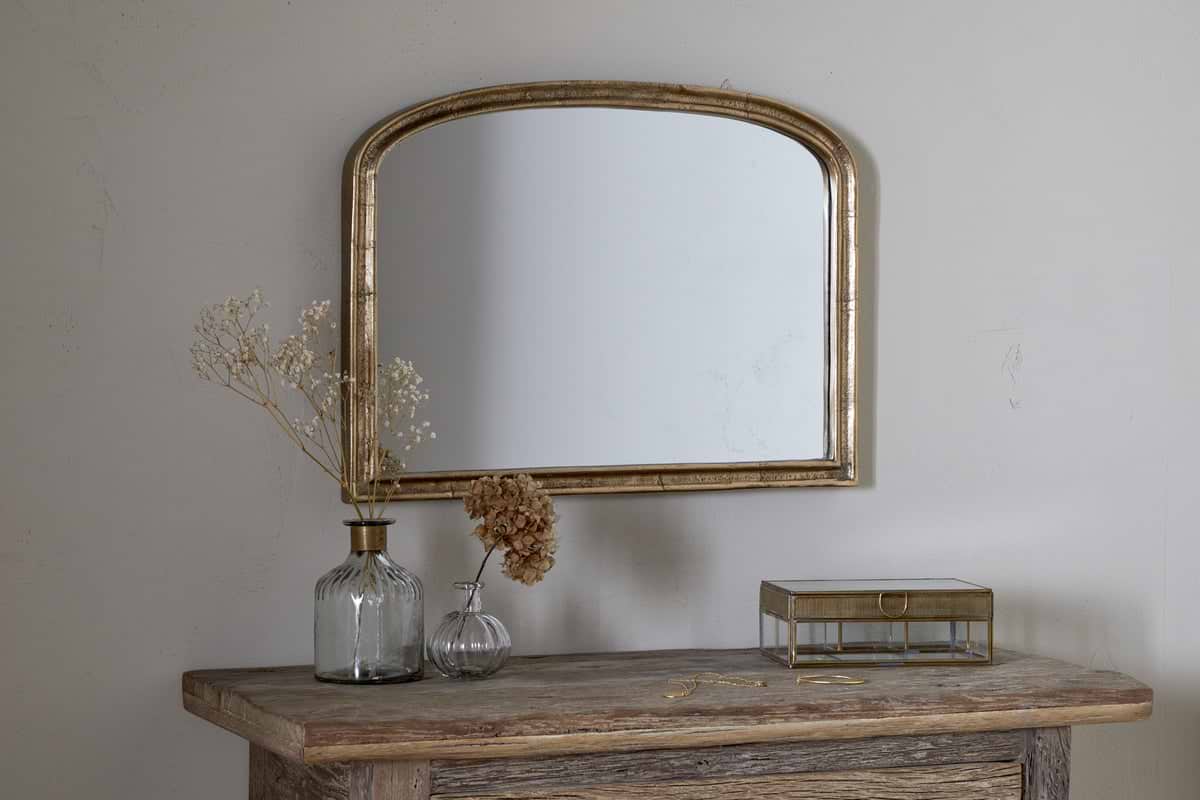
Some links above are affiliate links. If you buy through them we may earn a small commission at no extra cost to you. We only suggest pieces we think fit a calm, lived-in home.
Free guide
The Calm Leaf
12 quiet ways to bring dried botanicals, stems, and natural textures into calm spaces.