

Many small living rooms feel crowded, cluttered, or unfinished. Furniture pressed to the walls, unused corners, and narrow walkways create frustration. Too often, modern small living room ideas are ignored, leaving families with rooms that look accidental instead of calm and intentional.
Today’s guide helps you step by step. You’ll choose one clear focal point, set rules for shelf decor and spacing, and use color, storage, and light differently. This works especially well in a small apartment living room when you have more things than space because a few clear decisions calm the visual noise right away.
The short version: The best modern small living room ideas focus on one clear focal point, repeating texture, and open floor to prevent a crowded look. Simple rules for shelf decor, color, and storage turn any small space—cluttered or bare—into a calm, modern room that works every day.
Key takeaways
- A modern small living room looks intentional when furniture floats and shelves follow clear styling rules.
- Leaving at least half your shelf space empty creates a calmer, less cluttered look.
- Colour drenching—painting walls and trim one shade—makes small rooms read as larger, according to Atlas Plan.
- Multifunctional furniture offers storage without adding visual weight, keeping the room light.
- Balanced light from a single warm source feels gentler than three cool spot lamps.

What makes a small living room read as modern instead of just cramped?
A small living room looks modern when there is clear floor space, a limited palette, and one visible focal point. Contrasted with crowded rooms, this layout reads calm and intentional.
People sometimes fill small rooms with too many pieces, hoping to solve storage or seating. Instead, the modern look comes from editing: pull the sofa a hand’s width off the wall, use one larger piece instead of three small ones, and keep much of the floor exposed.
Colour can help or hurt. Colour drenching—using a single tone for walls, trim, perhaps a key shelf—can trick the eye into seeing a bigger space, according to Atlas Plan. In contrast, a room with multiple bold accent walls or loud art pieces will often feel busier.
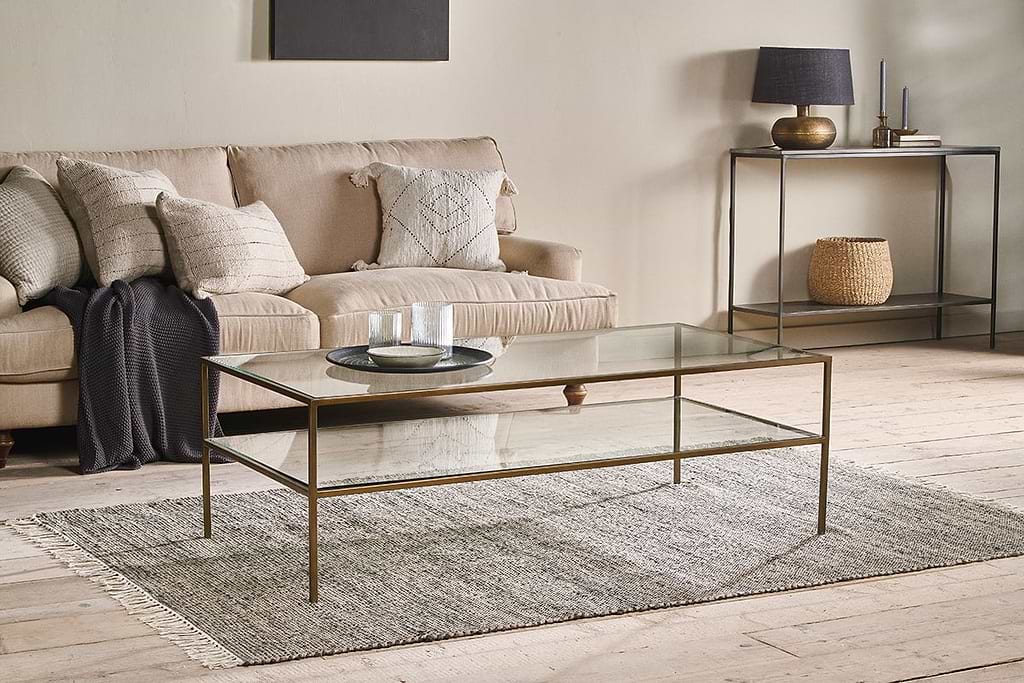
Even small, simple choices matter. A glass coffee table floats quietly in a tight room, but a chunky ottoman with storage will ground the space if you choose right. Unlike an overstuffed set of side tables, a single bench or closed basket provides rest for the eyes. Place a soft rug underfoot, and the room reads calm and finished.
Try grouping seating nearer the center, using light colours on curtains, and storing what you don’t want seen in lidded baskets.
Start with one focal point, not four competing ones
The eye needs a clear place to rest, so start by picking one focal point such as an artwork, shelf vignette, or light fixture. Too many features compete and cause the room to feel unsettled.
In a small living room, the fastest way to simplify is to pick what you notice first: the TV wall, a fireplace, a bold framed photo, or a deep shelf. If there are several “first things,” the room rarely feels still. Instead, let one zone—like a well-styled shelf—do the main work, and soften everything else.
Unlike a gallery wall of photos scattered through the space, a single cluster anchored over the sofa focuses attention. An offset pendant or soft globe lamp can also direct the eye away from cluttered corners.
A focal point also helps with storage math: if the central piece is a low shelf or bench, everything else can be lighter—think floating shelf ideas above, and a basket tucked beneath. Seeing the open floor between makes the whole room feel wider.
Decide on your lead feature before buying new decor. Once chosen, repeat its tone or texture in smaller accents nearby to pull things together.
How do you keep shelf decor from looking busy?
Shelf decor looks calm when you use fewer items—three, five, or seven—and leave as much open space as you fill. This rule makes open shelf decor and neutral shelf styling much easier.
Many people overstuff their shelves in hopes of “finishing” the room. But more objects make shelves read chaotic, especially in small living rooms. The 3-5-7 rule helps: use three, five, or seven items per shelf, and make sure to cluster them rather than line them up flat.
A bare shelf reads colder than one with a single woven basket or a clay bowl. In contrast, a shelf packed end to end with books, plants, and trinkets feels busy and dated. Pick anchors like a vase, a stack of books, or a handmade tray, then add spacing between groups.
Most designers keep about half to two-thirds of each shelf empty, according to Architectural Digest’s 51-idea guide. Neutral shelf styling keeps things calm: wood, white, pale linen, basketry, or stone. The mix should feel soft and touchable, not cluttered.
Use one darker piece to ground the display. Shelves above a sofa or floating shelf ideas in a reading nook both benefit from this formula.
Where this works best
Modern small living room ideas suit any room with limited width, awkward corners, or tight storage. Open-plan homes and rentals with plain walls both benefit from these strategies.
Most useful in a small apartment, rental, or a narrow end room, this style manages clutter without looking stark. When windows are small or light is limited, the right placement matters more than the number of objects.
Day to day, these ideas help families who share space between seating, work, and play. Multipurpose furniture—like a storage bench or shelving above eye level—means the floor stays clear for walking or stretching out in the evening.
Avoid rooms with dominant, heavy furniture that can’t be moved or a palette that’s mostly dark and saturated. Too many deep tones or ornate frames will overpower the rules above and pull focus from your intended anchor.
Try these ideas in a living area with more stuff than true storage or in a home with few built-ins and low window sills.

Styling and placement
Shelf decor ideas work when you use a quick calm checklist, balancing open space, accent weight, and soft neutral textures. A repeated palette holds everything together without fuss.
Start with clean, fresh surfaces—dust shelves, smooth out baskets, clear old magazines. A shelf looks styled (not just minimally filled) when you place a larger anchor at one end, stack books horizontally under a small bowl, and set a plant or sculptural object as a soft counterpoint.
Most floating shelf ideas succeed because they limit the number of objects and echo one main colour or texture. Instead of lining up jars or knick-knacks, work in staggered heights and leave part of the shelf empty at eye level.
Quick calm checklist:
- Use wood, stone, woven baskets, or simple ceramics for organic texture.
- Leave at least half the shelf empty for breathing room.
- Limit palette to two to three tones that repeat elsewhere in the room.
- Balance a heavier piece with softer or smaller accents beside it.
- Keep focal point groupings odd-numbered: three, five or seven.
A shelf vignette works equally well above a sofa, beside the entry, or floating in a blank corner—especially when styled under these rules.
What’s the single best use of wall height?
The most effective use of wall height in small modern living rooms is mounting shelves or storage right above the main line of sight. This opens floor space and makes the ceiling feel higher.
Often people fill corners with tall cabinets or stack boxes where they trip over them daily. A floating shelf or closed wall unit, though, brings storage up where you rarely touch the floor. According to IKEA’s small living room guide, wall height unlocks more room for movement than any new floor piece can.
A shelf placed above a sofa, door, or window won’t block light. Lighter materials—like pale wood, white metal, or glass—reflect brightness instead of cutting up the space the way a deep bookcase can.
Compared to low cabinets or rolling carts, vertical storage leaves small zones for play, stretching, or seating swaps. Floating shelf ideas also make rental apartments more flexible: you reclaim floor for a pouf or storage bench.
| Type | Storage Gain | Visual Impact |
|---|---|---|
| Floating shelf | Medium | Light, open |
| Closed wall unit | High | Neatly contained |
| Bookshelf on floor | Medium | Heavy, grounded |
Mount a shelf above your regular line of sight in tight corners or entryways, then store less-used items inside baskets above instead of on the floor.
Which furniture choices help a room feel open?
Furniture that floats off the floor, offers secret storage, or doubles up purpose keeps small living rooms light and modern. These pieces cut visual clutter while still serving daily needs.
Many modern small living room ideas start by picking pieces that don’t swamp the space. Sofas with legs instead of skirted bases, armchairs on narrow frames, and low coffee tables are all standard tricks.
A solid table sometimes looks heavier than a glass or rattan one, but pairs well with a soft wool or jute rug underfoot. Unlike bulky recliners or oversized storage units, a pouf with a hidden bin or a slim bench beside the window feels practical and lighter. According to IKEA’s guide to compact rooms, multifunctional furniture frees up floor without sacrificing comfort.
Multifunctional options—such as a window bench that stores shoes or a floating side table with a tucked-in magazine rack—earn their place. Built-in storage, recommended by Architectural Digest lists, keeps piles off the floor and makes weekly tidying easier.
A clear path between sofa, chair, and door, plus legs for all main pieces, means open living that feels calm and easier to clean.
Most people realise something feels off when a room still feels crowded after cleaning, or when the shelf remains flat and cold no matter how you arrange the pieces. This realisation often surfaces when you try to relax or work and the space feels distracting rather than still.
The shift that makes the difference is choosing a main focal point and reducing everything else—especially on shelves and surfaces—to match. Let your focal object carry the eye, keep the palette simple, and use negative space on the shelf and floor for breathing room.
A common mistake is adding more decorative pieces without editing older items, leading to crowded bookshelves, filled side tables, and a room that never feels calm. Too many competing focal points or skipping the clear space rule leads to heaviness, especially in a small living room. When spaces fill up, it’s harder to keep clean and harder to enjoy quiet moments.
Clearing space and focusing on one lead object at a time opens up a sense of order and calm.
Save this idea for later.
What tends to hold up with modern small living room ideas
Many designers recommend matte finishes for small living rooms, especially shelves near windows, because they diffuse light instead of showing fingerprints or glare. Reviewers consistently praise simple color schemes—often two or three tones, repeated in rugs, curtains, and shelf decor.
Most shelf styling advice that holds up combines negative space with a strong anchor, like a textured vase or a lidded basket. Soft fabrics—linen, wool, cotton—get mentioned repeatedly for adding warmth without adding weight. These small changes build up to a room that feels finished and relaxed, not forced.
— Mara, Loom & Glow
Common questions
How do you make a small living room look modern?
The best way to make a small living room look modern is to keep the floor clear, use a limited palette, and highlight one main focal point. Furniture with visible legs, floating shelves, and neutral tones help avoid a crowded feel. Hidden storage and repeated materials keep things simple and fresh.
What is the 3/4/5 rule in decorating?
The 3/4/5 rule in decorating means leaving three, four, or five sections of space or keeping three-fifths—or about two-thirds—of an area open. This rule helps with shelf styling, furniture grouping, and keeping surfaces from looking overfilled. Calm rooms nearly always follow a version of this clear-space formula.
What is the best colour for a small living room?
The best colour for a small living room is usually a light, neutral shade like soft white, pale beige, or muted grey. These tones reflect more light, making the room appear larger. Deeper hues can work if used in a single, colour-drenched approach throughout the space.
What should you avoid when decorating a small living room?
You should avoid overfilling shelves or choosing bulky, dark furniture that crowds the space. Mixing too many colours or competing focal points can add visual noise. Stick to simple lines, repeat one or two textures, and leave enough open floor and shelf space for the room to breathe.
Explore more calm combinations inside our Shop The Look .
Shop the Look
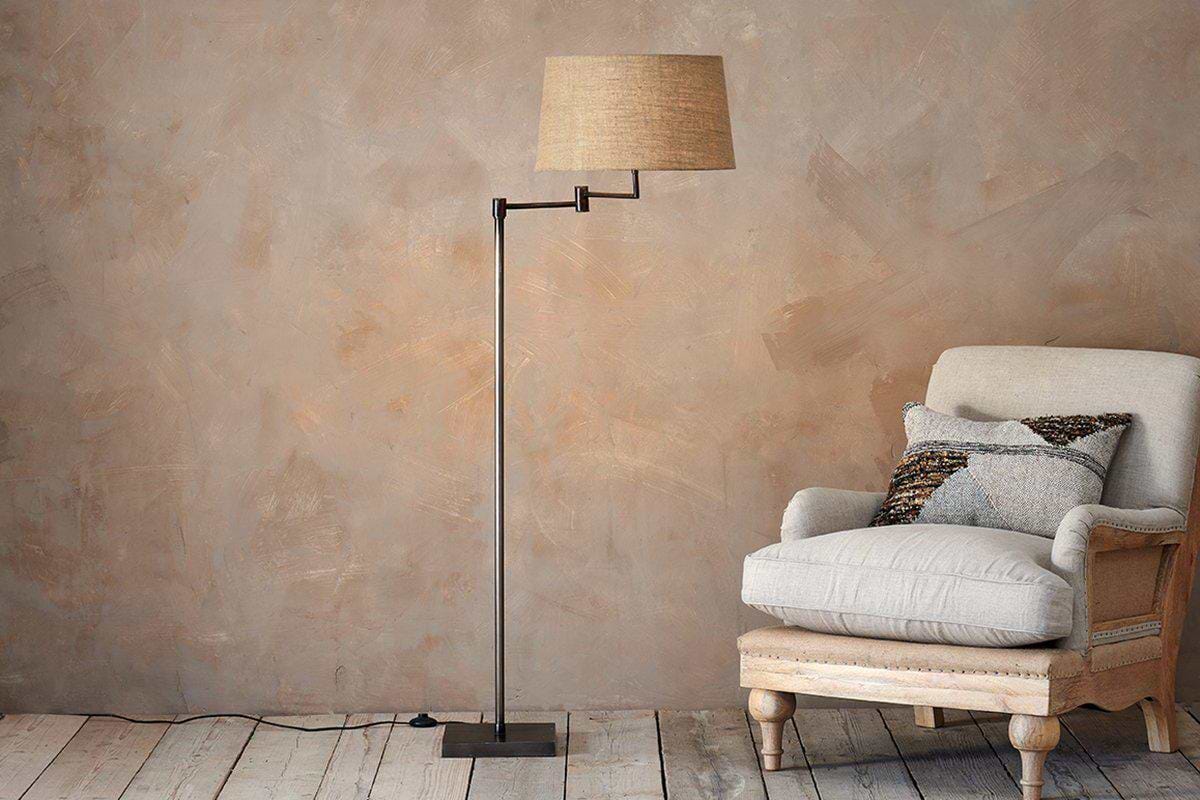
Slim, multi-purpose pieces for a small modern room-a lightweight coffee table, slim floor lamp, and neat storage.
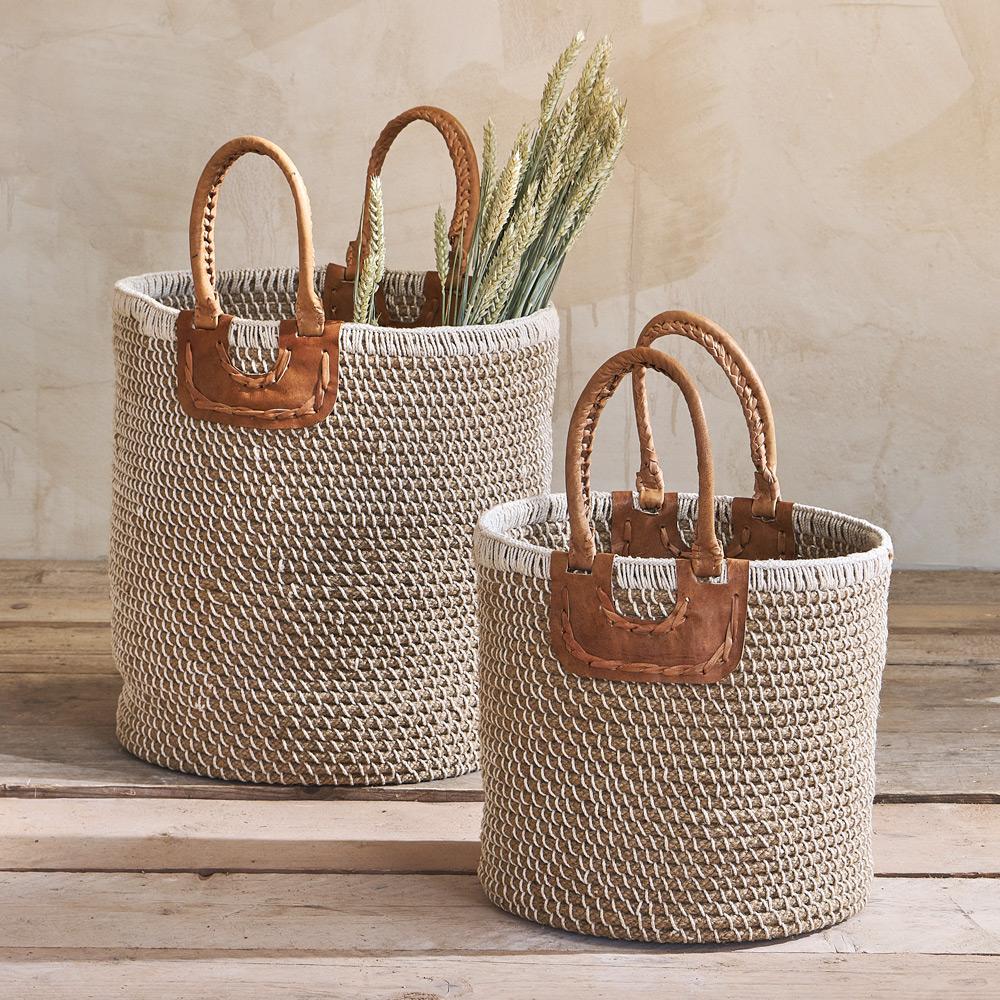
Indra Coil Basket
Natural coil weave — neat enough to leave out, large enough to hide clutter.
View at Nkuku →Some links above are affiliate links. If you buy through them we may earn a small commission at no extra cost to you. We only suggest pieces we think fit a calm, lived-in home.
Free guide
The Calm Shelf
12 styling ideas to help you compose calm, balanced shelves in natural texture homes.