

You might have set out to tidy your shelf but ended up with one that feels either cluttered or oddly empty. Many homes face the same problem: arranging objects so a space looks well-composed, not thrown together. This is where understanding what is slow living means for your shelf and your room begins—it’s not about having less, but about how and why pieces are chosen and placed.
This guide unpacks the practical side of slow living at home. You’ll see what to add or remove so your shelves breathe, how negative space works, and how a clear formula—like the 3-5-7 rule—takes guesswork out. This works especially well in a small apartment when storage is limited because it shows what’s truly needed without making the space feel busy.
The short version: The answer to what is slow living is making conscious choices so your home feels calm and purposeful, not rushed or generic. Learning to leave space, use a simple grouping rule, and select natural anchors leads to a softer, more inviting shelf and room. All you do is slow down and choose with care.
Key takeaways
- The slow living approach means choosing items for shelves that serve a clear purpose or bring comfort.
- Grouping decor pieces in odd numbers keeps shelf styling from feeling stiff or flat.
- A shelf works best when at least a third of it is left empty for visual breathing room.
- Ceramics, books and vintage objects add personality without creating clutter, according to The Slow Living Guide.
- Natural materials like linen and wood help keep open shelf decor feeling warm and grounded.

What does slow living really mean?
Slow living is a lifestyle where people leave room for rest, value quality over speed, and make everyday choices with awareness. This means shelves and surfaces look intentional and feel easy to live with.
In a living room with open shelving, adopting slow living often shows as fewer, more meaningful objects—maybe a stoneware pitcher, a stack of books, or a single framed photo—spread with space between. Unlike rushed decorating, this is not about stripping everything away, but about allowing air and space around each object.
Most people notice their rooms feel heavier when every gap on a shelf is filled in, but less cluttered when they respect negative space. According to Wikipedia, the slow movement started as a response to always wanting more, faster. The look itself—soft lighting, handmade pottery, natural linen—grows from choosing what feels right rather than what fills the shelf.
The shelves you style this way stay calm through changing seasons. Group items by purpose or theme—like a trio of baskets for texture or three pale ceramics to catch the sun—but keep the display open so it’s easy to dust and to update.
How is slow living different from minimalism?
Minimalism often aims for as few things as possible, while slow living welcomes warm, useful pieces even if the shelf isn’t sparse. Slow living is softer and more flexible.
In a hallway with floating shelves, embracing slow living would mean keeping worn baskets or a little vase that has a story. Minimalism might ask you to clear the shelf unless you use each thing every day. The difference shows in the details: minimalism targets the least, and slow living favors what matters.
A minimal shelf can feel cold or empty, especially in rooms with hard surfaces and sharp light. Instead, slow living pulls in raw edges, natural clay, reed diffusers or wood bowls—objects to touch and use. Unlike strict minimalism, this way allows for layers or sentimental touches, as long as each has a reason beyond filling up space.
Shelves styled this way make dusting easier, too, because there aren’t dozens of items to move. A linen runner beneath a few objects softens the layout further. When a room’s shelves hold only what’s needed and loved, it feels easier to relax in the space.
Where this works best
Slow living shelf styling works best in shared living spaces, home offices, or narrow hallways where clutter can build up fast. The approach clears distractions and lets the eyes rest.
Small apartments with limited storage benefit most from a slow living approach to shelf decor ideas. Instead of packing every shelf with photos or boxes, a slow method spaces objects out—often in groups of three or five—and uses baskets or open trays to limit what’s left in the open. Even in a busy entryway, this shift helps the space feel steady instead of scattered.
Avoid crowding shelves in rooms that already have a lot of activity, like kitchen counters or children’s playrooms. Shelves in a living room or bedroom can hold fewer, softer things—like hand-formed pottery, a candle or a shallow bowl of collected stones. A row of tightly packed ornaments often reads as clutter, but even a single potted plant makes open shelf decor feel more thoughtful.
This approach is most effective against a neutral wall or with shelves that catch a bit of daylight. In a cramped hallway, a natural wood shelf holding a single woven basket works better than a long row of frames, especially if there’s little room to move past it. Less becomes enough when the pieces mean something and the surface stays mostly clear.
How to create a calm shelf using the 3-5-7 formula
Grouping shelf items in odd numbers—three, five or seven—draws the eye and keeps the display from feeling rigid. This simple formula works with items of similar height or tone.
On many open shelves, starting with three main items creates just enough structure while leaving breathing room. Many decorators suggest a ratio: keep about two-thirds of a shelf clear, with anchor pieces set apart. Unlike lining objects like soldiers, this form feels more lived-in and invites the gaze to wander slowly.
If your shelf holds books, a clay pot and a candle, try placing the books on one end, the pot beside them, and the candle offset to the other side. Compared to symmetric pairs, odd-numbered clusters feel softer, more relaxed and easier to update as seasons change. It’s easier to dust around a group than multiple singles scattered evenly.
Natural textures like wood, linen or unglazed ceramics fit this formula well. Change one anchor material for the season, keep the palette light, and resist overloading. A shelf styled this way never looks forced—there’s space to pause and notice, which is at the core of what is slow living.

Styling and placement
A shelf looks best when grouped objects leave gaps between them, and natural textures take the lead over plastic or heavy glass. Place your anchor item first, then fill with light touches.
Start with a material anchor, such as a hand-woven basket or a smooth wood tray, before adding softer or smaller pieces. On an open shelf above a sofa, try balancing a low stack of books beside the main object, with only one or two seasonal accents. Compared to all-small pieces, one solid anchor keeps the arrangement from feeling scattered.
Light and sightlines matter too. Place heavier or darker objects on the bottom shelf or in the corner, leaving room for daylight to reach and for the display to shift as you live with it. In a small living room, a shelf styled this way pulls the space together without weighing it down.
Soft hues—like beige, oat, stone or off-white—work well for neutral shelf styling because they don’t pull extra attention or clash as trends change. Place strong colors sparingly, and always keep something tactile in reach.
Quick calm checklist:
- Use only natural or neutral materials (wood, linen, ceramic, glass).
- Leave empty space between each group for breathing room.
- Limit the palette to three main tones per shelf.
- Anchor with one larger piece, then nestle smaller accents beside it.
- Check placement in daylight; move items until it feels easy to the eye.
How can you bring slow living into daily routines?
Slow living in daily life means choosing small routines that leave margin for rest, and decorating shelves so every surface stays easy to use. Less fuss, more comfort.
A morning routine at home might include opening the blinds, tidying a single shelf, and letting one or two favorite items have space. Unlike nighttime cleanups, this start-of-day step helps set the tone for how you see and use each room. The principle holds up in fast-paced weeks—a visible but simple shelf setup means less visual rush and fewer things to touch to keep things looking ready.
Basic shelf decor ideas for slow living often build on repetition, such as setting out similar ceramics or baskets, and trading plastic bins for felt or linen. In a small bedroom, this might mean just two objects on a floating shelf: a book and a soft-edged lamp. Swapping in a narrow woven runner under a group of items keeps tabletops from looking bare but still feels restful.
Shelves that stay uncluttered support calm routines. It takes less time to wipe down or dust when heavy groupings are avoided. According to the Slow Living Guide, many people make their routines slower and simpler first at home, before changing how they approach their workday or social time.
What are the roots of slow living?
Slow living grows from the slow food movement and critical thinking about speed in modern life, with roots traced to the 1980s and writers like Carl Honoré.
Slow living started as a different way to respond to hustle culture and the feeling of always being behind. The movement built from slow food—opting for meals cooked and enjoyed without rush—into a broader look at how we spend time at home, work, and in community. Carl Honoré’s 2004 book, “In Praise of Slow,” remains a reference point for many who want to learn what is slow living and why it matters.
This approach to shelves or rooms is practical. It asks for fewer things and for surfaces to be calm so the room slows your mind, too. Compared to maximalist trends, or the urge to keep buying and displaying, slow living returns to the basics: daylight, good materials, and the comfort of having only what you use or love in view.
Many modern slow living homes highlight handmade objects (like mugs, bowls, or candles), woven baskets, and items that show slight imperfections. These give a shelf personality and history without shouting for attention or taking much space.
What tends to hold up with open shelf decor
After reviewing many homes, the patterns that work best for open shelf decor come back to restraint and using genuine materials. A shelf finished in matte or untreated wood doesn’t reflect harsh light, making objects look softer to the eye and easier to live with—especially in spaces near windows. Reviewers and professionals alike often note that using baskets or trays brings warmth, with less time spent tidying compared to shelves loaded with loose items or plastic bins.
Small choices like repeating one texture—linen, seagrass, or smooth clay—often succeed because the result feels both ordered and relaxed. Some arrangements stay visually calm for months without updates. It is easier for both new homeowners and renters to keep things looking settled just by following these practical, material-led tweaks.
— Mara, Loom & Glow
Common questions
What is the meaning of slow living?
Slow living means choosing to move through daily life at a thoughtful, comfortable pace, rather than rushing. It focuses on quality, present-moment awareness, and valuing rest. Many people use slow living principles in how they design their homes, routines, meals and even social time.
How do you practice slow living?
Practicing slow living involves making conscious choices to do less at a time, limit distractions, and value what matters. Often, people start by clearing cluttered shelves, setting simple routines, or scheduling regular breaks. The idea is to swap busy-ness for intention and calm, room by room or habit by habit.
What are examples of slow living activities?
Examples of slow living activities include preparing meals from scratch, setting aside time to read, walking or gardening, and decorating with natural textures. Many use a capsule wardrobe, unplug for an evening, or plan unhurried gatherings with friends. The key is feeling restored rather than rushed.
Is slow living the same as lazy?
Slow living is not the same as being lazy. The difference is the purpose behind the pace: slow living means making active choices to create comfort and focus, not avoiding effort. Households that practice slow living often find they do more of what matters, not less.
Explore more calm combinations inside our Shop The Look .
Shop the Look
Three pieces that embody slow living-woven storage, textured linen, and a lamp that glows without urgency.
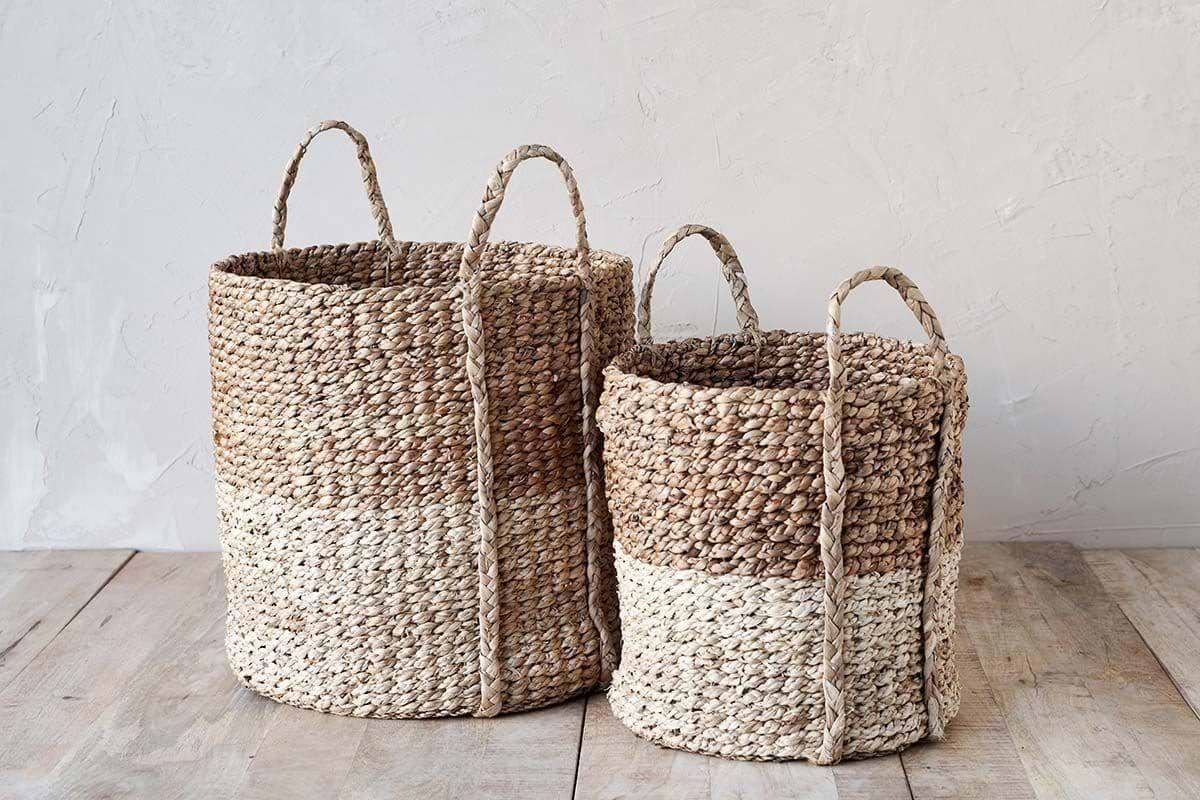
Nkomi Basket
Woven storage with a calm silhouette — works open or tucked under a console.
View at Nkuku →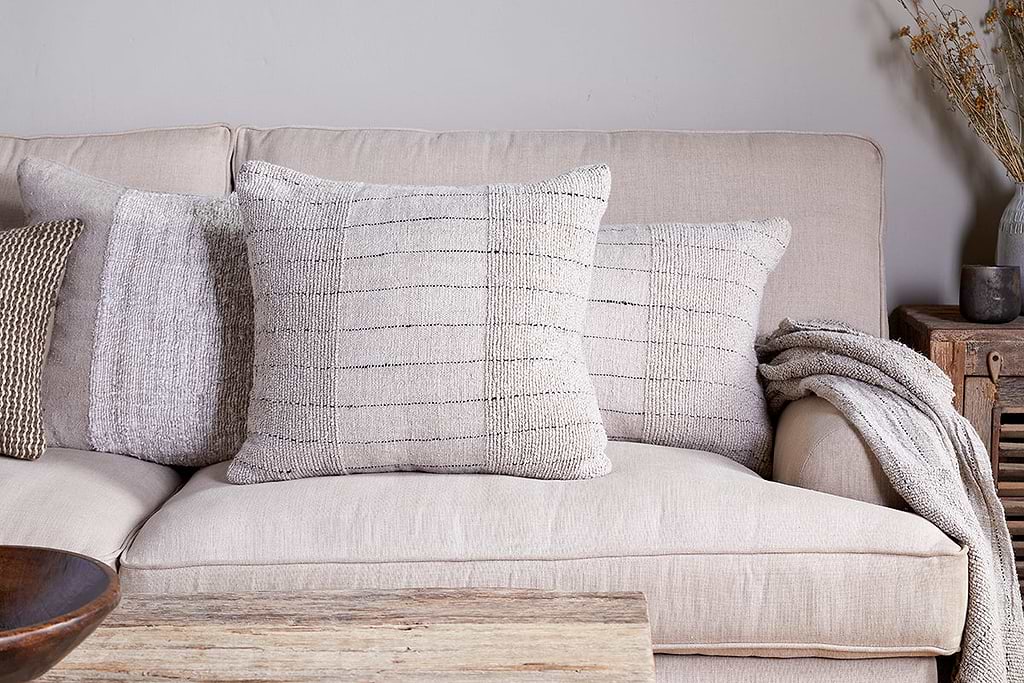
Mayla Cushion Cover
Soft hand-textured cover — instant warmth on linen sofas or chairs.
View at Nkuku →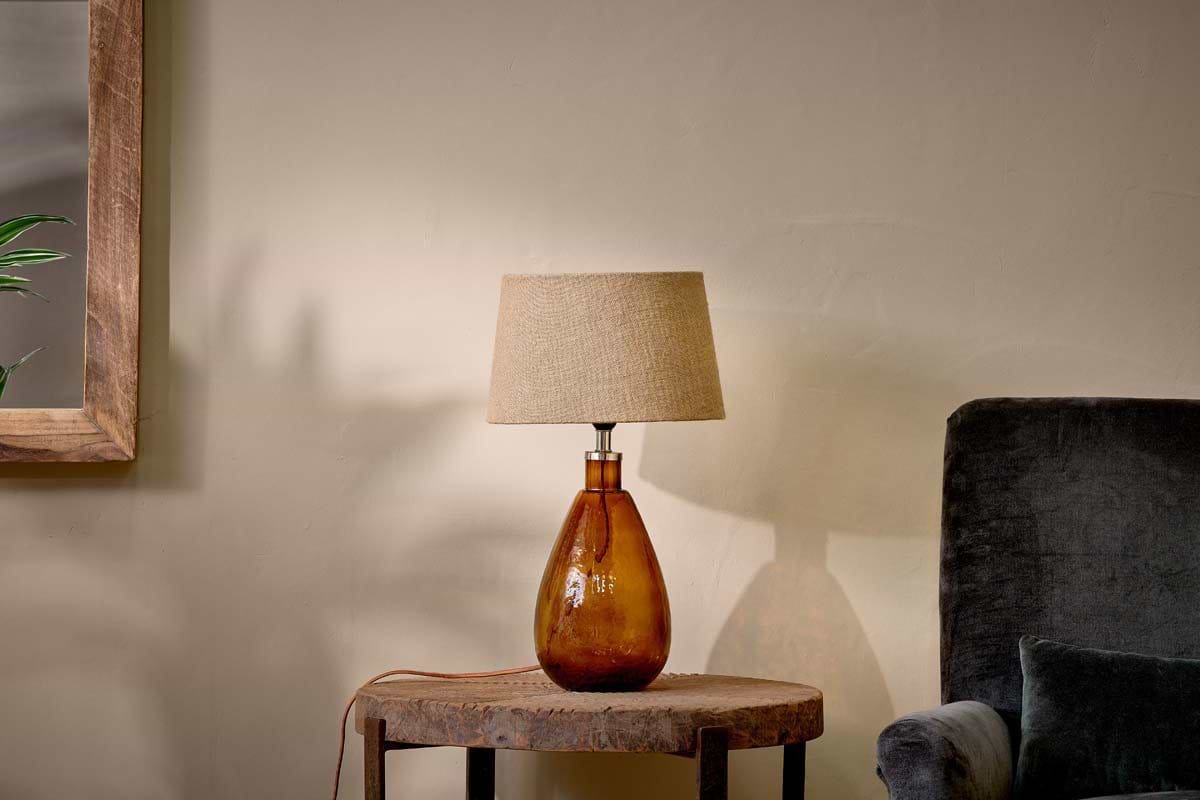
Some links above are affiliate links. If you buy through them we may earn a small commission at no extra cost to you. We only suggest pieces we think fit a calm, lived-in home.
Free guide
The Calm Shelf
12 styling ideas to help you compose calm, balanced shelves in natural texture homes.