

Clutter in a narrow living area and a lack of storage can make daily routines feel rushed and stressful. The layout may seem functional, yet it lacks the calm that a well-arranged home provides.
A single change in arrangement can offer a new sense of pace. This works especially well in the living room when natural light is limited because soft textures add warmth.
The short version: A slow living aesthetic creates calm by using natural textures and simple color stops. This guide shows a practical shift in home design that pairs materials and layout to ease the busy mind.

Where this works best
A calm setup fits best in rooms with multitasking uses. It works by balancing everyday functionality with peaceful design choices.
In tight apartments or shared living rooms, balancing storage with display makes a difference. A design shift that brings soft materials into play reminds one of small-space decorating tips that reduce visual chaos. A natural wood frame paired with a cotton throw changes the room’s energy.
Everyday, a quiet corner can become the hub for reading and reflection. A gently worn sofa and a simple side table create a supportive vibe because combining textures softens hard lines. Avoid overfilling a shelf with items that compete for attention, then try arranging a single vase to anchor the space.
This approach works well when borrowing soft textures to offset rigid furniture in a living room.
How do I incorporate natural textures without clutter?
Start by selecting natural elements that offer both visual warmth and practicality. A mix of materials like wood and woven fibers can bring order and softness to any corner.
Often, a cluttered countertop hides well-chosen details like a simple jute basket or cotton runner. Using materials like linen on a window shade helps maintain visual lightness while still delivering texture. A small tray can organize essentials without overwhelming a space.
Layering a woven rug under a minimal coffee table changes the feel of the room by adding comfort. An arrangement of natural fibers softens a stark, modern interior because the textures interrupt an overly rigid design. Avoid heavy, patterned throws that draw focus away and instead select a light fabric accessory to complete the look.
Place a single woven basket on an entry table to clear visual clutter in daily use.
How can a slow living home support calm routines?
A slow living home supports calm daily routines by making spaces feel inviting and easy to navigate. Simple design choices in layout keep movement gentle and stress-free.
In a modest bedroom, a neatly organized nightstand paired with a soft lamp sets a pace that encourages relaxation. Integrating some green life by caring for houseplants offers a welcome dose of nature that cleans both air and mood. A few well-placed books or a single framed print gives the space personal warmth.
Even a small dining nook can transform into a place for quiet meals when details are managed. A gentle balance of storage and display creates an environment where daily tasks feel less hurried because each item is purposefully chosen. Avoid overcrowding surfaces with too many decorative items and let a single vase guide the eye for a subtle daily reminder.
Replace random trinkets with a single artwork for a clear, intentional daily focus.
What makes a slow living aesthetic feel warm?
Warmth in a slow living aesthetic comes from choosing soft hues and natural textures that invite touch. It is achieved by mixing light colors with organic materials in clean compositions.
A living room with gentle lighting and muted colors immediately feels more welcoming. Soft throws, natural wood, and mild lighting combine to create a space where even a rough day can seem easier, as explained in how color works. A calm palette brings a balanced energy to the room.
A splash of warmth, like an unpatterned wool rug, counters a slate chair’s coolness. The choice of materials like soft cotton cushions against harsher elements because textures directly impact perceived warmth. Avoid overly bright or saturated accents and focus on neutral shades to establish a secure setting.
Finish the day by adding a soft lamp to your reading nook for a warm, practical touch.
The decision moment often comes when a homeowner pauses and notices that a room feels overly busy, making it hard to relax. There is a quiet realization that despite having all the elements, something is missing in the balance of the decor.
A common mistake is to load every surface with items that demand attention, which leads to visual clutter. A streamlined approach helps the space breathe, resulting in a lighter mood. Save this idea for later.
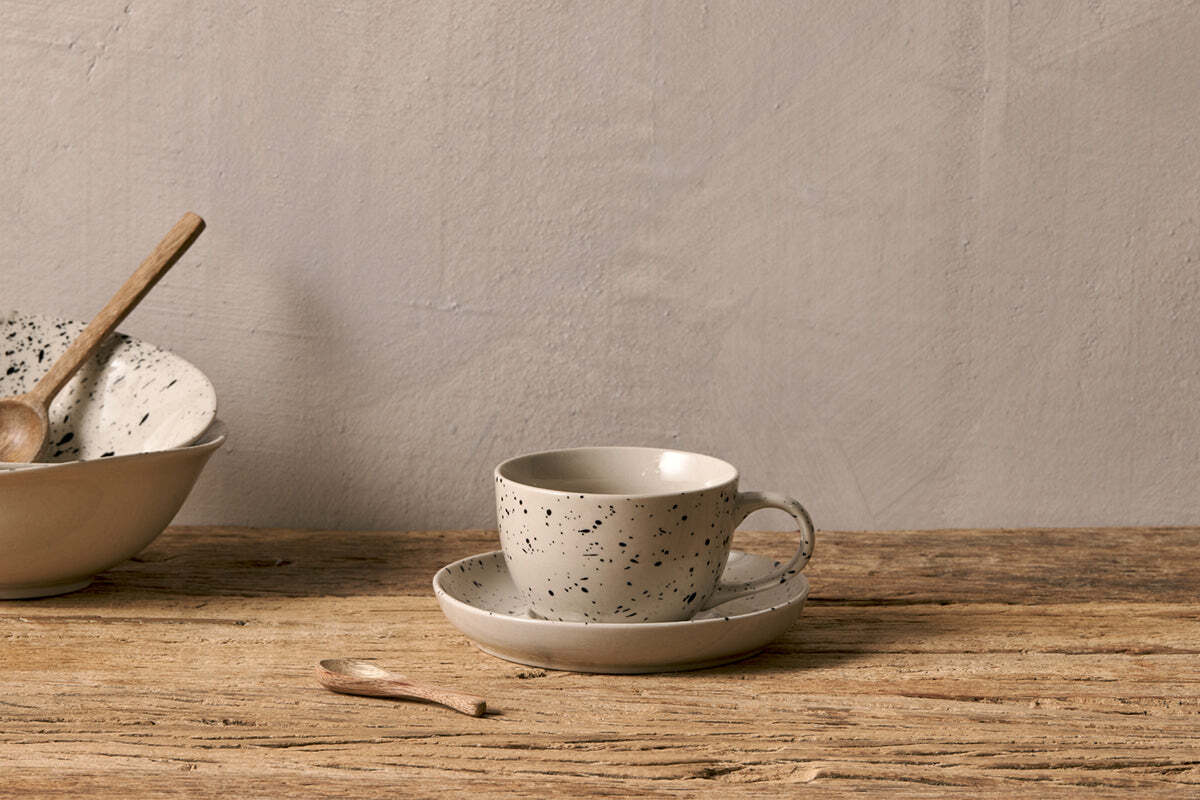
Ama Cup & Saucer – Splatter
adds quiet structure and warmth while keeping the room balanced.

How do I use mindful home decor to set a peaceful pace?
Mindful home decor means using each piece deliberately to support a quiet lifestyle. It relies on simple forms and soft materials to create an inviting atmosphere.
In a dining area that doubles as a workspace, using a clear table and a few artworks prevents distraction. Organizing items with a focus on function and beauty—such as applying principles from feng shui—brings order and calm. A single bowl or handmade mug can highlight a table without overwhelming it.
A practical shift occurs when an over-stimulating space is pared down to one or two thoughtful objects. The weight of decor is managed so each piece supports an overall sense of order because clarity in placement promotes ease. Avoid mixing too many textures that clash and let one soft accessory guide the setup.
Consolidate your table settings to a single statement accessory for daily calm.
Styling and placement
Thoughtful styling and item placement anchor a room’s calm. It involves setting clear areas that support daily activities without distraction.
Quick calm checklist:
- Use natural materials like wood and cotton
- Keep surfaces mostly clear
- Choose a muted color palette with one focal accent
In an entryway or narrow corridor, arranging a slim bench with a few artful accessories creates an inviting pause. A calm setup where items are deliberately placed eases the transition from outdoors to indoors, as seen in tips for a calm bedroom environment. A well-spaced arrangement lightens the area.
A carefully balanced layout softens a stark, empty look because balanced placement improves flow. Avoid cramming too many items into small spaces and instead let one piece stand out to affirm the room’s purpose.
Set one statement piece on a console to create a daily sense of order.
How can slow home ideas simplify busy spaces?
Slow home ideas simplify clutter by focusing on quality over quantity. They remove excess to reveal the beauty of each chosen item.
In the entryway of a busy household, an intentional arrangement helps clear the mind upon arrival. Minimal items such as a well-stocked shelf and a few soft cushions reduce stress since simple decor lends clarity over chaos. A modest clock or framed photo can punctuate an otherwise empty wall.
This method shows that fewer, well-chosen objects ease daily routines by removing distractions. A natural contrast emerges when a sparse room feels warmer than a crowded one because restraint highlights each item’s purpose. Avoid filling every gap with knickknacks and let a simple rug guide your steps.
Conclude your setup by placing a single, inviting welcome mat to define the daily entry ritual.
What tends to hold up with working with natural textures
Many households find that natural textures often lose their charm when overwhelmed by too many contrasting materials. A recurring observation is that simplicity in materials sustains the calm the space aims for. Practical design advice often recommends sticking to a consistent set of textures to avoid the room feeling disjointed.
This perspective comes from reviewing different spaces where natural elements created a more cohesive environment. Items such as unbleached cotton or lightly distressed wood consistently enhance the overall atmosphere. — Mara, Loom & Glow
Common questions
How do I make my home feel calmer?
The simplest approach is to reduce visual clutter and refresh your layout by incorporating natural materials. A balanced mix of soft textiles and minimal accessories helps create a serene environment. This solution has been shown to improve focus by inviting more natural light and open space.
What is the first thing to change in a home that feels stressful?
Start with decluttering key areas and clearing surfaces to create space. Reducing excess items allows for a smoother flow in the room, which supports a quieter mind. A focused change in layout can set the pace for further calming improvements.
How does decor affect mental wellbeing?
Decor that uses natural textures and soft colors can reduce stress and create a more relaxed atmosphere. Every choice, from a simple vase to a textured throw, contributes to the room’s mood by softening sharp lines and bold colors. This creates an environment that supports peaceful daily living.
What is intentional living at home?
Intentional living at home means arranging every piece with a purpose to support a slower pace. It involves thoughtful placement and choosing items that provide comfort without distraction. This means each decision reinforces a sense of calm and structure.
Explore more calm combinations inside our Shop The Look .
Shop the Look
Thoughtfully crafted pieces that support a slower, more intentional way of living at home.
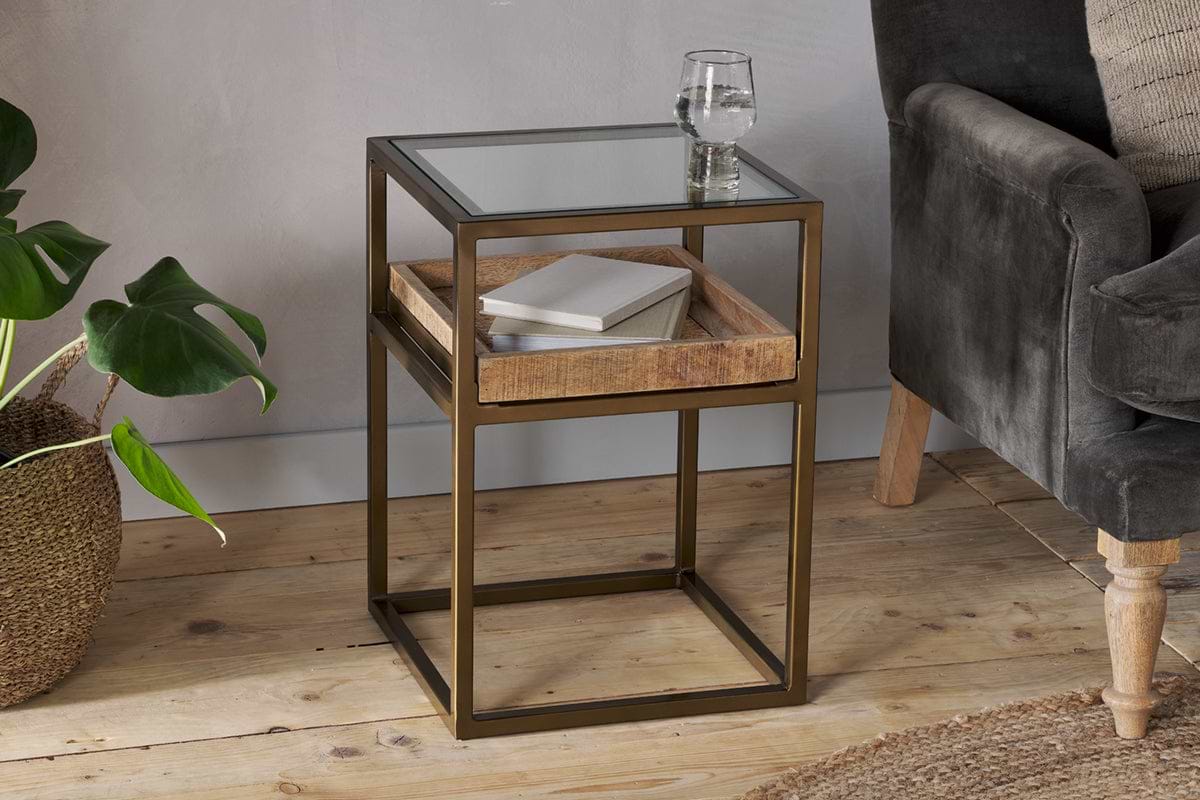
Luzon Side Table
Iron and mango wood with display shelf — small footprint, double function.
View at Nkuku →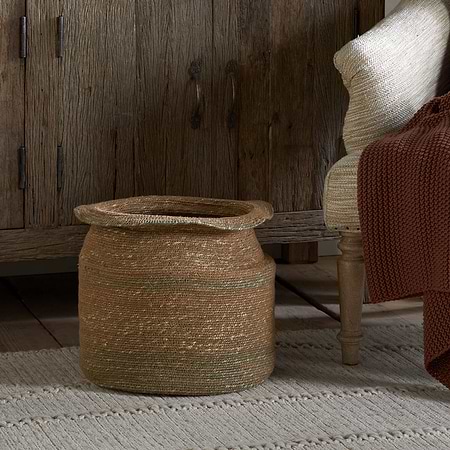
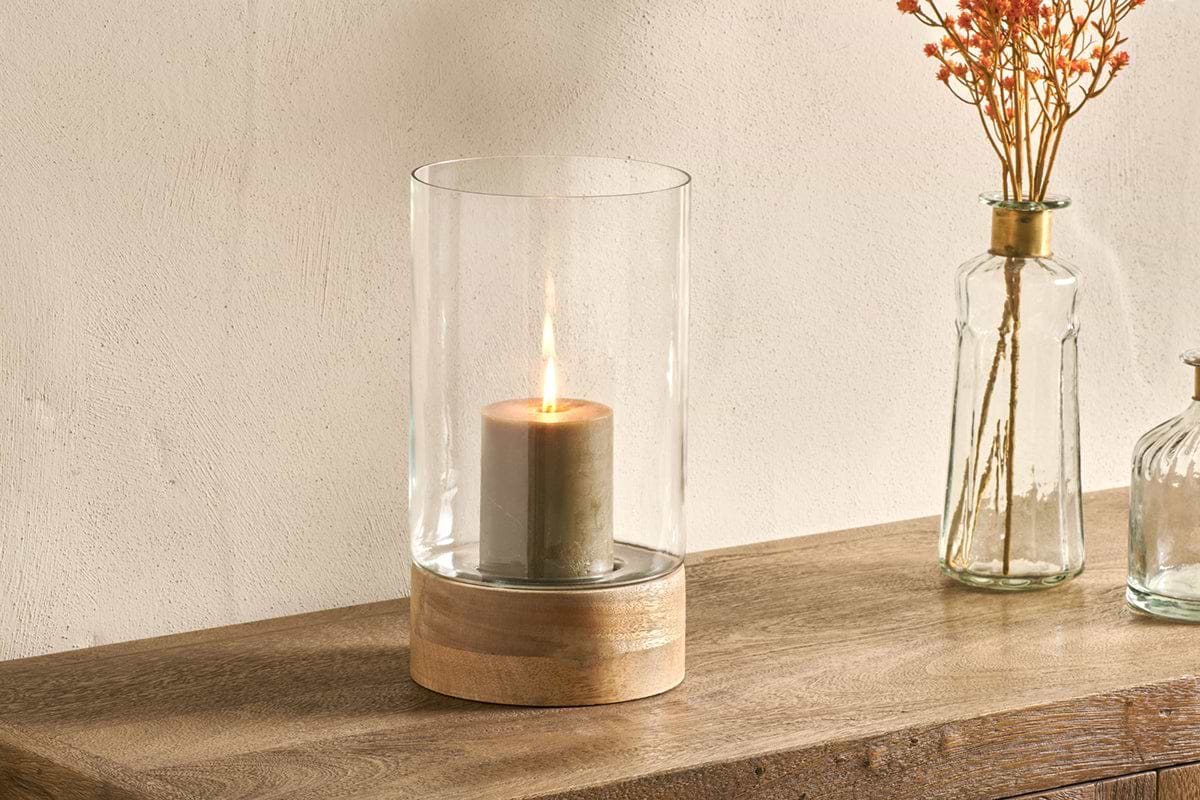
Idha Hurricane Lantern
Straight-sided glass — for candles indoors or sheltered patios.
View at Nkuku →Some links above are affiliate links. If you buy through them we may earn a small commission at no extra cost to you. We only suggest pieces we think fit a calm, lived-in home.
Free guide
The Calm Shelf
12 styling ideas to help you compose calm, balanced shelves in natural texture homes.