

Many homes start with a shelf that feels more like drop-off parking than part of the room. The question, what is Japandi style, often rises in direct response to clutter or bare surfaces, especially on open shelves. The struggle isn’t just how to store things, but how to make shelf decor look intentional, comfortable, and calm at the same time.
A shift to Japandi’s simple palette and texture rules helps you leave behind fussy displays and mismatched knickknacks. Today, you’ll use the 3-5-7 formula and natural anchors to change how your shelves look and work. This works especially well in a small apartment entry when you have no closed storage because every item left out can now become its own quiet accent.
The short version: The answer to what is Japandi style is a calm fusion of Japanese minimalism and Scandinavian warmth using natural textures, a low-key palette, and negative space. Focusing on a few well-chosen objects, layered natural materials, and open airflow creates shelves that feel settled and easy to live with.
Key takeaways
- The 3-5-7 formula keeps shelf styling balanced without looking crowded or too spare.
- Japandi style combines minimalist furniture, soft neutral tones, and natural textures for a composed, modern look according to Graham & Green.
- Roughly two-thirds of a shelf should remain clear to avoid heaviness and allow for negative space.
- Natural materials like oak, linen, and rattan help ground floating shelf ideas by adding warmth and touchable surfaces.
- Layering textures, such as boucle and jute, makes even a small shelf feel considered rather than flat.

What is Japandi style? (in plain terms)
Japandi style is a mix of Japanese and Scandinavian design, known for using natural materials, clean lines, and warm neutral colors. A Japandi shelf avoids clutter by favoring a small number of thoughtful objects and plenty of breathing room.
Shelves styled in this way don’t just look neat, they feel different. Every item has a job, and empty space is part of the setup, not just a gap. This puts the spotlight on textures and shapes, so one bowl or one stack of books stands out instead of fading into the background.
If you compare a Japandi arrangement with a classic maximalist shelf, the difference is immediate. The Japandi shelf keeps items to a well-chosen few, often grouped by size or tone, which helps a small apartment feel more open.
Most rooms with a Japandi approach rely on wooden or painted floating shelves. The wood grain, matte porcelain bowls, and linen-wrapped boxes don’t just decorate, they give hands something natural to touch and soften overhead glare. A bare shelf reads colder than one anchored by a rattan basket or a soft-edge stone vase.
Ordinary vessels and understated accents make the shelf look incomplete unless grouped with thought. Using three, five, or seven objects encourages a sense of balance. This steady grouping helps the eye travel smoothly along the shelf instead of jumping from one thing to the next.
Where did Japandi come from?
Japandi has roots in the late 19th century when Japanese design influenced Scandinavian makers, according to Rocky Mountain Hardware. The partnership grew from both cultures valuing simplicity and craft.
When Japan opened up trade in the 1800s, Scandinavian designers were among the first Europeans to adopt Japanese design ideas. Minimal forms and careful use of materials stood out to them, oak and ash, pared-back ceramics, and pale linen all traveled well between the two styles.
Unlike heavier Victorian influences, Japandi avoids excess detail or gloss. Instead of stuffing a shelf with trinkets, the style favors a single bowl or a trio of softly-finished wood boxes for open shelf decor that feels like part of daily rituals.
The history explains why Japandi works so well on floating shelf ideas and open shelf decor today. Both traditions resolve the busy look of modern storage without sacrificing function.
The early ties between these two cultures can still be seen in how Japan’s wabi-sabi and Nordic hygge each shape comfort, one by embracing imperfection, the other by layering softness. Both together push shelf decor toward warmth, not just utility.
How do you keep an open shelf from looking cluttered?
An open shelf looks less cluttered when you group objects by the 3-5-7 rule and keep at least a third of the surface clear. Using objects of different heights breaks up monotony.
An entry shelf often goes from empty to a catch-all almost overnight. Mail, keys, and random tech all land here, but the surface quickly looks overwhelmed when every inch is filled. Japandi shelf decor ideas start by picking just three to seven useful or beautiful items for each shelf, leaving more space than you fill.
The main principle: A shelf works best when about two-thirds is left open, which stops the shelf from feeling heavy or crowded. If you’re choosing items, pair a taller piece (like a glass lantern or jug), one textural anchor (like a folded plaid throw or a woven box), and a small flat object (such as a shallow dish or a book stack). The empty space between them is as important as the actual decor.
Unlike gallery-style arrangements that fill entire shelf lengths, the Japandi approach makes each item easier to see. The negative space lets light move freely, pulling attention to natural grains or shapes.
This contrast helps shelves in narrow hallways or studio apartments feel lighter and more deliberate. A mix of heights and shapes, one tall, one wide, one small, keeps the arrangement from feeling too stiff or too random.
Where this works best
Japandi shelf styling works best in shared living spaces, small bedrooms, and narrow entryways where every object needs to work and look right. Entry points gain both storage and style with fewer, well-chosen accents.
Many homes use open or floating shelves in busy rooms: the kitchen, shared living areas, or the only hallway. Japandi styling especially helps when closed storage isn’t an option, rental apartments or new builds with shallow wall nooks are good examples. Here, anything on display has to be both practical and able to handle repeat use.
Applying Japandi styling principles to these shelves means everything you keep out must also look settled, not chaotic. Open shelf decor becomes as much about what is set aside as what is staged up top. A coffee mug, a lidded rattan box, and a stoneware tray can handle this dual role.
Avoid filling bedroom shelves with too much bedding overflow or kitchen shelves with every mug you own. A crowded shelf looks busy fast and loses any sense of order. The best results come when each item either works daily or adds a material contrast, oak against white wall, or cream linen against a cool timber shelf.
For homes with a wabi sabi home decor or warm minimalist living feel, the Japandi approach quietly slots in, letting wood grains and linen textures become the visual anchors.

Styling and placement
Placing larger items first, then filling in with smaller accents, keeps a shelf from reading chaotic or too sparse. Limiting height differences gives a steady look.
Start with the largest or most distinctive object, a jute basket, a matte black lantern, or a stack of oat-hued books. Place this off-center, as centering everything can feel too formal. Tuck in a few smaller accents: a short clay bowl, a flat wooden tray, a loose trailing plant. Pull taller items (like a lantern or a decanter) slightly forward and layer flatter objects behind or below.
If color feels tricky, use two or three tones at most for every shelf. Then tie shape and shine together, matte-finish vases next to soft-gloss ceramics, unpainted timber with a small patch of linen or felt. Negative space means actually leaving clear air on each side, not sliding objects all the way to each end. Skipping this step is the most common cause of shelves feeling cluttered.
Real softness can come through contrast. For example, pairing a rounded boucle accent chair near a floating shelf of pale timber pulls the room’s textures together. In a Japandi living room, a pale oak shelf just above a jute rug deepens the sense of calm without leaving the wall feeling blank. A Japandi living room often uses this anchor-plus-accent method on every open surface.
Quick calm checklist:
- Group in numbers of three, five, or seven, never two or four.
- Limit shelf colors to two main shades plus a single accent.
- Mix at least one touchable texture (linen, jute, rattan).
- Anchor the largest item off-center for a balanced look.
- Leave roughly two-thirds of the shelf surface open.
Place these anchors where the shelf draws the eye first, over a console, beside a bed, or at the end of a kitchen counter. This setup keeps every busy corner feeling more composed.
What are the core materials in Japandi shelf decor?
The main materials are oak or ash for structure, plus linen, rattan and stoneware for accents. Mixing two or three keeps the look simple but avoids blandness.
Most Japandi shelves start with a natural wood, pale oak, soft ash, or sometimes matte black timber for contrast, because these surfaces won’t bounce too much light or scratch easily. The grain softens sharp corners and adds a sense of age even to new builds.
On the shelf itself, linen-wrapped boxes and clay dishes reinforce the sense of useful calm. Rattan baskets are light but sturdy, easy to move, and perfect for keeping messes out of sight. A plain stone tray settles keys or rings without drawing the eye away from the rest of the shelf.
Layering textures such as boucle, plaid throws, and rattan baskets is the simplest way to warm up a neutral shelf without tipping it into clutter, according to Graham & Green. This difference, touchable, practical objects instead of spare plastic bins, keeps Japandi shelves from feeling cold.
Japandi shelf vignette ideas often work best in pairs: one soft item (linen pouch or cotton jar bag) and one smooth (glazed pottery, a flat stone plate). Swap anything too shiny or synthetic for something you’d want to touch. The look is finished but never precious.
If you’re updating a shelf, swap out metal frames or slick glass jars for something that feels more natural. Even a small piece, like a sanded wood bowl, makes an impact beside woven or matte items.
How does the Japandi palette shape a shelf vignette?
The Japandi palette relies on soft neutrals and earthy tones, using a narrow range for each display. This limits visual noise and lets texture come forward.
Most Japandi shelves pull from whites, soft greys, pale oat, and muted browns. One accent may be blackened wood or deep green, but the overall range stays tight. This lets the eye rest, unlike shelves showing a rainbow of objects.
Earthy tones work especially well on shelves with natural materials. Linen in oatmeal or cream, jute in ropey tan, ceramic in smoky white, each looks calm against simple timber. Darker accents pull attention gently, never in a shout.
The rule of thumb: Keep secondary colors in the same ‘temperature’. If your anchor is a warm-toned wood, skip any blue-greys or cold black. Soft black, deep olive, or sandstone make more sense. This approach fits any area that needs to mix open shelf decor with closed storage, like a guest room or kitchen counter end.
For renters, swapping out one shelf’s contents for a season is possible using only a few new accents, one small boucle cushion, a new clay bowl, or a glass lantern. Nothing needs repainting or a big spend.
If you want even more visual calm, focus on tonal variation. Arrange lighter shades toward the center or left edge, darkest on the outermost spot. This balances weight and keeps every shelf vignette feeling steady.
What tends to hold up with Japandi shelf styling
Across real homes, the most consistent result of Japandi shelf styling is clarity: objects chosen for their function or shape stand out more, and the space between items frames them naturally. Reviewers often point out that matte surfaces, like unvarnished wood and unglazed ceramics, hold up better to repeated use and resist showing smudges, especially in daylight.
Another theme decorators note is that natural baskets or linen-wrapped boxes don’t warp or fade as quickly as synthetic organizers, even on sunny open shelves. The right number of items, usually three, five, or seven, prevents shelves from feeling like afterthoughts or storage overload. These steady patterns set Japandi apart from busier looks.
, Mara, Loom & Glow
Common questions
Why is Japandi so popular?
Japandi is popular because it blends the calm of Japanese minimalism with the warmth of Scandinavian hygge in a modern way. The style’s focus on neutral colors and practical textures suits both small and large spaces. People often find it easier to live with than busier trends.
What are the best colours for Japandi?
The best colours for Japandi are soft neutrals like oatmeal, creamy white, pale grey, and light brown, with touches of deep olive or black. This range avoids strong contrasts and keeps shelves looking relaxed. Materials and finishes carry most of the visual impact, not bright color.
What flooring works best with Japandi?
The best flooring for Japandi is pale or mid-tone wood, such as oak or ash, and sometimes smooth microcement or natural stone. These materials work with soft-furnishing accents and grounded wooden furniture, bringing a sense of air and quiet to rooms styled with Japandi principles.
What is the concept of Japandi?
The concept of Japandi is the calm fusion of Japanese and Scandinavian design, using simplicity, warmth, and negative space. By keeping objects and colors to a steady, natural minimum, Japandi makes everyday rooms more peaceful. Functional materials and simple shapes do most of the work.
Explore more calm combinations inside our Shop The Look .
Shop the Look
Three pieces that settle into Japandi's calm intersection of light wood, natural materials, and sculptural restraint.
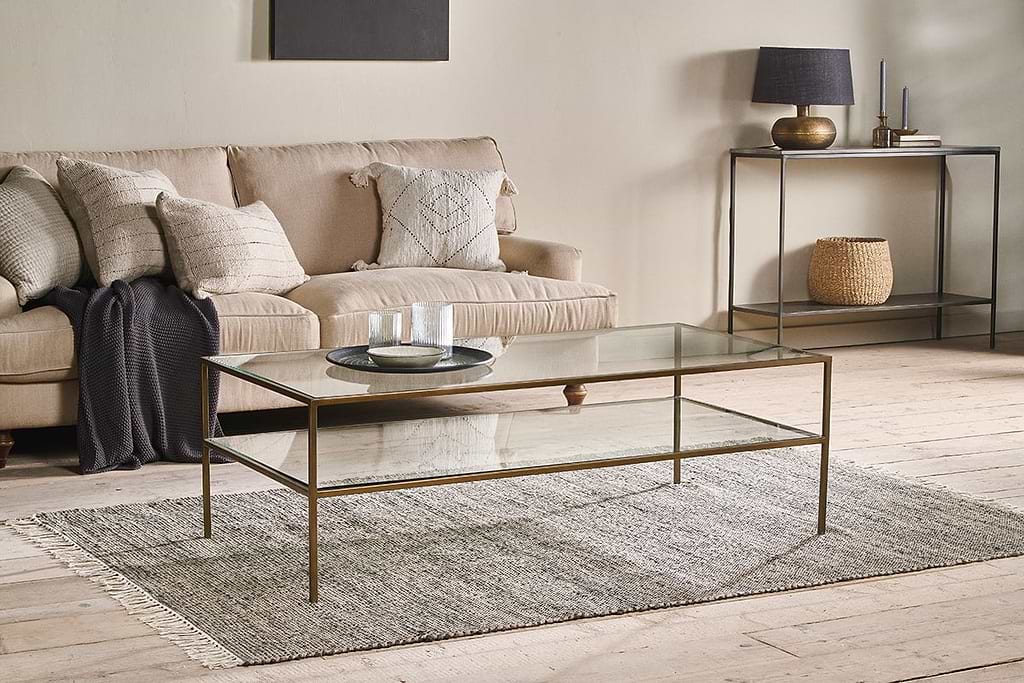
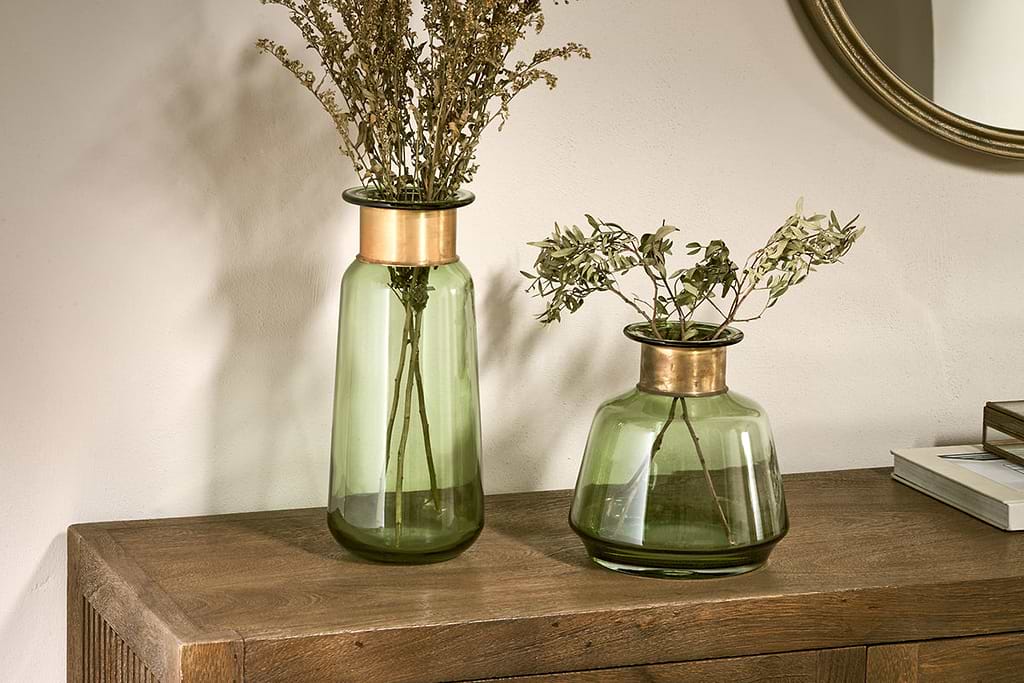
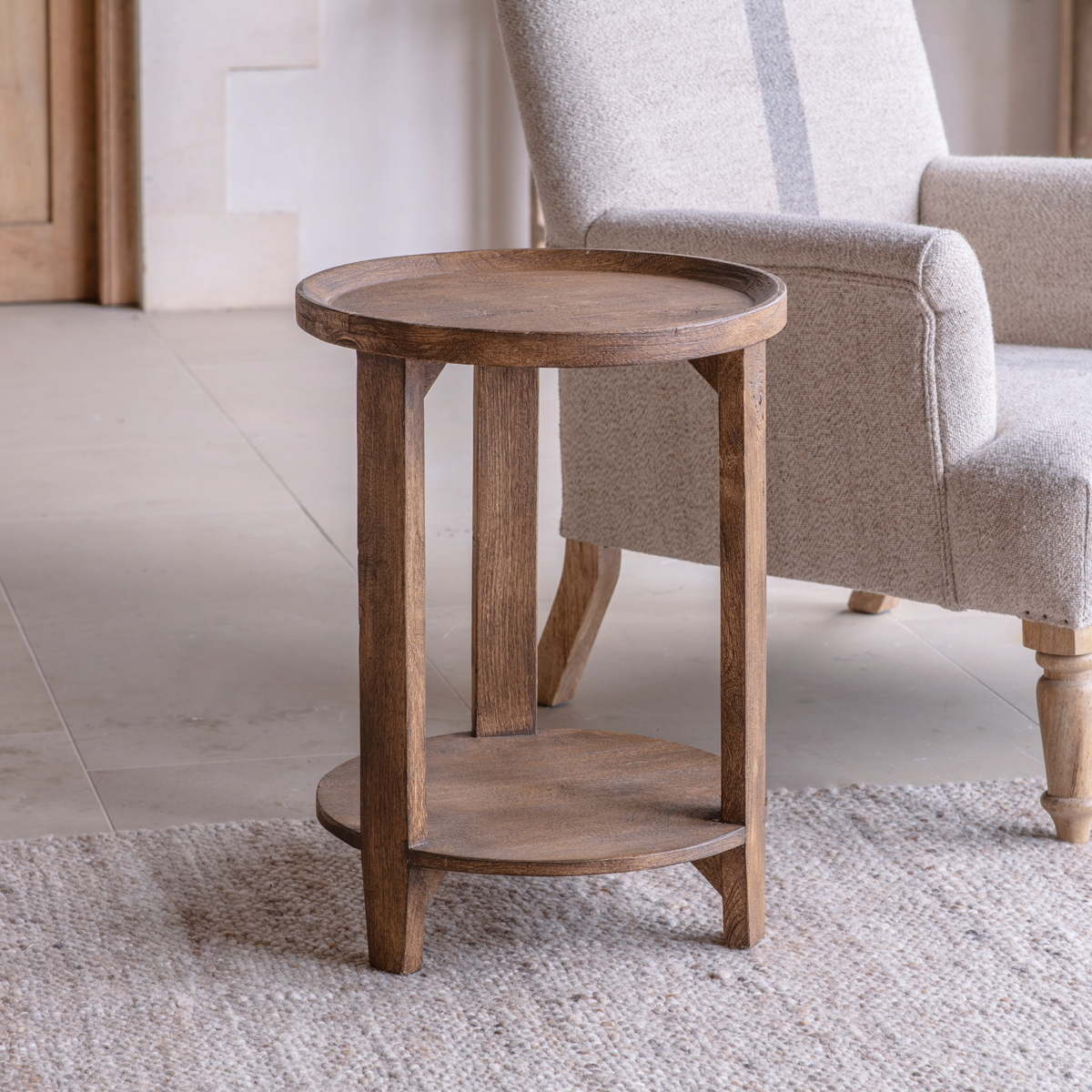
Some links above are affiliate links. If you buy through them we may earn a small commission at no extra cost to you. We only suggest pieces we think fit a calm, lived-in home.
Free guide
The Calm Shelf
12 styling ideas to help you compose calm, balanced shelves in natural texture homes.