

Decorating with dried flowers tends to promise easy beauty but can go wrong fast in the rush of real life. A display meant to feel simple changes mood, one week it looks fresh, the next, tired or crowded. Busy shelves, too many textures, and dust risk turning the idea into a chore or visual mess.
Today, you’ll see, step for step, how to pare down and place dried flowers so they add calm, not chaos. This works especially well in a low-light living room with old shelves when adding more color or clutter would only draw attention to what you’re trying to soften. Small edits make the difference, and that’s the shift we’ll work through here.
The short version: Decorating with dried flowers looks calm, not messy, when you use one main type, keep the vessels simple, and leave space around each display. Editing back to the best shape or spot is what brings a collected, not cluttered, feel to real rooms.
Key takeaways
- Dried flowers suit neutral home decor best when you pick one tone and match the container texture.
- A shelf or table feels less busy when two-thirds of the surface is left clear of decor, according to most stylists.
- The right dried grasses can last all season with light dusting and no direct sun, as noted on myweatheredhome.com.
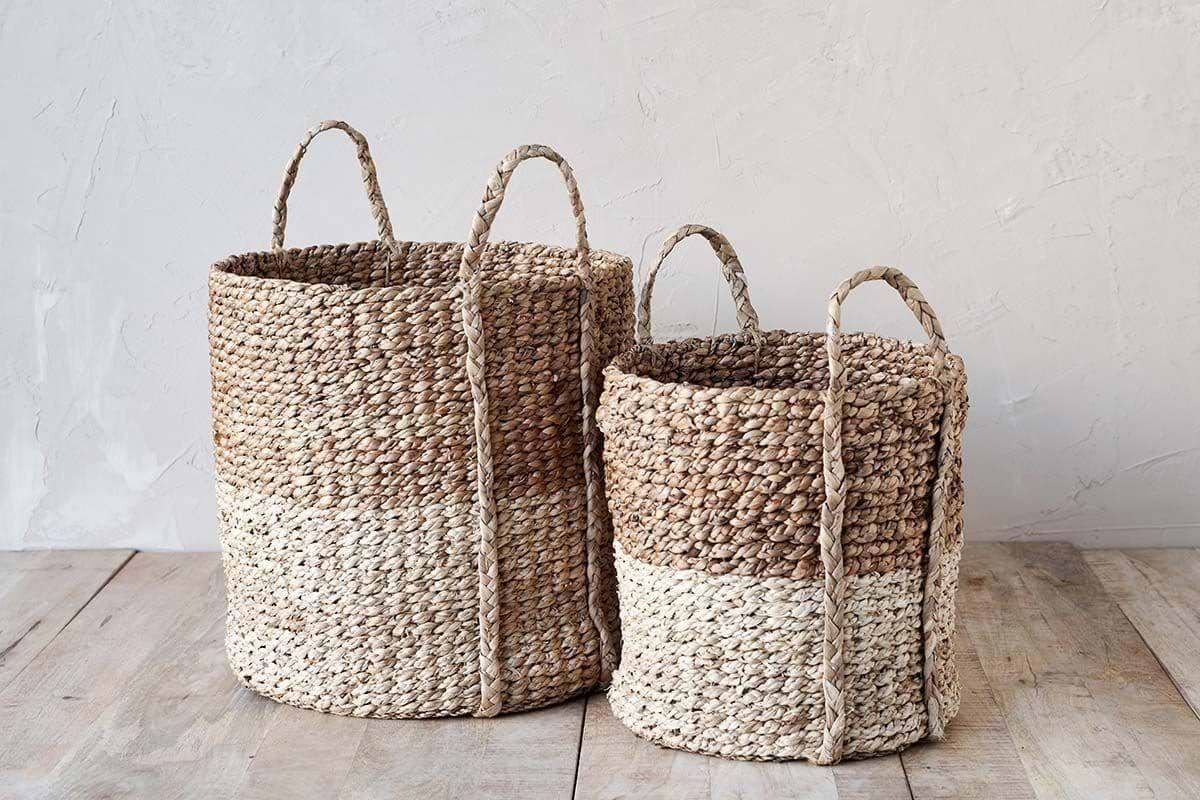
- Organic home decor needs one sturdy anchor, like a jute or woven basket, to avoid scattered arrangements blending into visual noise.
- Why does dried flower decor turn into clutter (and how to avoid it)?
- Where this works best
- How do you choose dried flowers and grasses for a calm room?
- Styling and placement
- How do you keep dried flowers from looking faded or dusty?
- What’s the best way to pair dried flowers with vases and vessels?
- How do you rotate and store dried arrangements through the seasons?

Why does dried flower decor turn into clutter (and how to avoid it)?
Dried flower decor tends to look cluttered when too many colors, textures, or bunches are grouped without space between each piece. Scaling back to one strong focus and giving each display breathing room breaks up that busy look naturally.
On open shelves and entry tables, decorating with dried flowers often shifts from organic to chaotic. Mixing a handful of stems, a tray, and small trinkets has the same effect as overfilling a closet, nothing stands out, and dust gathers quickly. The calm fades because the eye doesn’t know where to land.
If you add lavender, bunny tails, and pampas grass in separate vases across a shelf, the scattered effect lands heavier than it seemed in your head. A plain clay jug with just pampas, set near a rattan bowl, looks lighter and more certain. Unlike mixed batches, a single grouping reads purposeful and slower.
A shelf with a jute basket works, while a shelf crowded with several jars and loose stems feels muddled. Letting each dried arrangement sit apart, at least a hand-width space on a console, keeps the look clear. This is the cause-and-effect that produces the difference between calm and mess in slow living decor. Place one compact vase by the edge or anchor with a basket for a tidy result.
Where this works best
Dried flowers fit best in rooms with soft light, plain backgrounds, and no crowded surfaces. The effect is crispest on shelves or mantels with only one or two other objects nearby.
In a living room with a pale wall and a wood sideboard, a single jug of dried hydrangea feels settled and easy. Entryways with narrow tables only need a bunch of grasses in a woven container or a bowl for keys beside it. Bedrooms with a linen curtain and a plain bedside table are made for a stem or two, not a full arrangement.
Avoid loading dried flowers onto a kitchen counter already holding jars, utensils, and cookbooks; the effect fights the calm you want. Too much in a small space looks forced, especially where hands, food or water will get in the way. A best-use is on a mantel that has mostly negative space, so each stem stands out.
Dried flowers can also gently fill a niche or windowsill, nowhere busy, always with a pause between objects. If the room comes with already bold patterns or heavy color, a pale or neutral bunch grouped tight in the corner works better than scattering small clusters everywhere. For a rental space, use a single basket or vessel so the addition feels easy to remove.
How do you choose dried flowers and grasses for a calm room?
To create a calm look, choose one main dried flower or grass and keep to a tight color palette like straw, blush, or cream. Mixed types only work if they’re close in texture and shade, minimizing clashing contrasts.
Picking one type of dried grass, such as pampas, wheat, or lavender, simplifies the look and cuts down the chance of mess. Each adds its own feel: pampas is airy and tall, wheat brings a soft gold glow, lavender is compact with scent. According to myweatheredhome.com, lavender clippings and dried hydrangea work well in bowls or tucked into short bud vases, especially in bedrooms or bathrooms where their smell earns extra points.
Natural material home decor asks for choices that age well and feel soft to the touch, not brittle. Faded rose, neutral reed, and soft oat grass rarely overpower. Unlike a bunch of dyed blue statice dropped in with natural reeds, a unified group looks easy. If mixing is necessary, keep to three textures at most and echo those elsewhere, in a linen pillow or a rattan tray, for example.
Dried flowers and grasses stand out against woven home decor, like a jute basket, helping each texture read clearly. One guideline: “A dried flower arrangement works best when the stems echo at least one other material in the room,” so the repeating note calms things down. For concrete choices, place wheat in a rough clay bowl near a wood-framed print.
Styling and placement
Styling dried flowers is most calm when you anchor one arrangement at a time, allow a wide space around it, and use a vessel with no bold pattern. Letting the material stand alone brings out its shape and color.
On shelves or mantels, the cleanest look pairs one sturdy object, a woven basket like the Nkomi Basket, with a cluster of stems. A floating shelf in a low-light room, for instance, feels anchored by a single tall dried arrangement next to a closed basket. If the stems drop petals, the basket below catches the mess.
Set dried grasses in a spare ceramic vase and leave about two-thirds of the rest of the table bare. Most stylists agree this ratio is key for keeping focus (see the note about two-thirds clear space in the takeaways block above). Unlike crowding three or four vases together, which blurs the edge of each, one strong silhouette reads clearly from across the room. Centerpieces work best when the stems don’t sprawl beyond the rim.
For quiet shelf crafts, pair a dried grass bundle with a single handmade object or a plain stack of books. Spreading too many different textures breaks the sense of calm and feels out of step with slow living decor. To keep the palette calm, line up materials, soft linen, pale wood, sanded pottery, on the same shelf with the floral display for a slow and soft effect.
Quick calm checklist:
- Use one main color per shelf or display (beige, soft pink, camel, bone).
- Leave at least half to two-thirds of the surface empty around your arrangement.
- Choose only one textured anchor (basket, pot, or tray) for each grouping.
- Let the vessel match or blend with your wall or shelf color.
- Focal balance: one strong stem block or single large bunch, not multiple scattered accents.

How do you keep dried flowers from looking faded or dusty?
Dried flowers stay fresh and less dusty when you keep them away from direct sun, wipe vessels weekly, and use a soft brush to lift dust from petals. Changing their spot a few times a season also prevents fading.
Direct sun fades stems and petals fast, especially for soft grasses, hydrangeas, or wild blooms. An east-facing shelf or a shaded mantel is safer. Wiping the vessels and the shelf at least every week or two limits dust piles, which can quickly ruin the look. Fragile petals last longer if handled only during rotation.
The difference between a flat, tired arrangement and a fresh one is simple upkeep and smart placement. If left in high-traffic spots, a bathroom counter with steam, a kitchen shelf near splashes, the colors dull and specks cling. According to Happers, dried flowers do best away from humidity and heavy air movement, so skip placement near a window that is often open.
Dried grasses in a closed vessel, or arrangements placed inside a woven basket, trap less dust around fiddly stems. Using a small art brush to lift the dust helps preserve the shape, no compressed bits or broken petals left behind. As a rule: “Dried flower decor works best when cleaned lightly once a week.” In practice, lighter arrangements survive longest where air is still and sunlight only glances by in the afternoon.
What’s the best way to pair dried flowers with vases and vessels?
The best pairing uses a low-gloss or matte vase that mimics the texture of the dried stems for a quiet, grounded display. Simple shapes, clear glass, clay, or woven, let the flowers show more clearly and avoid clutter.
Dense bunches of dried flowers need a sturdy base. Lightweight glass looks crisp but can feel a bit cold in some spaces; hand-thrown ceramic or sanded wood softens the silhouette. The container’s finish makes a difference, and when designing with mostly dried or preserved foliage, there are no hard and fast rules, but the vessel should be as calm as the material (see here).
Unlike a shiny, patterned vase that steals attention, matte clay or resin pots recede, letting the floral form stand forward. A bud vase works for narrow mantels or a bathroom shelf, especially if you use pale straw or muted hydrangea. For open bookshelves, a woven home decor basket can double as both ground and display, blending with the earthy home decor around it.
| Vessel Type | Texture | Best For |
|---|---|---|
| Clear Glass | Smooth, light-catching | Single stem, modern shelves |
| Ceramic/Clay | Matte, soft grip | Dense bunch, calm corners |
| Woven Basket | Textured, tactile | Larger grouping, earthy setups |
The true base for calm, organic home decor is always a vessel that’s just plain enough to blend but not disappear, think a sandy glaze or a simple straw weave. Place one arrangement in the vessel and let it carry the shelf or table; skip extras close by. For clearer style, use a matched palette, tan, bone, or cream, so nothing jars against the neutral home decor ideas elsewhere.
How do you rotate and store dried arrangements through the seasons?
Store dried flowers by wrapping each group in tissue and keeping them in a paper or linen-lined box in a cool, dry spot. Rotating one new bunch per season keeps the look fresh and dust down.
After winter, you might swap faded grass for a tighter bunch or shift from lavender to taller oats in spring. This keeps the arrangement interesting and prevents tired stems from going limp or grey. Never crowd the old bunches at the bottom of a drawer, a shallow box with each bundle loosely wrapped is safest.
Unlike plastic flowers, natural dried stems break and shed if compressed. Shelving them with space, in a linen-lined basket or paper-wrapped, avoids crushed petals and makes switching out easy. A rule of thumb: one display per visible surface is plenty, tuck the rest out of sight until the next season finds its color useful again.
For anyone using natural fibre table accents, storing spare dried stems in a flat tray under the bed or on a high closet shelf works in small apartments where space is tight. This method means less dust and easier swaps, especially for seasonal guests or changes in room mood.
Sometimes, a living room or entryway just feels slightly off, pieces blend together, dust collects, or the shelf feels oddly “busy” after you finish styling. Owners often sense the mood is wrong but can’t name why. What’s happening is too much texture with no real anchor, or too little space between elements. Reducing the mix and picking a single anchor, like a plain jug or a deep basket, shifts the energy and makes the room feel understood again.
It’s common to see a mantel packed with small glass jars, a tangle of stems, and a few loose petals in the corner. That’s when the look goes from calm to clutter. Most homes fall into this trap because it feels safer to fill every gap. Today, blank space on a shelf or table isn’t failure, it’s a sign to stop and check if the display reads clear from across the room. Once the right piece, simple, neutral, set apart, is in place, the shelf looks open, dusting feels quicker, and the mood softens. Make a note of what works and come back to it. Save this idea for later.
What tends to hold up with decorating with dried flowers
What stands out across many layered rooms is how dried flowers look best in smaller, focused arrangements, not spread across every shelf. Reviewers and decorators often mention that woven or natural vessels, like baskets or matte ceramics, hold up against dust and fading better than glass if placed outside direct sun. Another pattern that appears: clear space matters most. A grouped set of items in soft shades keeps attention while avoiding the too-busy feeling, matching what slow living decor aims for. These small decisions, placement, vessel choice, leaving gaps, are what help organic home decor stay calm and grounded over time.
, Mara, Loom & Glow
Common questions
What can you do with dried flowers for decoration?
You can use dried flowers in vases, make wreaths, drape them across mirrors, hang as wall bunches, or display them in shallow bowls. Each method adds pattern and texture without fresh petals. Dried flowers also work well folded into napkin rings or pressed into small art pieces.
What is the 3-5-8 rule for arranging flowers?
The 3-5-8 rule means placing 3, 5, or 8 stems or pieces in your flower arrangement for natural balance. Odd numbers keep the shape from looking stiff or overly planned. This simple shift makes the display look relaxed, which is why stylists use it as a go-to guideline.
What glue works best for sticking dried flowers?
PVA craft glue or clear-drying white glue is best for sticking dried flowers to paper and light crafts. For projects like wreaths or shadow boxes, a low-temperature hot glue gun works well because it bonds quickly without making the delicate stems brittle.
How do you display flowers that are already dried?
You display dried flowers by placing them upright in a supportive vase, arranging them in a shallow bowl, or hanging them in small wall bunches. Groups with one main type feel less chaotic. Keeping them away from humid areas preserves color and texture longer.
Explore more calm combinations inside our Shop The Look .
Shop the Look
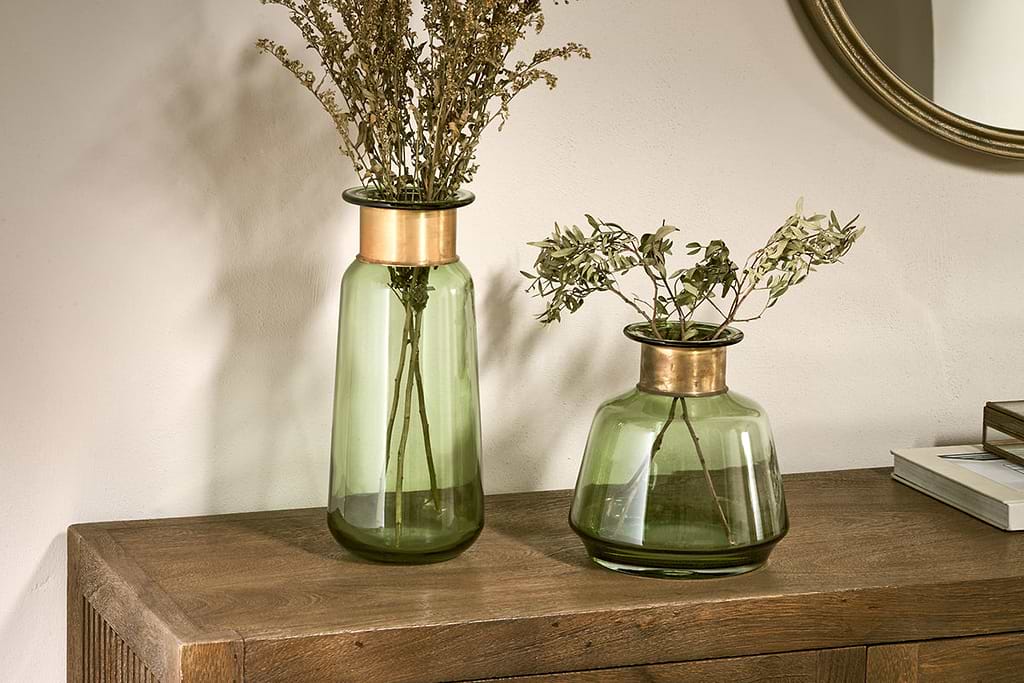
Quiet vases and a small mirror to frame dried stems and grasses without competing for attention.
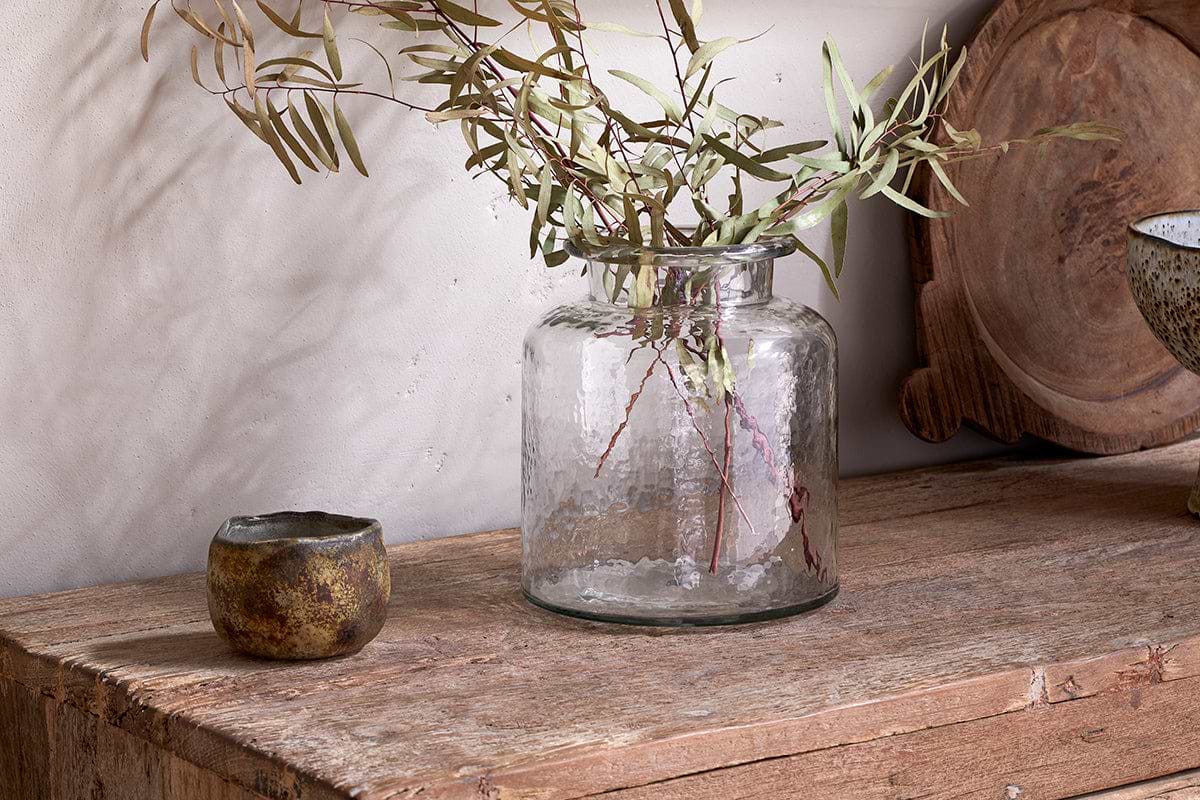
Akra Recycled Glass Vase
Clear cylindrical glass, pairs with stems or sits empty as a quiet accent.
View at Nkuku →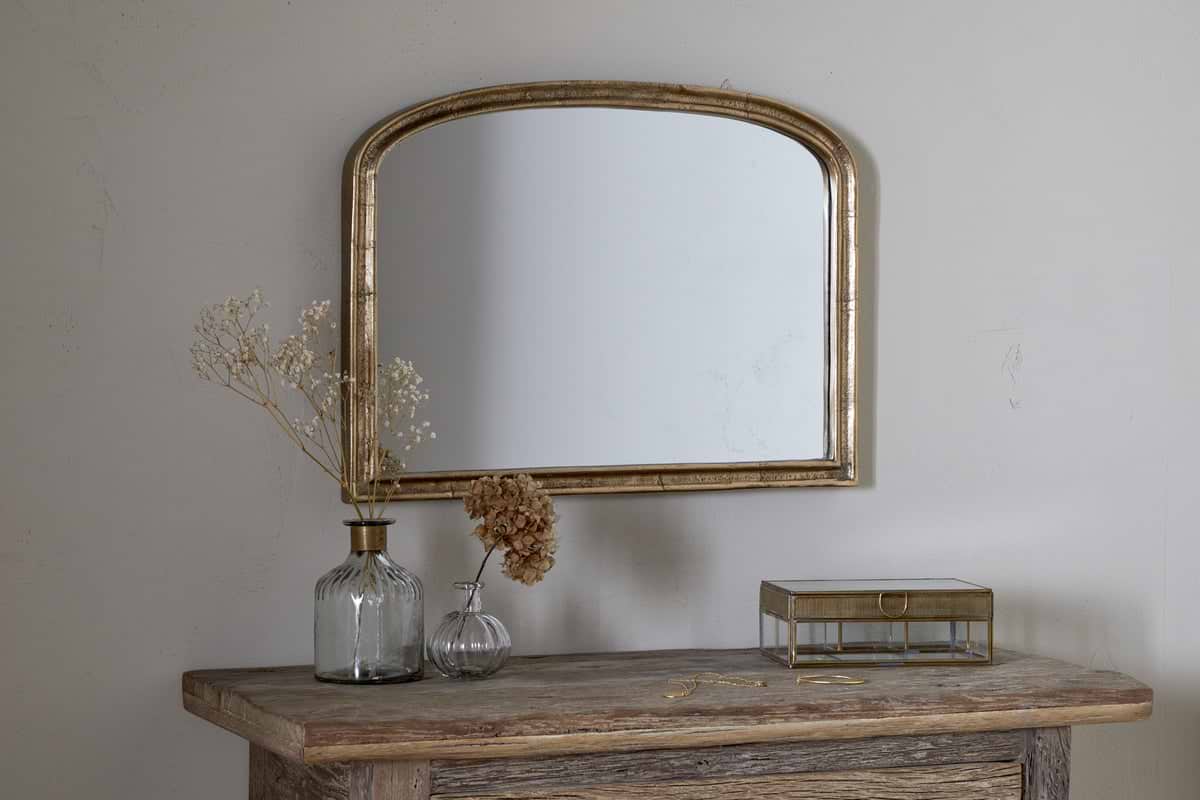
Some links above are affiliate links. If you buy through them we may earn a small commission at no extra cost to you. We only suggest pieces we think fit a calm, lived-in home.
Free guide
The Calm Leaf
12 quiet ways to bring dried botanicals, stems, and natural textures into calm spaces.