

Lots of living rooms feel crowded from too much stuff or cold from too little, especially when a rental means you can’t change the floors, walls, or lighting. The warm minimalist living room solves this with fewer objects, softer shapes, and natural textures, but it’s easy to misjudge what “enough” really looks like in a real space.
When you start by removing clutter, picking a simple palette, and finding the right anchor piece, the room starts to feel calm and finished. This works especially well in a small apartment living room when the walls can’t be painted because every surface and fixture needs to pull its weight.
The short version: A warm minimalist living room uses a small number of warm-toned, soft-textured essentials arranged for comfort, not show. You cut clutter, repeat wood and linen, and focus on the feeling of the space, not how many things you own.

What does a warm minimalist living room actually look like?
A warm minimalist living room feels calm, with soft-shaped seating, wood tables, and a few textured pieces in warm creams or sand. The room stays open but never cold, thanks to natural textiles and relaxed surfaces.
A typical new rental often comes with white walls, heavy grey carpet, and overhead lighting. Leaving them exposed can make the space feel stark and unfinished. Warm minimalism fixes this without over-decorating by focusing on a low couch in oatmeal, a slim-armed chair, and a light oak side table.
Unlike standard minimalism, which relies on crisp white walls and chrome, warm minimalism draws on soft tones and tactile surfaces. A linen curtain and a boucle cushion soften a plain room more effectively than adding ceramic vases everywhere. Warm whites, sand, and taupe and a jute rug feel lived in instead of staged.
Open space matters, but what you keep shapes the feeling. Most rooms look less flat with a single piece of earth-tone art above the sofa and one plant nearby for living texture. Furniture with rounded corners instead of boxy frames breaks up straight lines and keeps the space easy to use and walk around. The room feels welcoming rather than bare.
Where this works best
Warm minimalism suits rental living rooms, small open-plan spaces, and city apartments with tricky light or bland flooring. It adds softness without the clutter of full decor.
The approach is especially useful when your living room can’t be painted and the existing floor feels cold or worn. A jute or wool rug anchors the space, while a rounded wood coffee table draws the eye away from less appealing fixtures. Adding a linen throw over a basic sofa can disguise both shape and stiff upholstery.
This method works for open living-dining setups and for rooms that need to pull double-duty as both lounge and guest space. For renters, moving pieces like lamps and curtains are essential since they can be taken to a new place easily. Layering natural textures helps calm a busy visual field, even with a background of loud baseboards or mixed window styles.
Avoid picking multiple wood tones that clash, or different whites that fight with each other. A room with an oak coffee table, pine shelves, and a walnut TV bench often reads “busy” even if the lines are plain. Keeping woods similar, or repeating one finish twice, lets the room feel settled.
How do you choose the right neutral palette?
Start with warm whites, oatmeal or sand and limit to three tones, one background, one mid-tone, and a grounding color. This gives the room depth without looking busy.
Many rooms that feel “cold minimal” use pure white, stark grey, and lots of glass. These spaces look crisp in photos but rarely feel inviting at night. Using warm neutrals, creamy white, gentle beige, pale taupe, instead gives softness and avoids the clinical look. According to Scandinavian experts on warm minimalism, switching from cool to warm base colors changes everything about how a room feels.
The effect comes from limiting contrast. Rather than five different throw pillow colors, pick a main sofa color, a pale natural rug, and bring in a single accent, maybe a charcoal or rust pillow or a single terracotta bowl. A palette this simple is easy to keep clean and rarely gets tiring, which is the main reason it works in rental spaces often filled with inherited finishes.
Compared to rooms with too many shades in the same small space, a focused neutral scheme gives the eye fewer places to jump. A textured oatmeal sofa stands out just enough against a sand rug or a warm white wall. For a little depth, use a single dark grounding piece such as a deep walnut side table or a large brown pillow.
Which natural materials should you use first?
Start with soft large pieces: a wool or jute rug grounds the room, a linen curtain softens the light, and a simple wood coffee table brings both warmth and function.
The right surface makes more difference than a new decoration. A thick jute rug muffles noise, stays put on cold rental floors, and adds texture right where bare boards or carpet would feel noisy. A linen curtain, hung on a tension rod, softens corners and can go up in any apartment without drilling.
Instead of adding several accessories, pick one material and repeat it in two places, linen on cushions and at the window, or wool in both the rug and a throw. Accent bowls in matte clay or a natural woven basket stop the space feeling precious or forced. Bringing in a little boucle upholstery on a spare chair adds practical comfort without fussy patterns.
A smooth, untreated wood coffee table wears well and hides scratches better than glass. Most wood finishes, light oak, walnut, even soft maple, work better when matched or paired with similar lightness rather than using mixed darks and lights. Natural materials also catch the light at different times of day, bringing calm and quiet variety to the space. Adding warmth through larger pieces is more impactful than more small decorations, as shown in these warm minimalist interior design tips.

Styling and placement
Place a key object, like a large bowl or a single plant, where the eye lands first, then leave surrounding surfaces mostly open. Too many small objects break up calm more than they help.
A sofa can anchor the room, but tables, baskets, and other items need purpose and breathing space. In an open-plan living room, putting the biggest item (usually the sofa or rug) squarely in view from the door, not squashed into a corner, gives the whole area direction.
Unlike tightly packed gallery rooms, a minimal living room thrives on negative space. If every shelf holds a different trinket, the room will look cluttered and jittery. Instead, group a single sculptural plant with one favorite bowl or book per surface. This reads as “designed” even if most of the furniture is basic rental stock.
Objects need to relate to each other. A round coffee table breaks up all straight lines. Woven baskets in natural tones can slide under open benches for storage that looks settled and tidy without shouting. The best rooms keep a balance: not empty, but never overcrowded. For more on this kind of restraint applied to woven decor, see keeping woven textures minimal, not boho-heavy.
Quick calm checklist:
- Pick a palette of three main tones: one base, one mid, one grounding accent
- Use one main wood tone, repeat it at least twice
- Limit each large surface (sofa, table, bench) to one object or stack
- Keep floors clear except for one large rug and one woven basket
- Choose low shapes and rounded corners for bigger pieces
How do you layer lighting without making it busy?
Use fewer but lower lamps, with warm bulbs, and avoid strong overhead lights. Light at knee and table height creates a softer, calm mood without fuss.
Rental living rooms almost always come with one ceiling fixture that throws harsh, cold light everywhere. Swapping cool bulbs for warm bulbs (between 2700 and 3000K) and spreading small lamps around the room stops the space from looking grey and clinical, as explained in this guide to warm minimalist design.
Table lamps with fabric shades add a soft pool of light on one side of the sofa, while a floor lamp with a globe or drum shade fills the corners gently. Cordless LED table lamps work well for renters who can’t add new outlets. Most people skip dimmers, but even a single foldable lamp on a shelf brings a calm feeling at night.
Compared to a single overhead bulb, mixing several low light sources adds warmth and stops walls or floors from casting harsh shadows. A brass or wood lamp base acts as decor, too, especially if you repeat the metal somewhere else, like in a frame or tray. Low light at night helps create a space that feels restful and lived in, not staged or cold.
What is the 60-30-10 rule for a minimal living room?
The 60-30-10 rule keeps your room’s color scheme calm: most of the space is one color, with a supporting second, and a touch of a darker or stronger accent.
In a warm neutral scheme, about sixty percent of the room is one tone, often the rug, walls, or largest furniture. About thirty percent is a mid-tone: pillows, curtains, throws. The last ten percent comes from a single deeper or accent color, such as a walnut table or black lamp. This balance is easier to maintain over time, since every piece has a role and nothing overwhelms.
Using this layout helps eliminate most decorating mistakes. Unlike rooms filled with random color, this method always reads calm, even when you update one item. When you stick to earth tones and muted accents, a small rental living room feels much more pulled together and less like a short-term setup. The warm minimalist palette also includes accent colors such as camel, olive, or muted terracotta for variety without stress.
For accent art or a main pillow, choose a color from the ten percent and repeat it once, not everywhere. This single accent, maybe a rust linen pillow or a small aged-brass lamp, makes the room feel finished, not themed. Use the 60-30-10 rule as an anchor for both color and material decisions.
What tends to hold up with warm minimalist living rooms
Based on dozens of room reviews and questions from renters and homeowners, the biggest difference always comes from limiting the palette and choosing a few tactile materials. Almost every designer and reviewer notes that natural surfaces, like linen, wool, or textured wood, keep their calm look even as the room gets used.
Matte finishes and woven textures are often recommended for high-use living rooms, since they hide spots and blend everyday wear. Lamps with soft light and art in soil or rust tones consistently age better than trendy statement patterns. What matters most is how the room actually feels after a weekend or a week, not just the first look after cleaning.
, Mara, Loom & Glow
Common questions
What is warm minimalism style?
Warm minimalism style is a decorating approach that blends minimal furniture and open space with warm colors and natural materials. It moves away from stark whites and chrome to use warm whites, beige, wood, linen and wool. The result is a calm space that still feels welcoming and lived in.
What is the 60 30 10 rule for living rooms?
The 60-30-10 rule means you use one main color for sixty percent of the room, a second for thirty percent, and an accent for ten percent. This keeps the palette focused and balanced. It helps rooms look calm, prevents clutter, and makes updating accessories simple.
What are good minimalist living room ideas?
Good minimalist living room ideas include choosing simple, open furniture, repeating a few textures, sticking to three main colors, and using soft lighting. Adding soft textiles and keeping just one or two objects on each surface also reduces clutter. A few tactile, quality materials replace a crowded collection of decorations.
Why are interior designers ditching minimalism?
Many designers now avoid strict minimalism because cold color schemes and empty rooms feel impersonal. Warm minimalism and layered natural textures provide more comfort and resilience, especially for real homes. The shift is toward spaces that encourage use, not just photographs and empty display.
what are common minimalist living room mistakes?
Common minimalist living room mistakes include picking multiple clashing wood tones, using stark cool greys and whites that feel clinical, or adding too many accent colours and objects. Instead, focus on three warm neutral tones, repeat one wood finish twice, and keep accent pieces to just one or two items for a calm, finished space.
Explore more calm combinations inside our Shop The Look .
Shop the Look
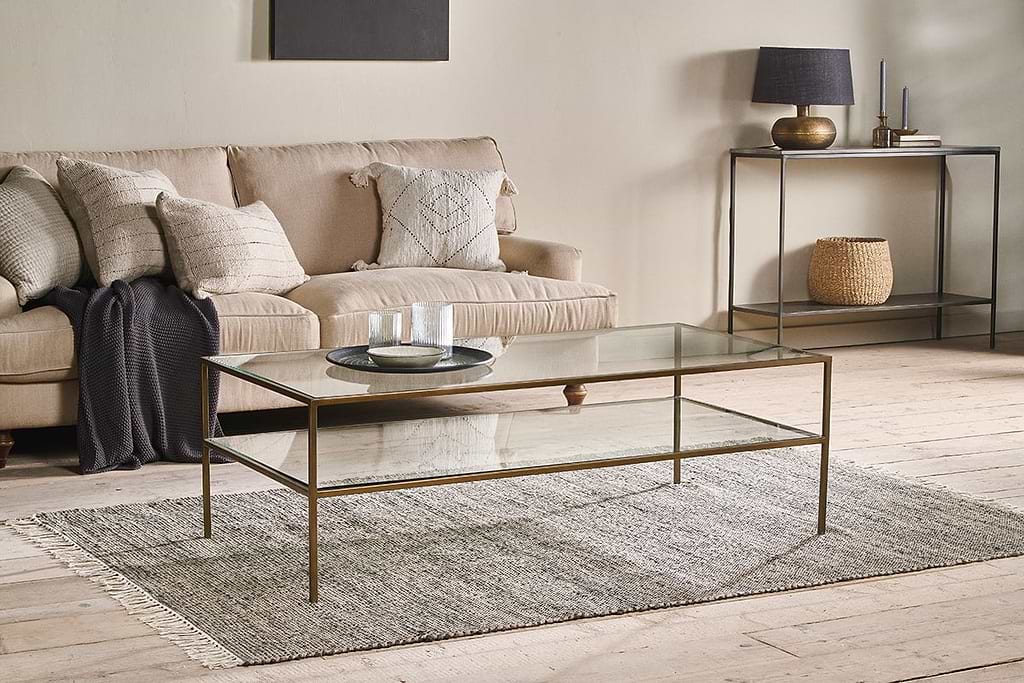
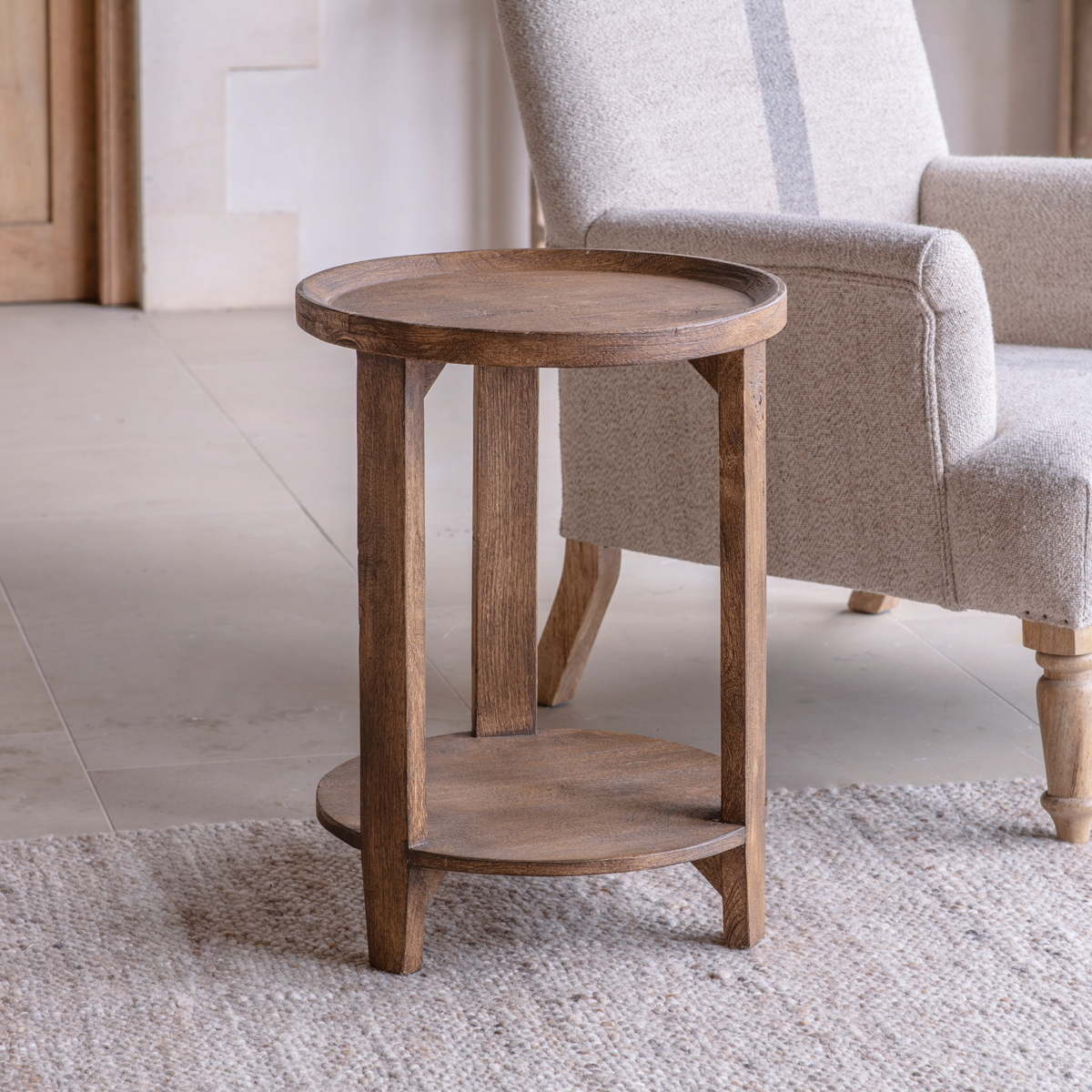
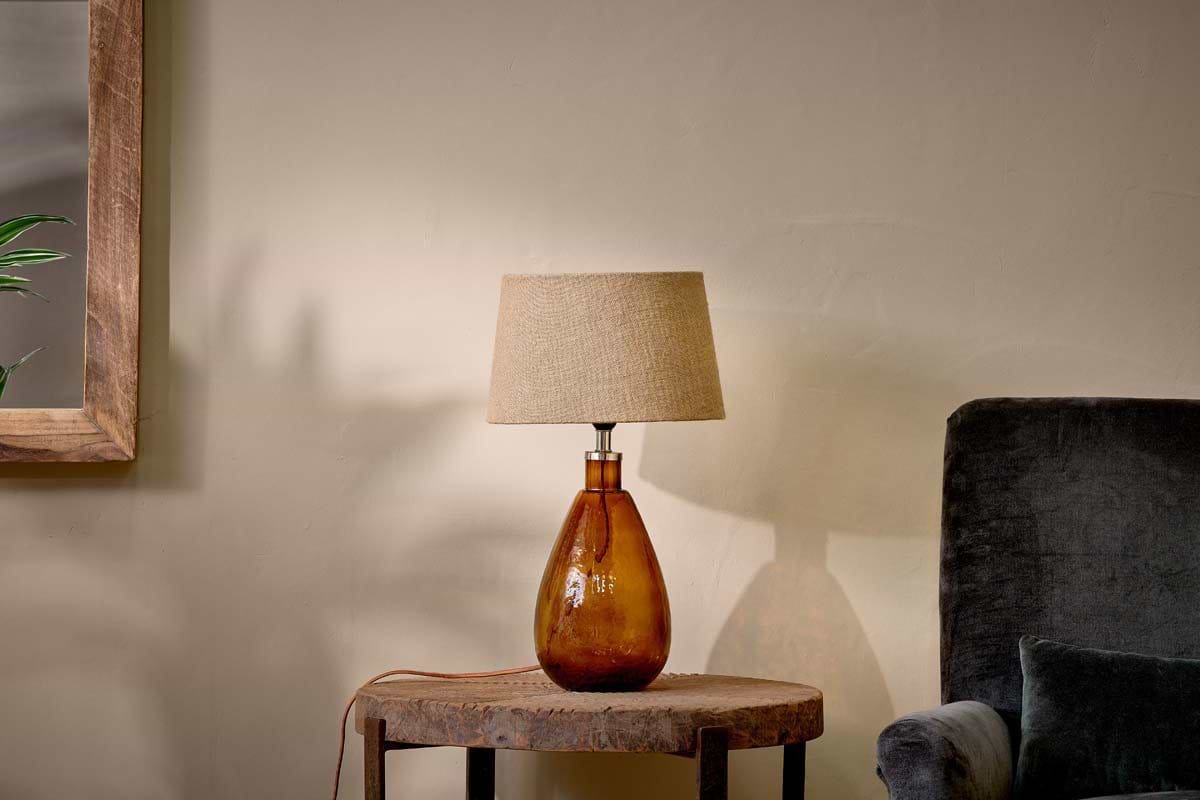
A side table, lamp and glass vessel that hold the warmth in a minimal room.
Some links above are affiliate links. If you buy through them we may earn a small commission at no extra cost to you. We only suggest pieces we think fit a calm, lived-in home.
Free guide
The Calm Leaf
12 quiet ways to bring dried botanicals, stems, and natural textures into calm spaces.